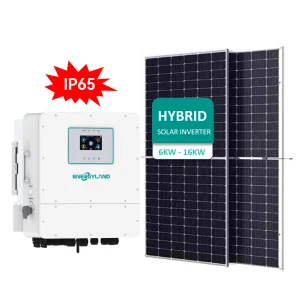
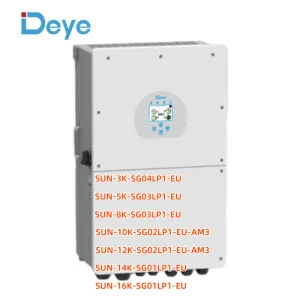
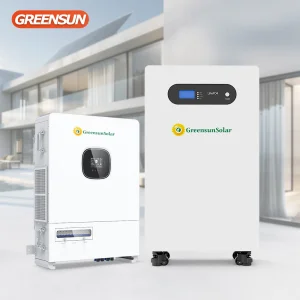
Explore our core selection of high-efficiency hybrid inverters, solar pump inverters, and utility-scale battery systems engineered for maximum performance.
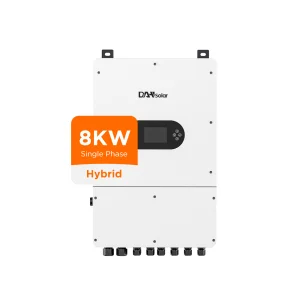
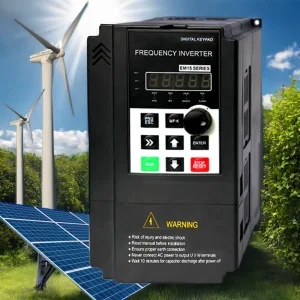
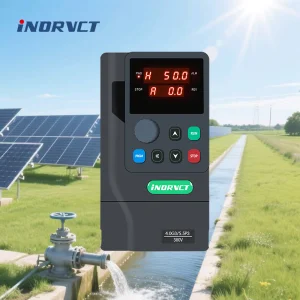
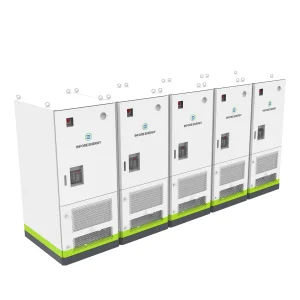
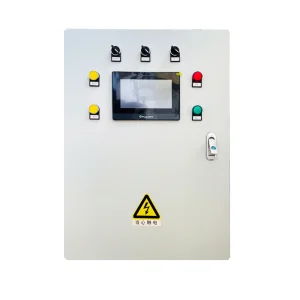
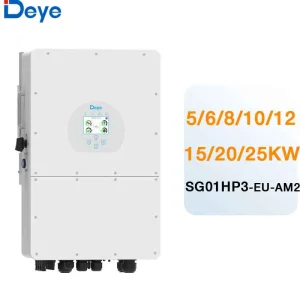
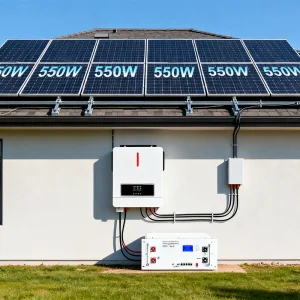
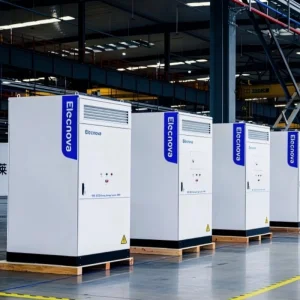
Shenzhen Yde Power Co., Ltd. is a tier-one professional manufacturer specializing in residential, commercial, and industrial energy storage systems (ESS). Headquartered in Shenzhen, China, we integrate state-of-the-art research and development, smart manufacturing, and dynamic global export capabilities to deliver complete, clean energy solutions to partners across Europe, the Americas, and APAC.
Beyond our Shenzhen corporate headquarters and R&D hub, we operate a modern, high-precision ISO9001-certified manufacturing facility in Jiangxi Province. Empowered by highly automated production lines and rigid testing systems, we focus on continuous innovation in Battery Management Systems (BMS), thermal distribution models, and grid-tied system integrations.
Our commitment remains steadfast: delivering scalable, robust, and certified energy systems that drive grid independence, support commercial peak shaving, and optimize clean energy utilization worldwide.
Analyzing key advancements driving the global residential and commercial battery storage landscape.
The industry is transitioning rapidly from traditional 48V low-voltage architectures to high-voltage battery arrays (200V–600V). HV designs decrease conversion currents, which minimizes energy loss, reduces cable cross-section requirements, and significantly increases overall Round-Trip Efficiency (RTE) up to 96%.
Modern home batteries are no longer passive chemical repositories. Integrated cloud-connected Battery Management Systems (BMS) utilize machine learning algorithms to predict load habits, analyze real-time electricity tariff schedules, and prevent degradation risks, prolonging cell lifespan by up to 20%.
Lithium Iron Phosphate (LFP) remains the unquestioned global standard for stationary storage. Superior thermal stability, lower explosion probability during physical damage, and extensive cycle life (exceeding 6000 cycles at 80% Depth of Discharge) prioritize LFP over cobalt-based chemistries.
How international EPCs, distributors, and grid system integrators specify energy storage systems for localization and long-term asset security.
B2B energy buyers require more than competitive pricing. Global utility operators, solar developers, and importers assess hardware through multi-layered framework standards:
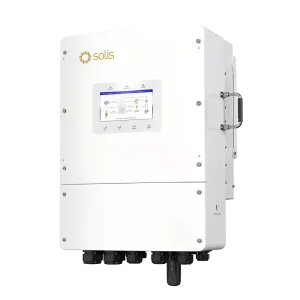
Modern installations demand seamless communication between battery stacks and complex power hardware. Our hybrid inverters support RS485, CAN, and Modbus networks, allowing out-of-the-box integration with major global platforms (such as Deye, Solis, Victron, and SMA).
Injecting power back into national grids requires stringent phase matching and rapid disconnect switches. Key certifications like CE, VDE-AR-N 4105, EN 50549, and UL 9540A must be supported at the component and system level to guarantee legal local hook-ups.
Residential homes and commercial properties scale energy consumption over time. Modular designs permit seamless slide-in racking where modules can be added in parallel without triggering systemic balancing discrepancies.
| Feature Category | Residential Standard Requirement | Commercial & Industrial (C&I) Standard | Yde Power Solution Value |
|---|---|---|---|
| Battery Chemistry | LiFePO4 (LFP) | LiFePO4 (LFP) / Liquid Cooled Units | Ultra-safe Grade A prismatic cells only |
| Nominal Voltage | 48V (LV) to 400V (HV) | 400V to 800V DC | Wide voltage configurations from 51.2V up to 800V |
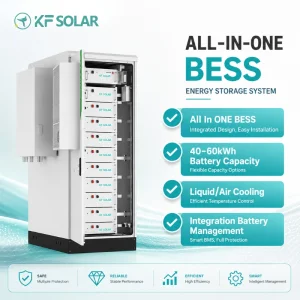
| Thermal Management | Natural Convection / Forced Air | Intelligent Liquid Cooling | Active cooling & liquid-conditioned cabinet models |
| Certificates | CE, UN38.3, IEC 62619, UL 1973 | UL 9540A, IEC 62933, CE-LVD | Fully compliant with international regional safety grids |
| Warranty Cycles | 5,000 - 6,000 cycles | 6,000 - 8,000 cycles | ≥6000 cycles at 80% Depth of Discharge (DoD) |
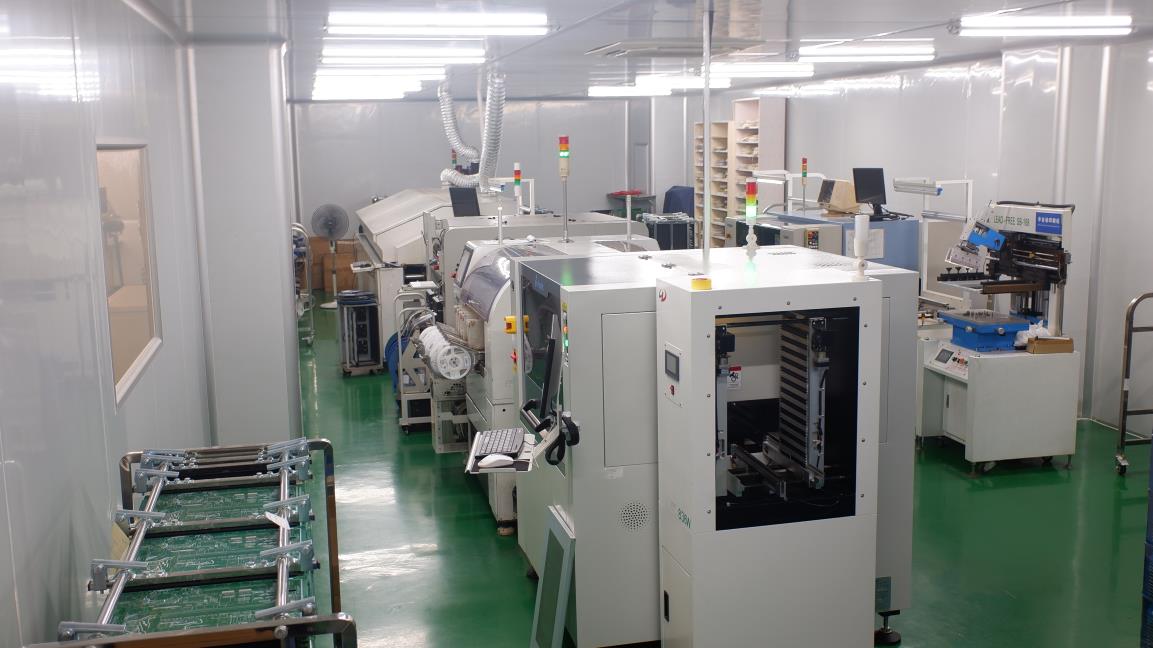
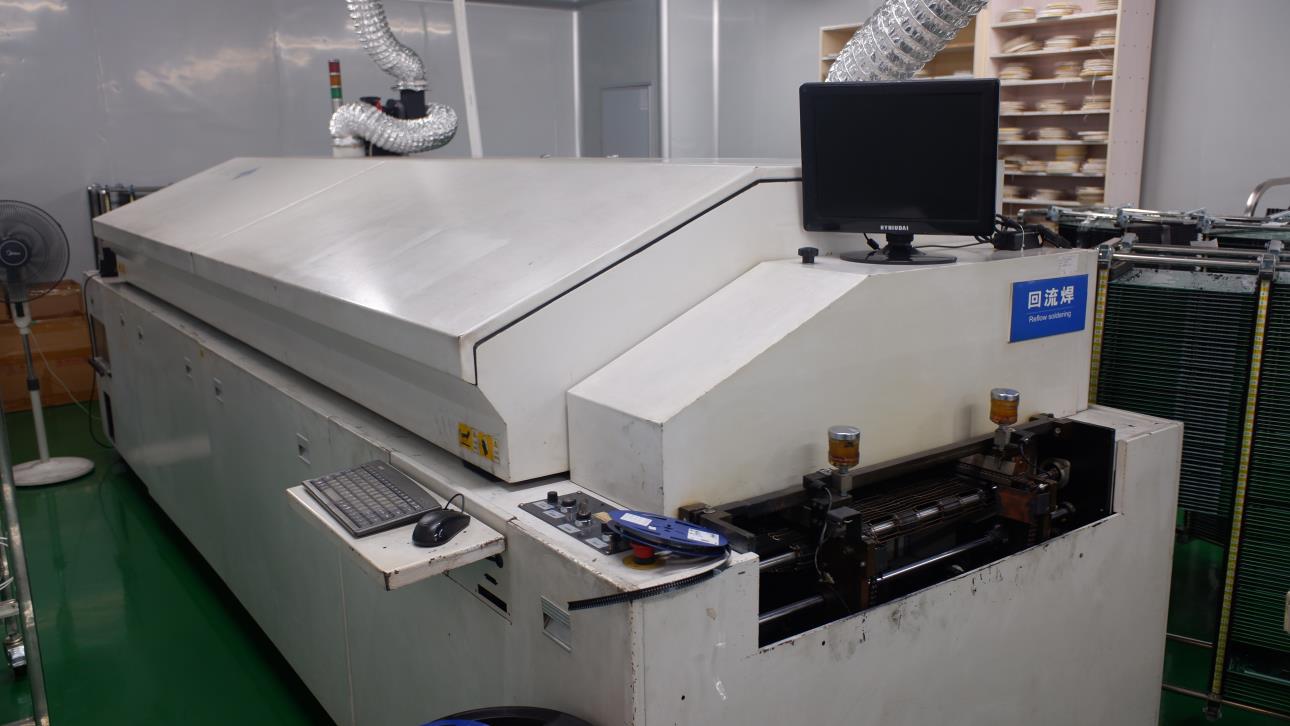
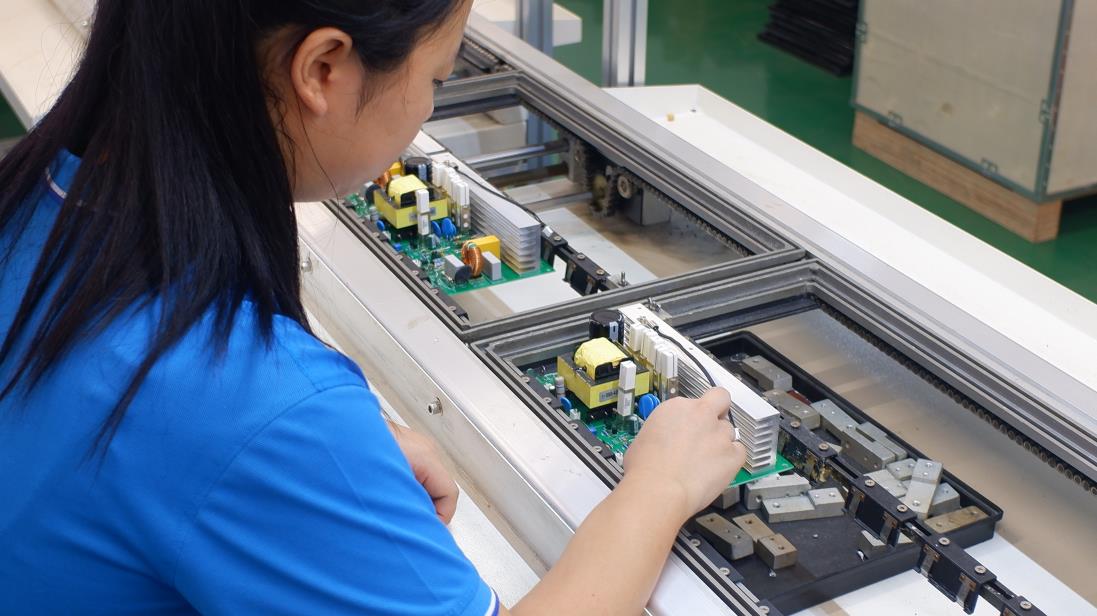
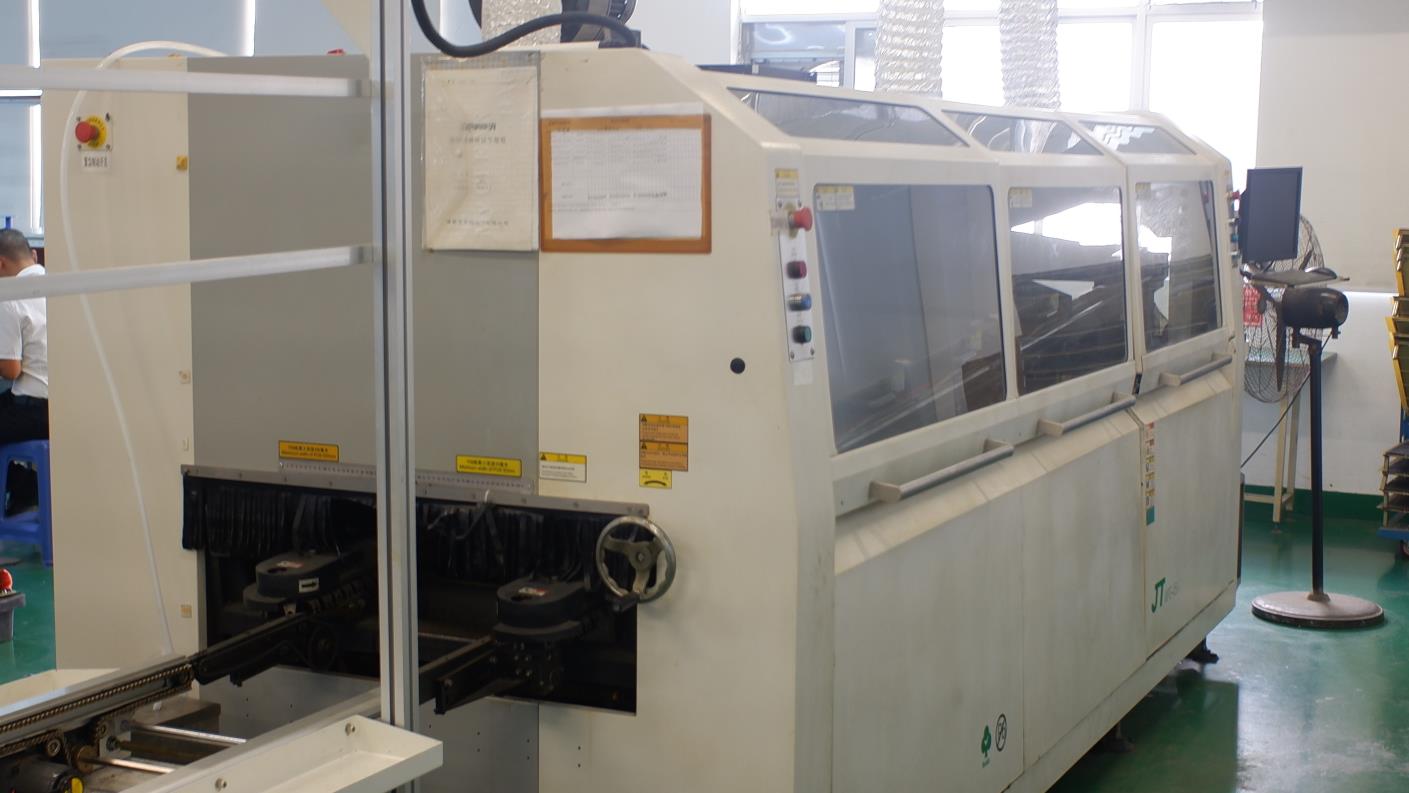
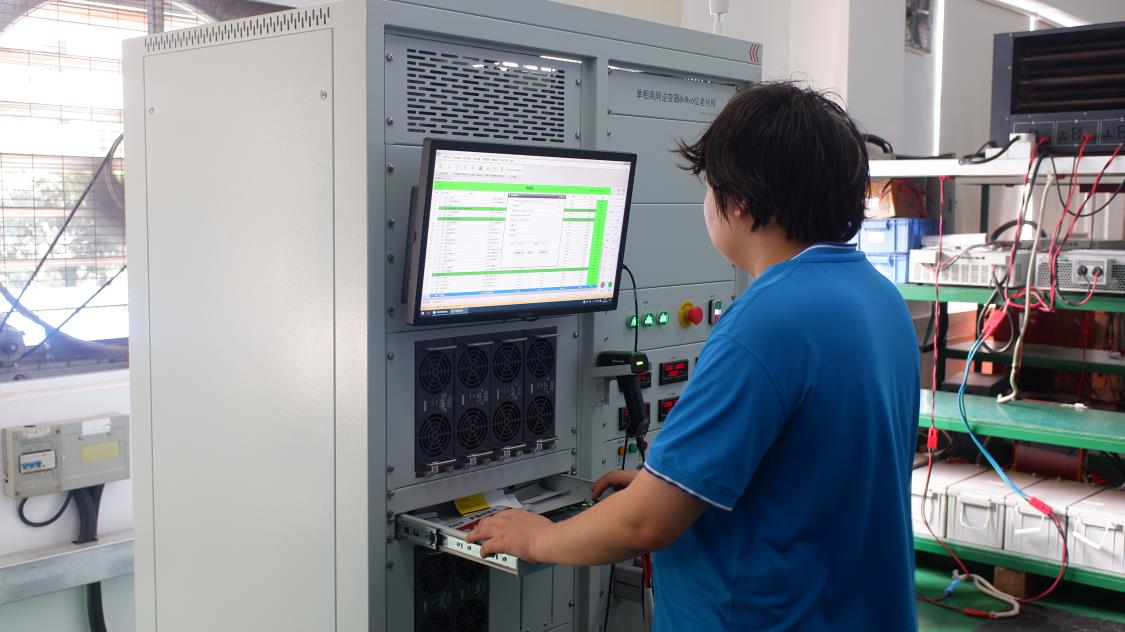
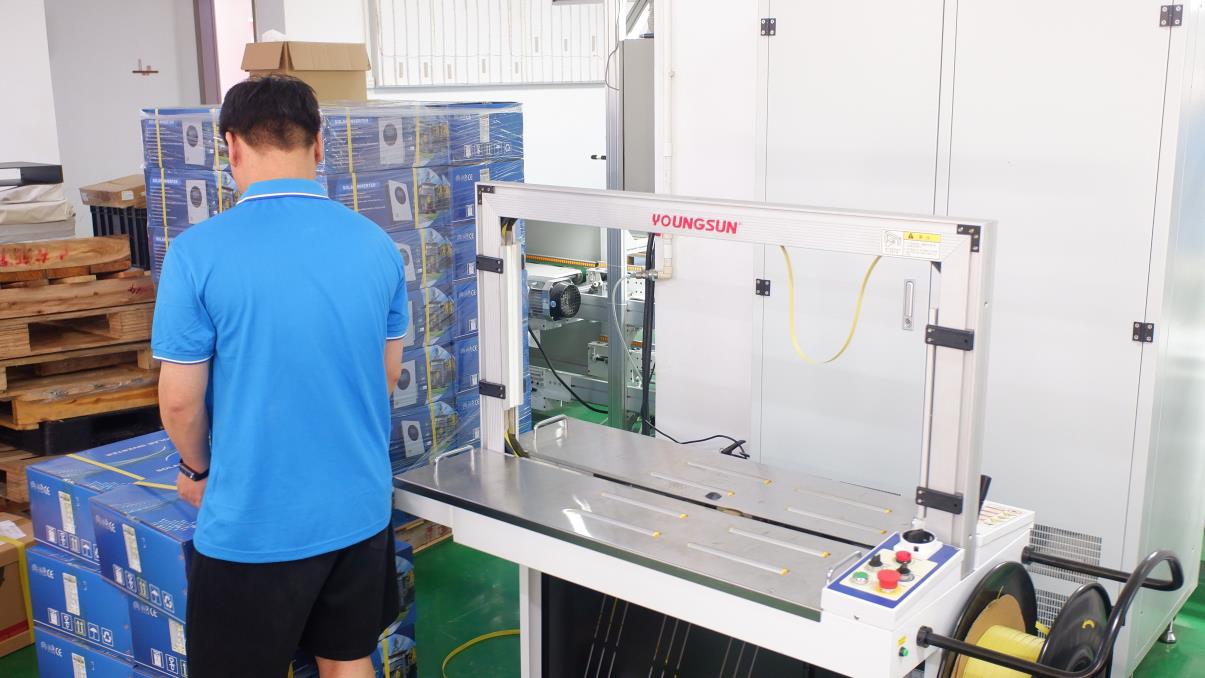
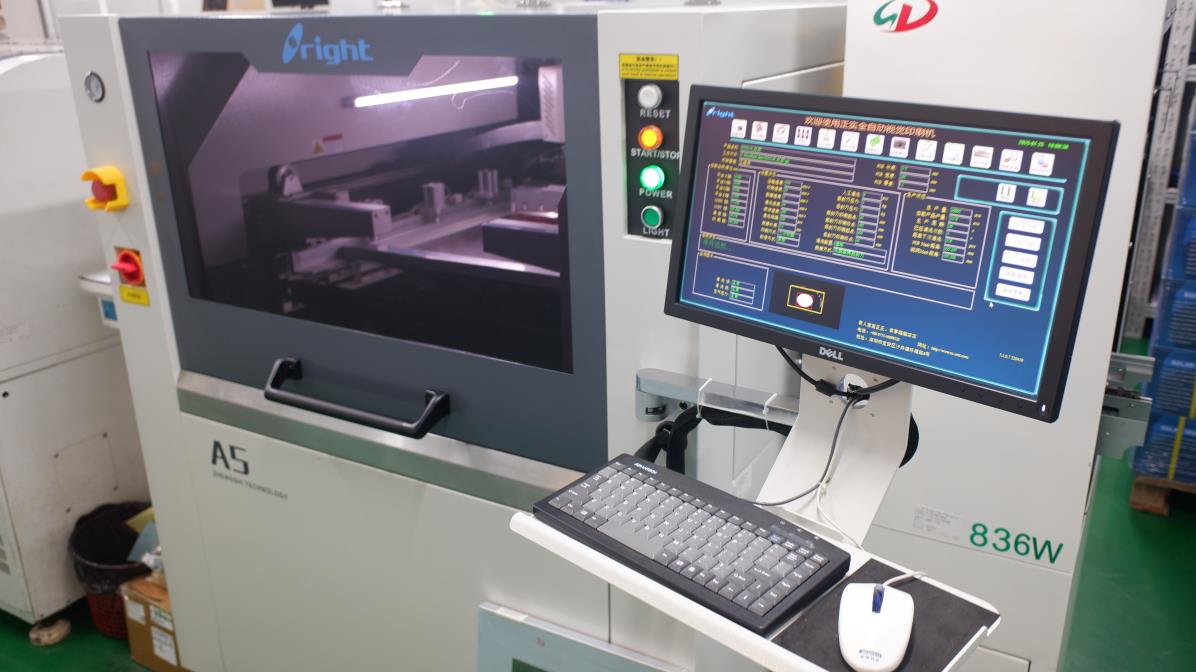
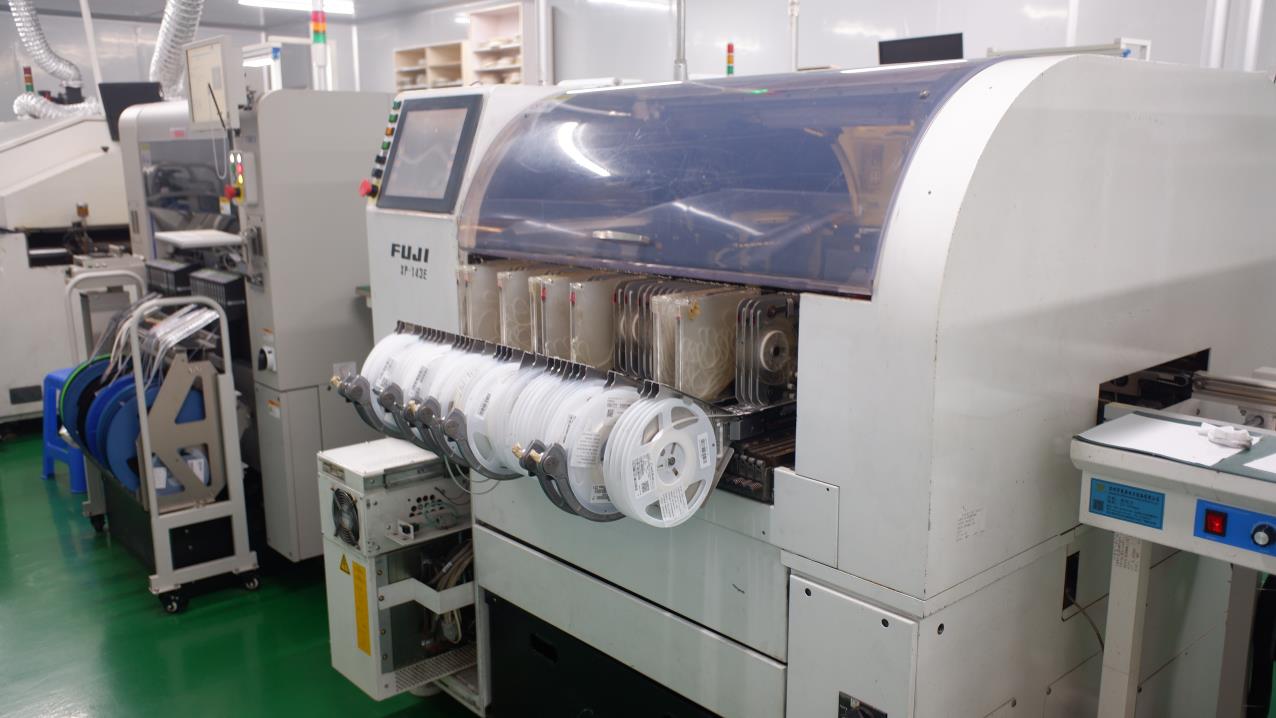
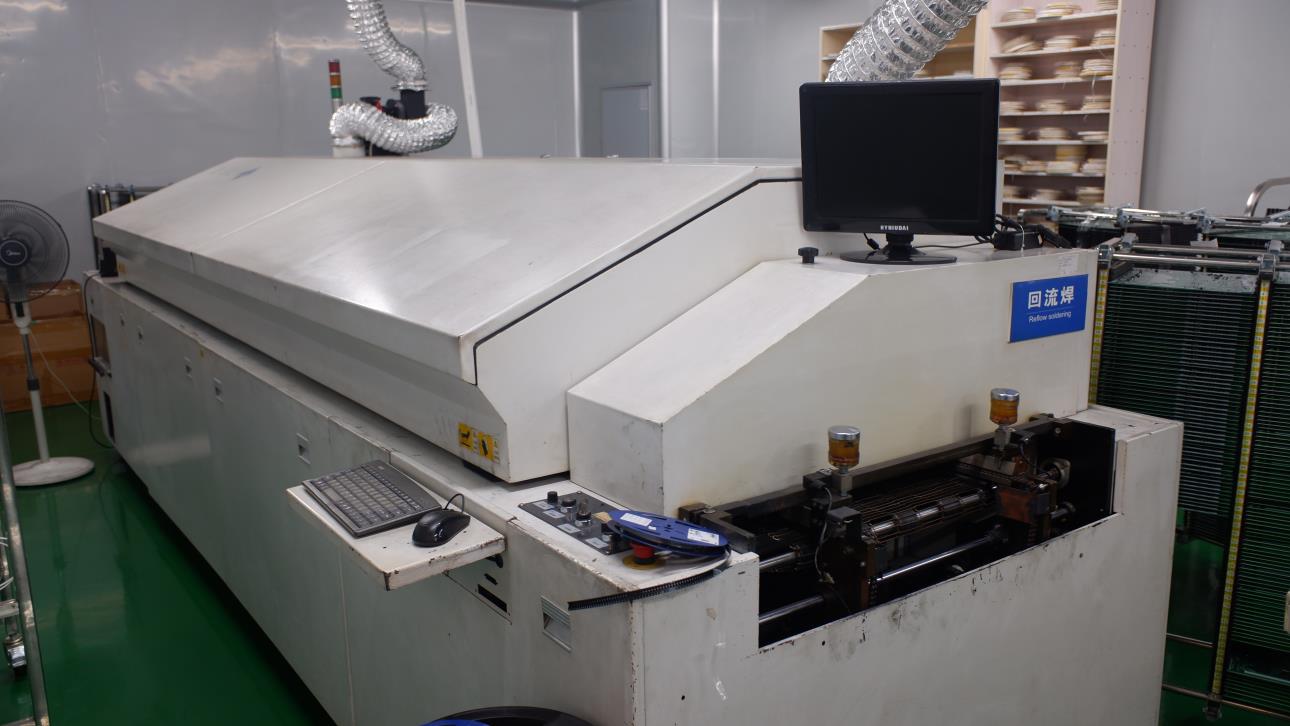
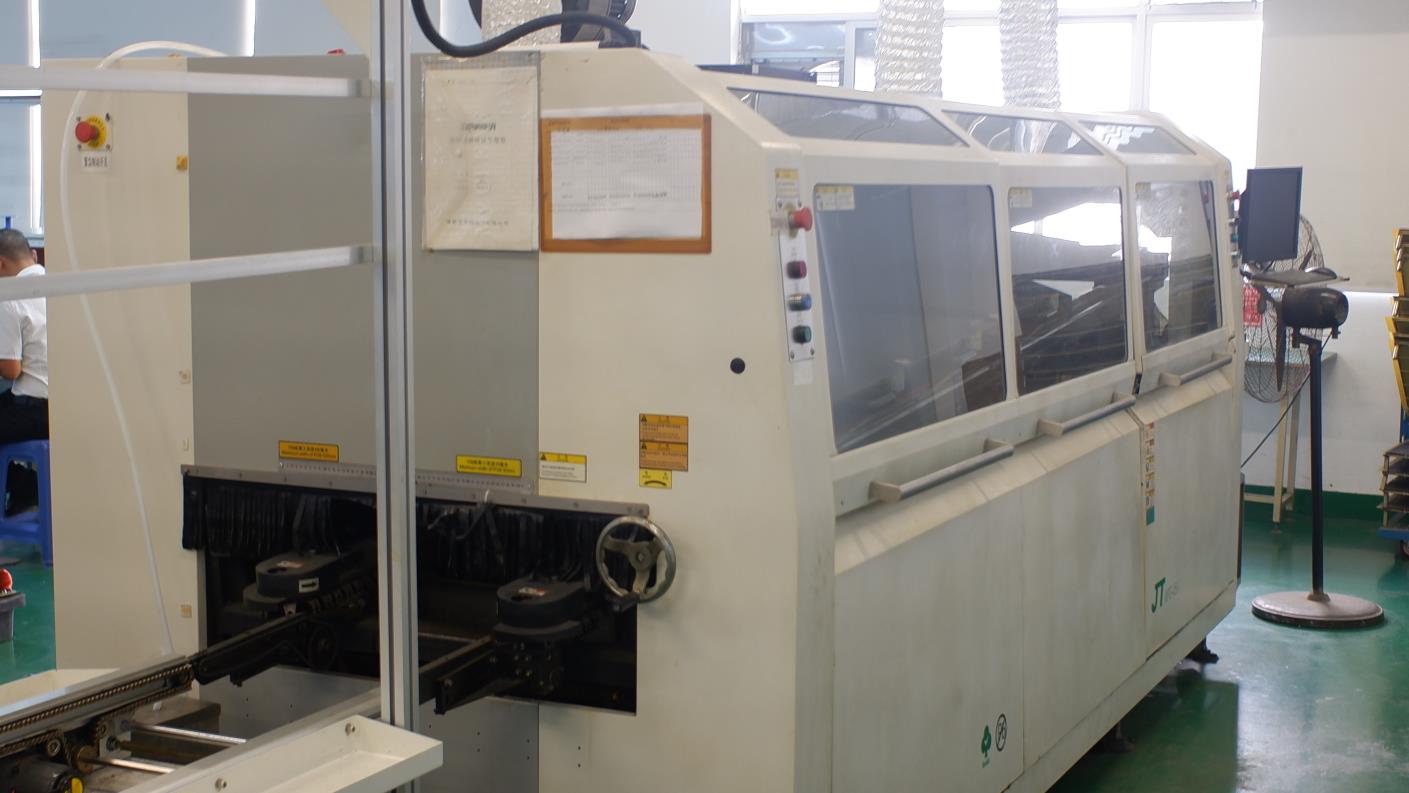
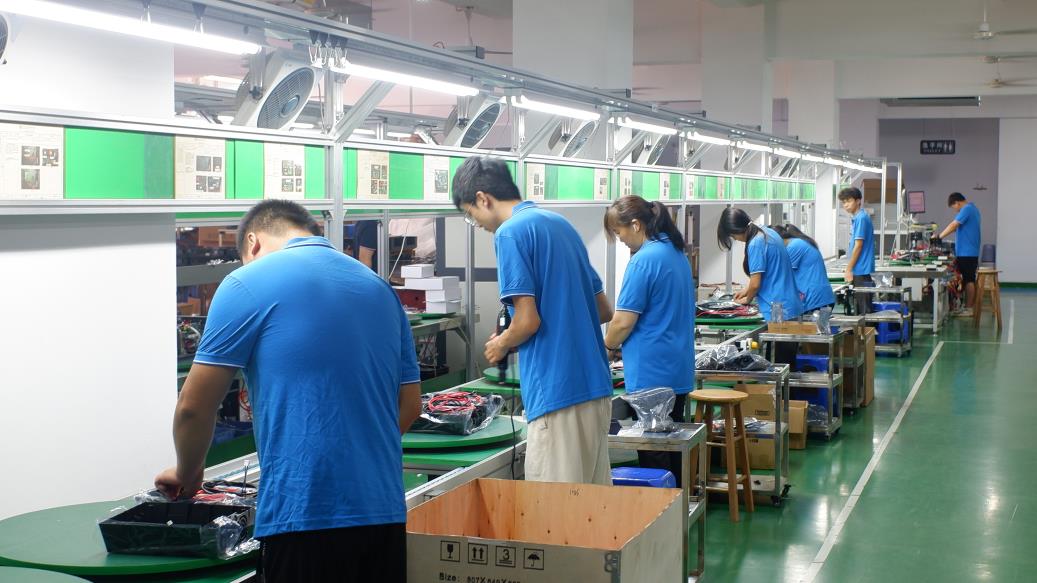
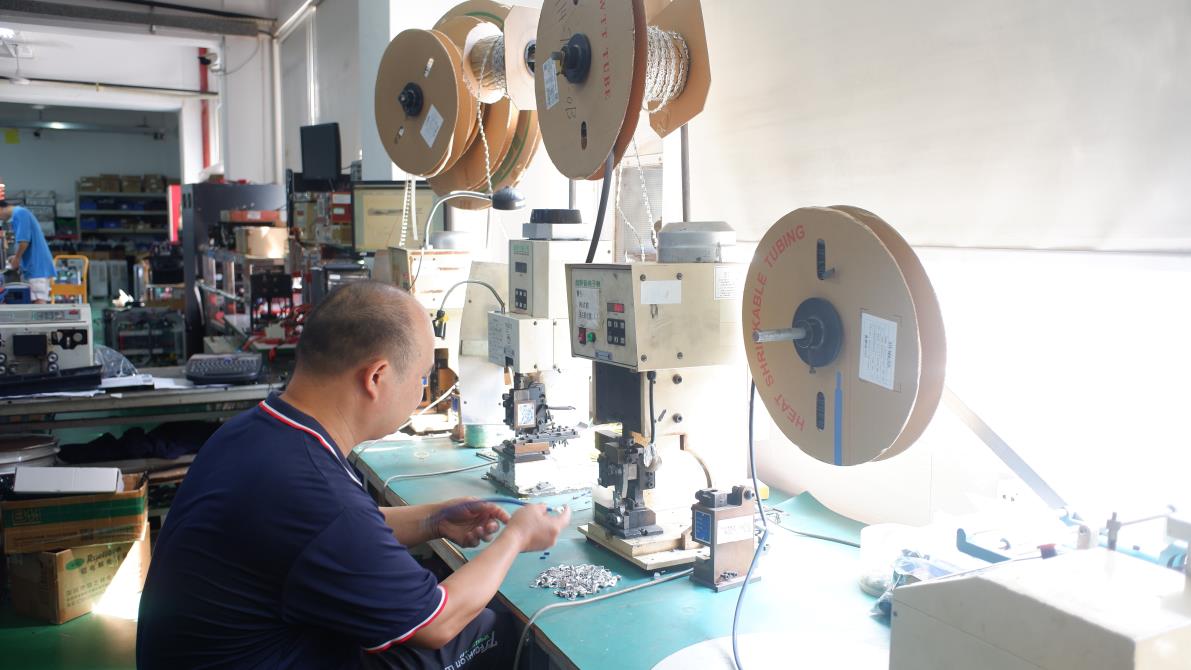
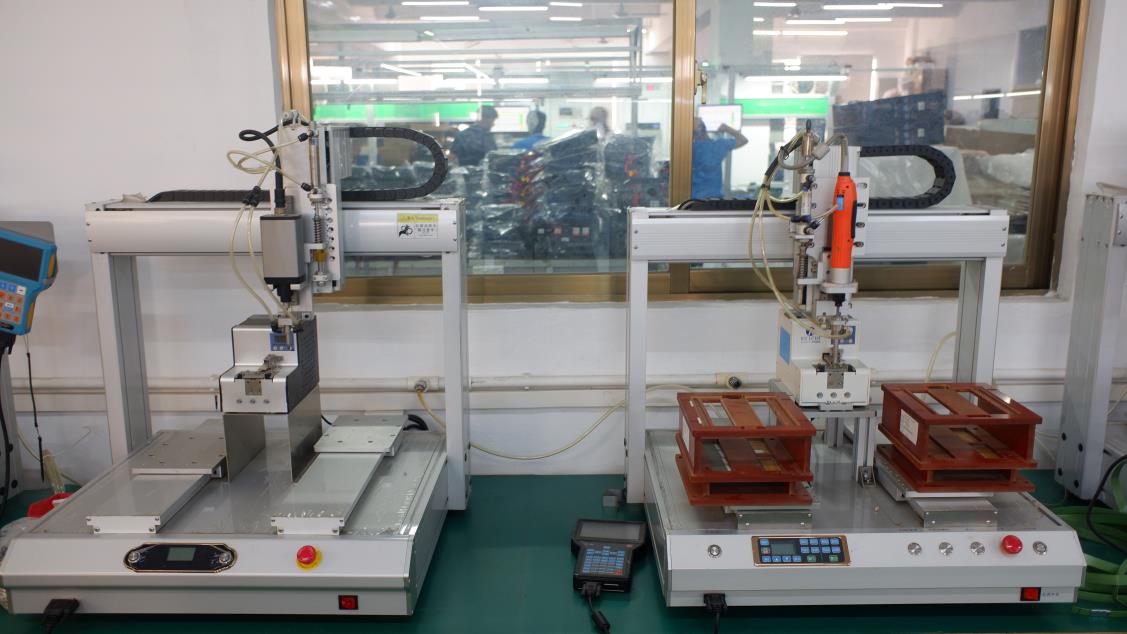
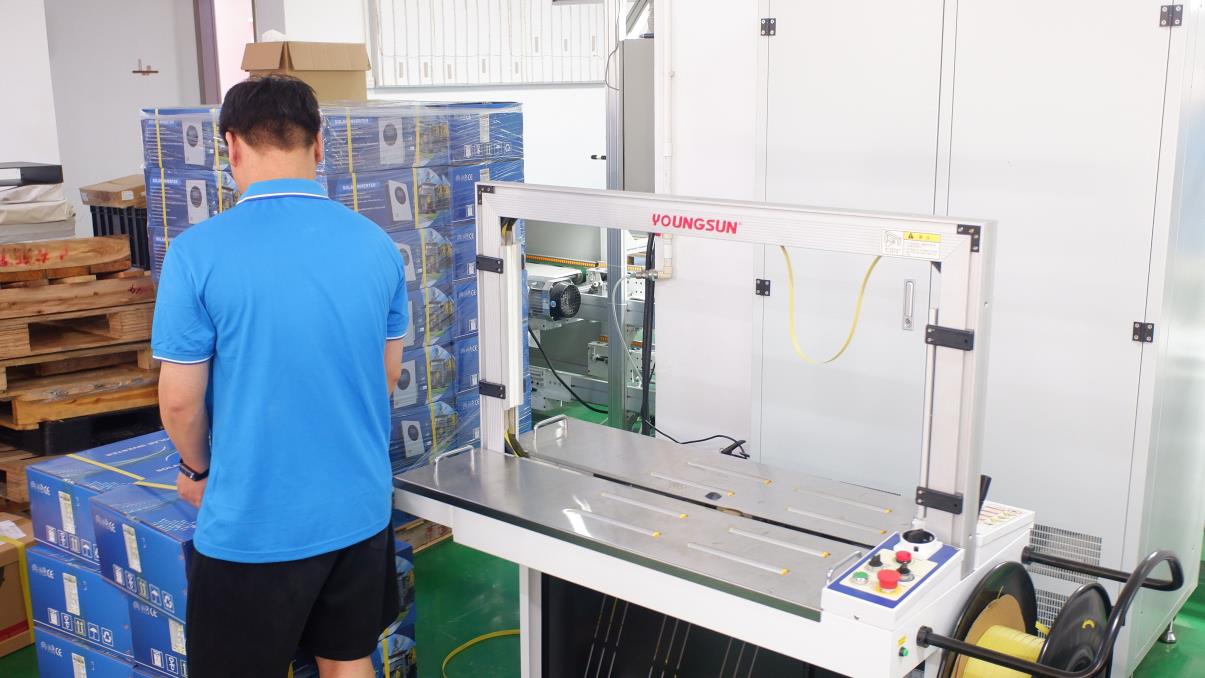
Deep-dive into our modern ISO9001 facility. Step-by-step production flow highlighting automated machinery, quality control checkpoints, and reliability verification.
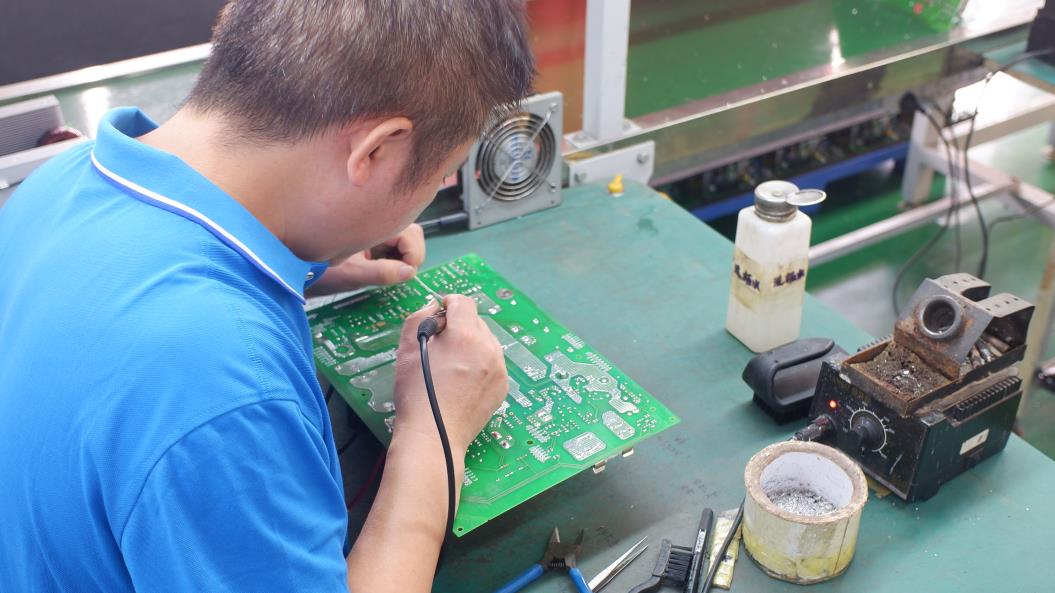
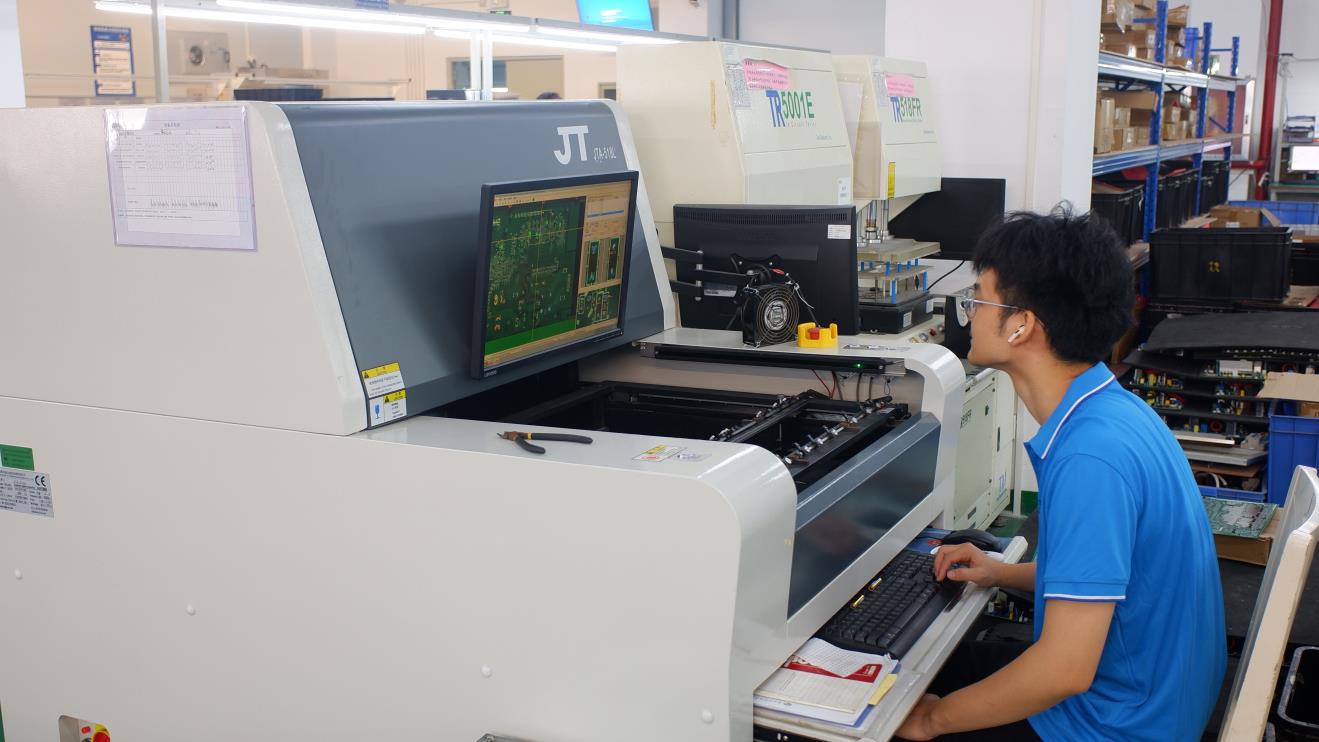
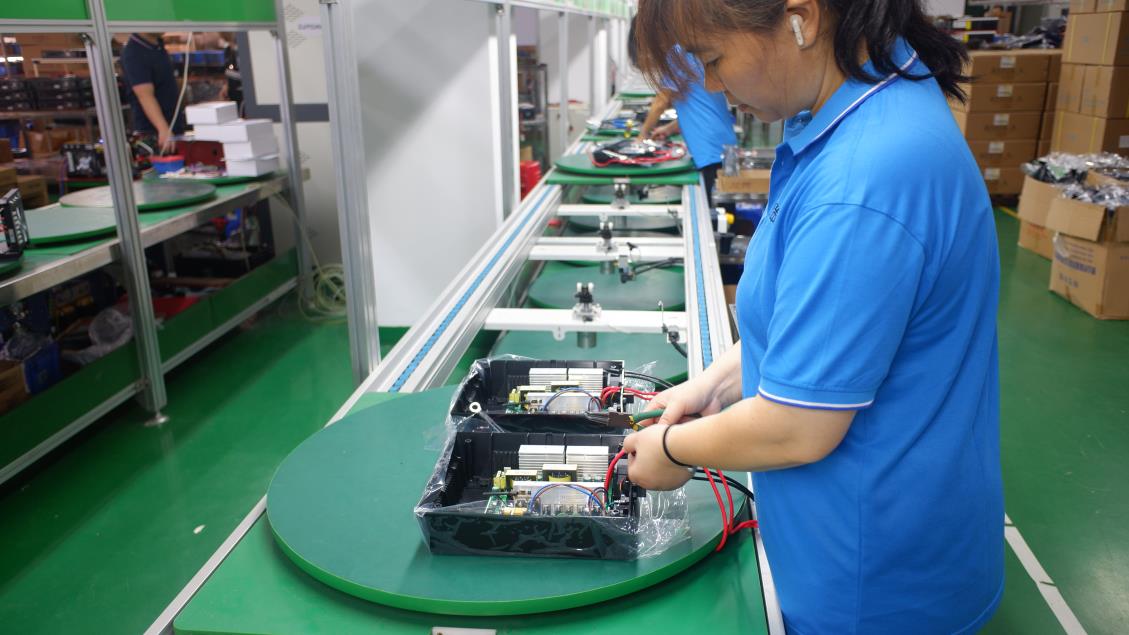
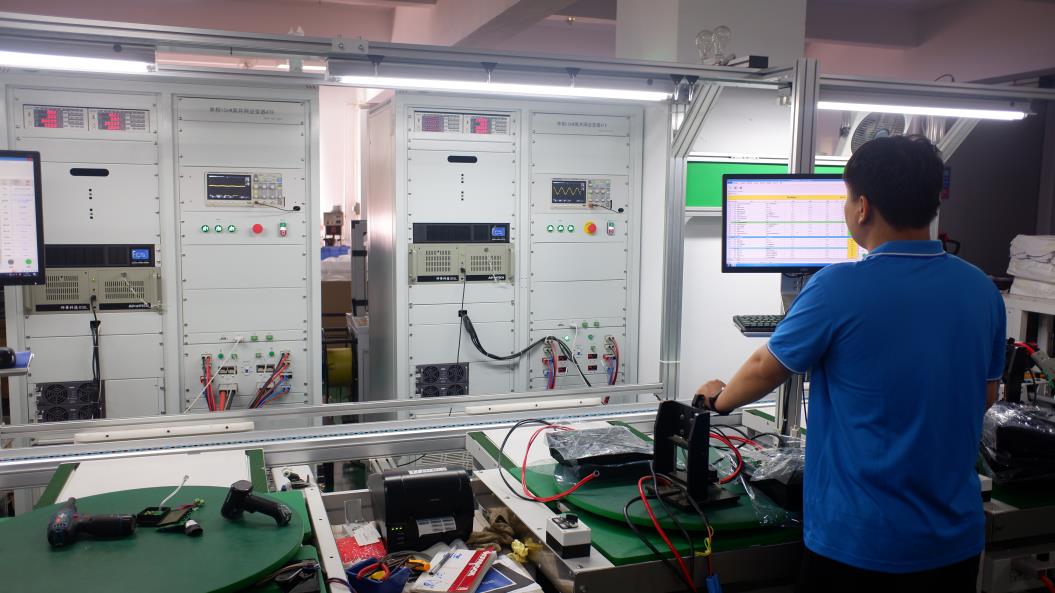
Where Yde Power is focusing its engineering capital to maintain industry leadership over the next decade.
We are researching solid-electrolyte interfaces to eliminate volatile liquid solvents inside high-voltage lithium cells, minimizing combustion factors under intense mechanical strain.
Our upcoming generation of residential hybrid inverters will fully support Vehicle-to-Grid (V2G) standard pathways, letting users deploy their EV batteries as supplementary home energy storage arrays.
Our intelligent cloud platform integrates software APIs to allow massive microgrids to pool resources, participating in load balancing for local utility distribution schemes.
Navigating global electrical and safety standards for frictionless border transit and project validation.
To safely scale installations, systems must hold specific local compliance certificates. Without these, import brokers and electrical inspectors face liabilities. At Yde Power, we guarantee conformity through rigorous third-party auditing:
Failing to procure fully certified hardware causes grid rejection, code enforcement delays, and denied insurance policies. Our engineering department supports B2B procurement partners by providing full certificate folders, technical declaration documents, and local compliance records during the import planning phase.
Providing direct, data-backed answers to the most common questions raised by system engineers and solar procurement officers.
LFP chemistry features structural oxygen bonds that resist thermal runaway up to temperatures near 600°C, compared to NCM which can experience runaway at ~200°C. Furthermore, LFP offers a significantly longer cycle life (exceeding 6000 cycles at 80% Depth of Discharge) than NCM (typically ~1500 to 2000 cycles), ensuring a much lower total cost of ownership over a 10-year system span.
Low-voltage setups operate at nominal levels of 48V–51.2V, which are simple to design but require thick cables and suffer from copper transmission losses. High-voltage setups connect modules in series to operate at 200V–600V DC. This lowers currents, improves overall inverter conversion efficiency, and allows for clean, thin cabling.
Key requirements include CE certification for low voltage directive (LVD) and electromagnetic compatibility (EMC), RoHS compliance, UN38.3 for transport safety, and IEC 62619 certification for safety. Additionally, the integrated hybrid inverter must comply with grid-connection standards such as VDE-AR-N 4105 in Germany or EN 50549 for general European grid integration.
Liquid cooling provides superior heat transfer capabilities compared to air cooling, keeping internal battery cell temperatures balanced within a ±3°C range. By maintaining thermal consistency, it slows cell degradation, improves safety, and prevents localized hot spots that can cause thermal runaway in dense enclosures.
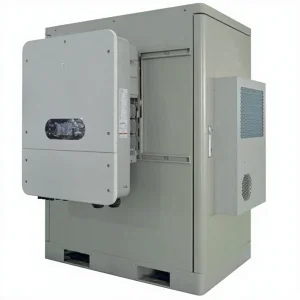
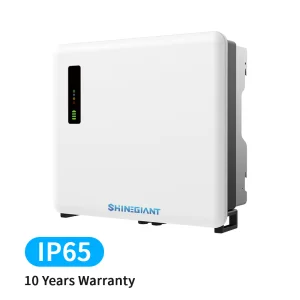
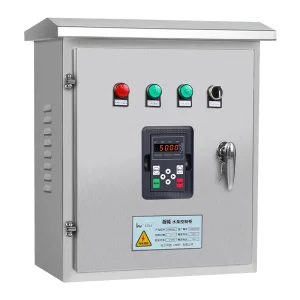
Complementary hardware solutions designed for industrial integration, water infrastructure, and agricultural power systems.
 Yde Power