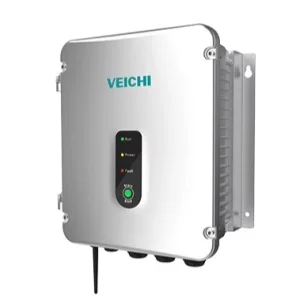
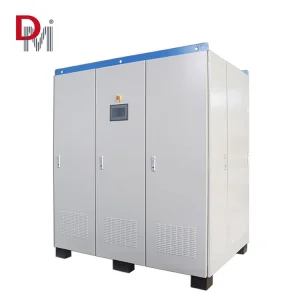
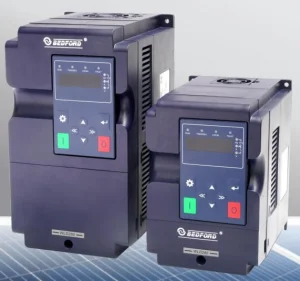
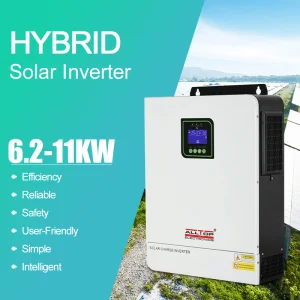
Explore our leading three-phase hybrid and off-grid solutions engineered for high performance, dynamic load management, and universal compliance across international grid standards.
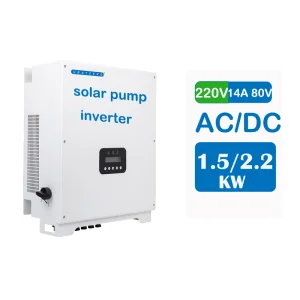
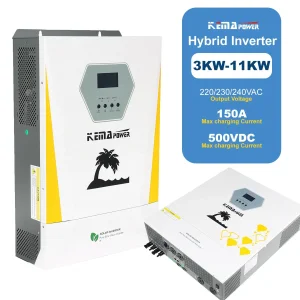
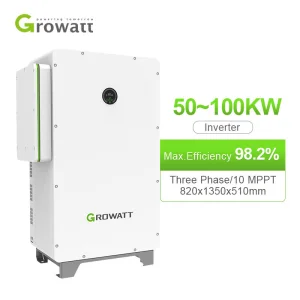
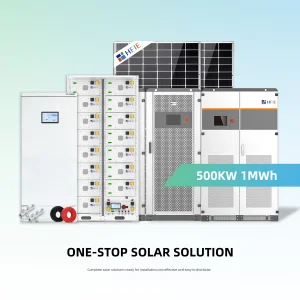
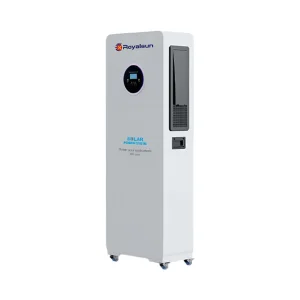
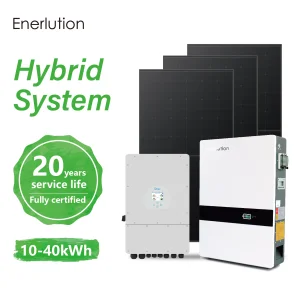
The global transition toward decentralized clean energy infrastructure has accelerated the development of grid-forming interfaces. Central to this paradigm shift is the Three Phase Hybrid Inverter. Acting as the system's brain, it orchestrates bi-directional power flows among photovoltaic (PV) arrays, battery energy storage systems (BESS), utility grids, and localized commercial or residential loads. By converting direct current (DC) into balanced three-phase alternating current (AC), these units manage complex energy schedules, shave peak utility demands, and supply continuous fallback power during localized grid events.
"In commercial and industrial frameworks, as well as complex modern residential microgrids, the reliance on stable multi-phase power delivery highlights the critical importance of selecting Tier-1 wholesale manufacturing partners with proven E-E-A-T credentials."
Unlike single-phase configurations, three-phase systems inherently minimize current imbalances and manage dynamic thermal dissipation across critical power transistors (like IGBTs or SiC MOSFET modules). Modern architectures leverage advanced Maximum Power Point Tracking (MPPT) algorithms to optimize energy capture across uneven PV roof orientations. By decoupling output current from standard single-rail constraints, three-phase hybrid systems distribute electrical stress evenly across L1, L2, and L3 conductors. This prevents grid-point phase shifting and ensures compliance with strict local distribution codes, including IEEE 1547 and EN 50549.
Maximizes solar harvesting under partial shade or mismatched string configurations, boosting system efficiency by up to 98.7%.
Seamless integration with high-voltage (HV) LiFePO4 batteries, reducing copper losses and optimizing charge/discharge loops.
Maintains critical voltage and frequency thresholds independently during grid failures, supporting black-start scenarios.
Global energy developers, Engineering, Procurement, and Construction (EPC) firms, and industrial distributors face dynamic compliance landscapes. Modern procurement strategies prioritize hardware reliability, long-term technical support, and structural adaptability. Buyers no longer search for simple conversion equipment. Instead, they seek complete power centers capable of interfacing with virtual power plants (VPPs) via Modbus RTU, TCP/IP, or CAN communication interfaces.
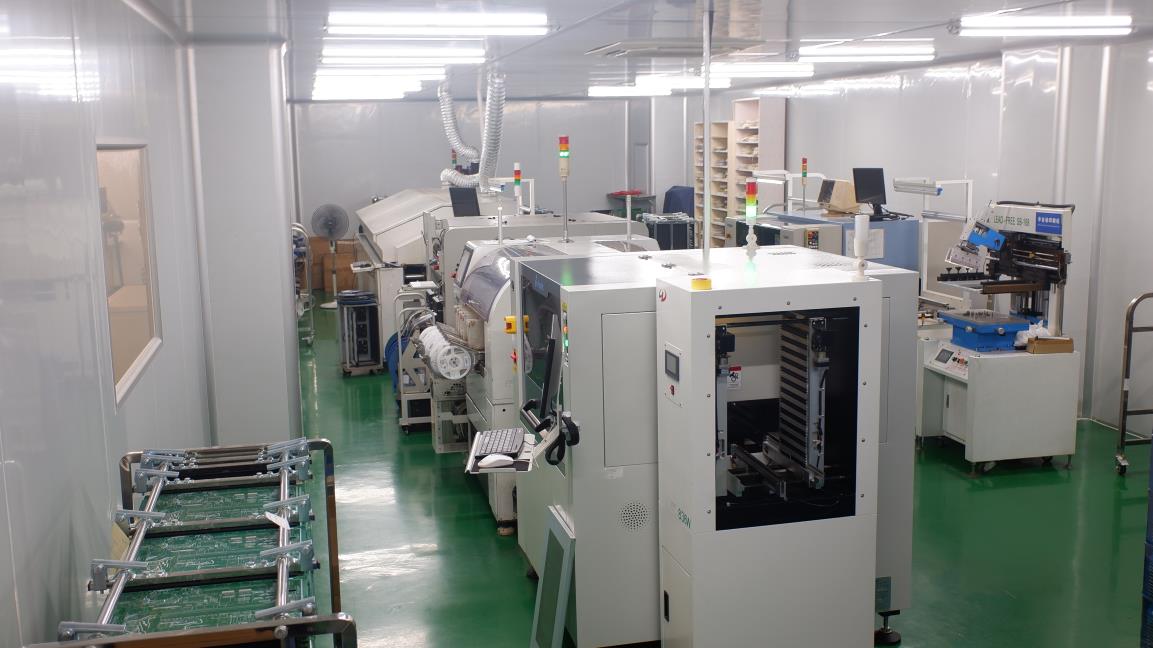
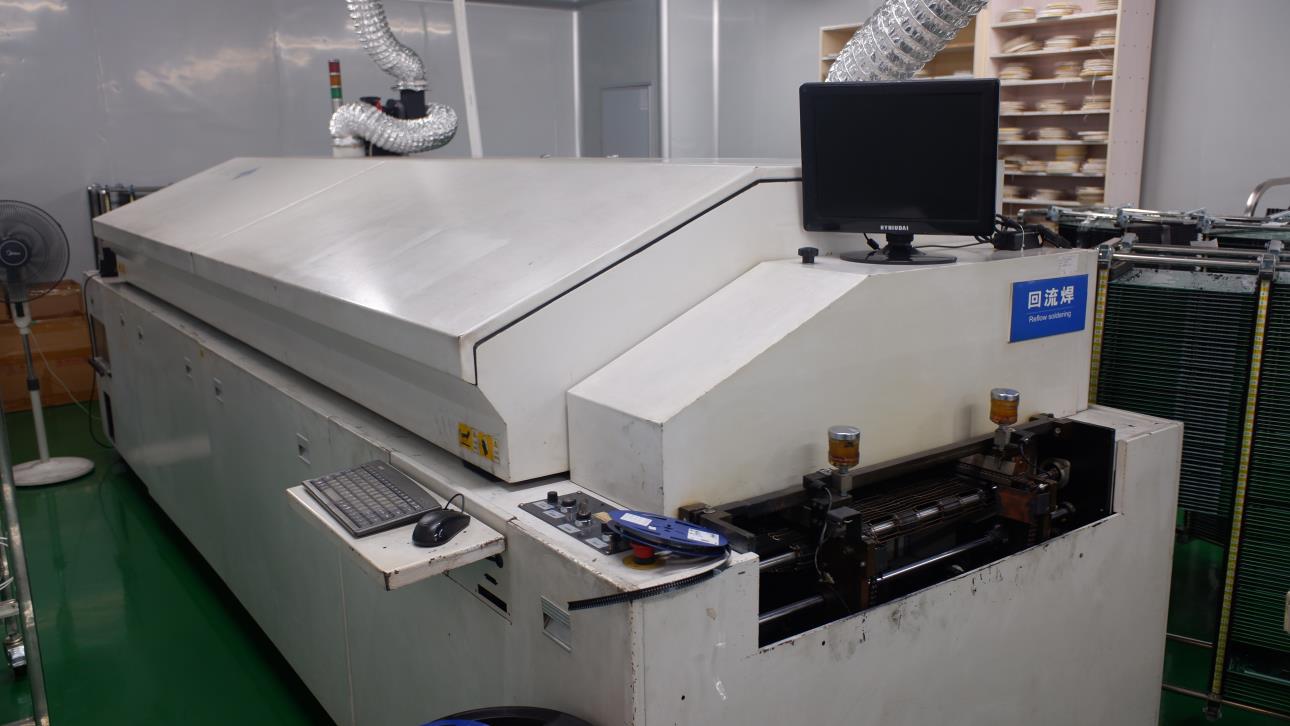
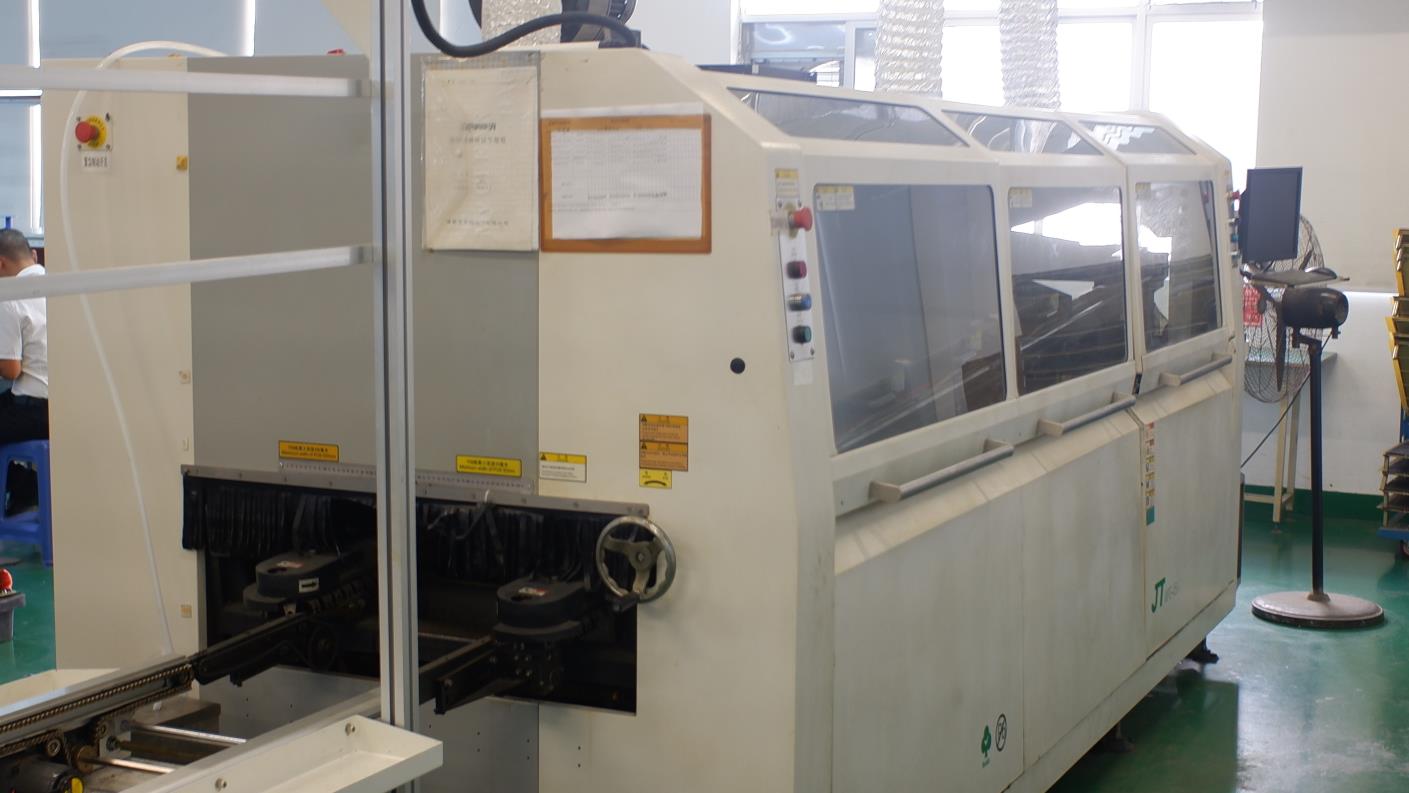
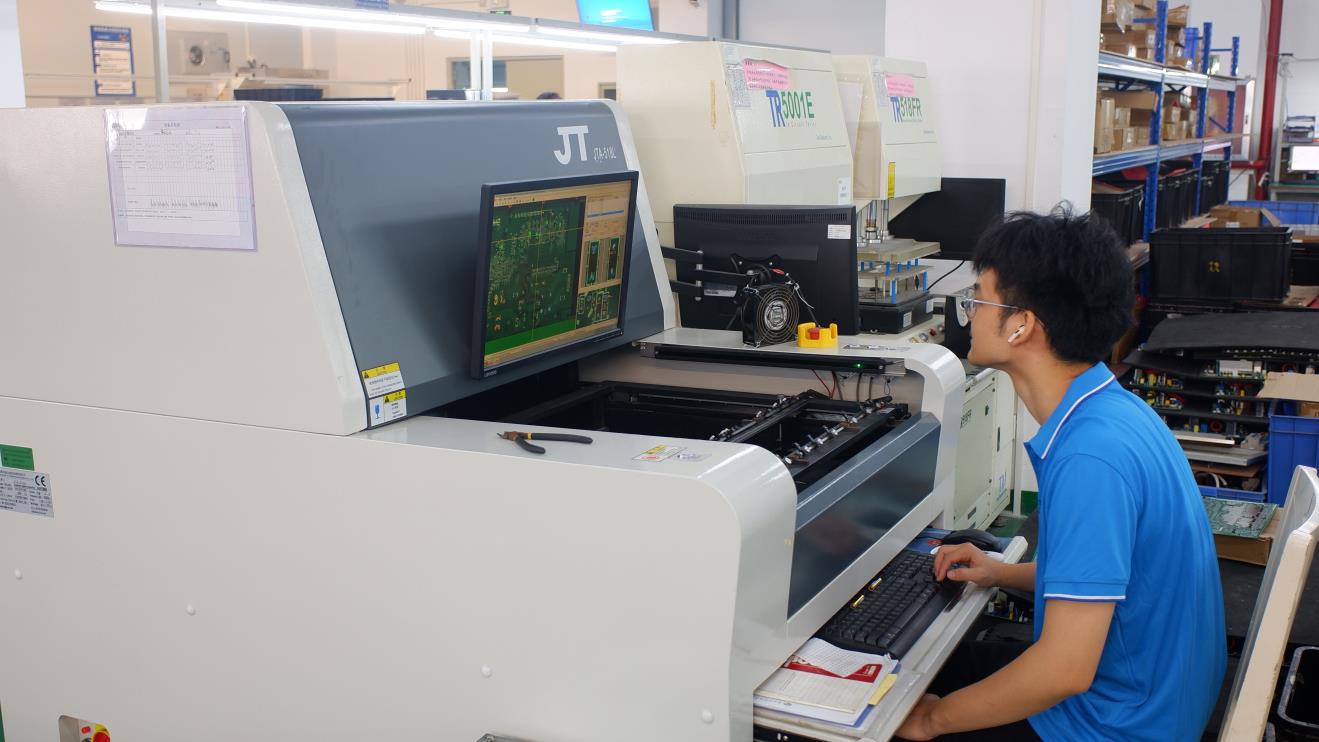
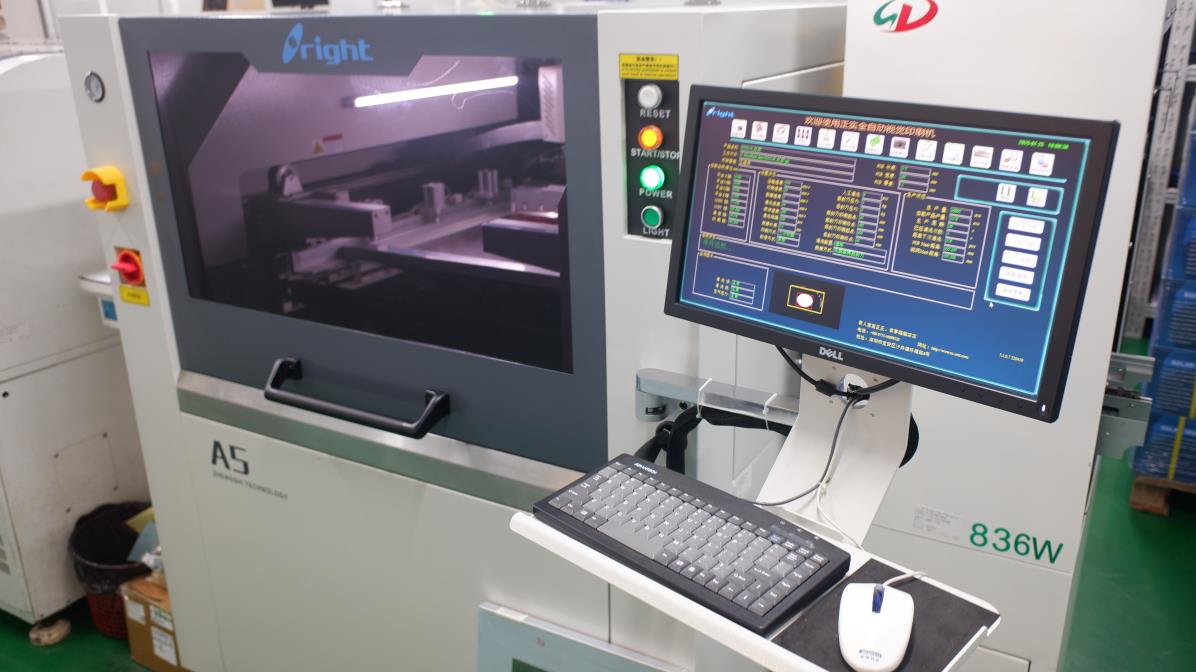
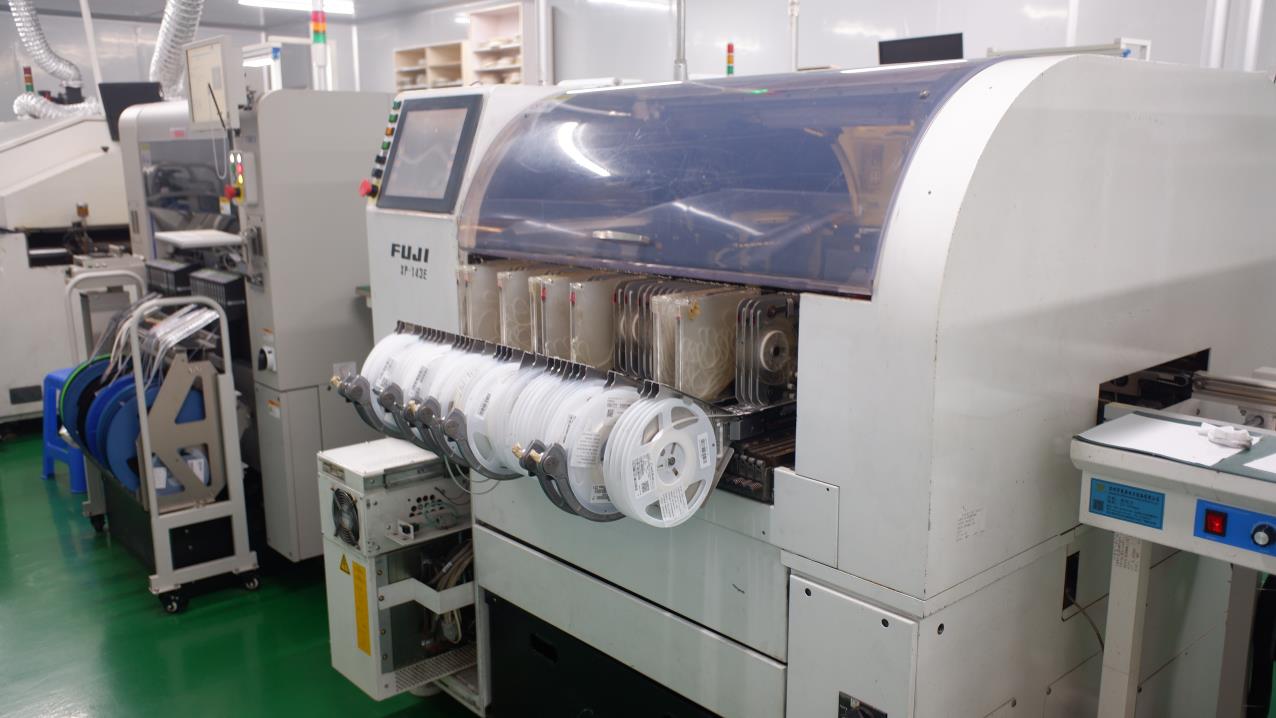
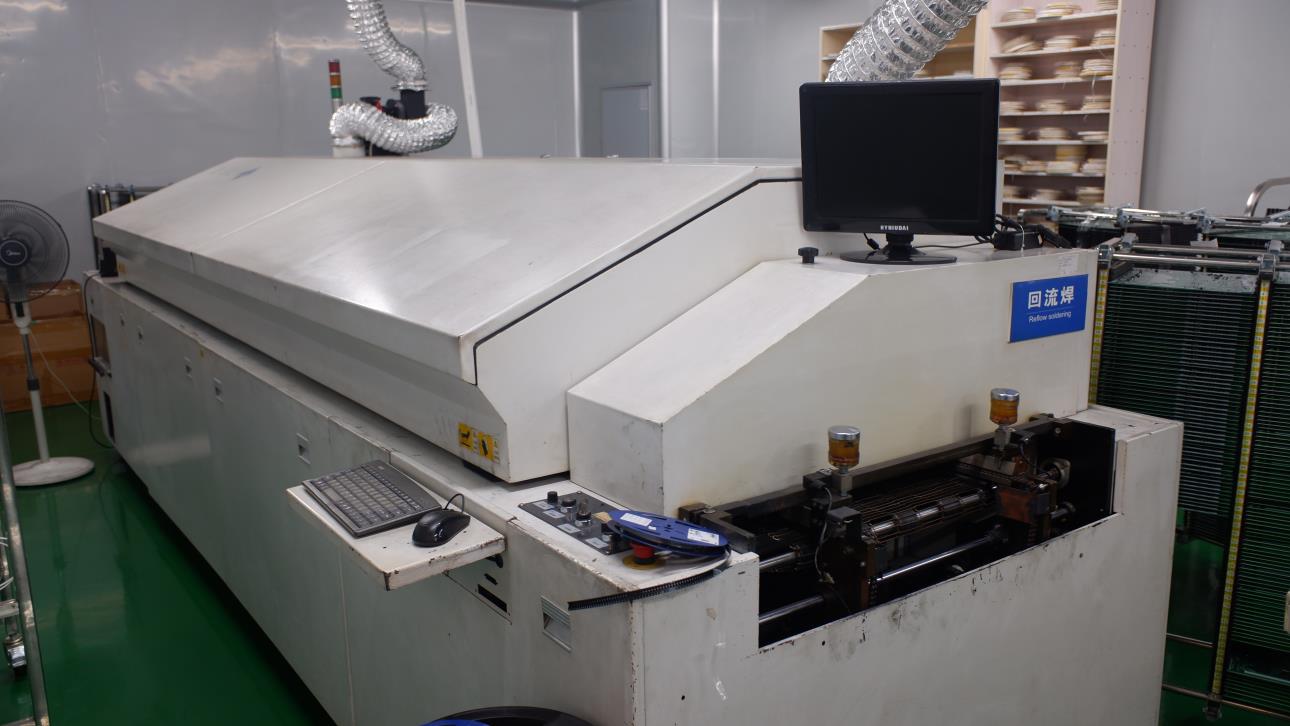
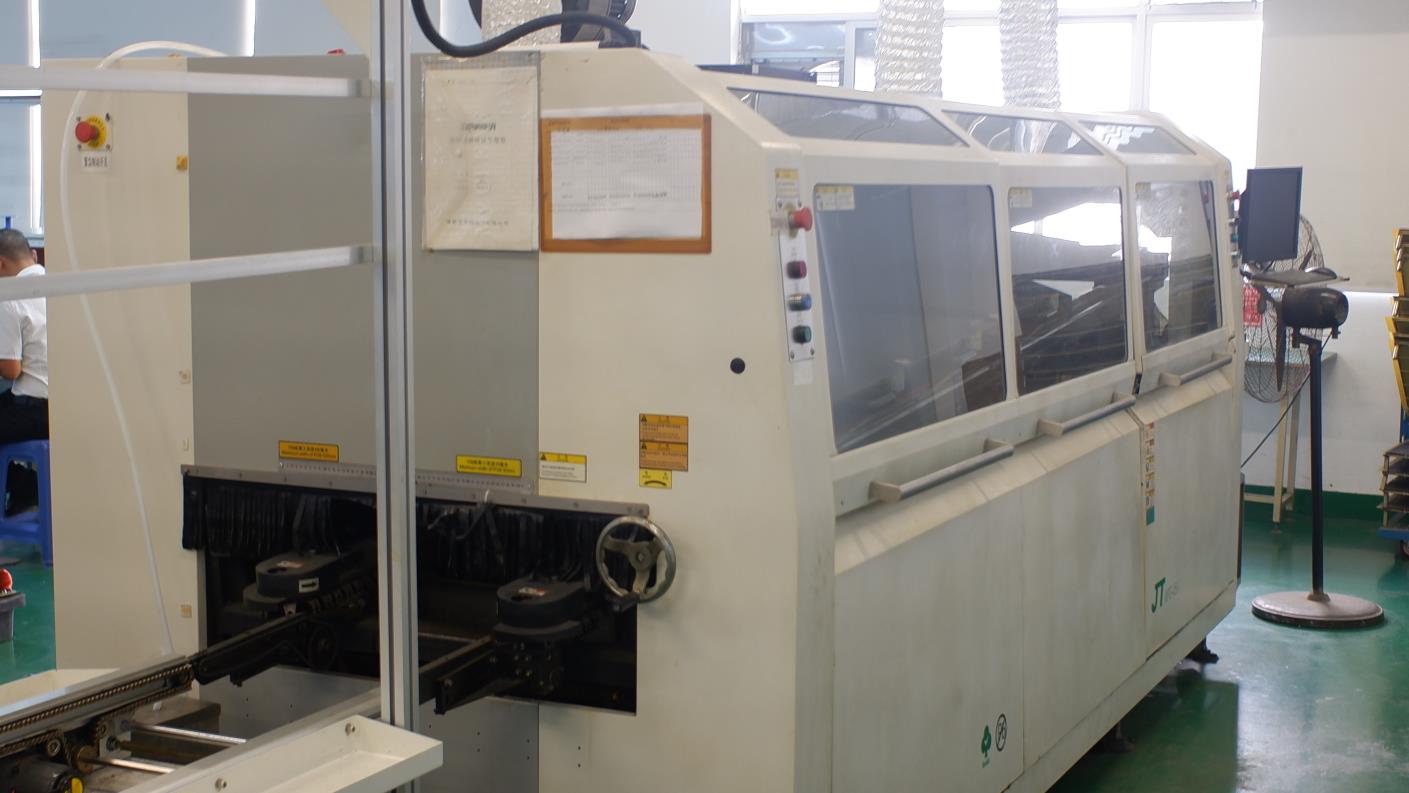
China's manufacturing sector has evolved from a scale-focused model into a high-precision, digitalized Industry 4.0 ecosystem. Advanced facilities integrate automated SMT (Surface Mount Technology), automated optical inspection (AOI), and continuous thermal cycling test systems. This vertical integration allows factories to balance components like gate drivers, microcontrollers, magnetic inductors, and chassis designs under one roof.
By concentrating raw-material pipelines, semiconductor assembly, and battery management system (BMS) production in regional tech hubs like Shenzhen and Jiangxi, Chinese suppliers minimize lead times. They can deliver custom OEM/ODM solutions in weeks, whereas other regions may require months.
Supply Chain Security Note: Redundant sourcing of power semiconductors, microcontrollers, and copper coils ensures that Chinese manufacturers maintain stable production runs despite global logistical challenges or component shortages.
Shenzhen Yde Power Co., Ltd. is a professional manufacturer specializing in residential, commercial, and industrial energy storage systems (ESS). Headquartered in Shenzhen, China, the company integrates research and development, production, sales, and service to deliver comprehensive clean energy solutions to global markets.
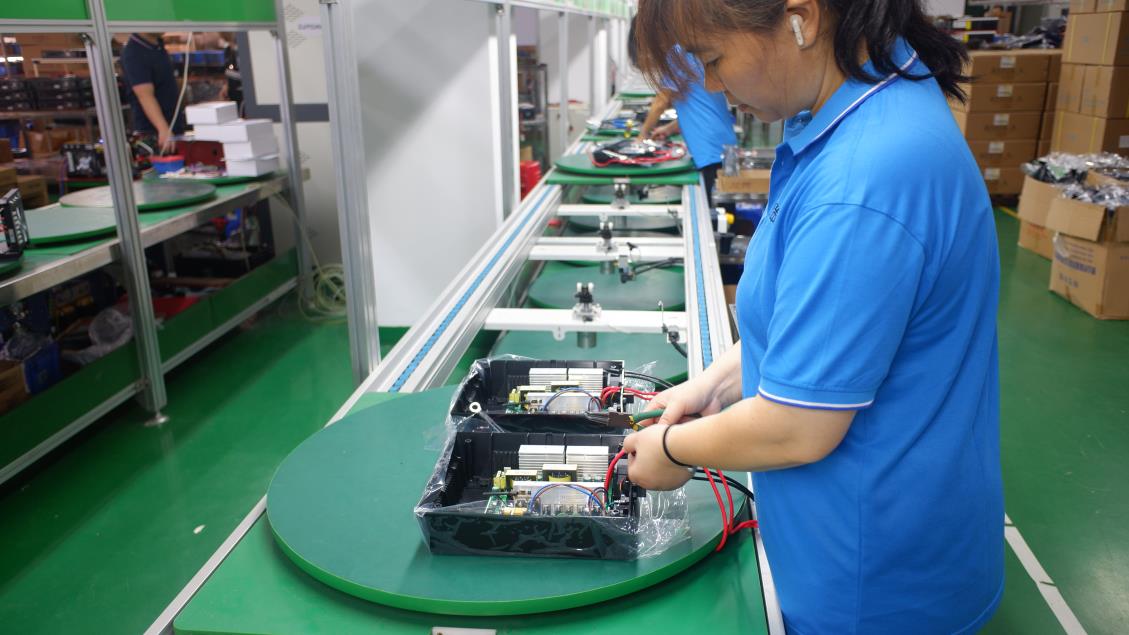
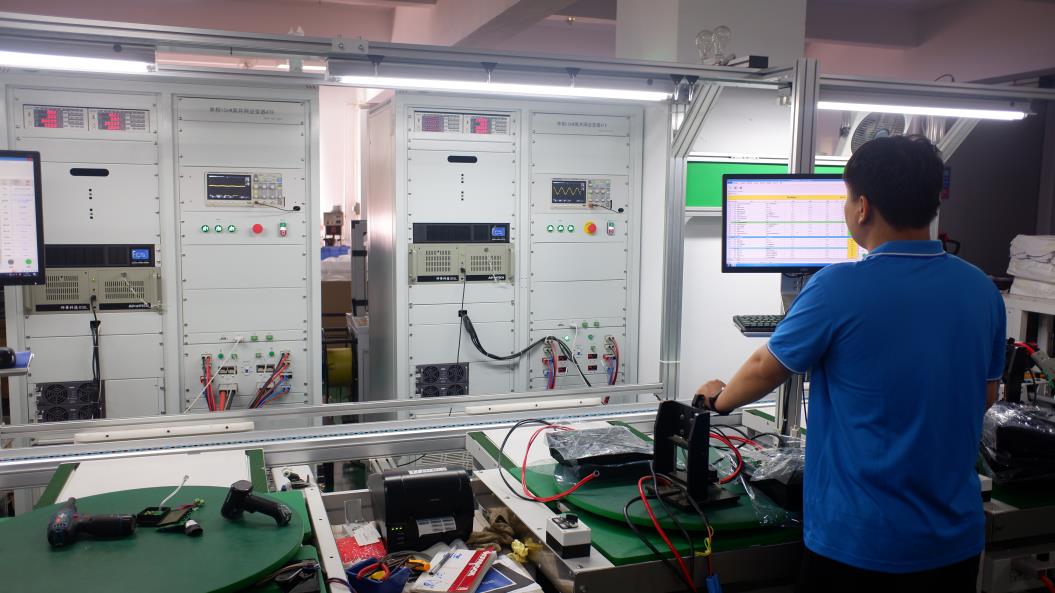
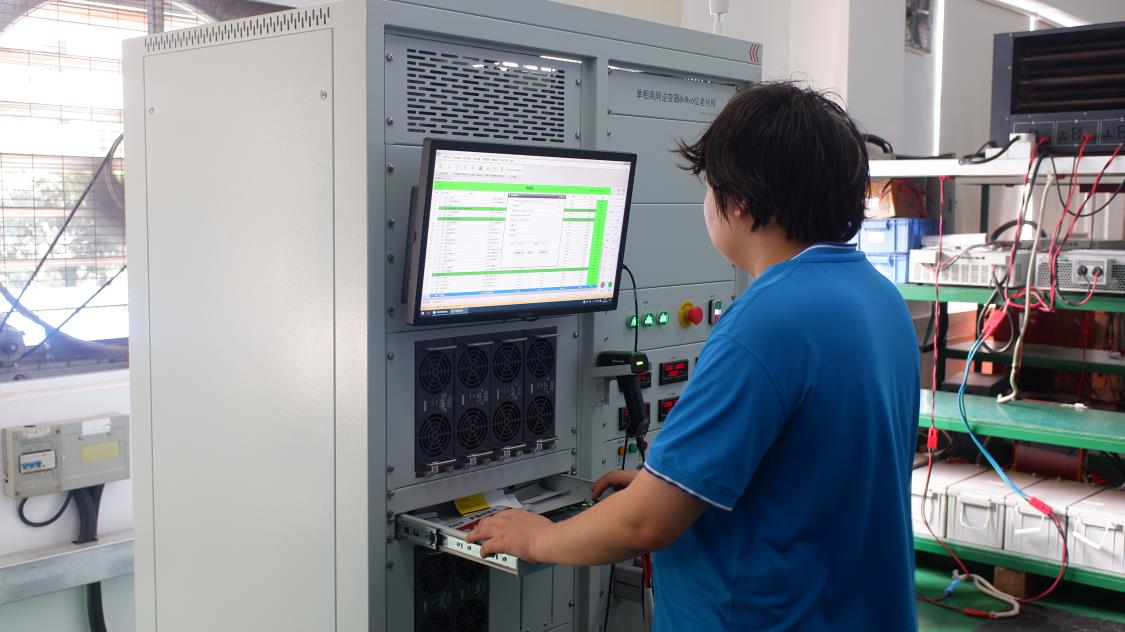
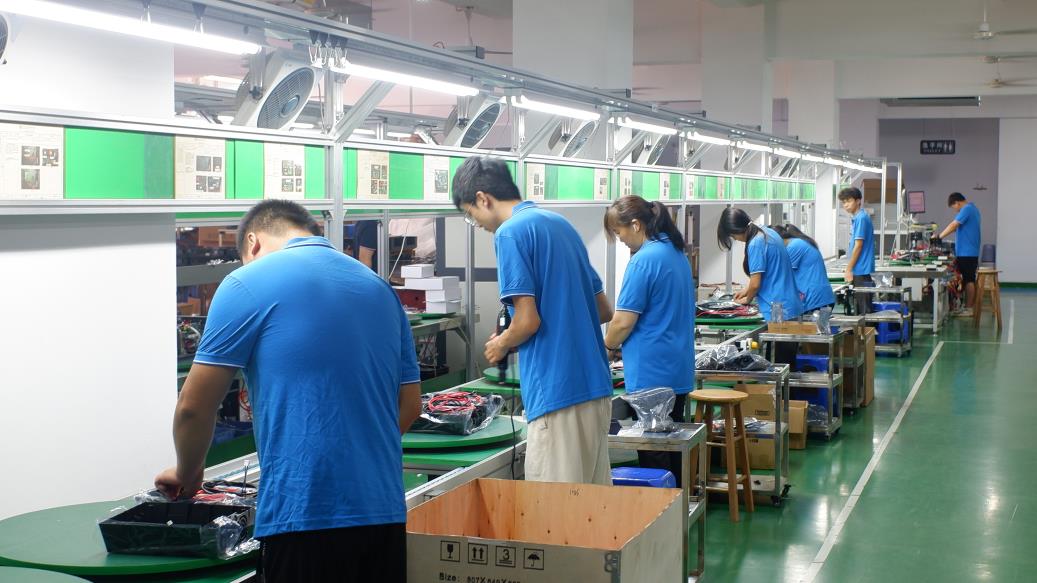
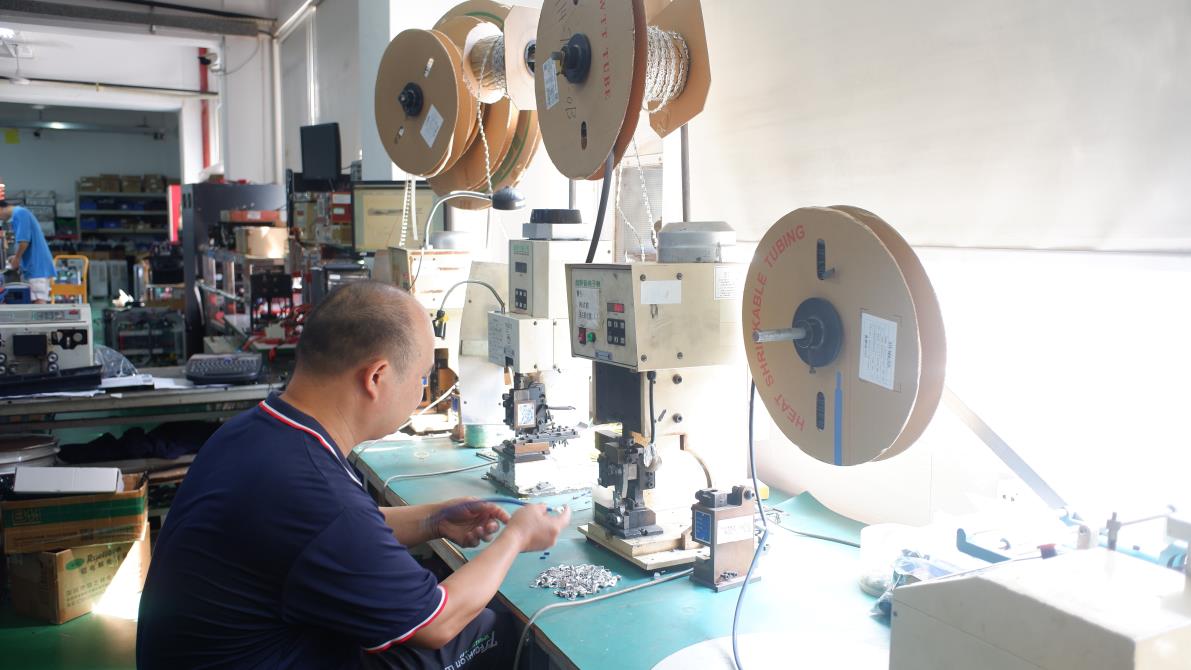
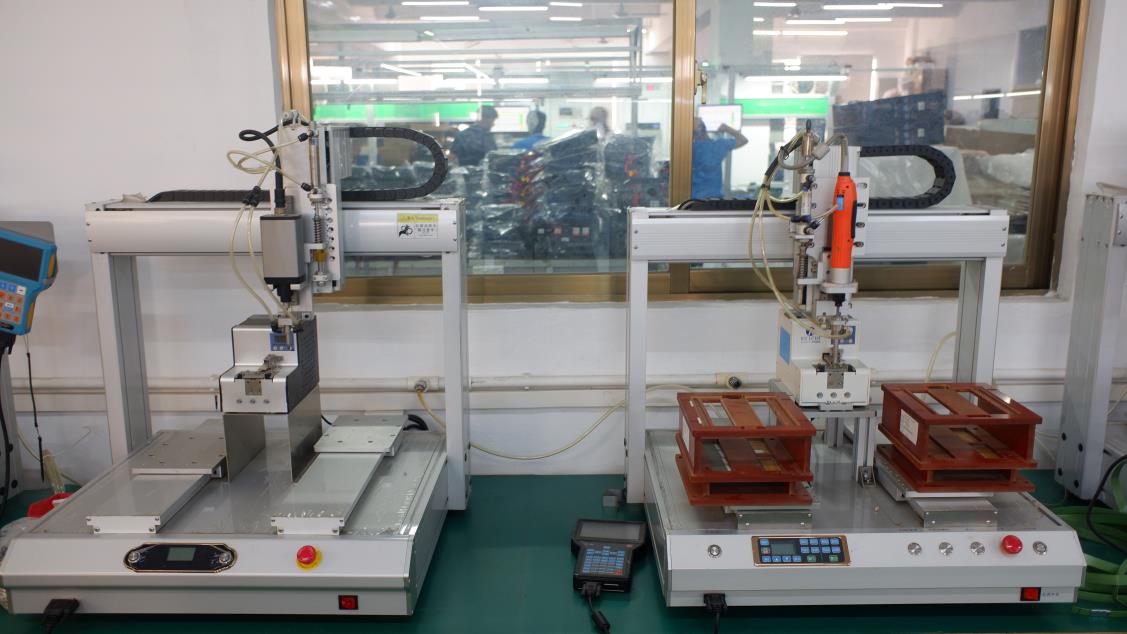
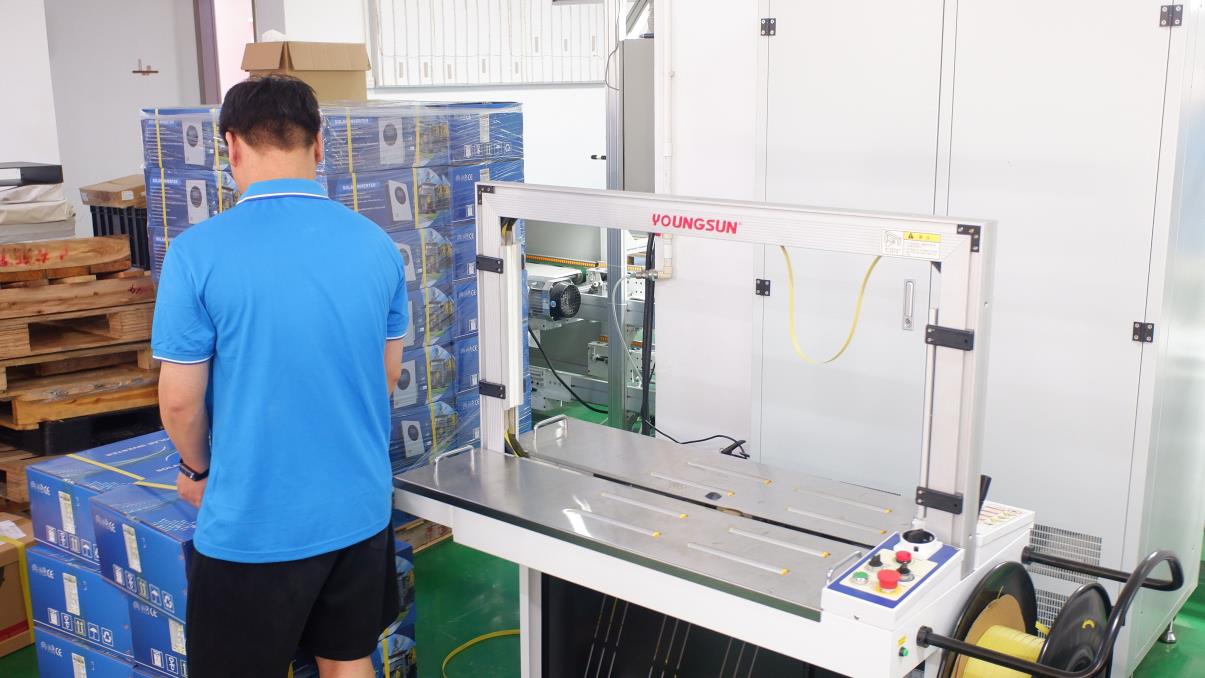
In addition to its headquarters in Shenzhen, Yde Power operates a modern ISO9001-certified manufacturing facility in Jiangxi Province. Equipped with advanced automated production lines and stringent quality control systems, this facility supports a dedicated R&D center in Shenzhen that focuses on continuous innovation in battery management systems (BMS), system integration, and intelligent energy optimization technologies.
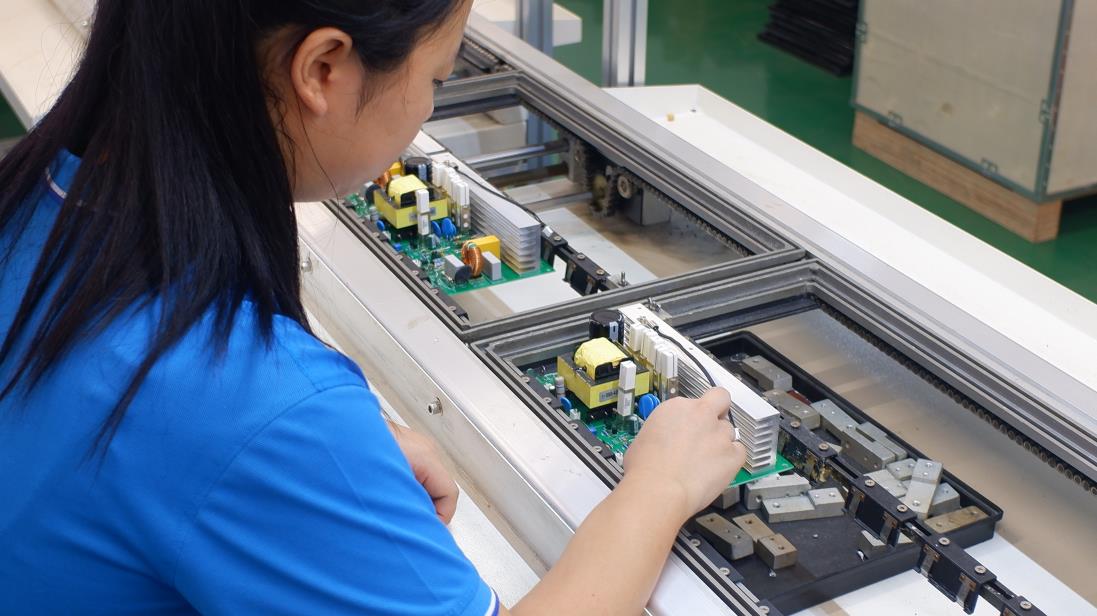
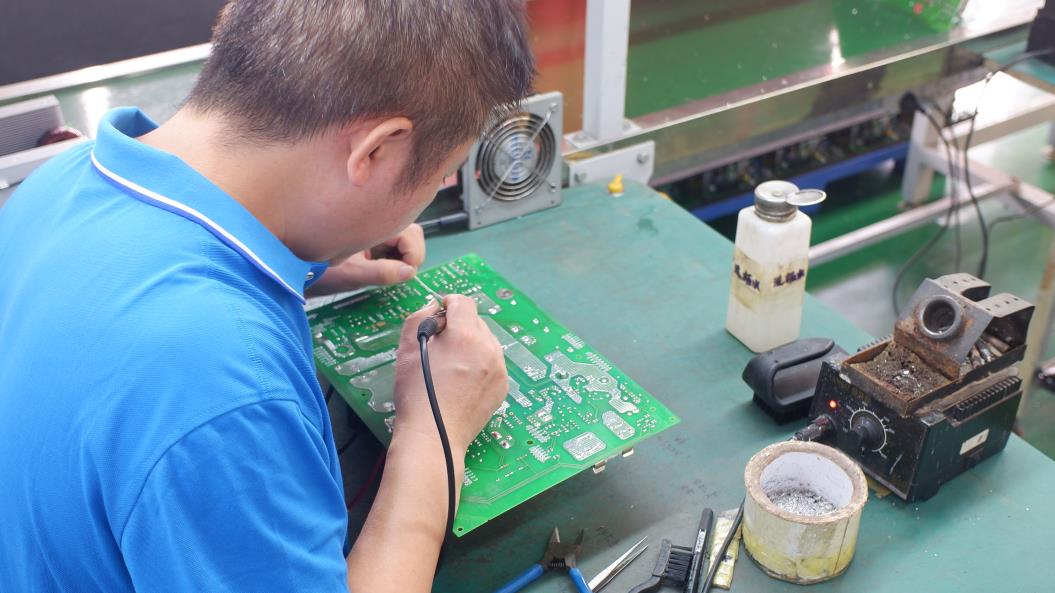
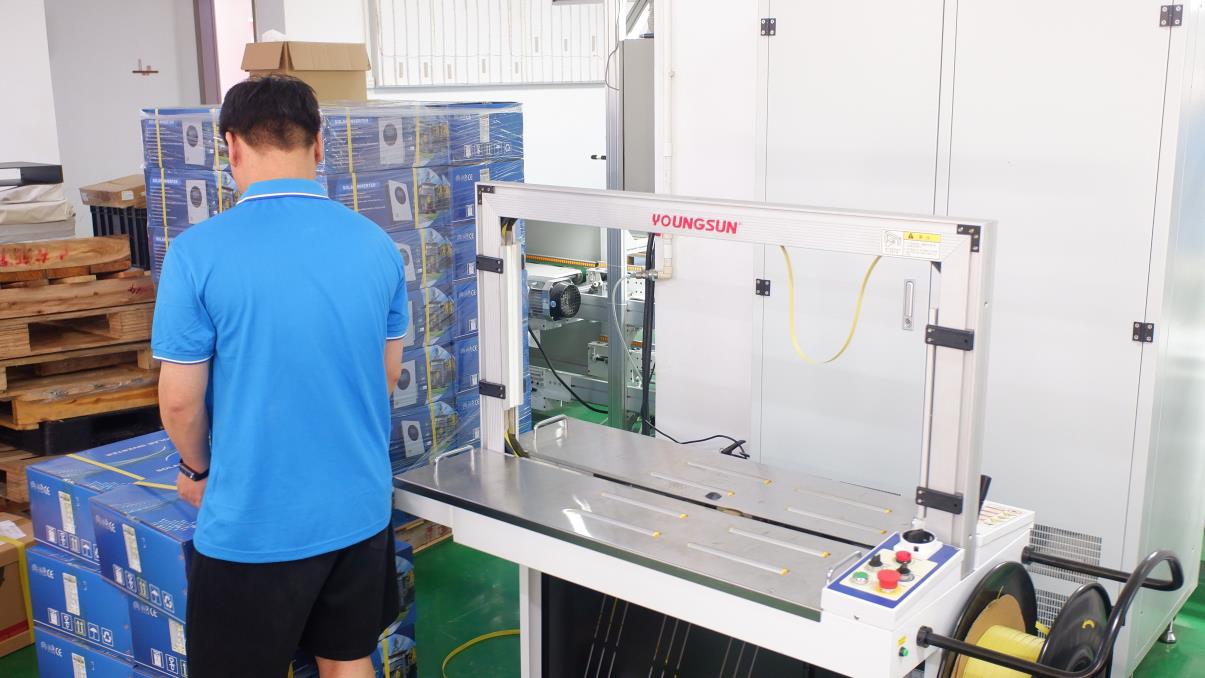
Below is our step-by-step production flow and advanced machinery lineup, ensuring high reliability, mechanical stability, and thermal resilience for every three-phase hybrid inverter we build:
Three-phase hybrid inverters adapt to diverse applications across various operational demands. We customize our systems to perform in these primary scenarios:
In countries with high capacity charges, peak shaving is a high-yield scenario. The three-phase hybrid inverter monitors consumption at the grid coupling point. When demand spikes, it draws energy from the battery bank rather than the grid, avoiding high peak demand charges.
Off-grid three-phase inverters run standard asynchronous water pumps without requiring auxiliary single-phase adapters. This direct three-phase conversion provides high startup torque for heavy-duty submersible pumps, offering a reliable, diesel-free irrigation alternative.
For cold storage facilities, data centers, and advanced manufacturing sites, brief outages can compromise inventory or disrupt production lines. Our three-phase hybrid inverters feature a 10ms transfer switch, switching to battery backup fast enough to prevent connected loads from rebooting.
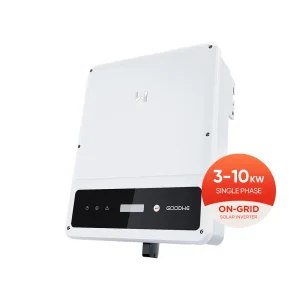
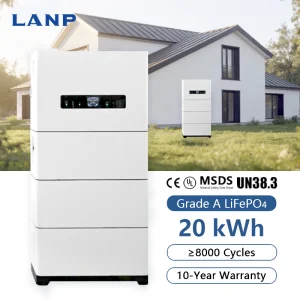
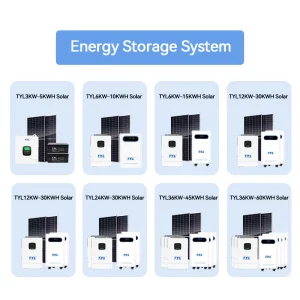
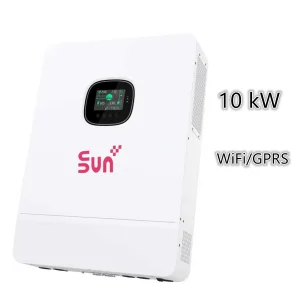
Browse our scalable lithium battery integrations, high-power residential systems, and multi-phase off-grid solutions built for modern clean-energy setups.
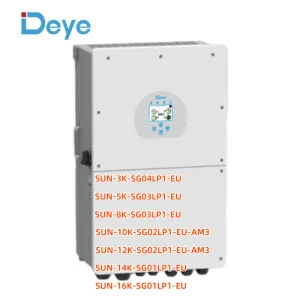
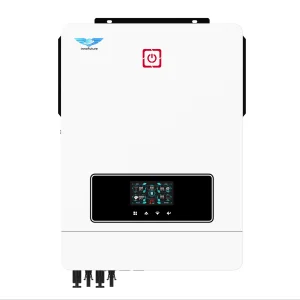
Our R&D engineering team provides answers to the most common queries from solar project developers and EPC professionals:
 Yde Power