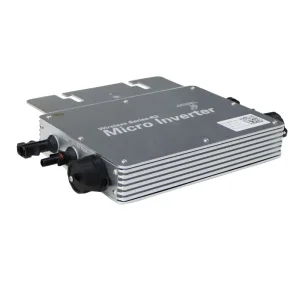
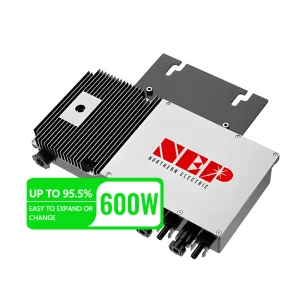
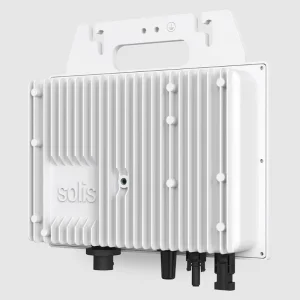
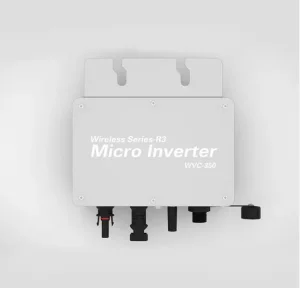
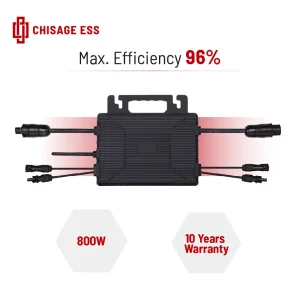
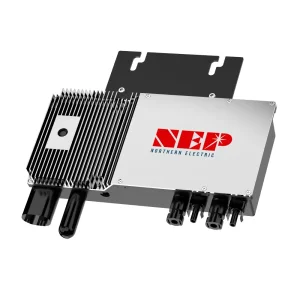
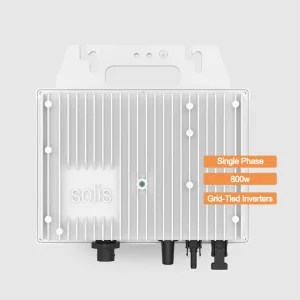
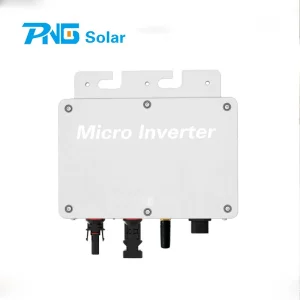
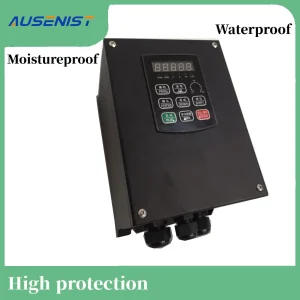
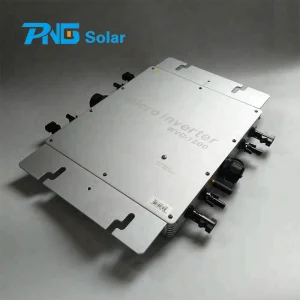
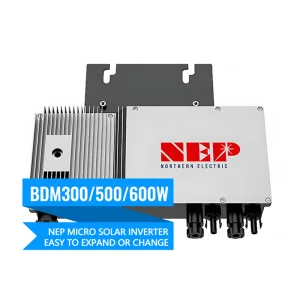
As one of Europe's most vital logistical hubs, the Free and Hanseatic City of Hamburg is at the forefront of Germany's Energiewende. With the passing of the Hamburg Solar Law (Hamburgisches Klimaschutzgesetz), solar installations have become mandatory for new constructions and significant roof renovations. This regulatory landscape has catalyzed a surge in demand for high-efficiency Grid-Tied Micro Inverters, which offer superior performance in Hamburg’s unique urban and maritime environment.
From the industrial rooftops of the Port of Hamburg to the residential "Balkonkraftwerke" in Altona and Eimsbüttel, micro-inverter technology is preferred due to its ability to handle partial shading and complex roof orientations. Unlike traditional string inverters, our micro-inverters ensure that each panel operates at its Maximum Power Point (MPPT), a critical factor given Northern Germany's variable cloud cover and maritime weather patterns.
Global industrial trends are shifting toward decentralized energy resources (DERs). In Hamburg, this is manifesting in massive PV integration within the logistics sector, where warehouses use micro-inverters to mitigate fire risks and simplify maintenance. As a leading Micro Inverter Factory & Exporter, we provide the hardware foundation for these large-scale transformations, ensuring each unit meets the stringent VDE-AR-N 4105 standards required for German grid connection.
Shenzhen Yde Power Co., Ltd. is a professional manufacturer specializing in residential, commercial, and industrial energy storage systems (ESS). Headquartered in Shenzhen, China, the company integrates research and development, production, sales, and service to deliver comprehensive clean energy solutions to global markets.
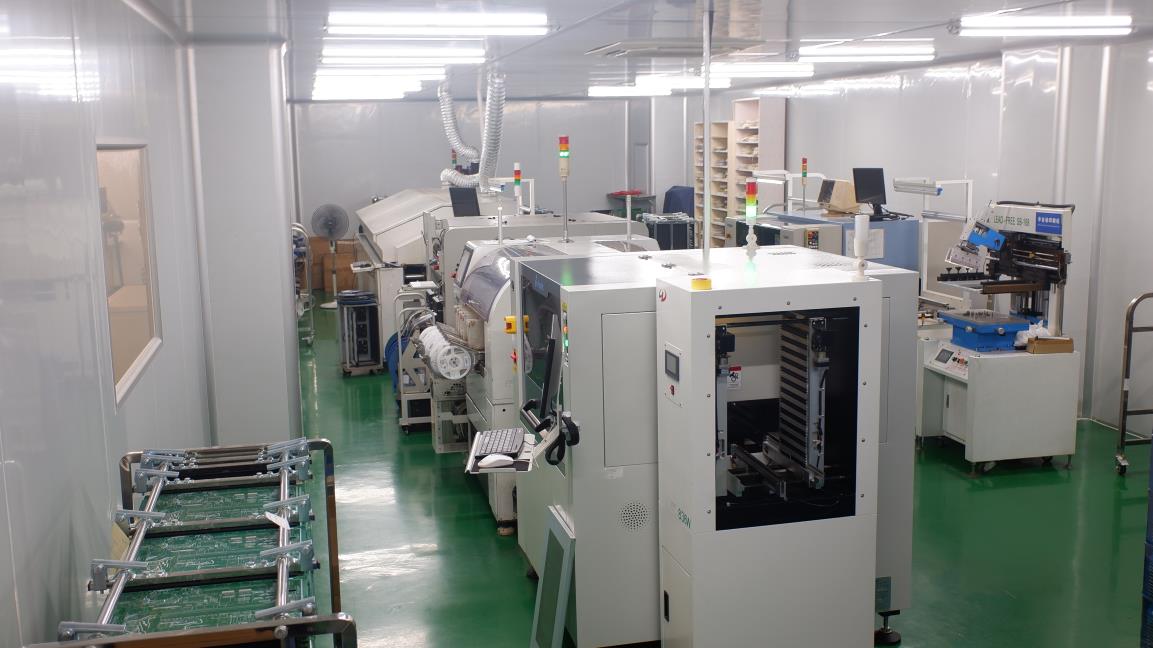
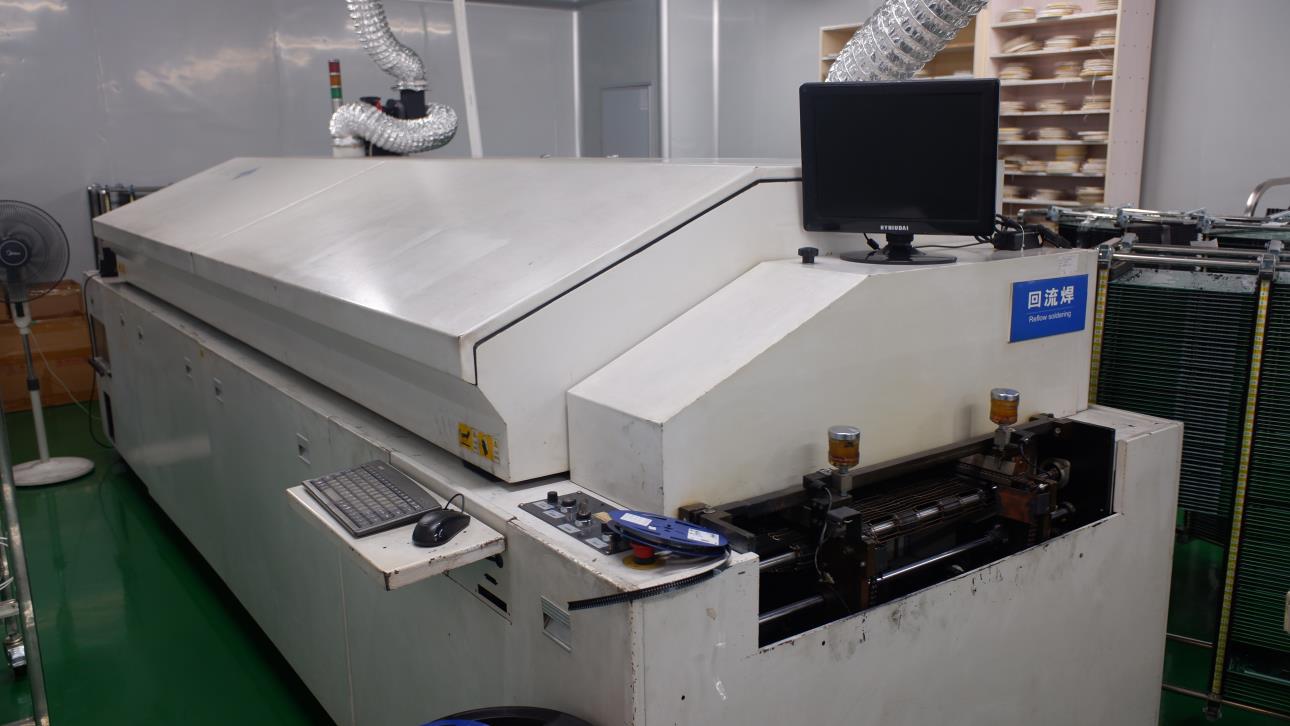
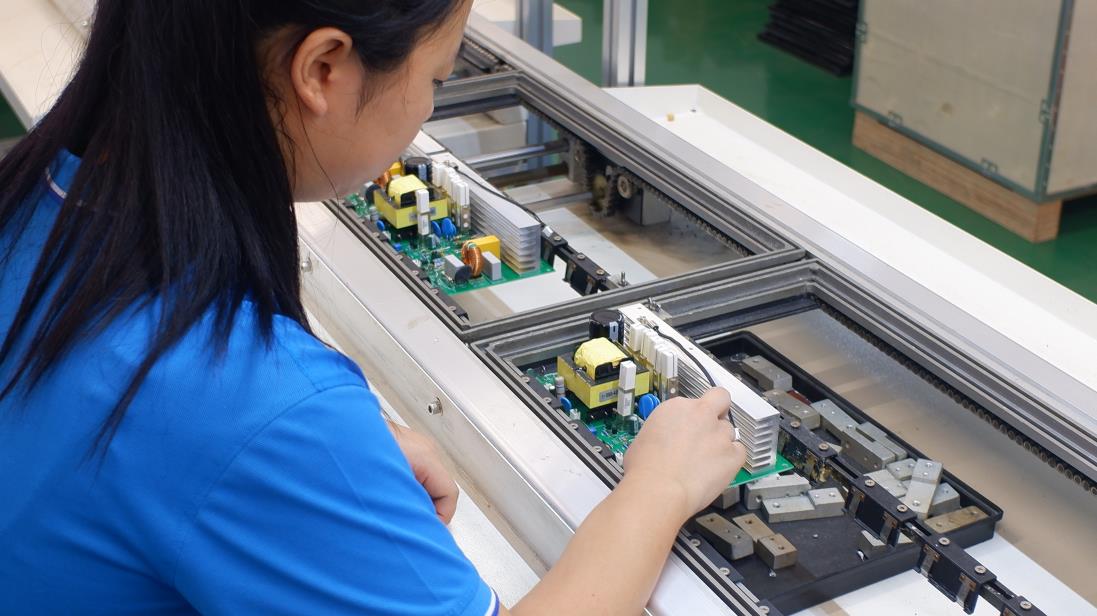
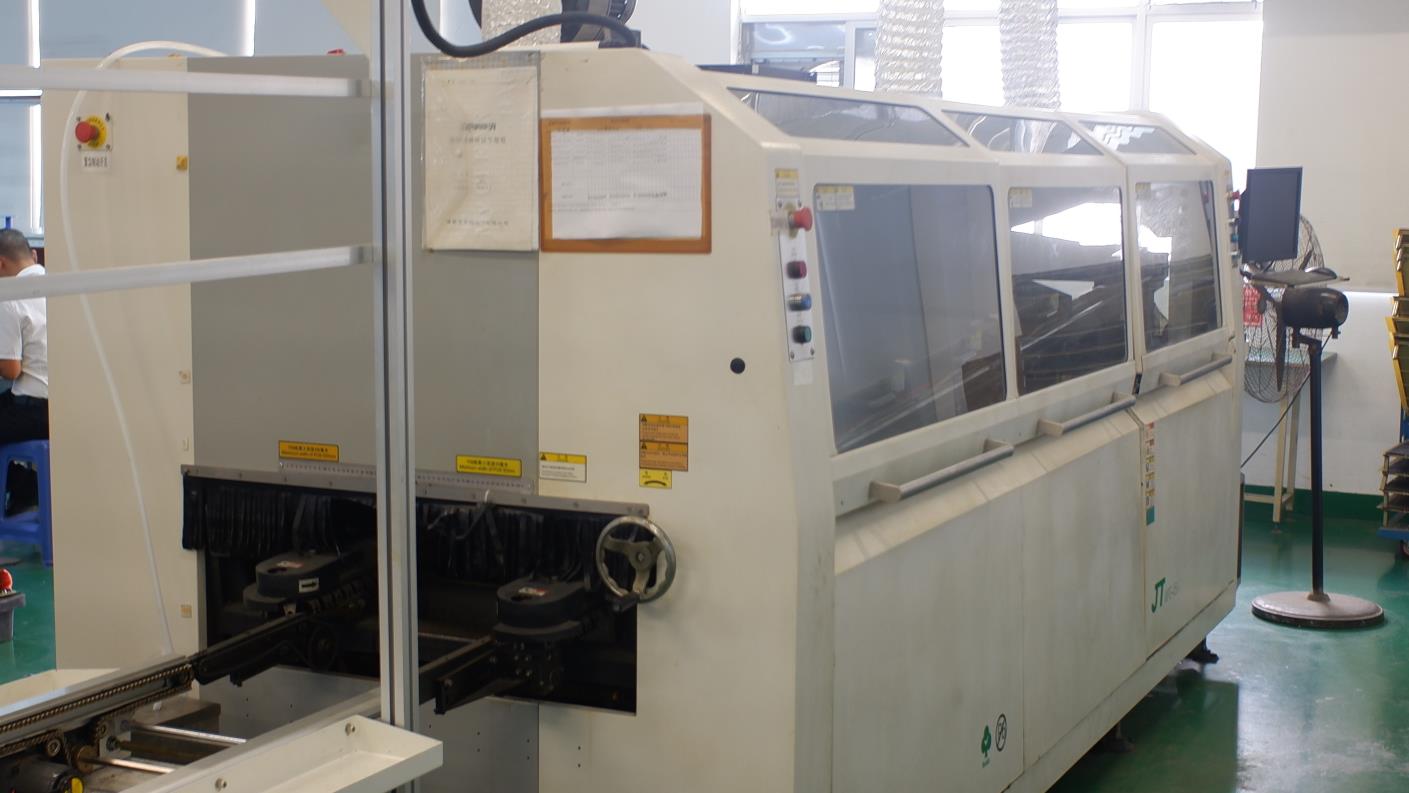
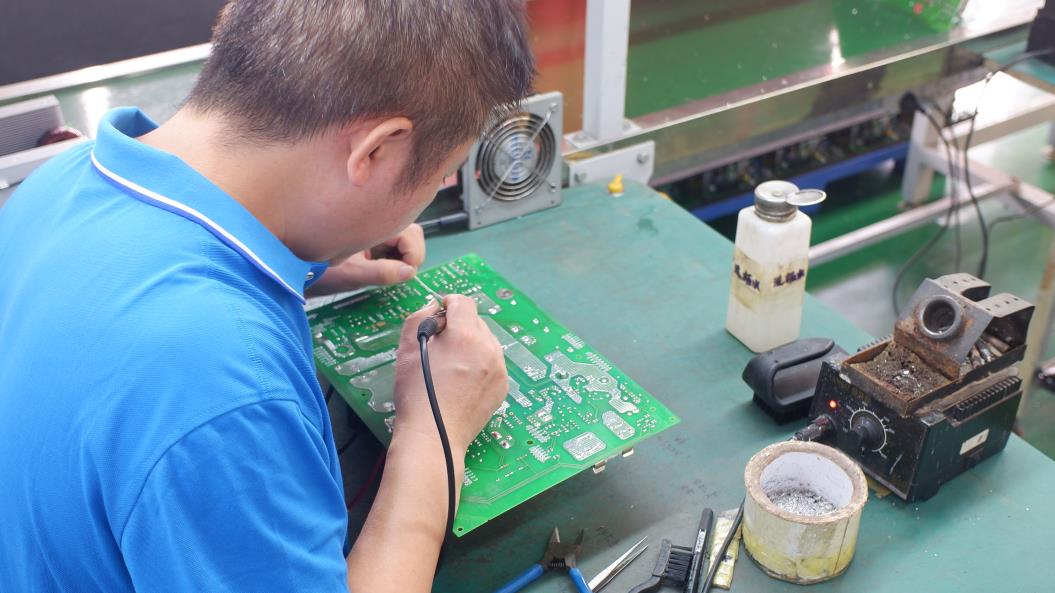
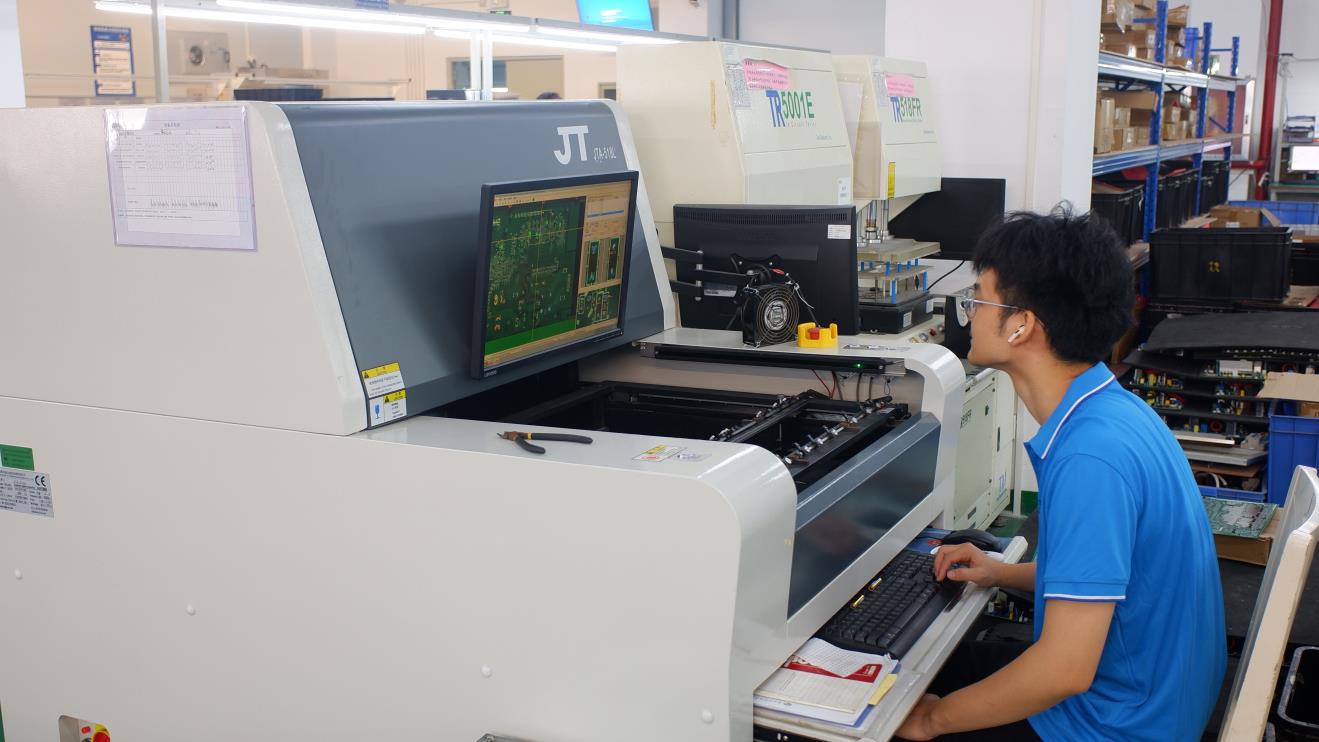
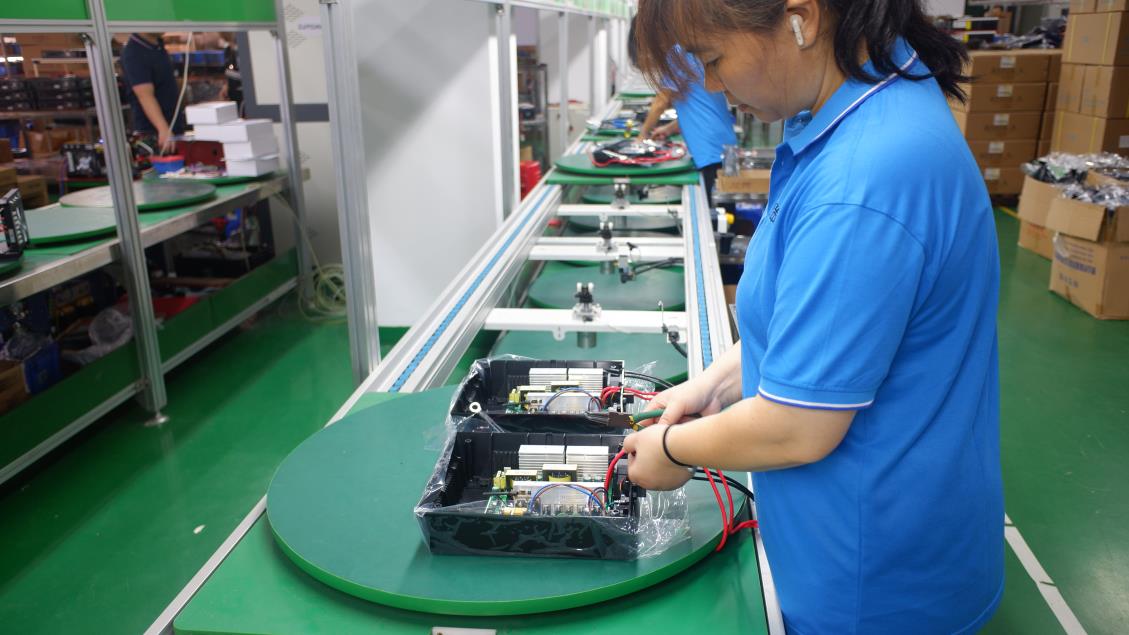
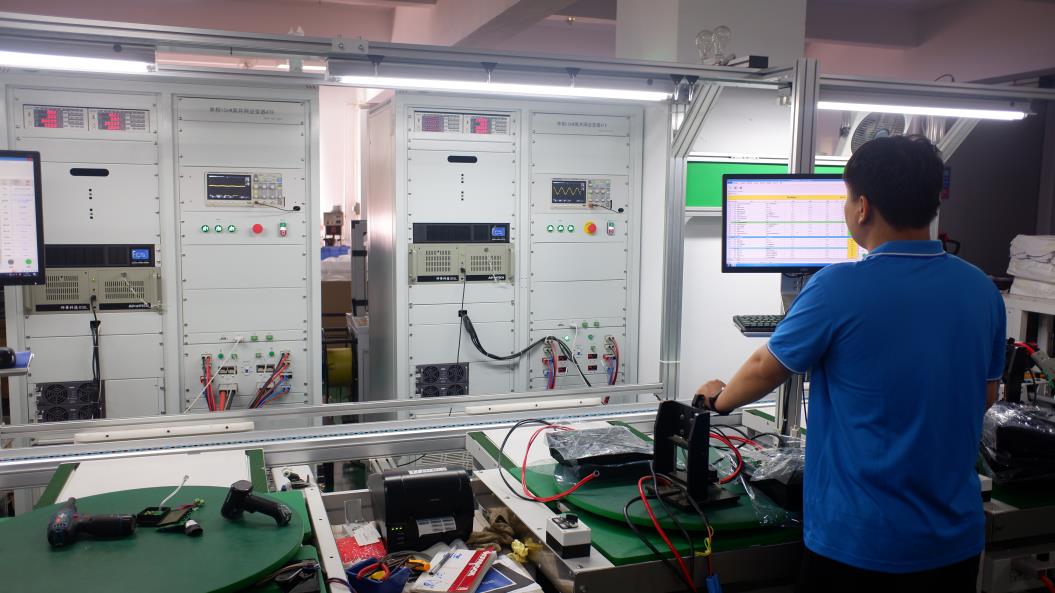
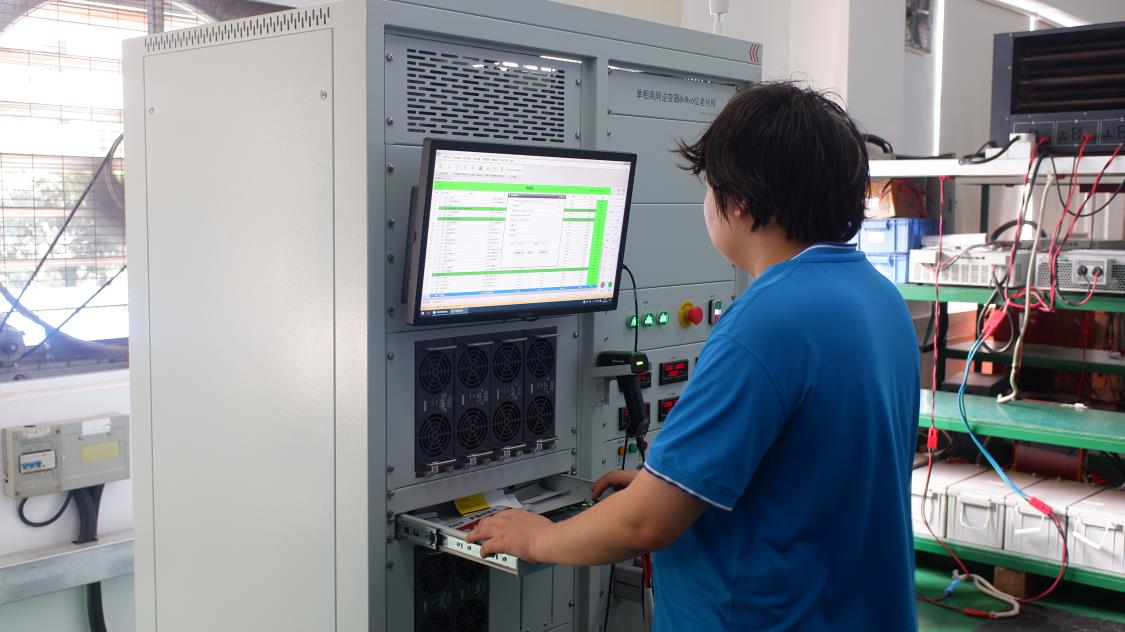
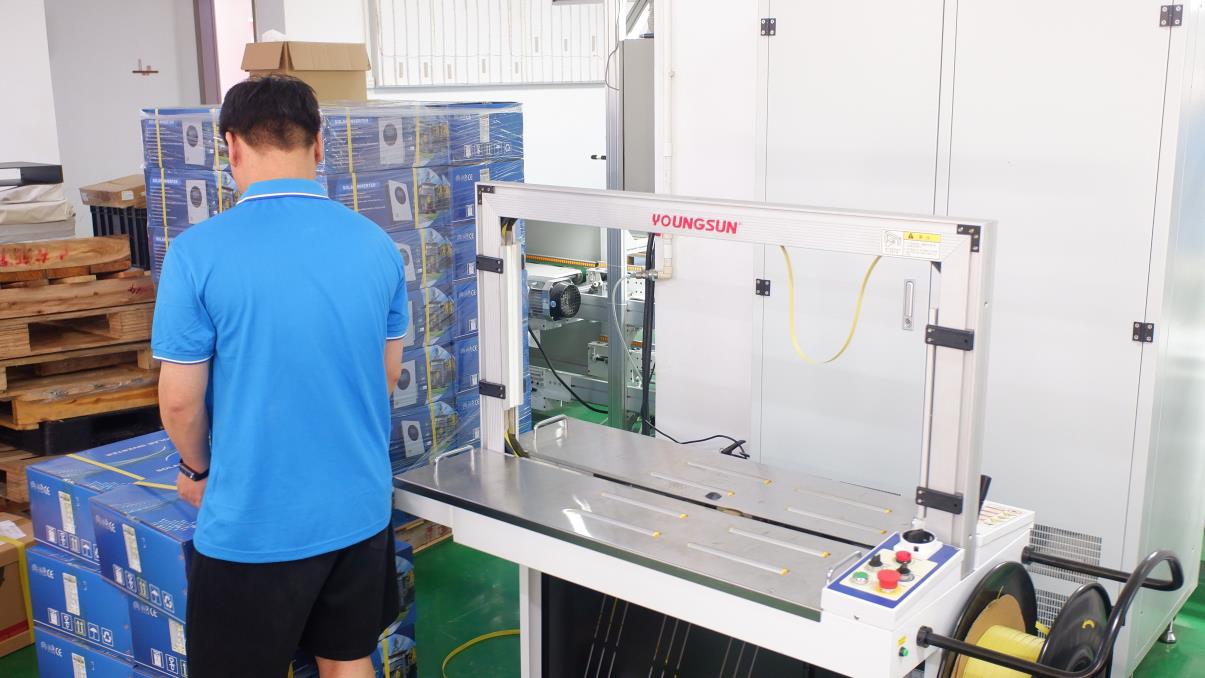
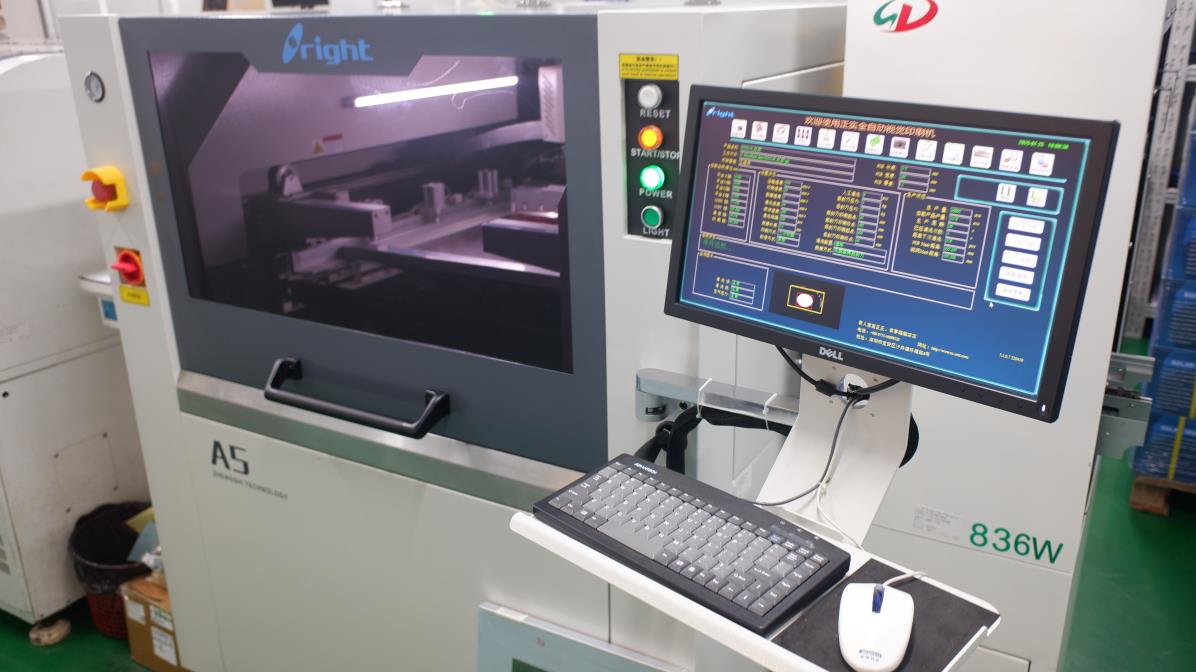
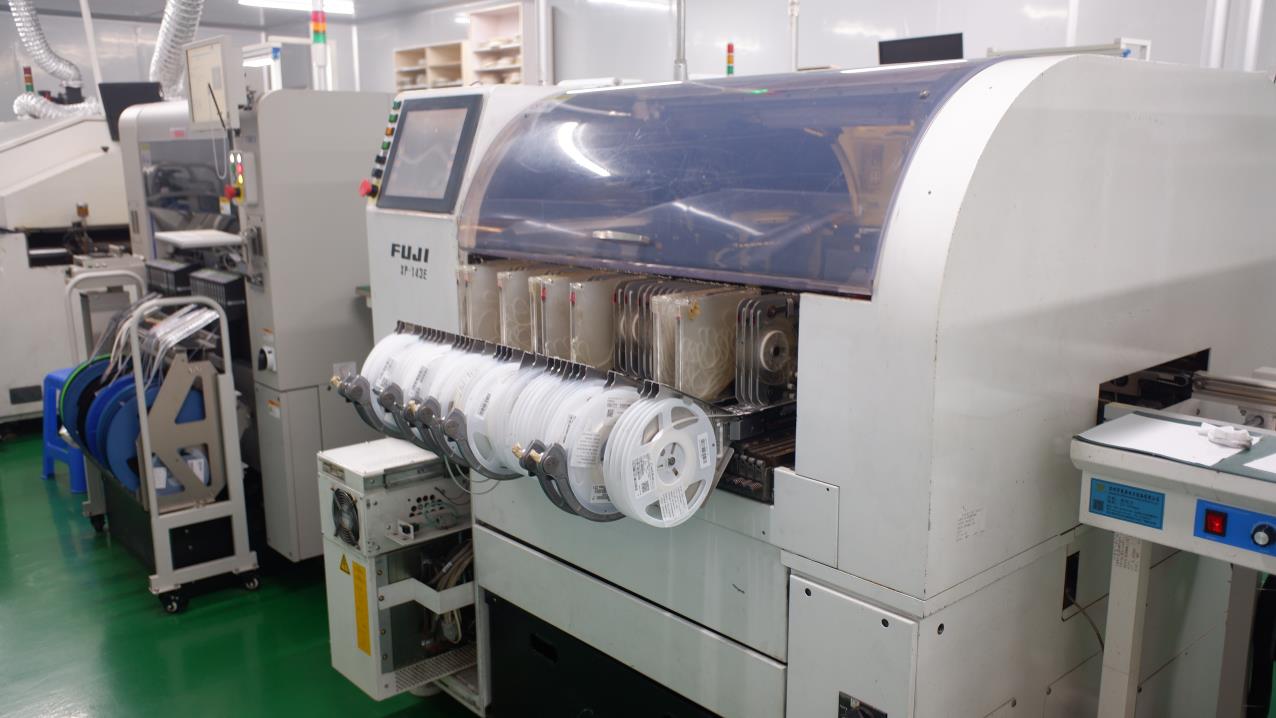
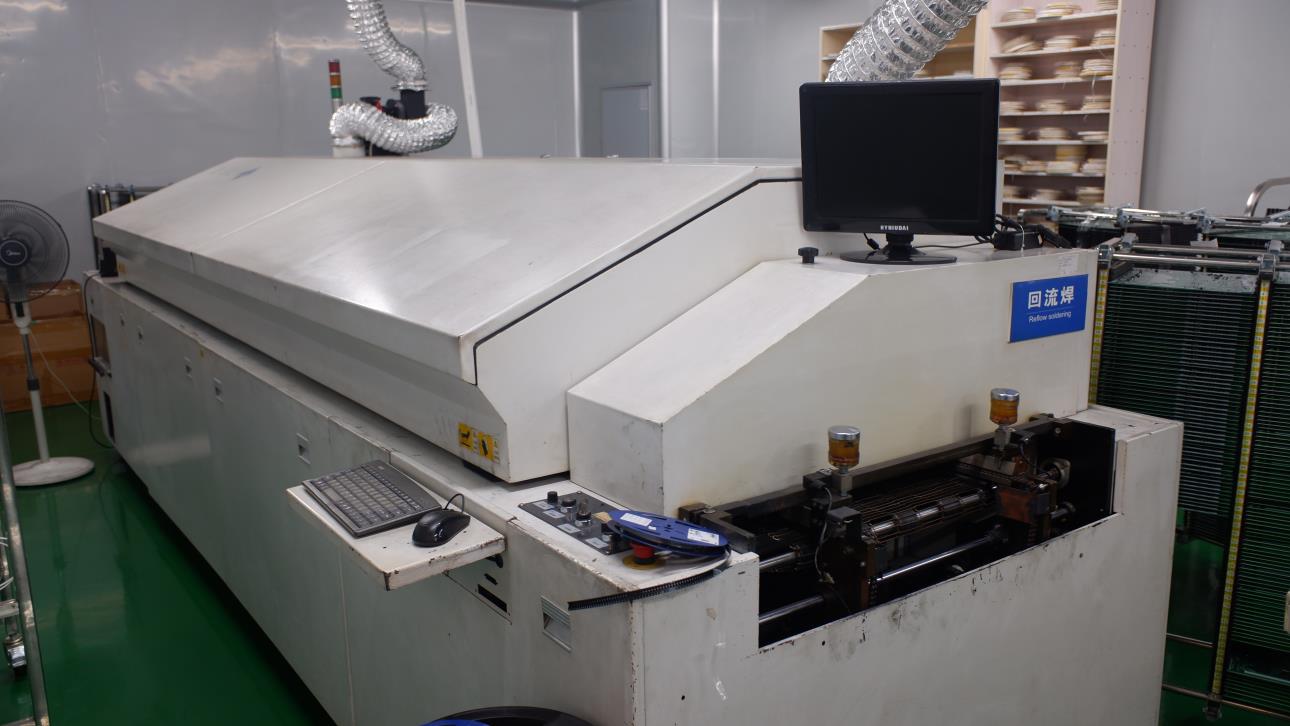
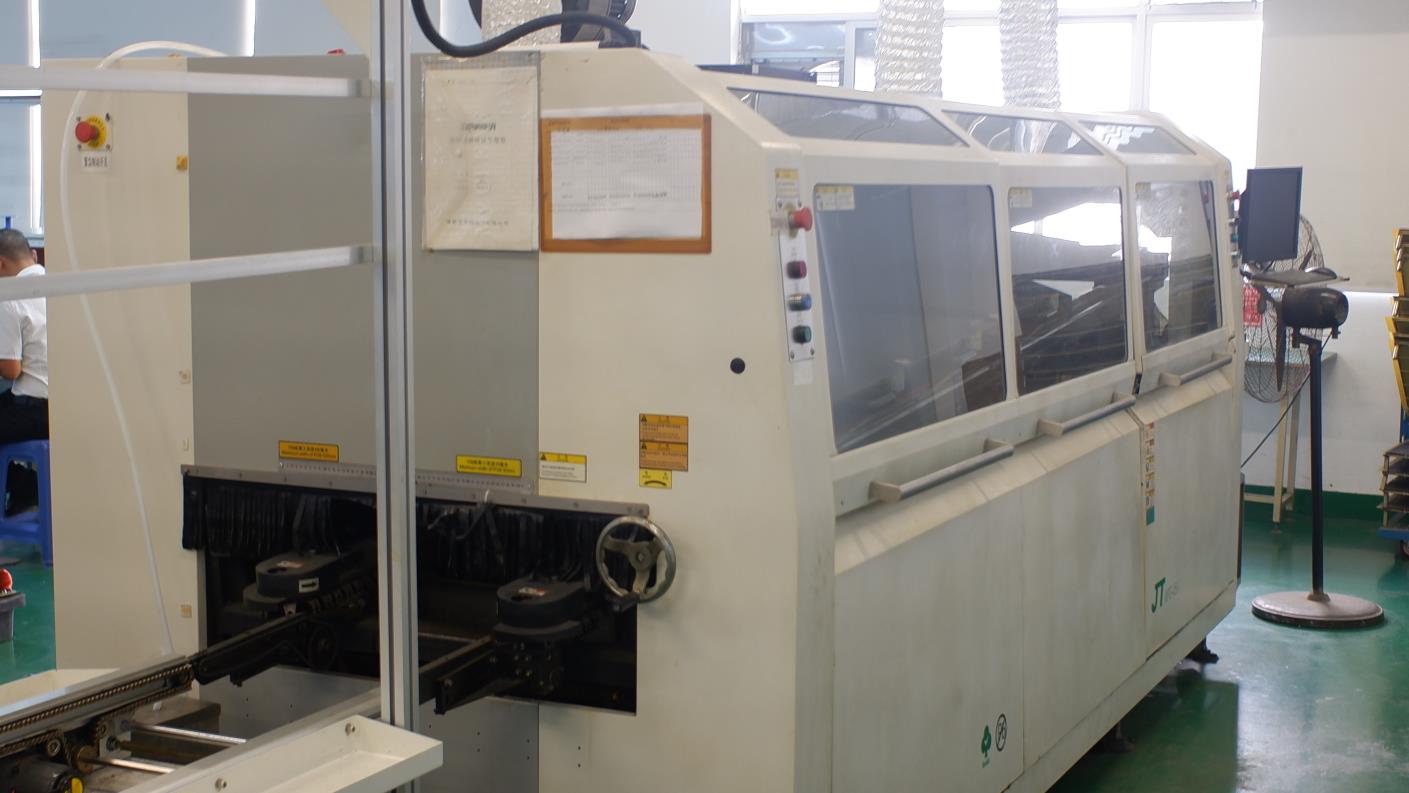
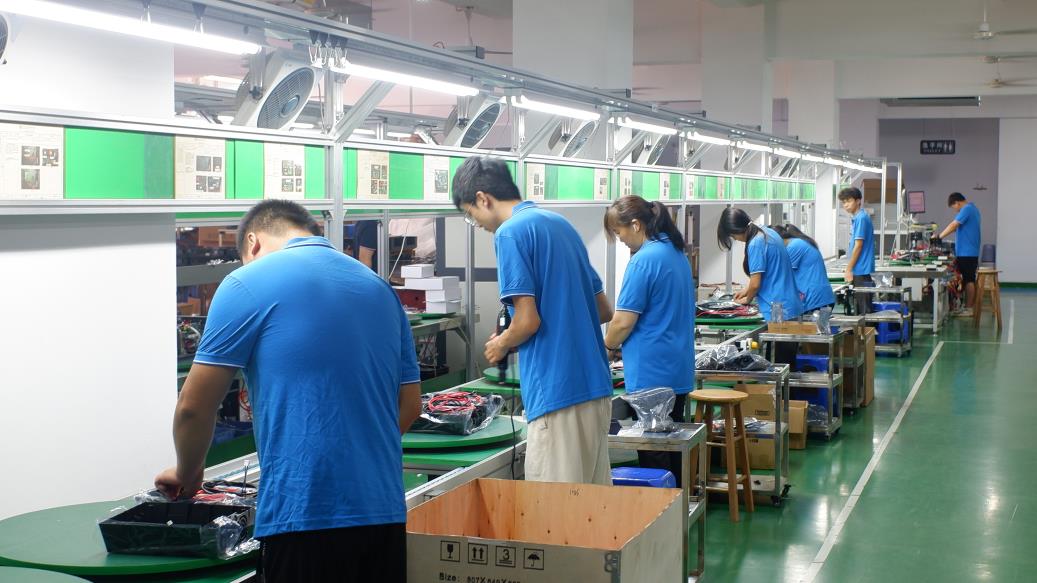
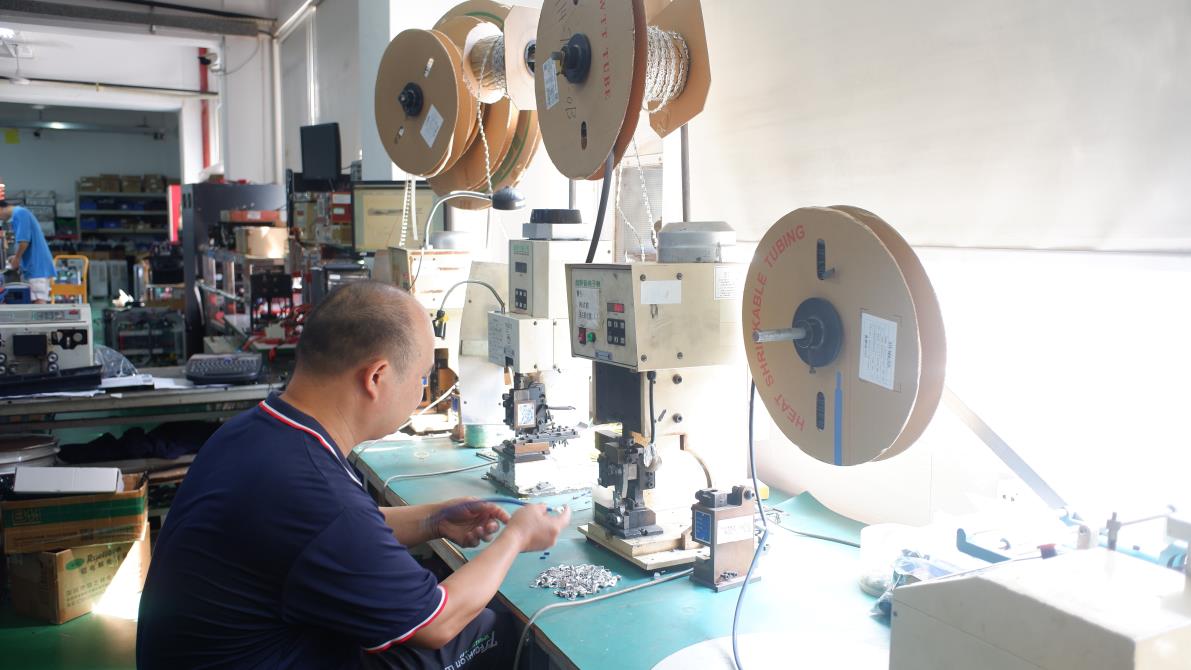
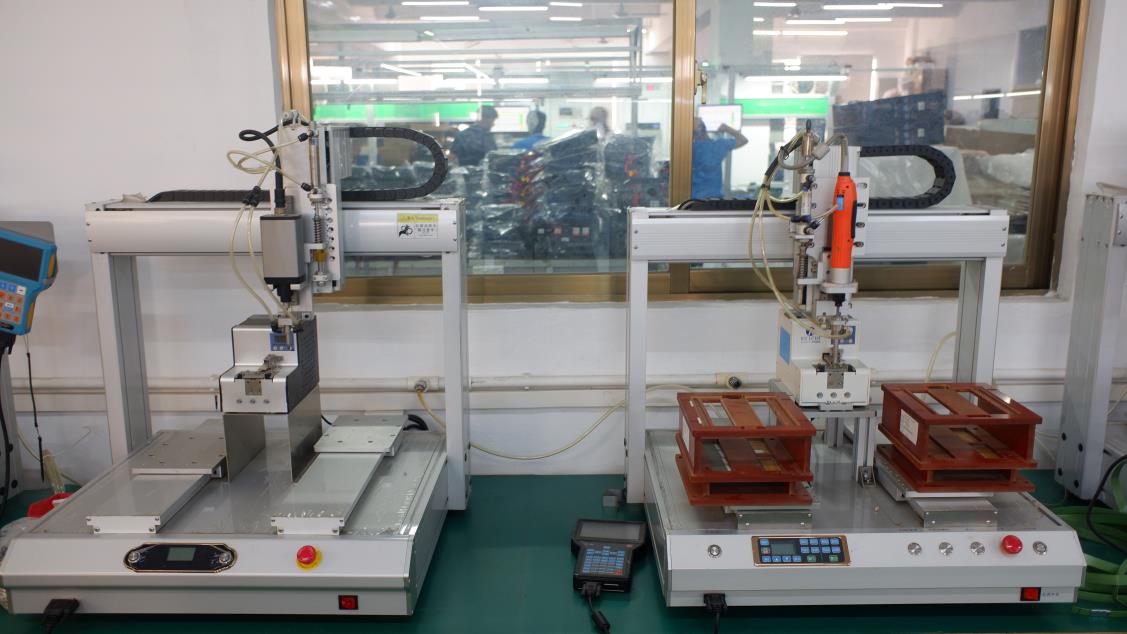
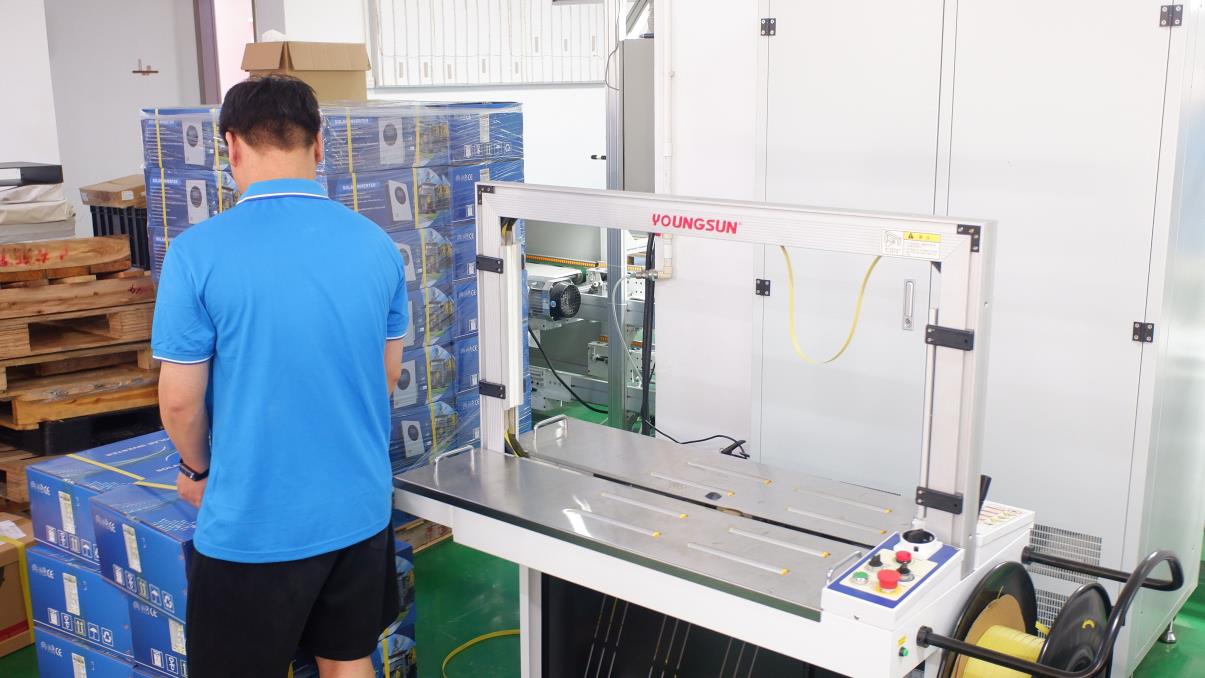
Our ISO9001-certified manufacturing facility in Jiangxi Province is equipped with advanced automated production lines and stringent quality control systems. Our dedicated R&D center focuses on continuous innovation in Battery Management Systems (BMS), system integration, and intelligent energy optimization—technologies that are seamlessly integrated into our micro-inverter product lines to ensure grid stability and peak shaving capabilities for our Hamburg partners.
With the 800W limit upgrade in Germany, our micro-inverters provide the perfect "Plug & Play" solution for Hamburg apartment dwellers to reduce their energy bills.
Corrosion-resistant IP67 designs specifically engineered to withstand the salty air of the Elbe river and the North Sea proximity.
Integrating micro-inverters with our industrial ESS to help Hamburg's SMEs manage peak energy loads and carbon footprint.
Our R&D roadmap focuses on Gallium Nitride (GaN) technology integration to further increase power density and reduce thermal output. For our Hamburg clients, this means even more compact units that are easier to install in restricted spaces. We are also enhancing our WiFi and Zigbee monitoring modules to integrate with popular German smart home ecosystems like Home Assistant and Bosch Smart Home.
Compliance is our cornerstone. Beyond the mandatory CE and VDE certifications, our products undergo rigorous "Aging Testing" and "Salt Spray Testing" to ensure longevity. We provide full documentation for MaStR (Marktstammdatenregister) registration, facilitating a smooth approval process with local grid operators like Stromnetz Hamburg.
Yes, all our grid-tied micro-inverters exported to Hamburg and the wider German market are fully certified under the VDE-AR-N 4105 standard, including integrated NA protection (network and system protection).
Our micro-inverters feature a low startup voltage (typically 20V-22V) and ultra-fast MPPT tracking, allowing them to harvest energy even during the overcast days common in Northern Germany.
We maintain a European warehouse and service partner network to provide rapid replacements and technical support, ensuring minimal downtime for your solar investment.
Depending on the model, our units support from 1 to 4 panels (1-in-1, 2-in-1, or 4-in-1 configurations), with individual MPPT for each panel to maximize yield.
 Yde Power