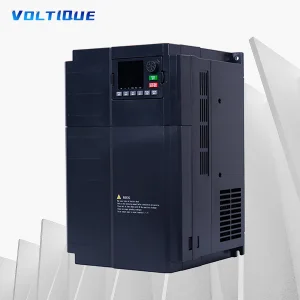
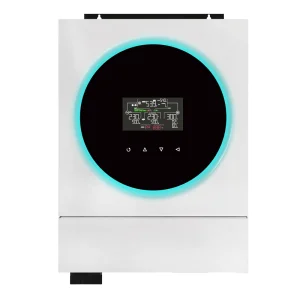
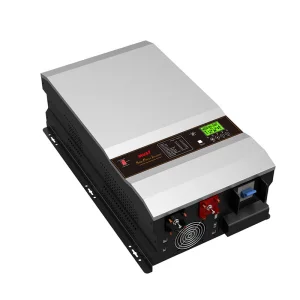
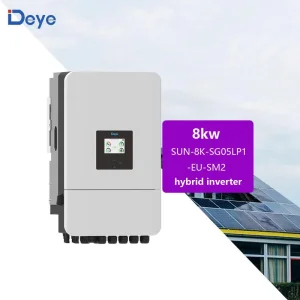
High-efficiency power control units for residential and industrial applications.
How intelligent power electronics are redefining energy resilience and grid stability.
Modern power grids are evolving from centralized models to decentralized microgrids. Smart Inverter Control serves as the "brain" of this transition, enabling bidirectional power flow and seamless integration of intermittent renewables like solar and wind. Our solutions focus on grid-forming capabilities that provide synthetic inertia, ensuring stability even in areas with low grid strength.
In Europe and North America, C&I entities are adopting high-voltage energy storage systems to mitigate rising peak-demand charges. In emerging markets like Southeast Asia and Africa, the focus is on off-grid autonomy. China’s manufacturing excellence bridges these needs by providing scalable, ISO-certified hardware that combines robust performance with AI-driven energy management.
Traditional inverters simply convert DC to AC. Next-generation Smart Controllers utilize Wide Bandgap (WBG) semiconductors like Silicon Carbide (SiC) to achieve efficiency rates exceeding 98.5%. Furthermore, by implementing edge computing at the inverter level, systems can now perform predictive maintenance and real-time load balancing without relying on latency-heavy cloud servers.
Professional Manufacturer of Energy Storage Systems (ESS)
Headquartered in the global tech hub of Shenzhen, Shenzhen Yde Power Co., Ltd. is a premier provider of clean energy solutions. We integrate R&D, advanced manufacturing, and global service to support residential, commercial, and industrial energy needs.
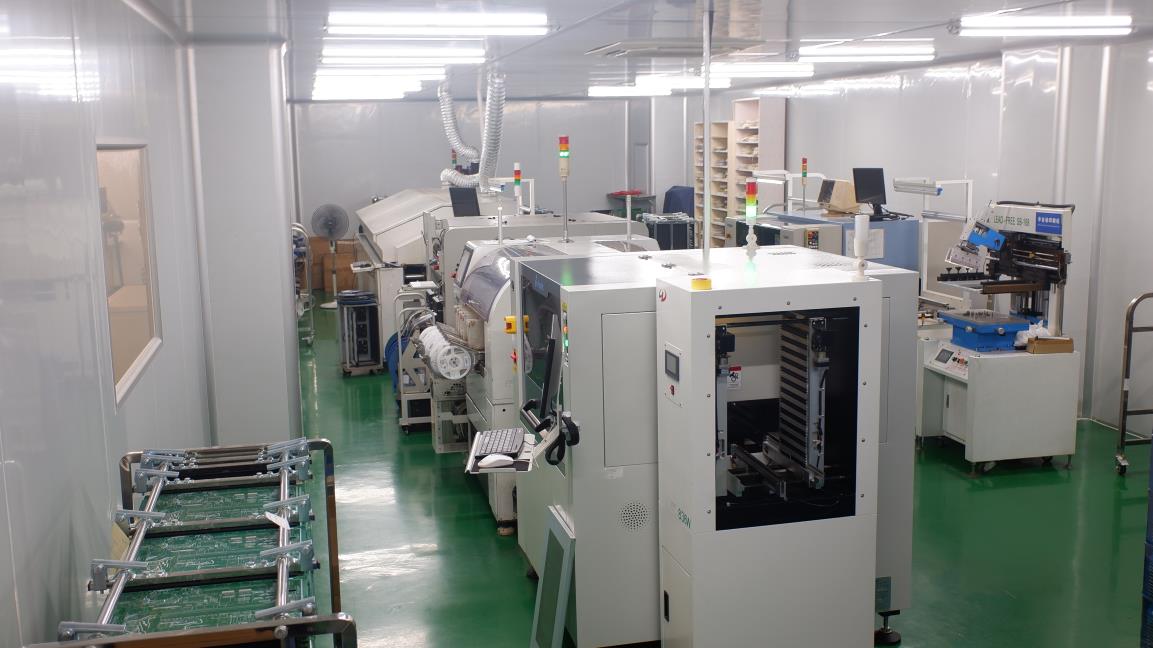
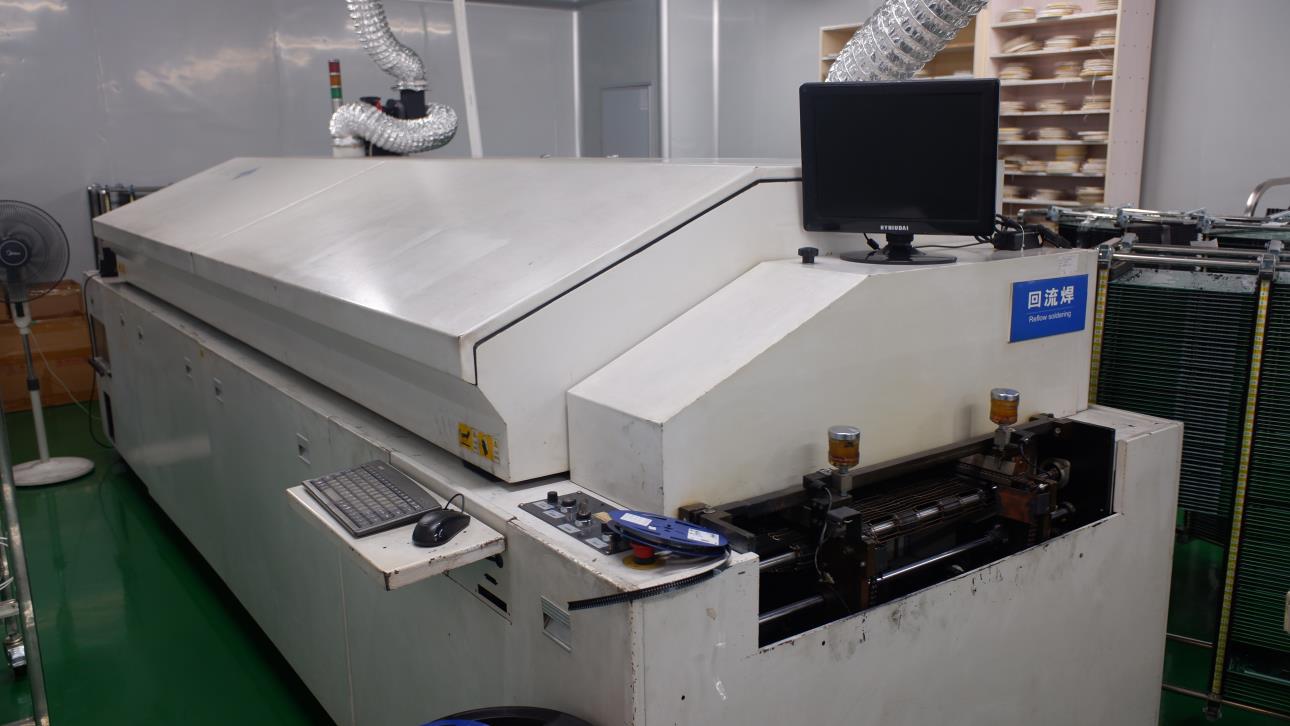
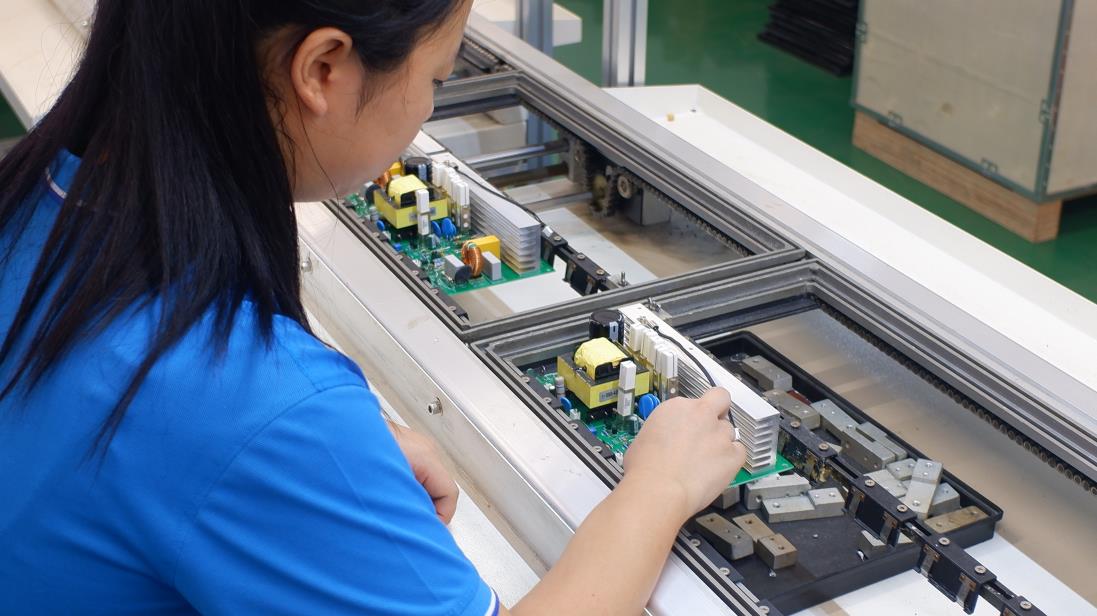
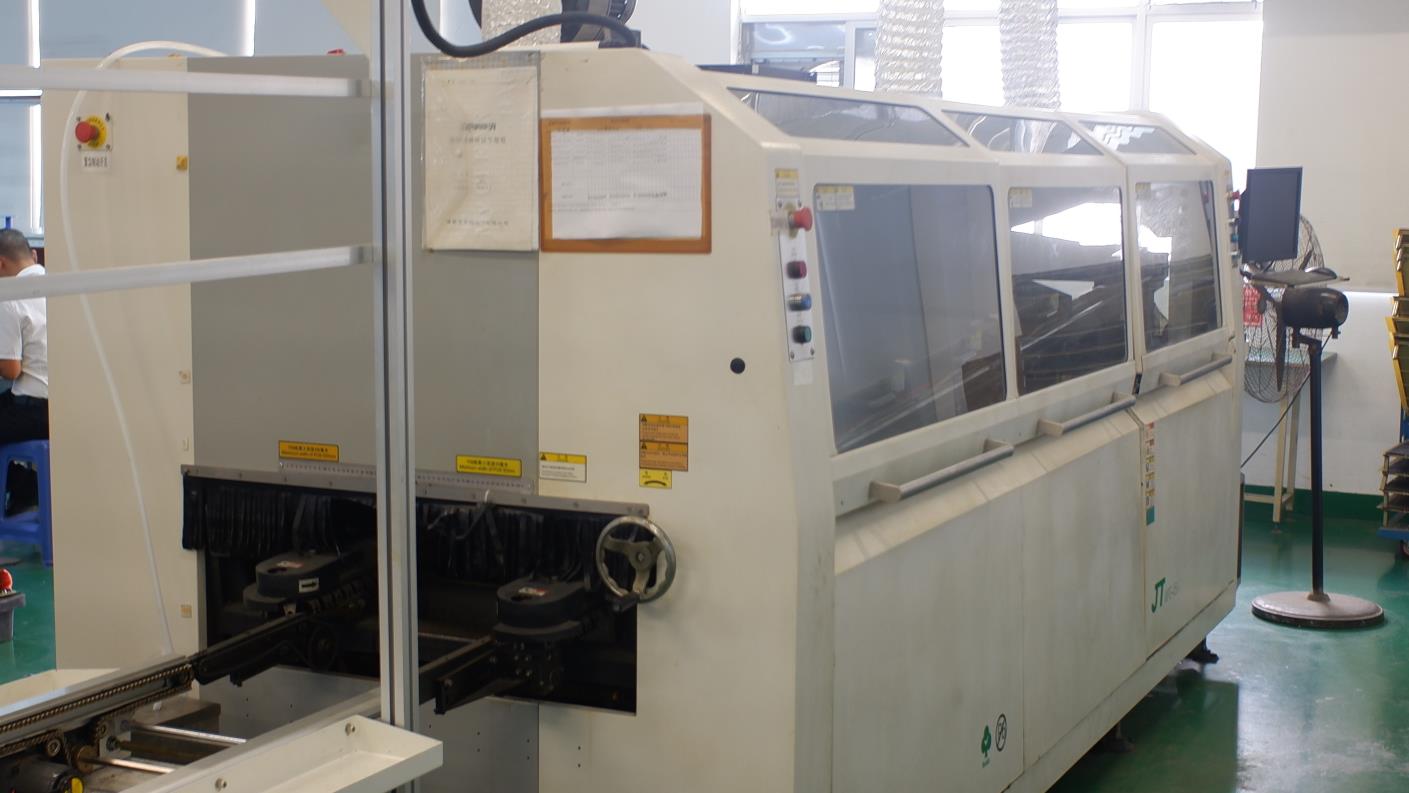
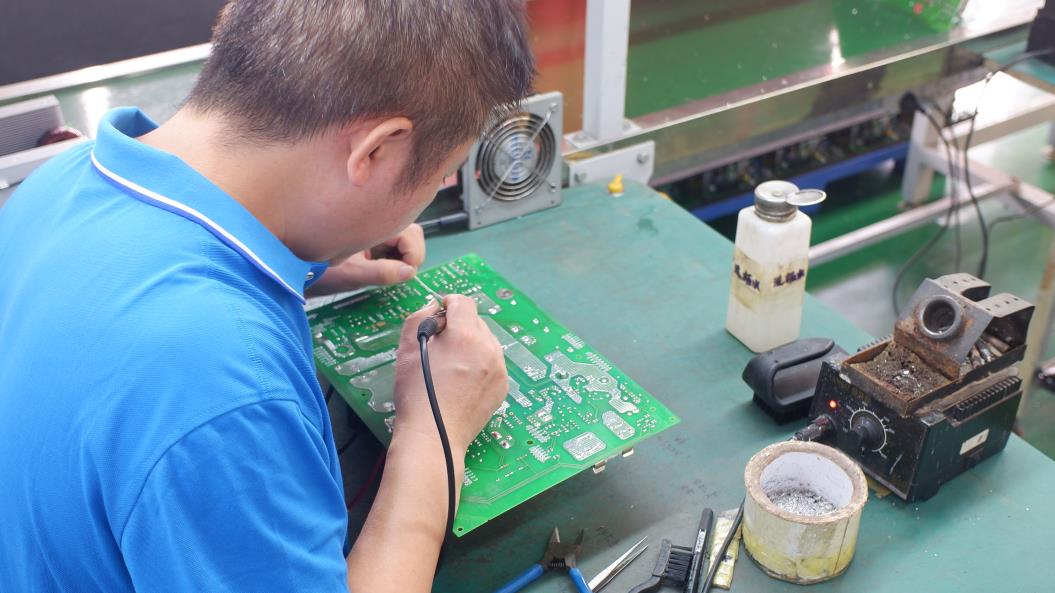
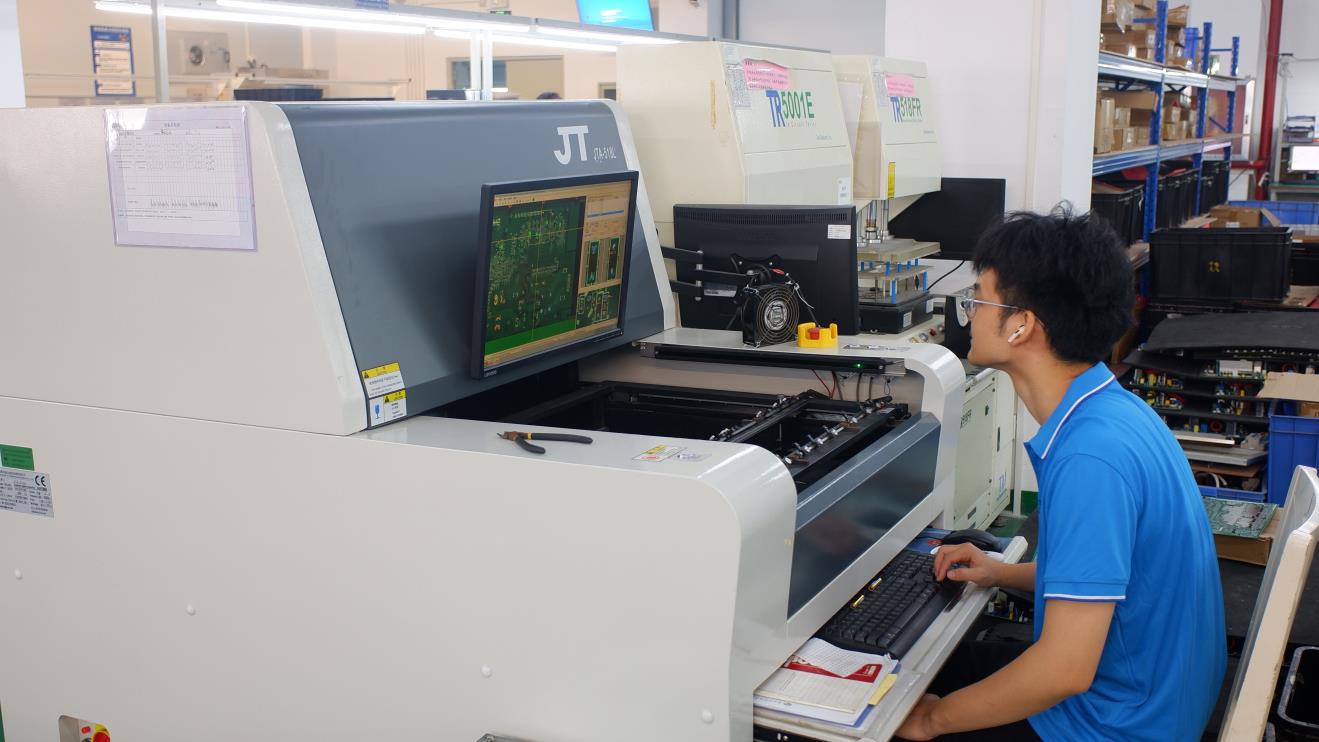
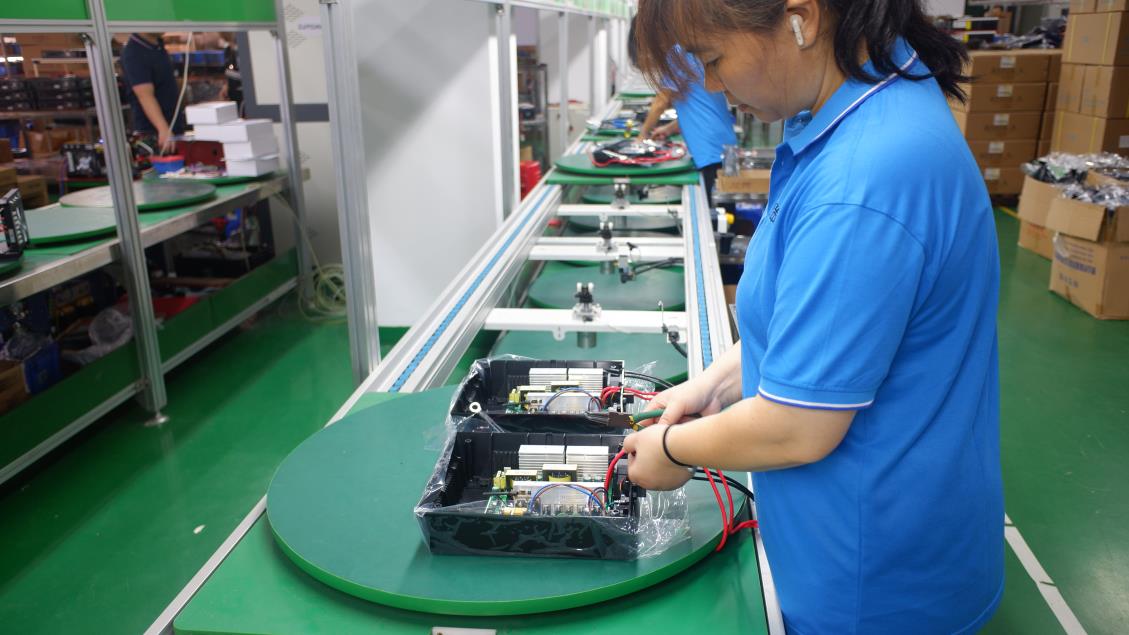
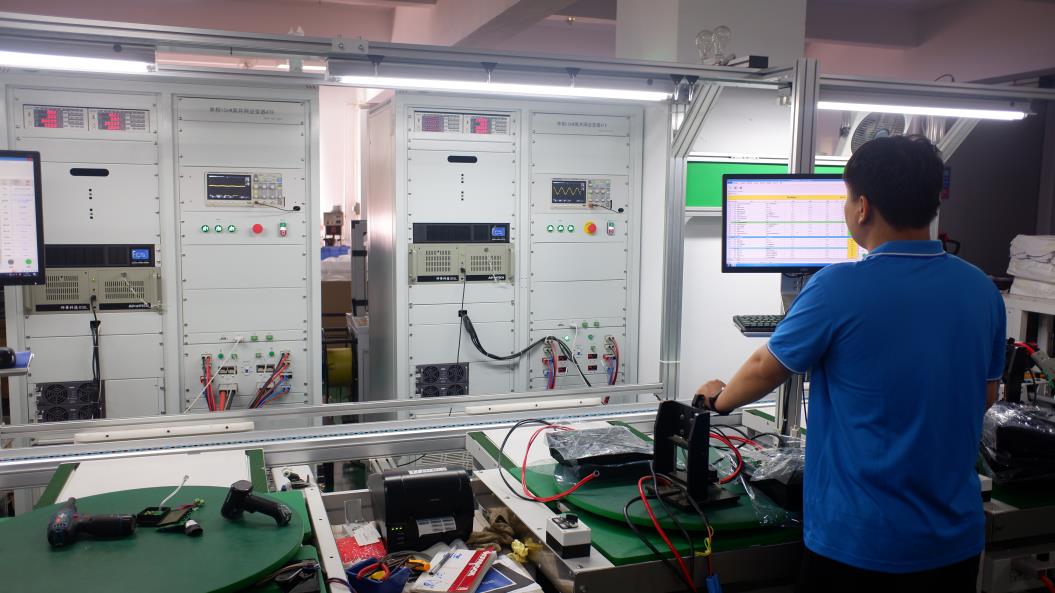
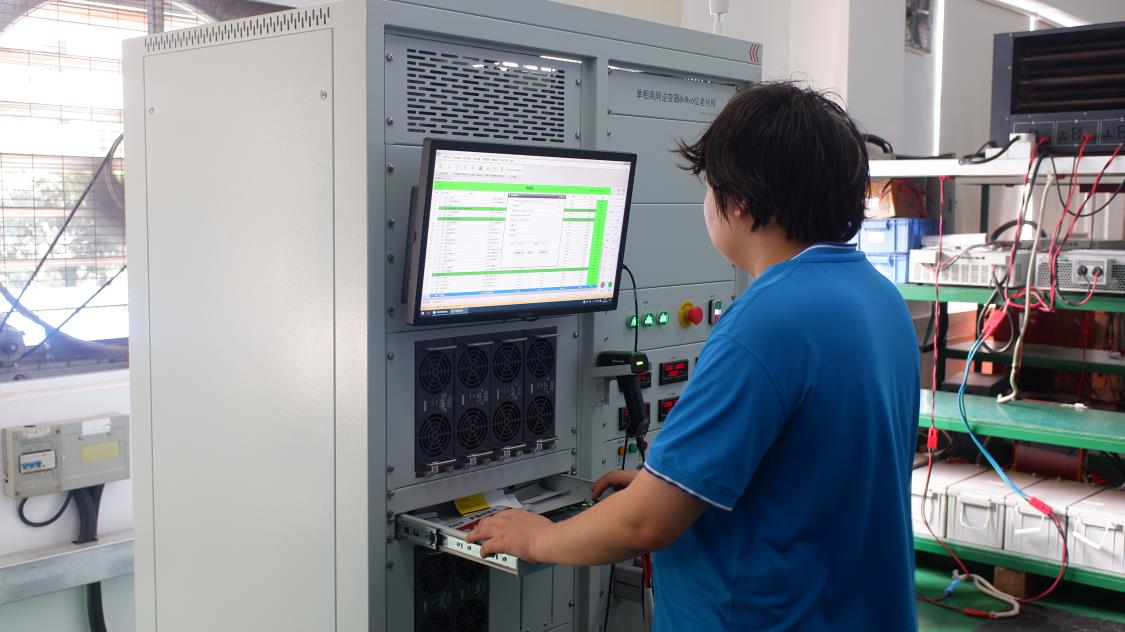
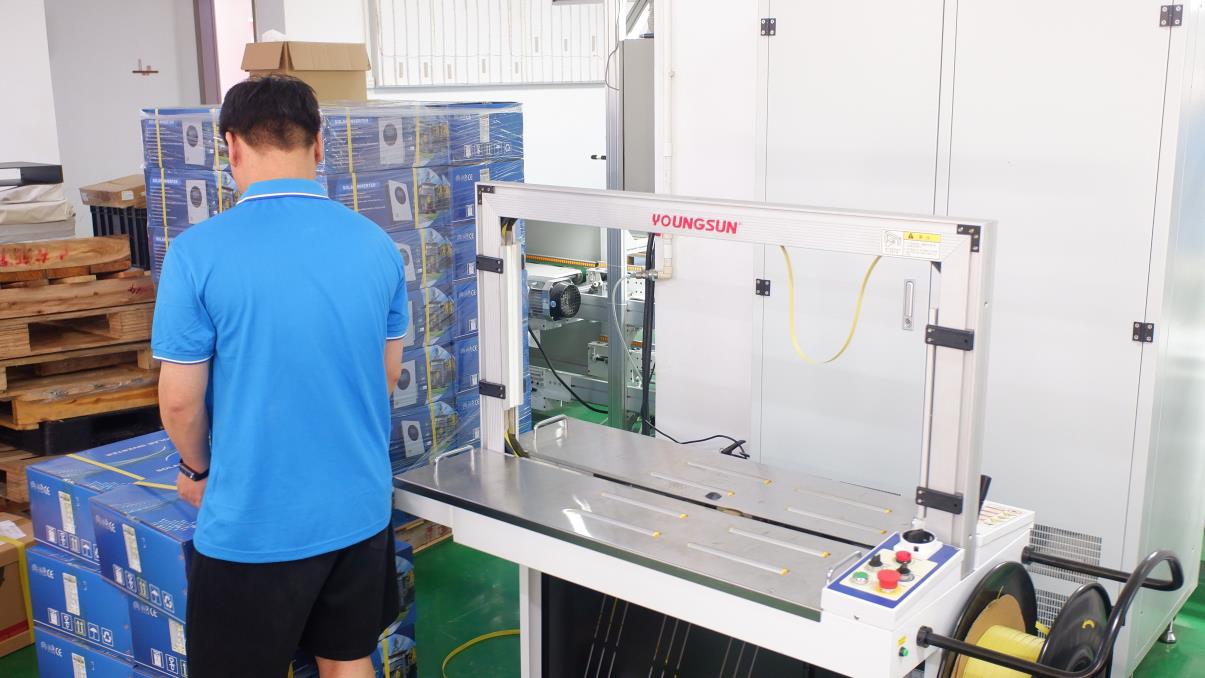
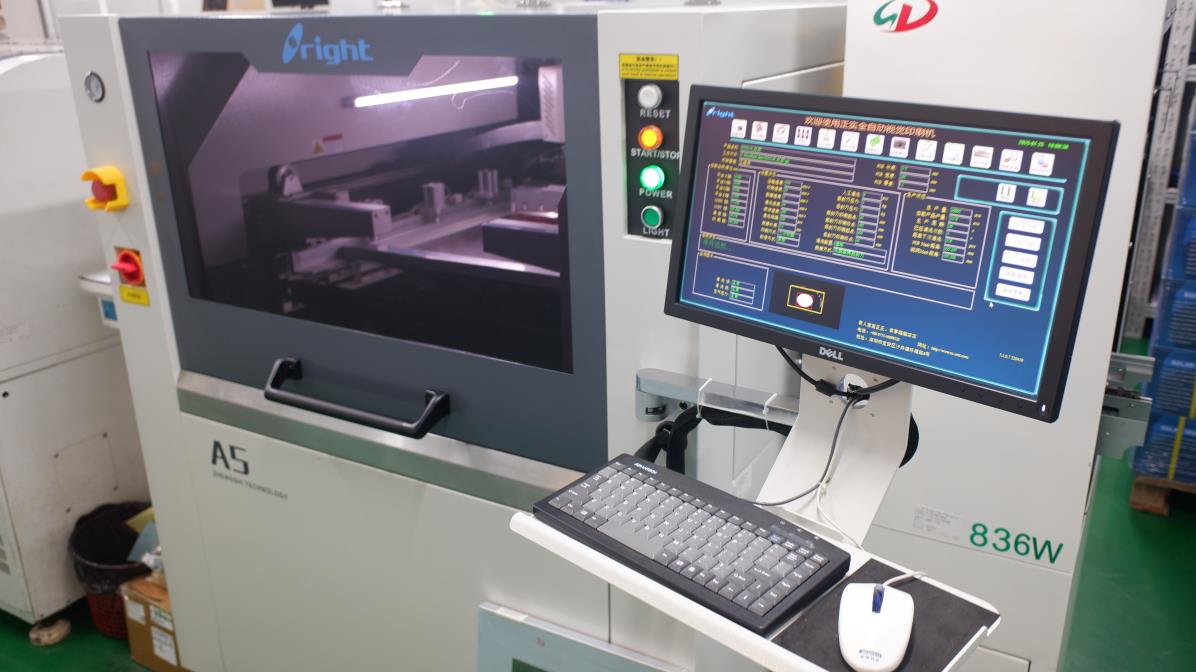
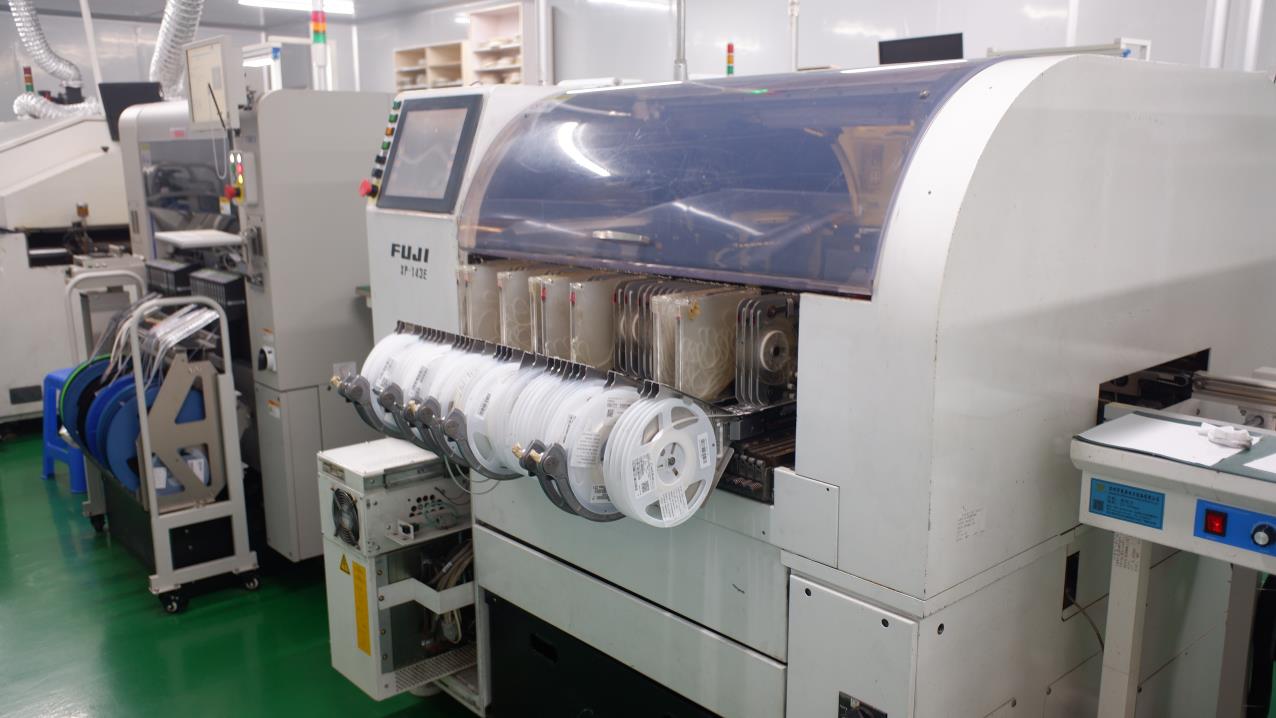
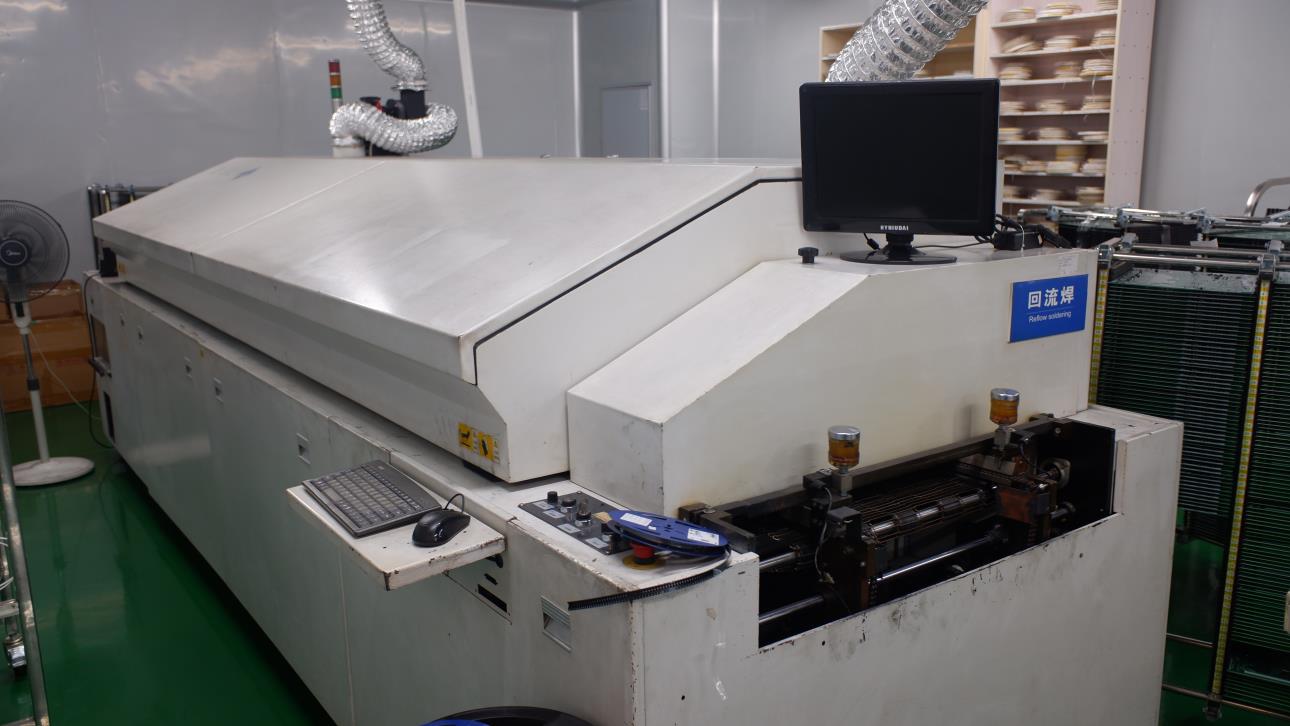
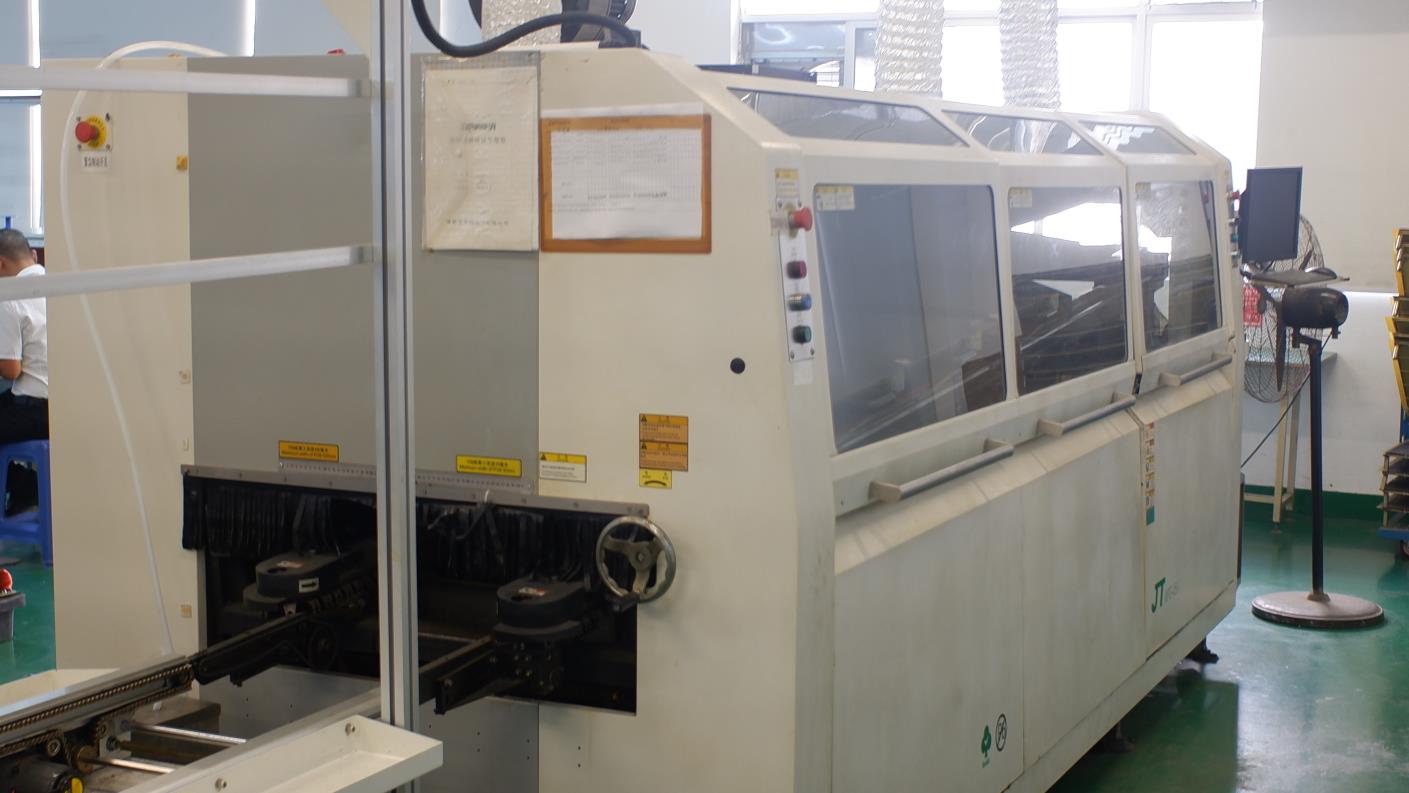
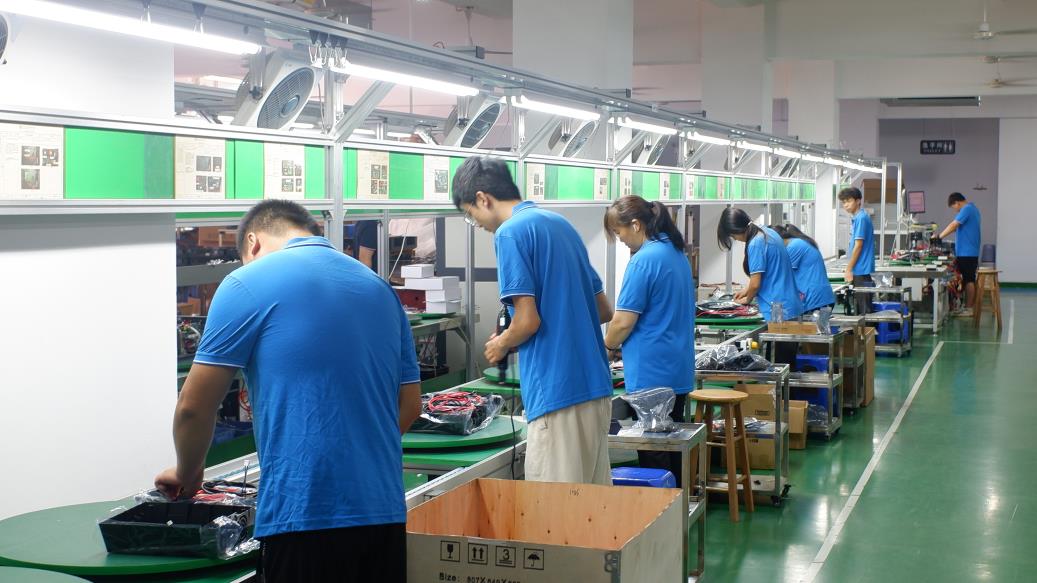
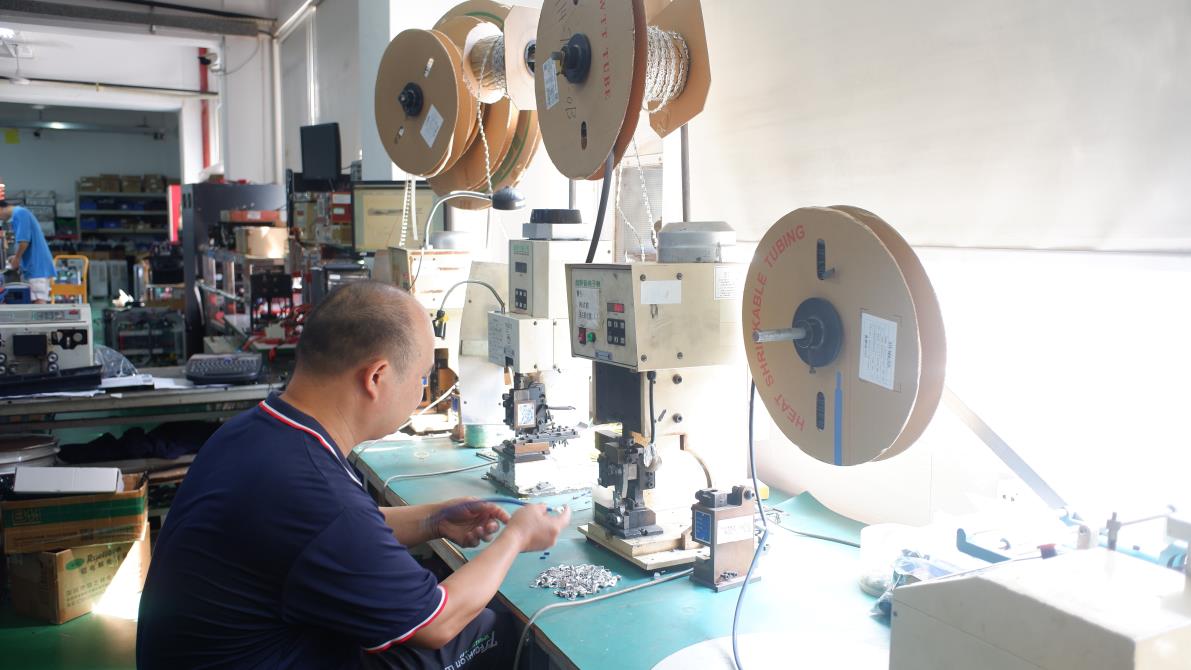
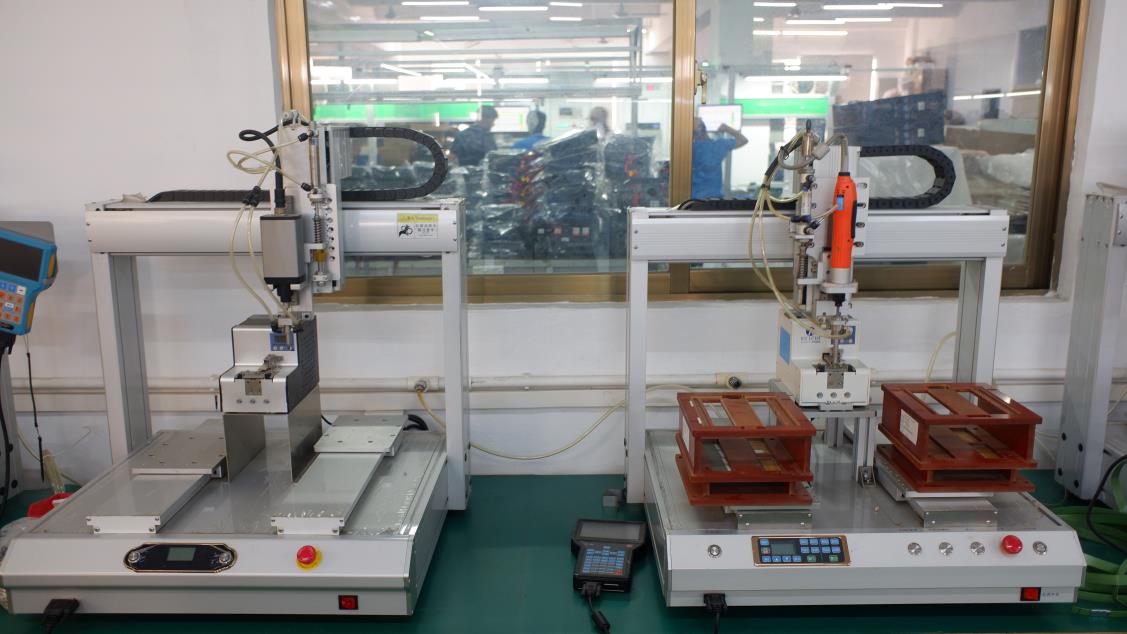
Our commitment to excellence is anchored by our ISO9001-certified manufacturing facility in Jiangxi Province. This facility leverages automated production lines to ensure every unit meets the highest standards of reliability. Our R&D center focuses on the "Holy Trinity" of modern power: Battery Management Systems (BMS), Power Conversion Systems (PCS), and Intelligent System Integration.
Years Experience
Global Patents
Countries Served
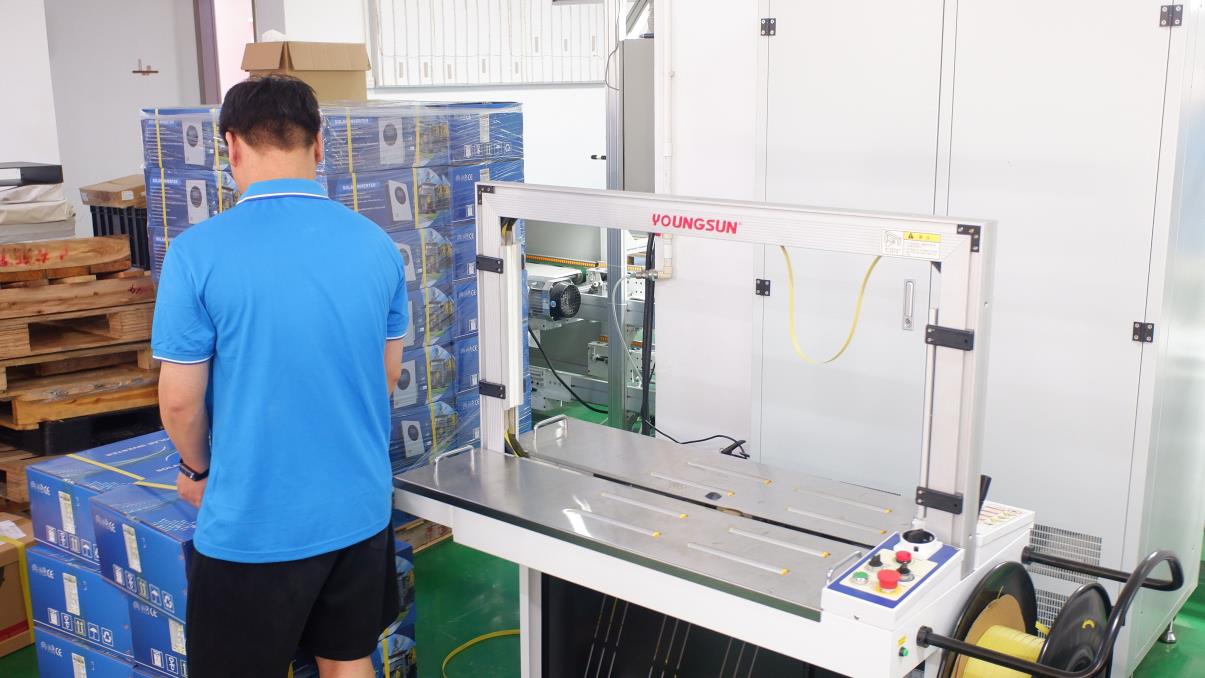
Behind every smart inverter is a rigorous, automated production process.
Tailoring advanced power control to localized needs and international standards.
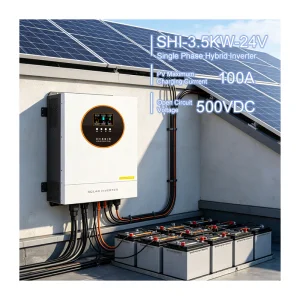
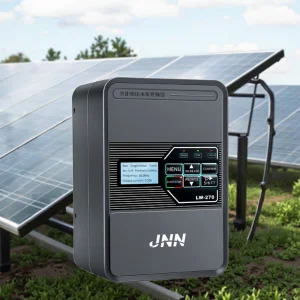
Our VFD-enabled solar pump inverters (like the JNN Intelligent System) are optimized for agricultural irrigation and mining. With IP65 outdoor protection and 900Vdc wide voltage range, these systems operate in the harshest environments of Australia and the Middle East.
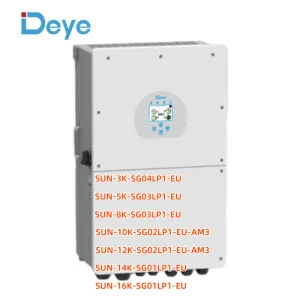
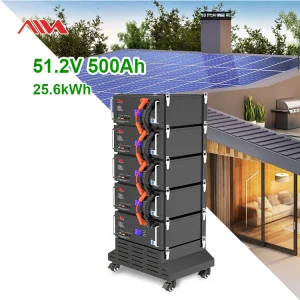
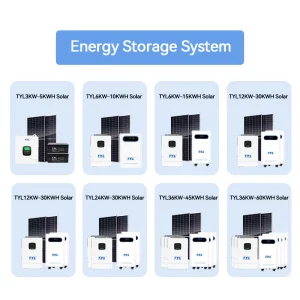
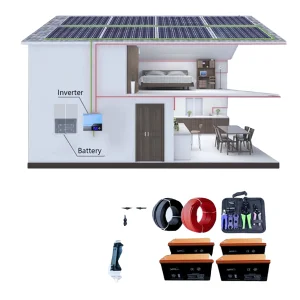
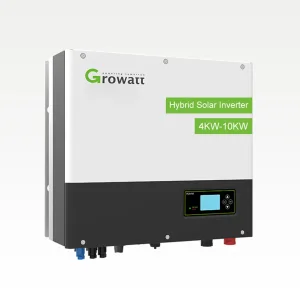
Combining Deye or Growatt hybrid inverters with our stackable lithium batteries allows homeowners in Germany, South Africa, and the USA to achieve over 90% energy self-sufficiency. Split-phase 120V/240V options ensure compatibility with North American standards.
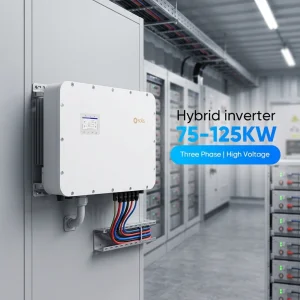
The 100kW+ Three-Phase storage solutions are designed for factories and data centers. By storing energy during off-peak hours and discharging during expensive peaks, businesses can reduce operational costs by up to 40% while ensuring backup power during grid failures.
Shenzhen Yde Power provides full localization support including CE, UL, IEEE 1547, and AS4777.2 compliance. Our global technical support network ensures that whether you are in Johannesburg or Los Angeles, you have access to local technical expertise and rapid-response spare parts.
Leading the path toward AI-integrated power grids.
Implementing machine learning at the inverter level to predict weather patterns and optimize discharge cycles, improving battery lifespan by 20%.
Transitioning toward Solid-State Transformers (SST) in our high-power industrial units for ultra-compact footprints and faster response times.
Enabling Blockchain-based P2P energy trading capabilities directly within the smart inverter firmware for the "Internet of Energy" (IoE).
Expert insights into Smart Inverter Selection and Maintenance.
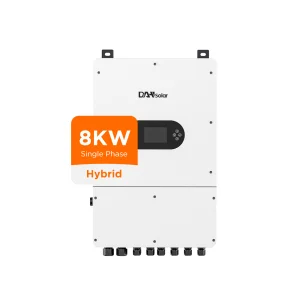
A standard hybrid inverter simply manages battery and solar input. A Smart Inverter (like our Deye and Solis series) features advanced software for grid support, frequency regulation, and AI-driven predictive maintenance, allowing it to adapt to grid fluctuations in real-time.
Selection depends on your pump's motor specifications and PV array configuration. For high-head pumps, our 900Vdc IP65 outdoor units offer the efficiency needed for deep-well applications, while smaller 220V units suit residential pool pumps.
Yes, products like the Solis S6 100kW are designed for multi-energy hybridization, allowing for concurrent input from Solar PV, Wind turbines, and Diesel generators to ensure 24/7 power availability.
It refers to providing unique, deep technical insights that are not found on general competitor pages—such as specific vector control algorithms or the intricacies of SMT manufacturing quality controls that impact long-term inverter reliability.
Diverse products for every energy challenge.
 Yde Power