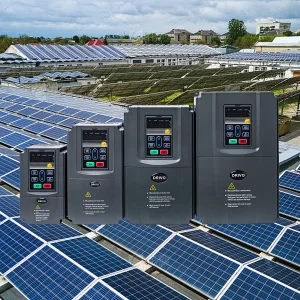
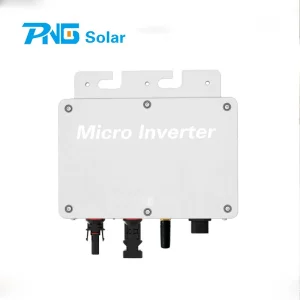
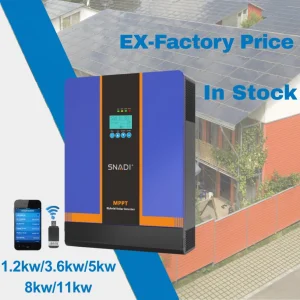
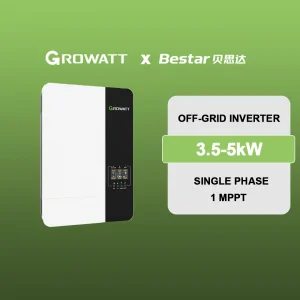
Direct from Top Tier-1 Manufacturing Hubs
The global shift toward electric mobility has positioned China as the epicenter of EV charging inverter technology. With centers like Shenzhen and Jiangxi leading the way, Chinese factories offer an unparalleled integration of the supply chain. From advanced BMS (Battery Management Systems) to high-density power electronics, these suppliers provide significant Information Gain for global buyers through transparent manufacturing processes and rigorous testing standards.
Why choose China for EV inverters?
The industry is moving toward V2X (Vehicle-to-Everything) technology. Modern inverters are no longer just converters; they are intelligent energy gateways. We are seeing a surge in Bi-directional DC/AC Inverters that allow EV batteries to power homes during grid outages—a concept known as "Peak Shaving."
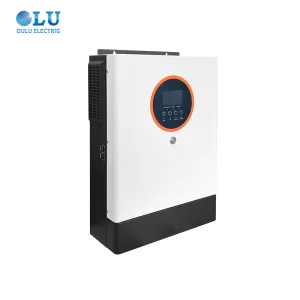
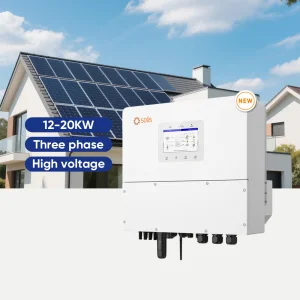
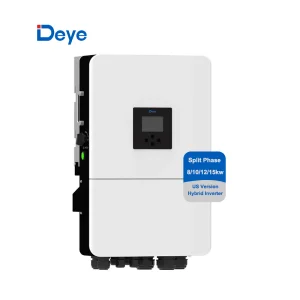
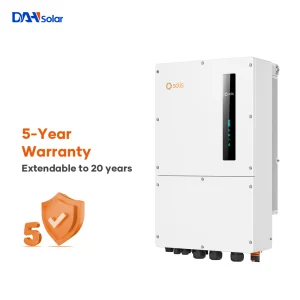
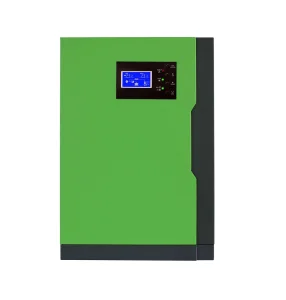
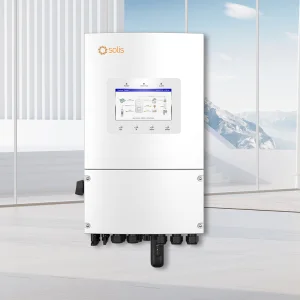
Technical benchmarks now demand Pure Sine Wave outputs with efficiency ratings exceeding 98%. As seen in the Solis and Deye series, high-voltage compatibility is becoming the standard for commercial-grade ESS (Energy Storage Systems).
Shenzhen Yde Power Co., Ltd. is a professional manufacturer specializing in residential, commercial, and industrial energy storage systems (ESS). Headquartered in Shenzhen, China, the company integrates research and development, production, sales, and service to deliver comprehensive clean energy solutions to global markets.
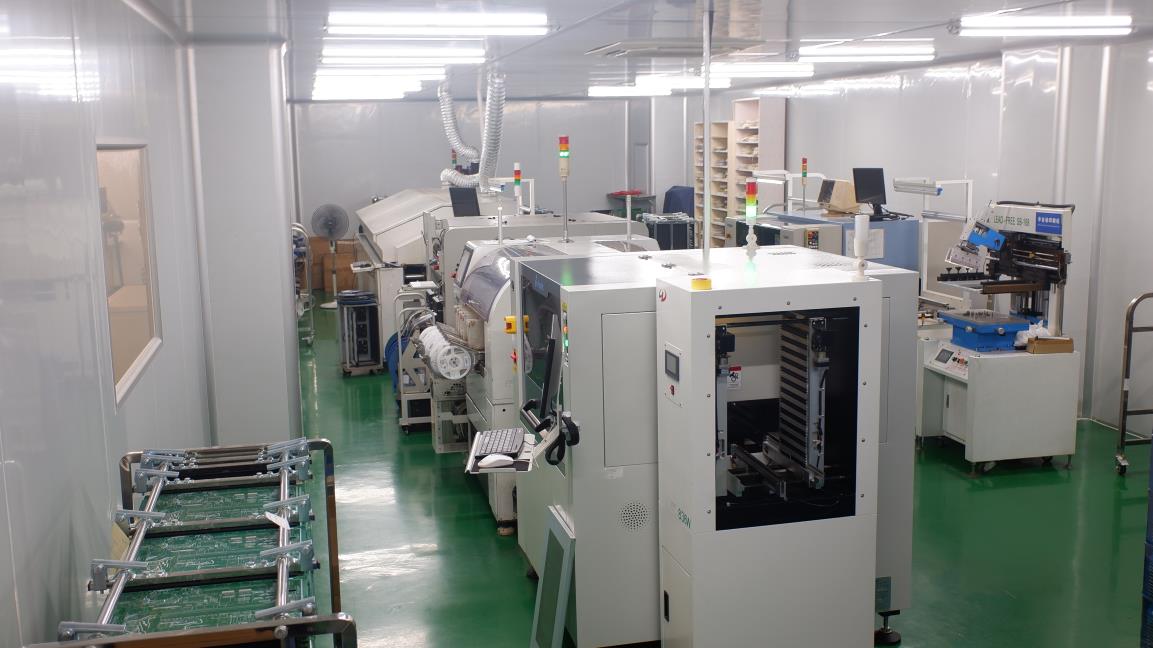
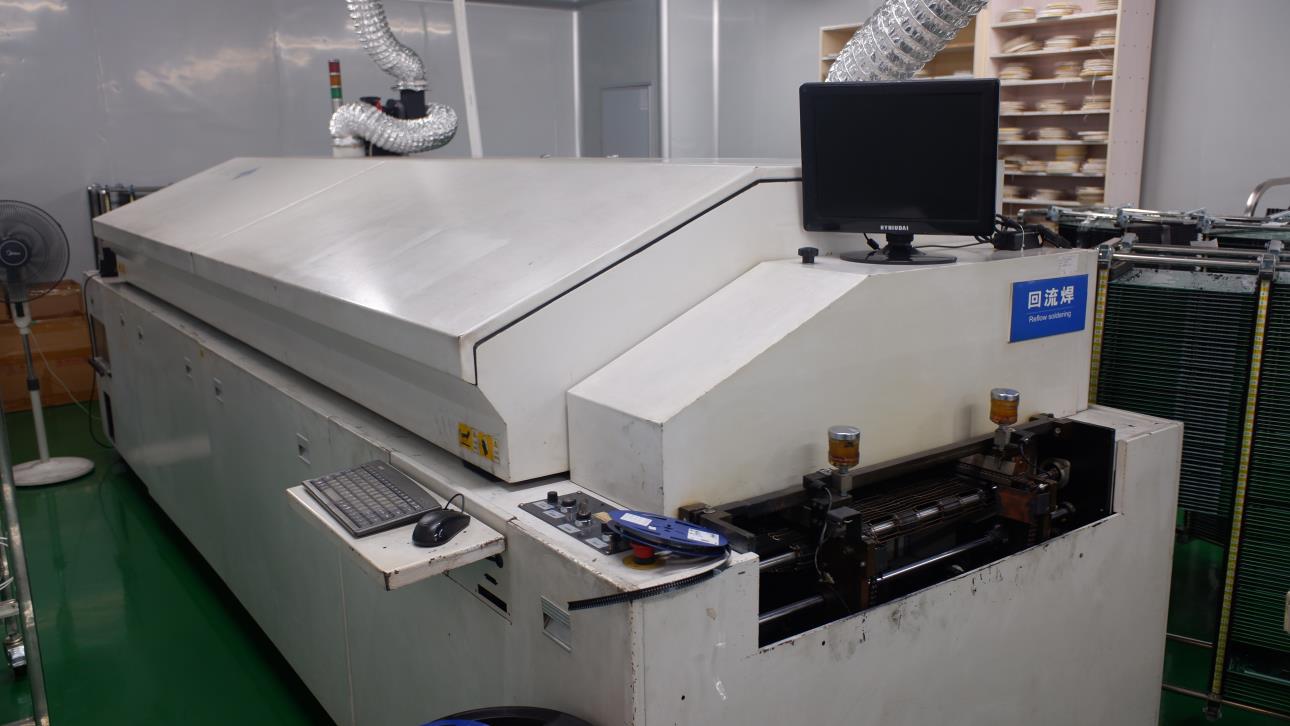
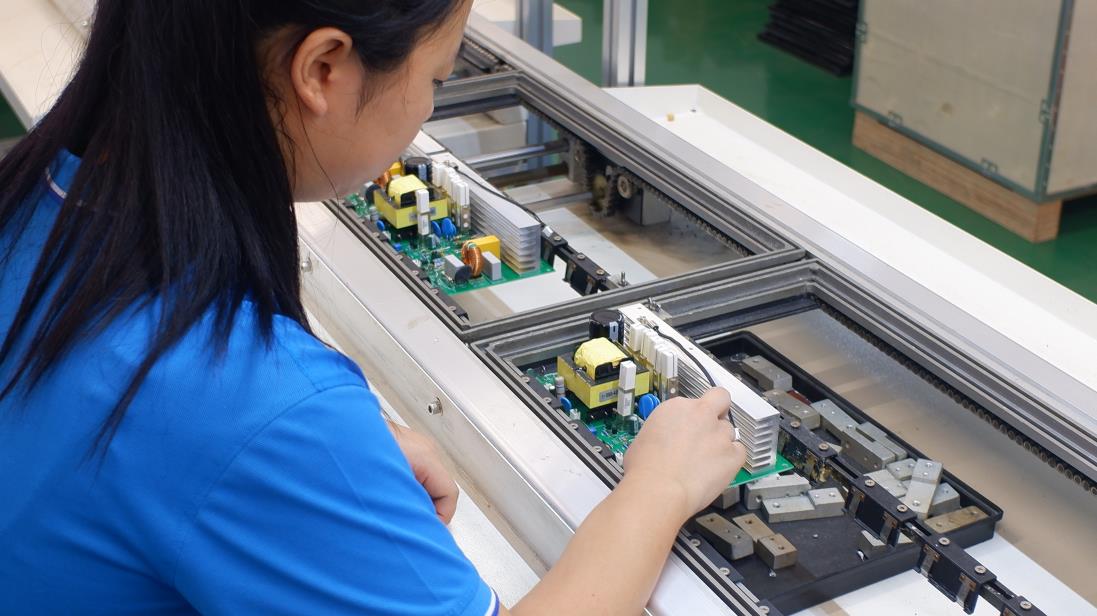
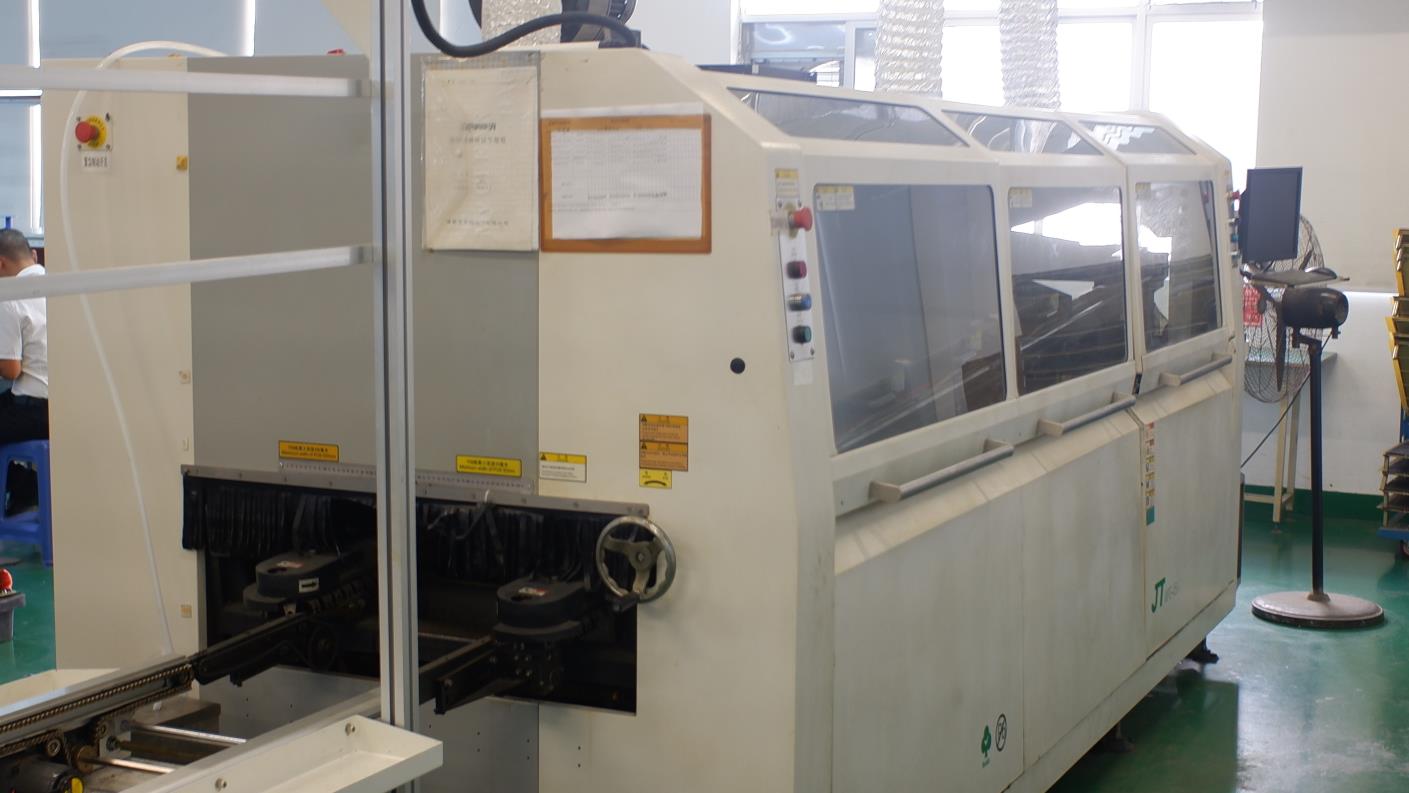
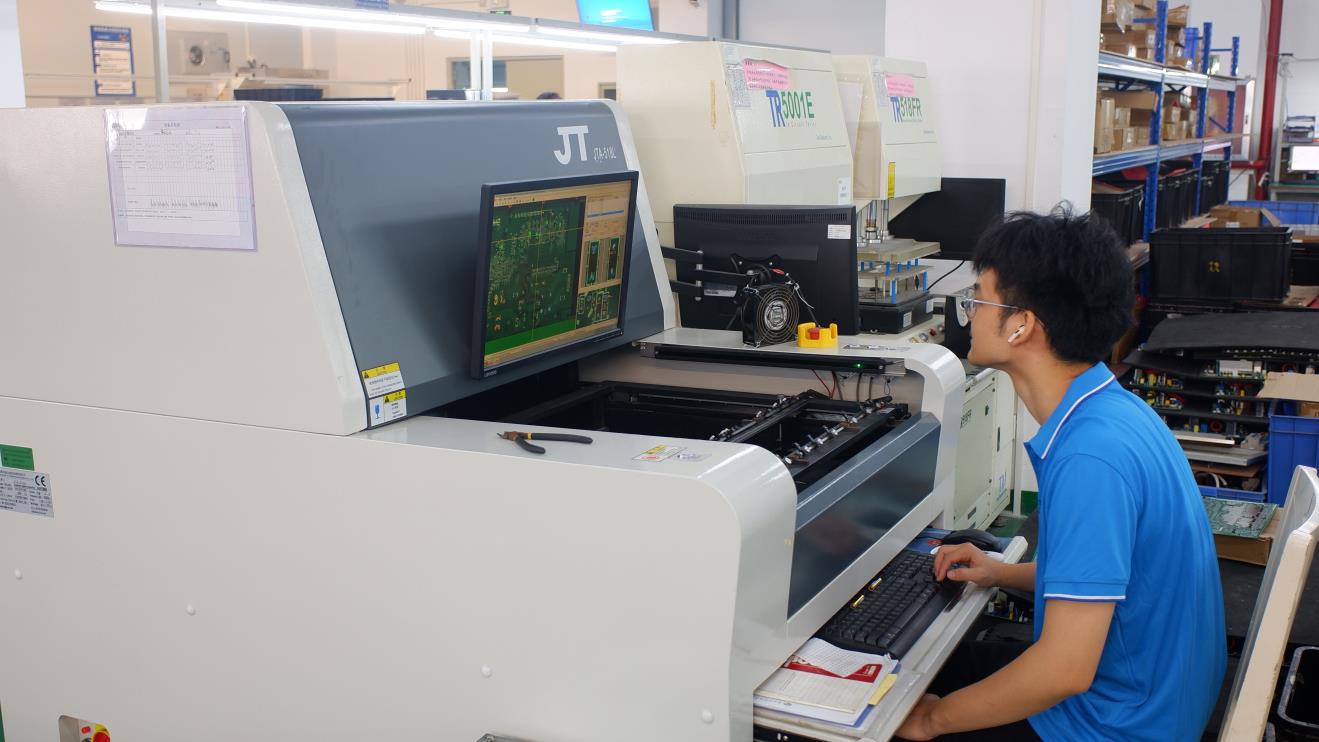
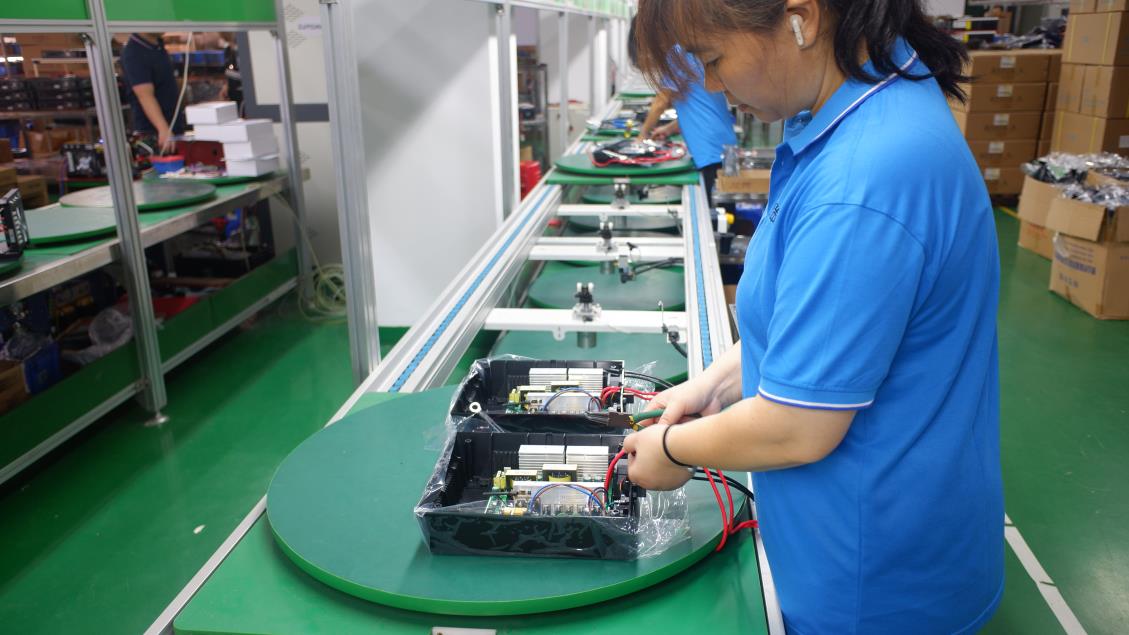
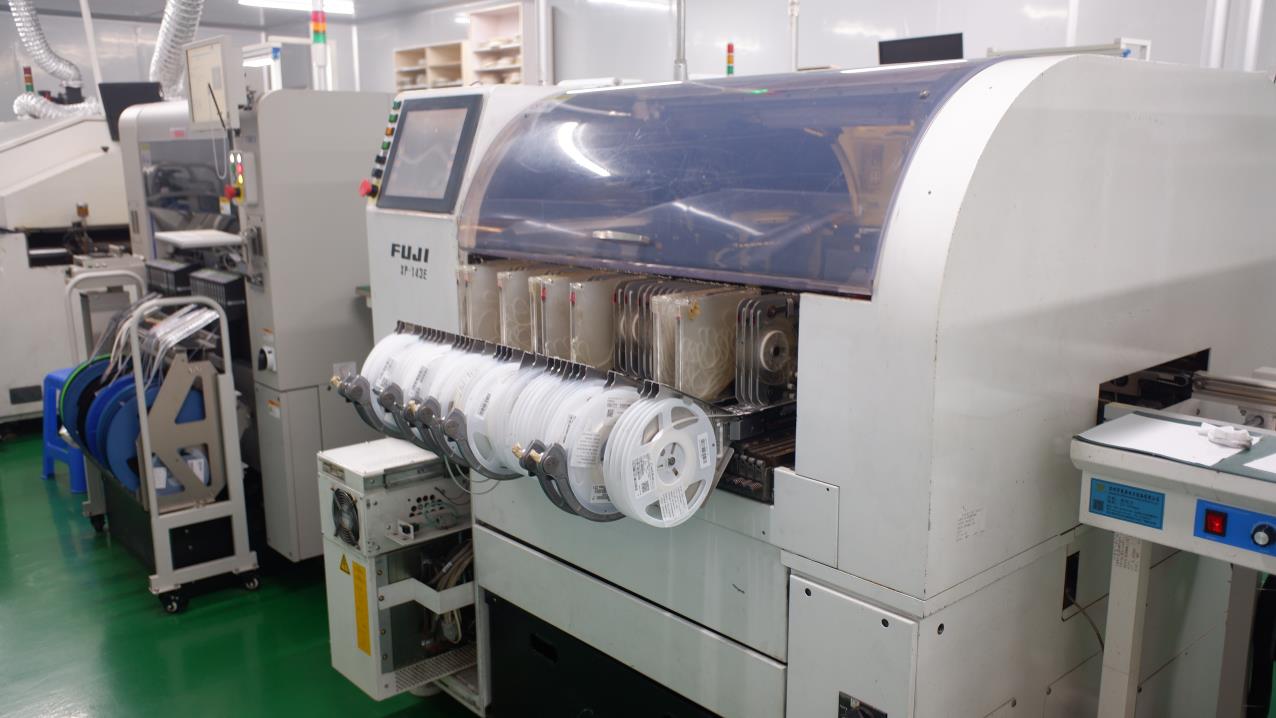
Operates a modern ISO9001-certified manufacturing facility in Jiangxi Province, equipped with advanced automated production lines. The dedicated R&D center focuses on continuous innovation in Battery Management Systems (BMS) and intelligent energy optimization.
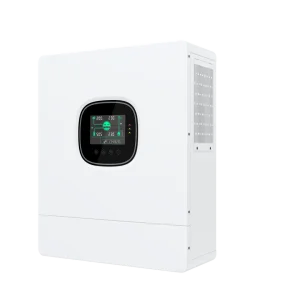
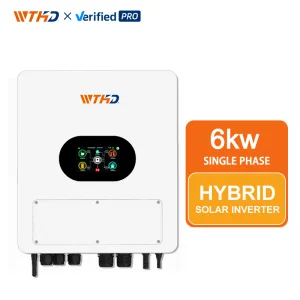
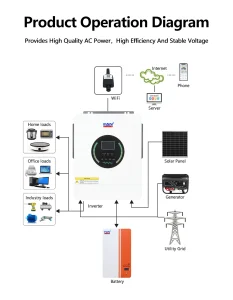
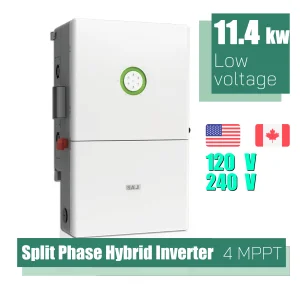
Utilizing 5.5KW to 15KW hybrid inverters, homeowners can integrate solar PV with EV charging. These systems prioritize solar energy for vehicle charging, reducing grid reliance by up to 80%.
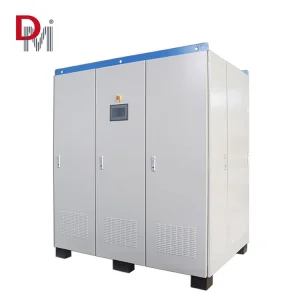
For factories and office buildings, 30KW to 50KW high-voltage inverters manage heavy loads. They offer peak shaving, demand response, and emergency backup, ensuring operational continuity.
In regions with unstable grids, low-frequency hybrid inverters with diesel generator compatibility (like the 240A fast-charging models) provide a lifeline for remote EV infrastructure.
A solar inverter converts DC from panels to AC. An EV charging inverter specifically manages the bi-directional flow of energy between the EV battery, the home/grid, and the solar array, often requiring higher communication protocols (like OCPP).
Most modern hybrid inverters are brand-agnostic as they interact with the energy storage system (ESS). Compatibility depends on the charging station's interface (Type 1, Type 2, or CCS) which the inverter supports via the AC/DC output.
Crucial certifications include ISO9001 for manufacturing, and CE, TUV, or UL for the products depending on your local grid requirements (e.g., UL 1741 for the US market).
Yes, many high-quality units, such as the Yde Power models, support up to 10 or 15 units in parallel, allowing for scalable power from 5KW up to 150KW+.
Optimized for Performance and Longevity
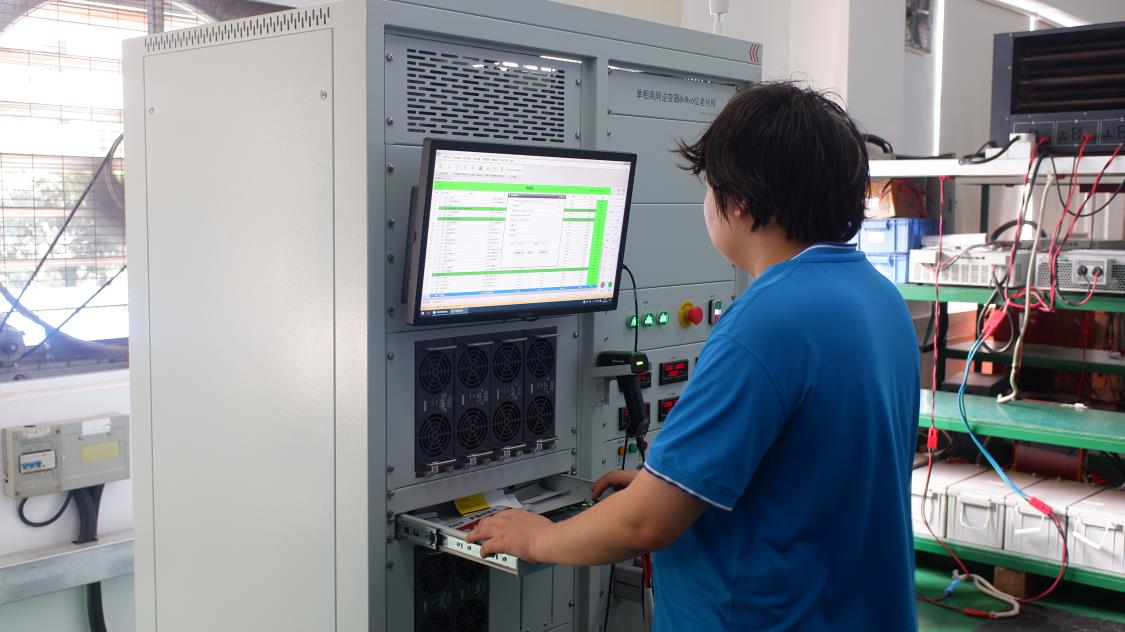
Selecting the right factory for Electric Vehicle Charging Inverters requires a deep dive into their technical stability and long-term support. Suppliers like Yde Power represent the new generation of Chinese manufacturers—those who prioritize R&D and automated precision over mere volume. By focusing on Information Gain and technical transparency (as shown in our aging and SMT process highlights), we ensure that your investment in the EV infrastructure is future-proof and reliable.
 Yde Power