As the global energy landscape undergoes a paradigm shift from centralized fossil-fuel reliance to decentralized renewable ecosystems, the role of the Intelligent Energy Converter has become the linchpin of modern infrastructure. No longer just a simple "DC-to-AC" box, today's converters are sophisticated edge-computing devices capable of managing bidirectional power flows, optimizing battery life through AI-driven algorithms, and ensuring grid stability via millisecond-level response times.
At Shenzhen Yde Power Co., Ltd., we recognize that the "Best Manufacturers" are those who provide more than just hardware. We deliver Information Gain—the strategic advantage of knowing your energy system is future-proof, compliant with local grid codes, and integrated into a global supply chain that prioritizes resilience and technological sovereignty.
Leveraging GaN and SiC power semiconductors to achieve conversion efficiencies exceeding 98.5%, reducing thermal dissipation and extending component lifespan.
Our intelligent converters communicate natively with lithium battery management systems (BMS) via CAN/RS485 protocols to optimize charging curves based on cell health.
Capable of VPP (Virtual Power Plant) participation, peak shaving, and frequency regulation to transform a simple home into a revenue-generating energy node.
Shenzhen Yde Power Co., Ltd. stands as a premier professional manufacturer specializing in residential, commercial, and industrial energy storage systems (ESS). Headquartered in the "Silicon Valley of Hardware," Shenzhen, our company integrates R&D, advanced manufacturing, and global service logistics to provide end-to-end clean energy solutions.
Our operational architecture is designed for scale: a dedicated R&D center in Shenzhen focusing on System Integration and Energy Optimization, and a massive ISO9001-certified production hub in Jiangxi Province. This dual-base strategy allows us to maintain the agility of a tech startup with the heavy-duty production capacity of an industrial giant.
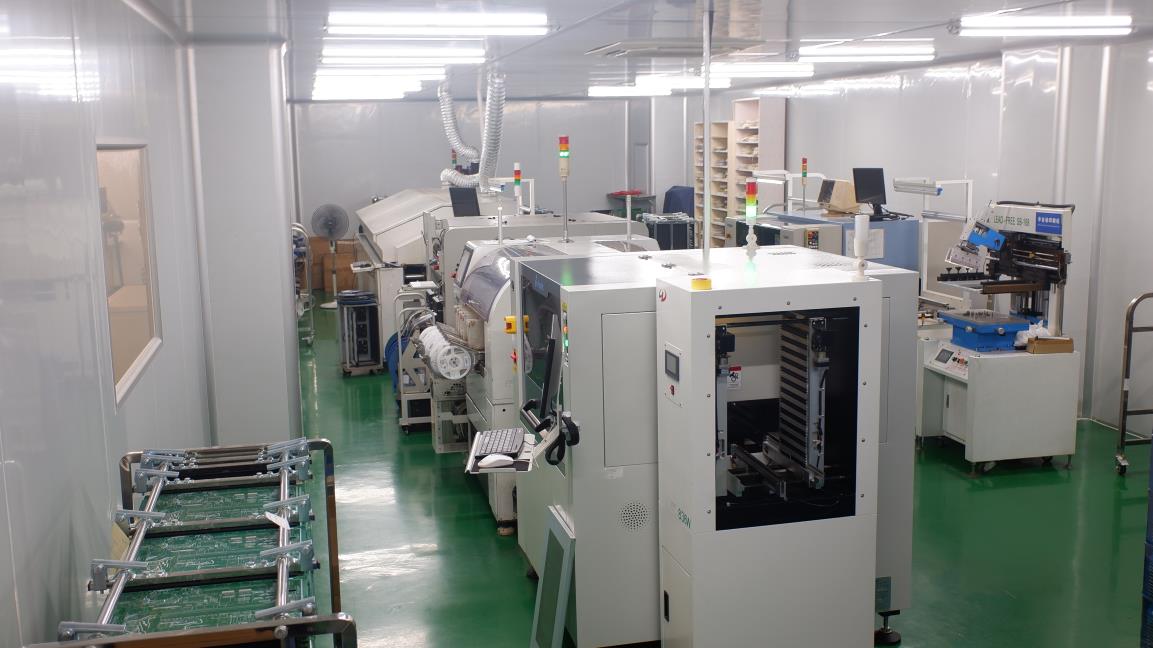
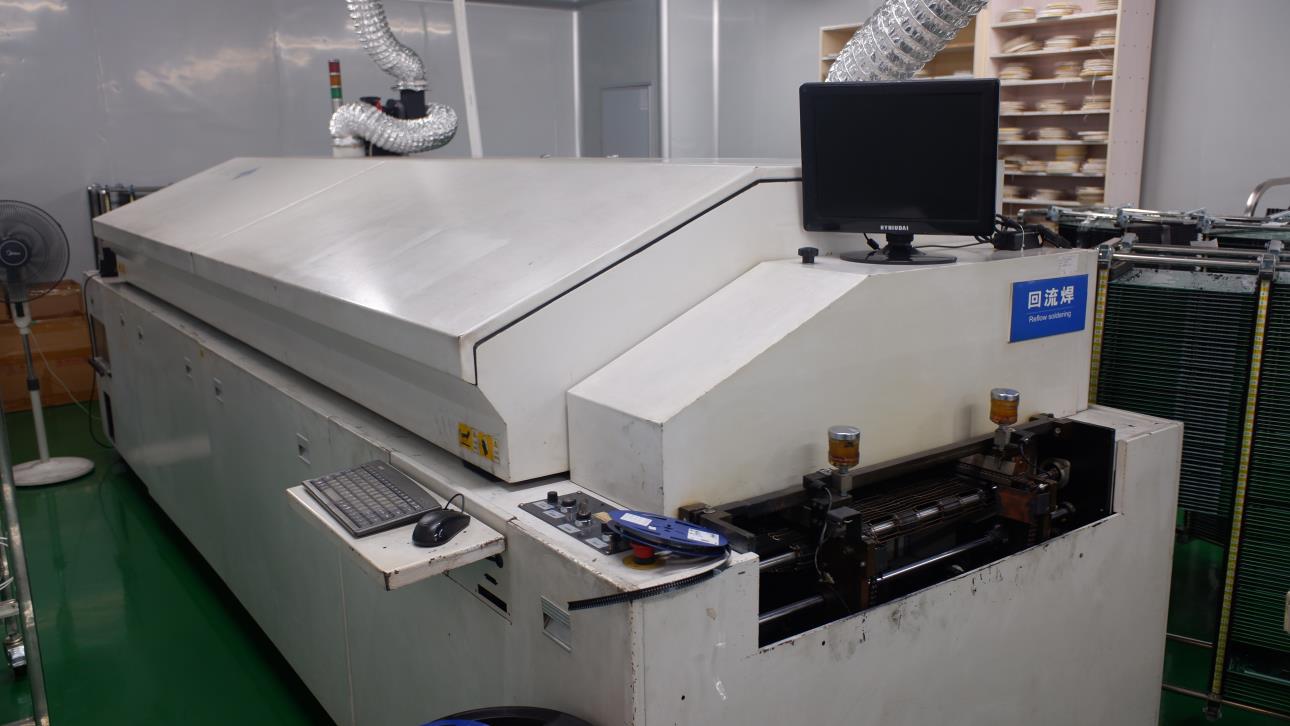
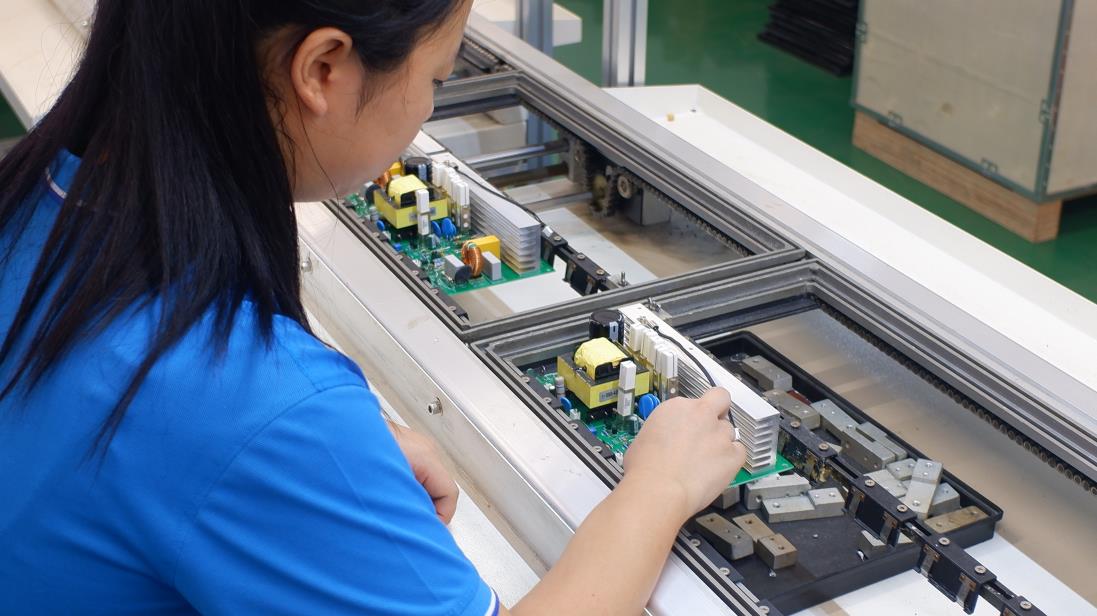
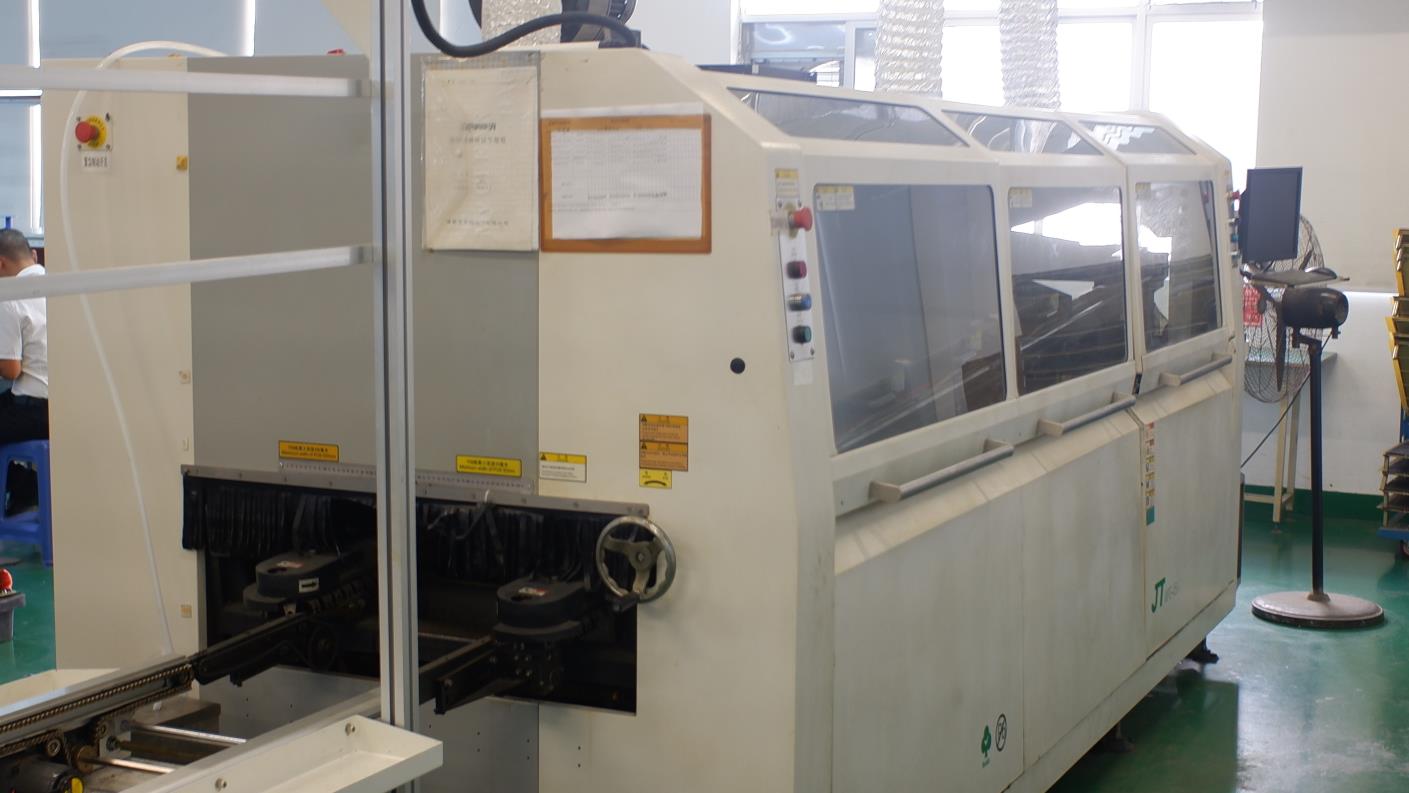
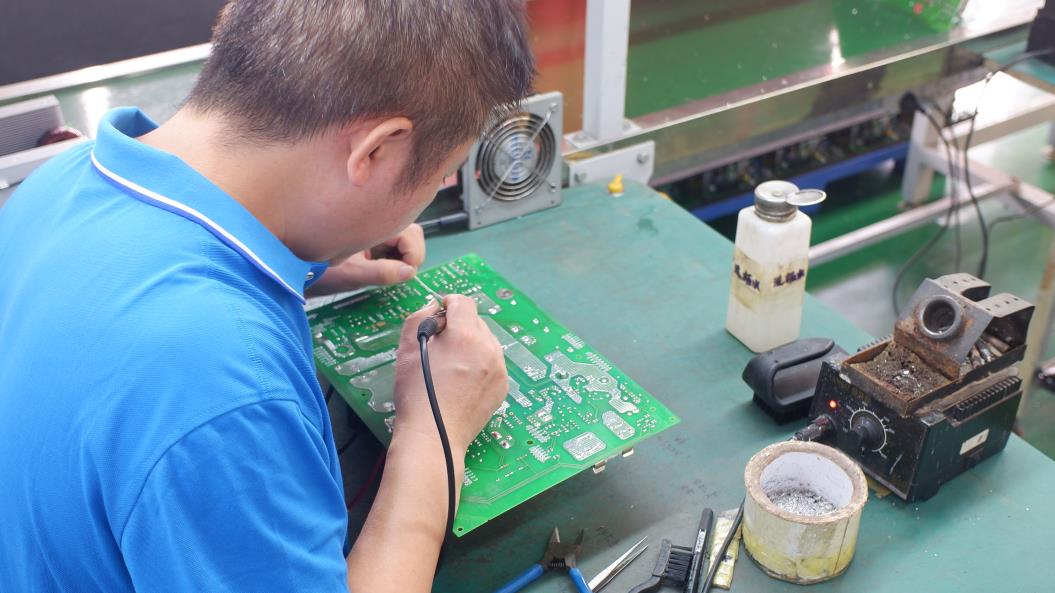
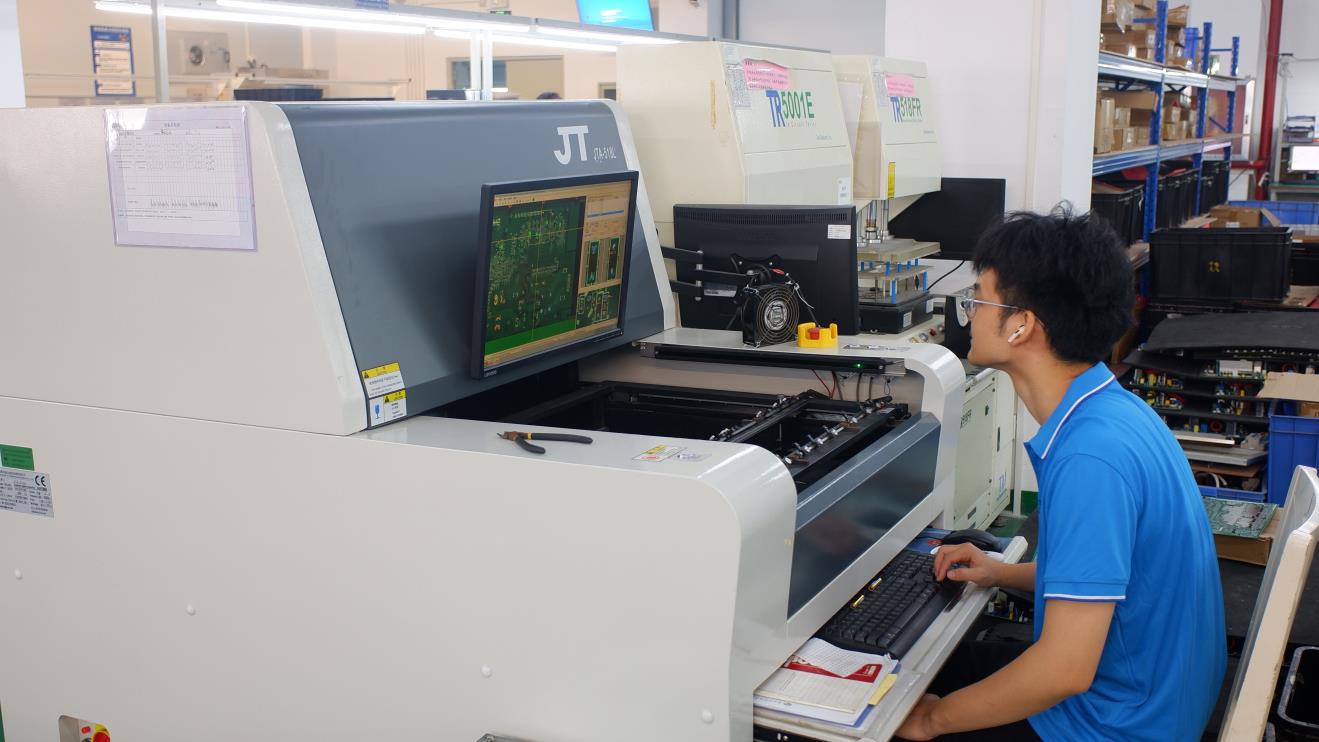
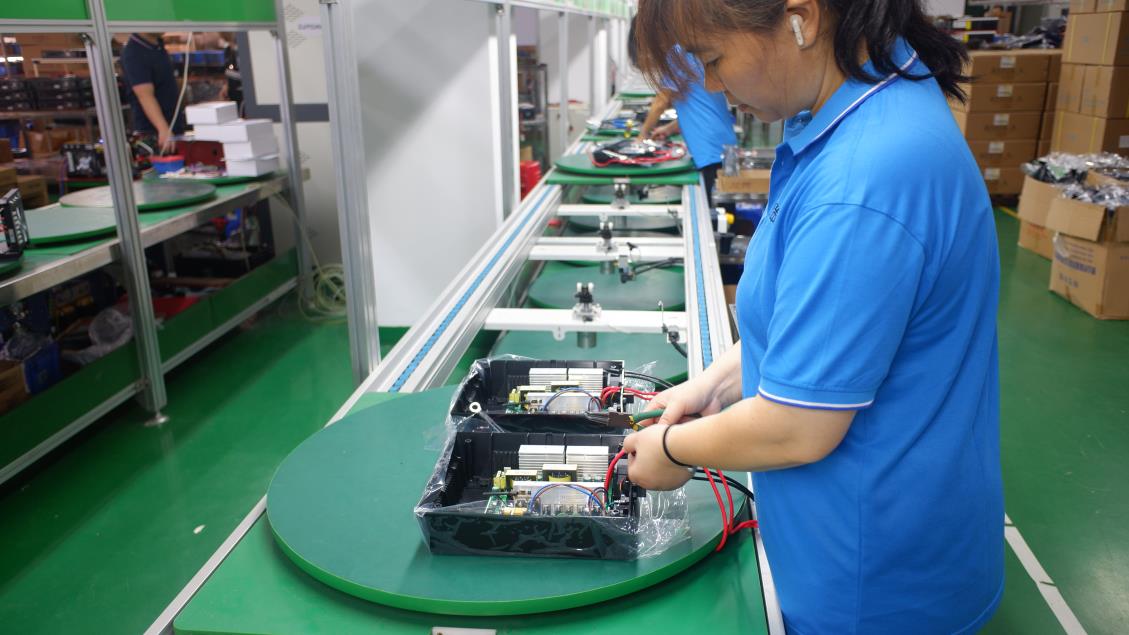
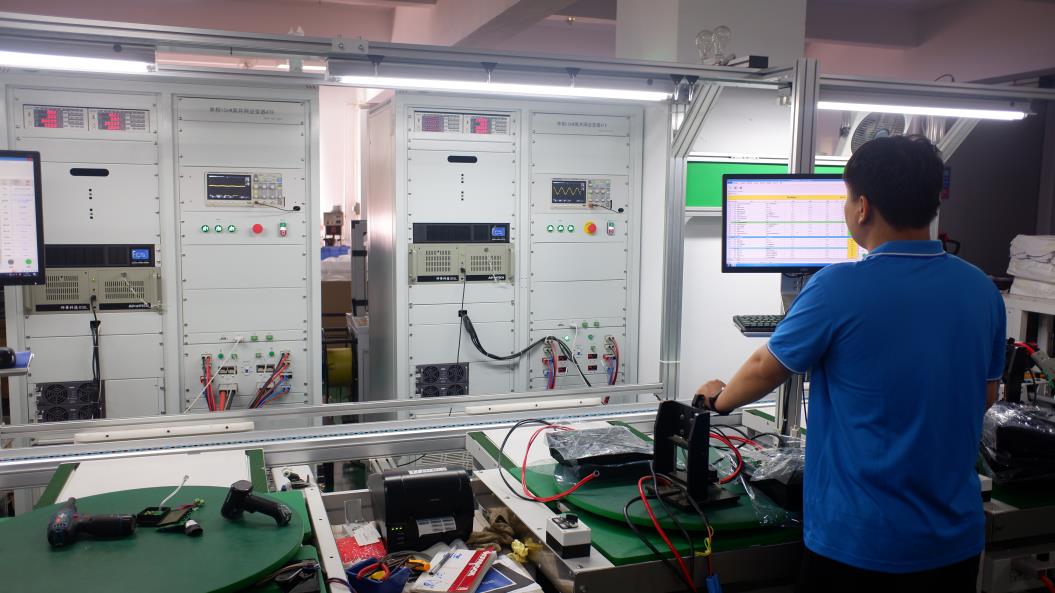
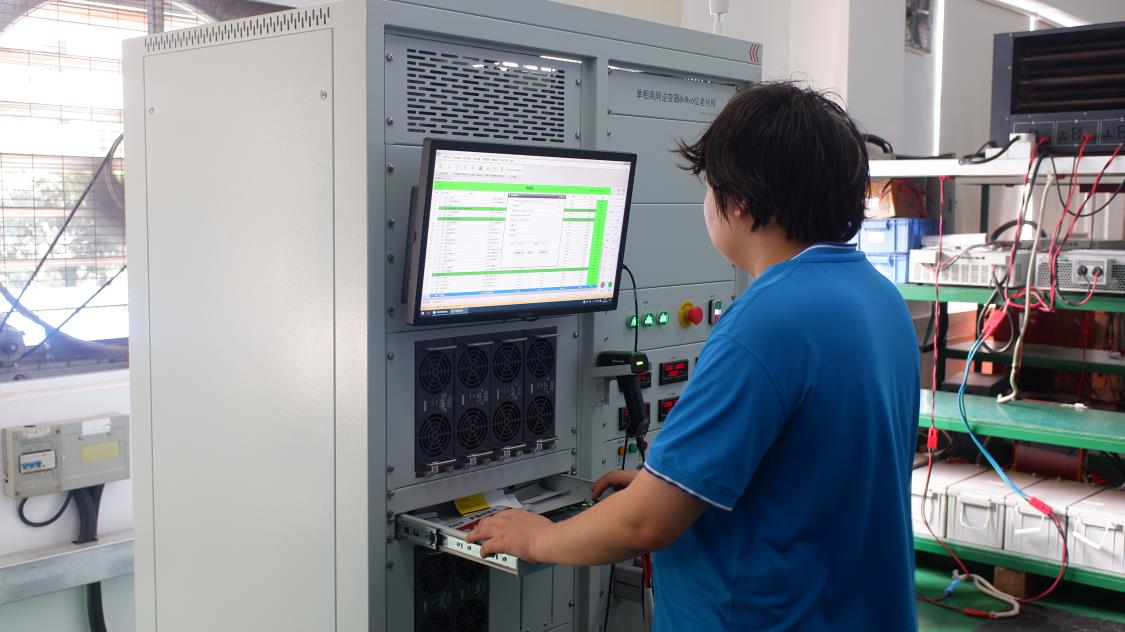
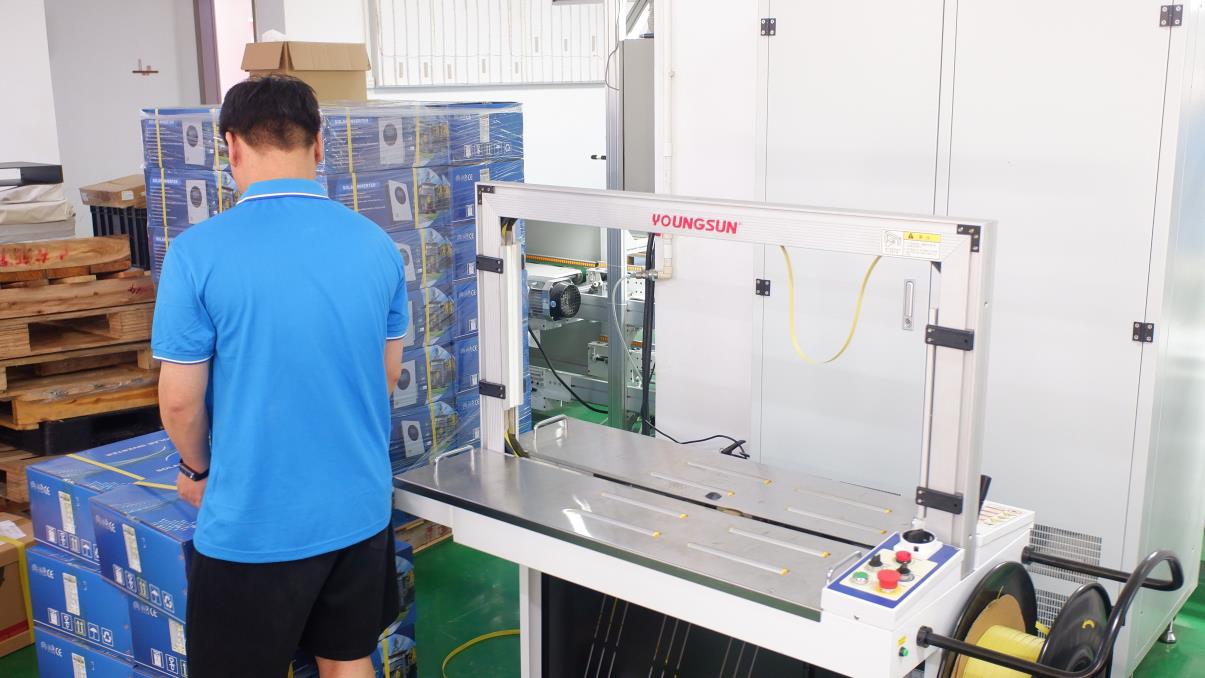
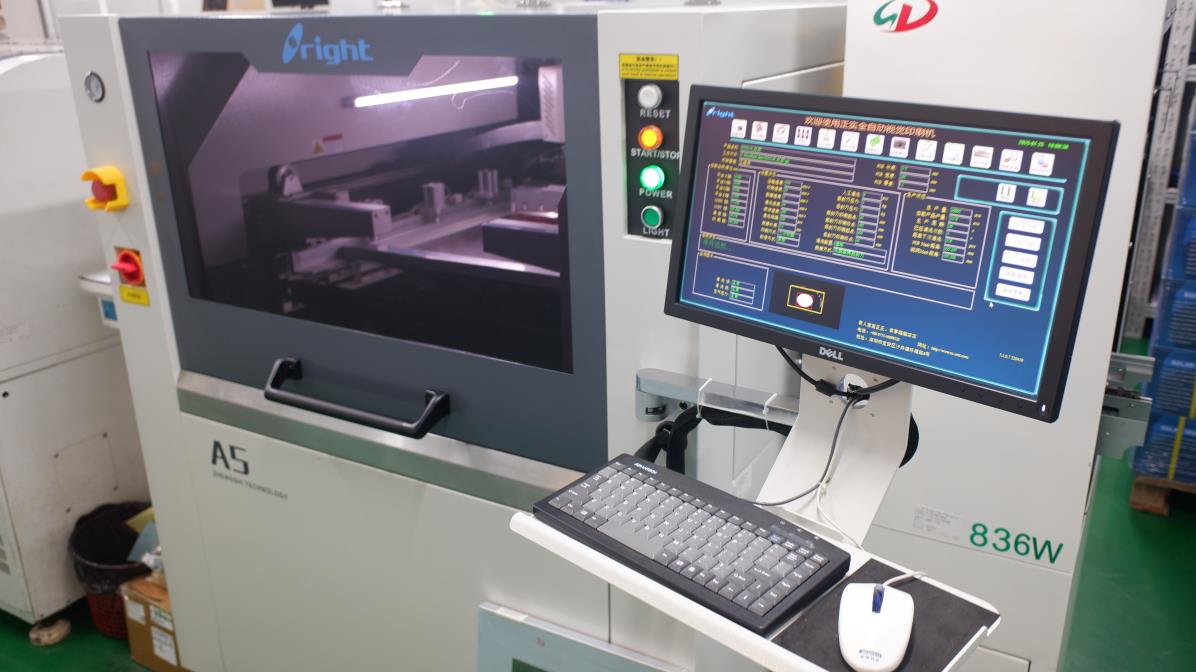
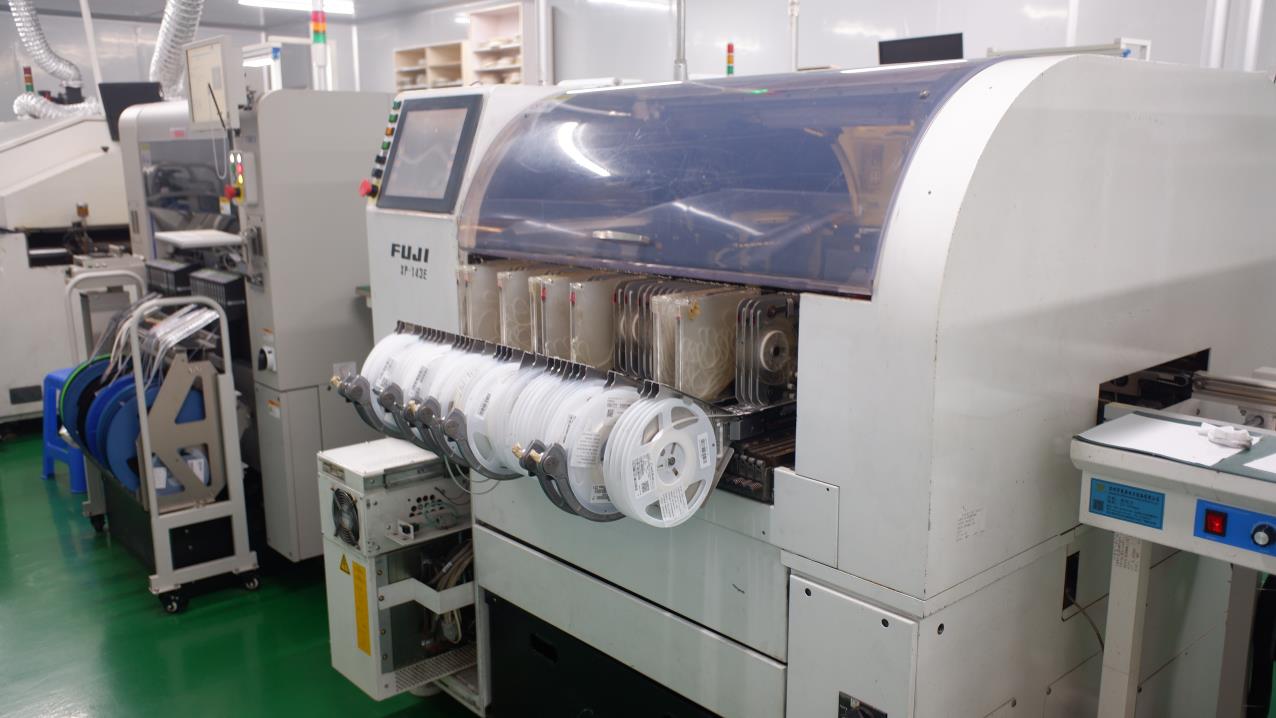
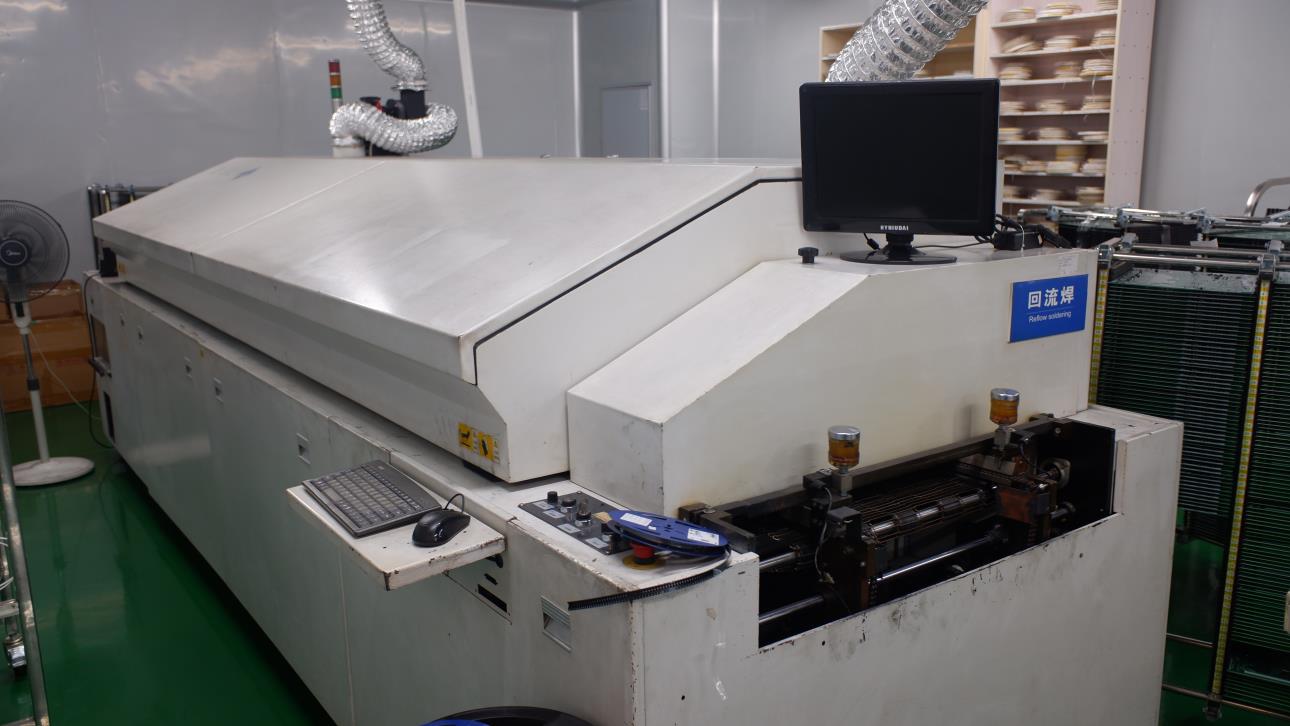
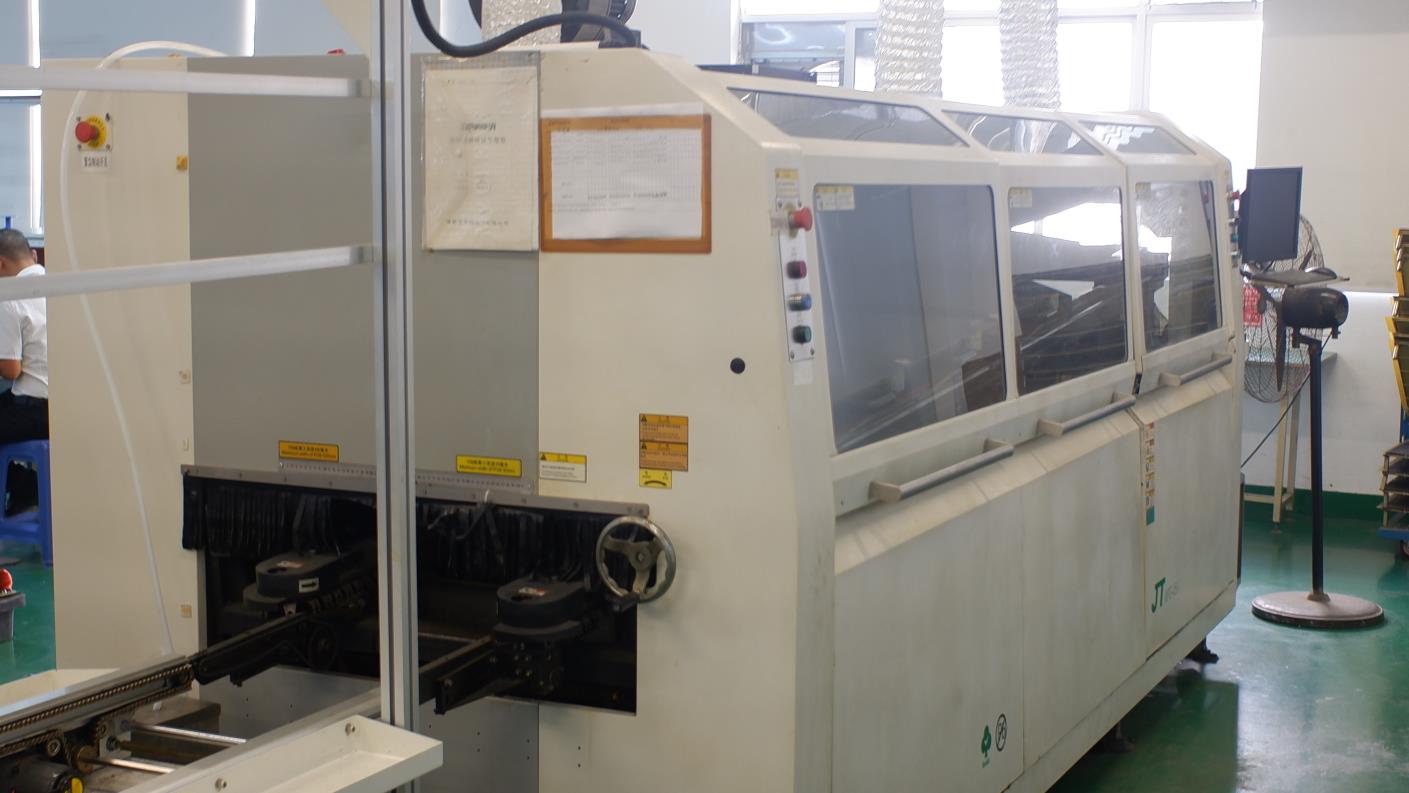
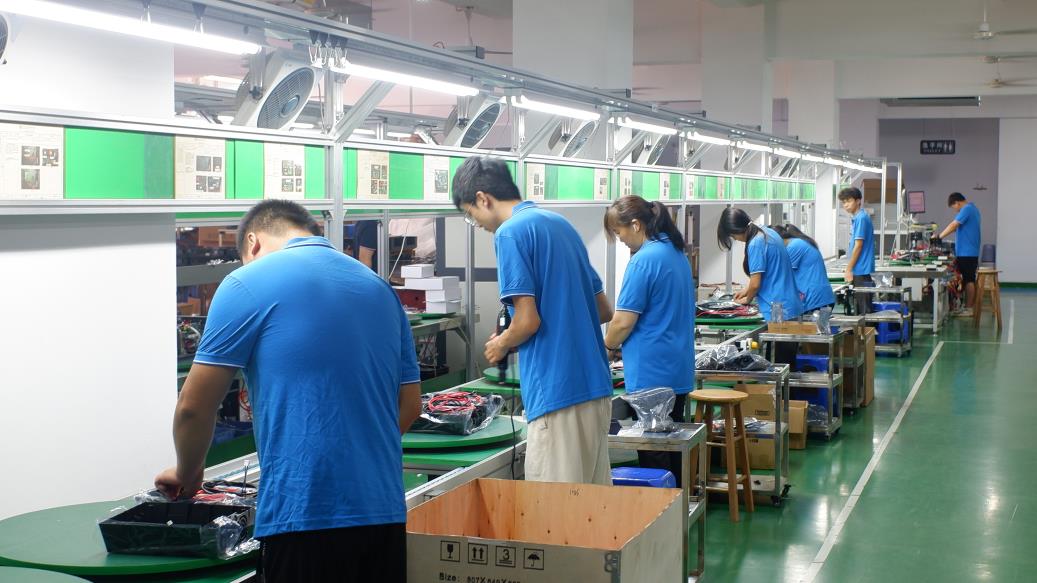
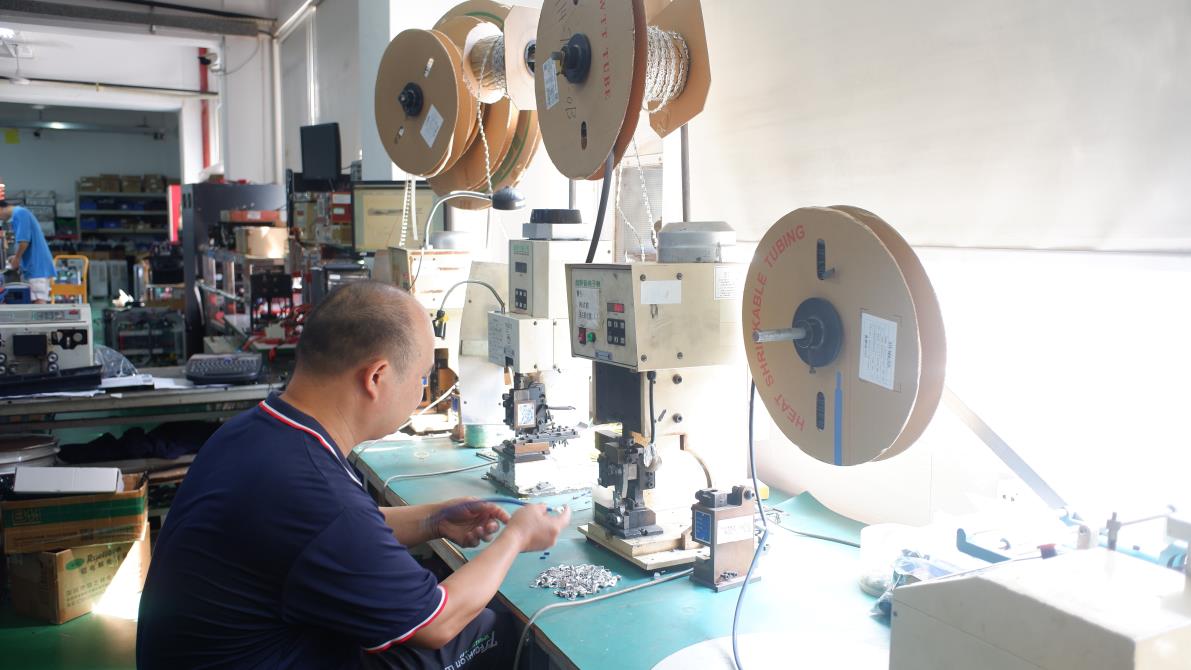
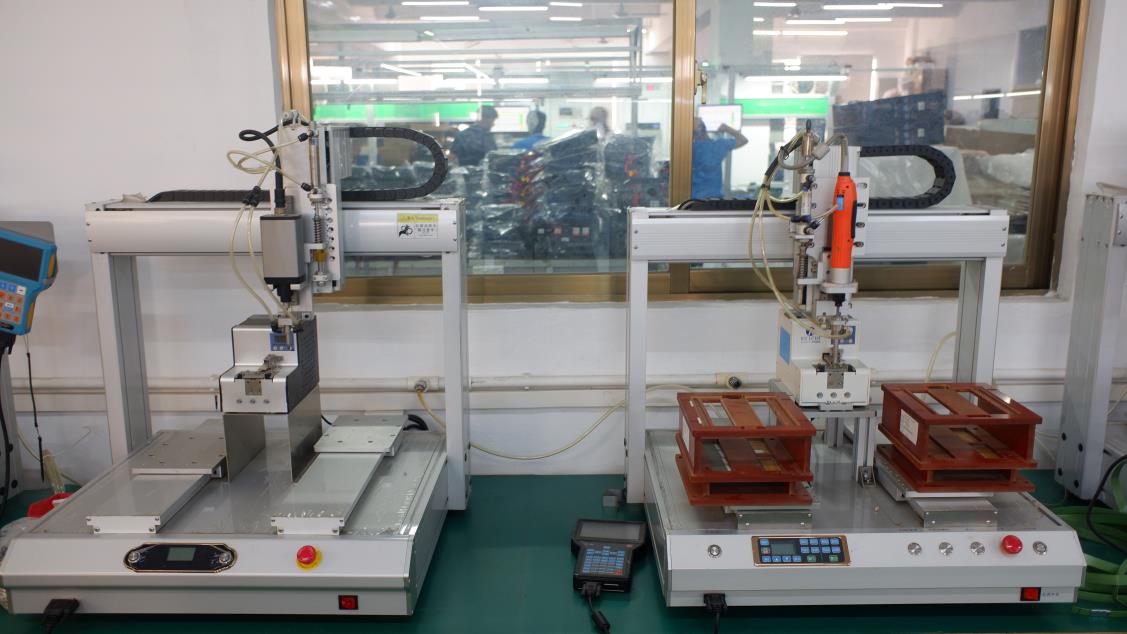
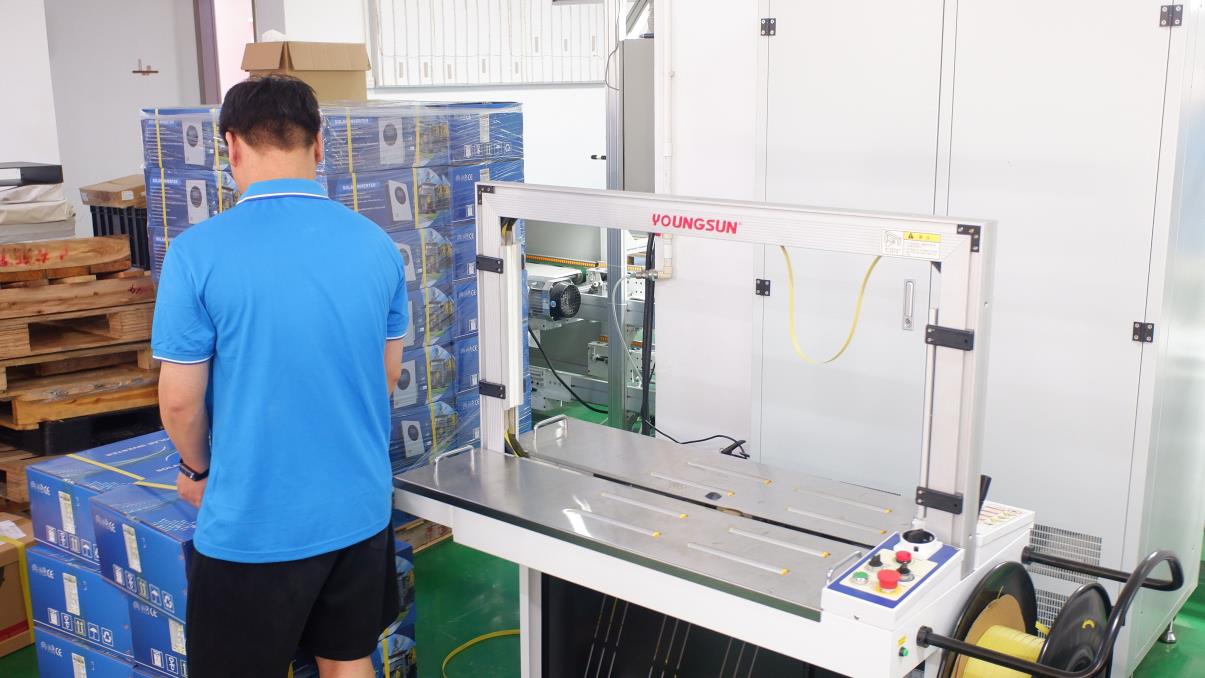
The concentration of the power electronics supply chain in China, particularly in the Shenzhen-Pearl River Delta region, offers unparalleled advantages for global exporters and procurement managers. From raw lithium processing to specialized semiconductor fabrication and advanced PCBA (Printed Circuit Board Assembly) lines, China provides a "One-Stop" ecosystem that minimizes lead times and maximizes cost-efficiency.
By partnering with Yde Power, global enterprises tap into this ecosystem. We provide Localized Support and Compliance Assurance, ensuring that our products meet CE, UL, TUV, and specific local grid requirements (such as G98/G99 for the UK or Rule 21 for California).
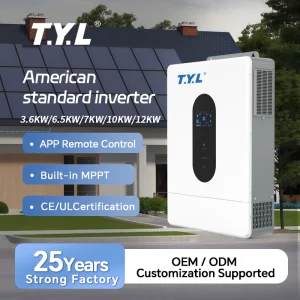
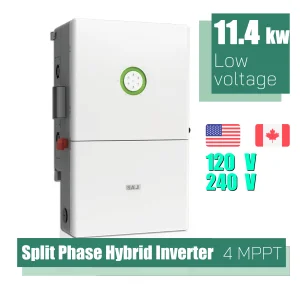
Our intelligent converters are pre-configured with regional grid codes. Whether it’s 50Hz for Europe or 60Hz for North America, our firmware supports multi-standard switching and split-phase outputs (120V/240V) for the US market.
We provide localized technical documentation, remote diagnostic tools, and modular spare parts to our distribution partners, ensuring that "Maintenance" doesn't mean "Downtime."
Designed for regions with strict grid injection rules, our systems include CT (Current Transformer) sensors for zero-export logic and seamless synchronization with backup diesel generators.
Modern procurement managers are no longer looking for the cheapest price point; they are looking for Energy Resilience. The rise of "Intelligent Energy Storage" is driven by three main factors:
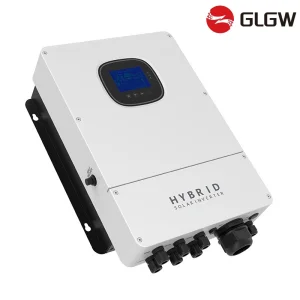
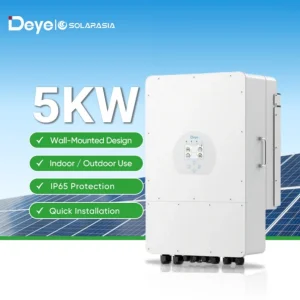
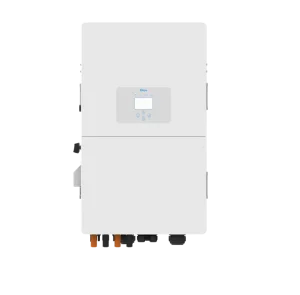
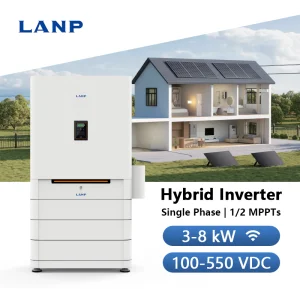
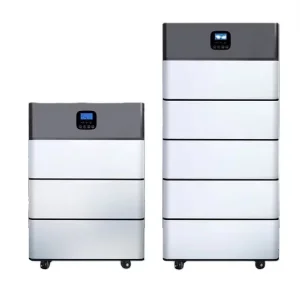
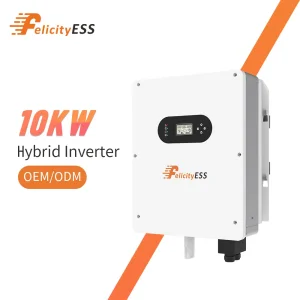
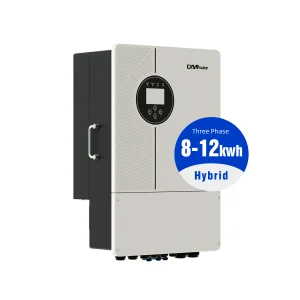
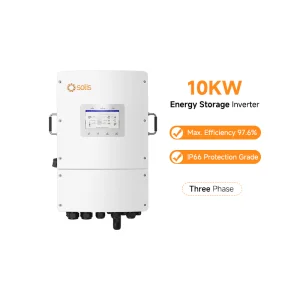
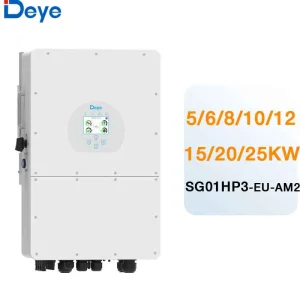
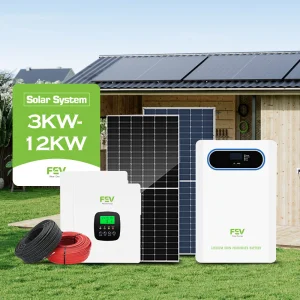
Integrating PV panels, LiFePO4 batteries, and the home grid. Our 5kW to 12kW hybrid inverters provide UPS-level switching (less than 10ms) during power outages, keeping critical loads like refrigerators and medical equipment running.
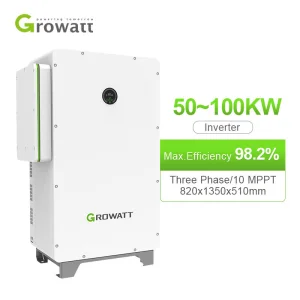
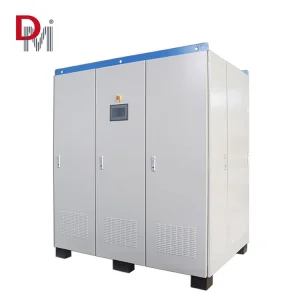
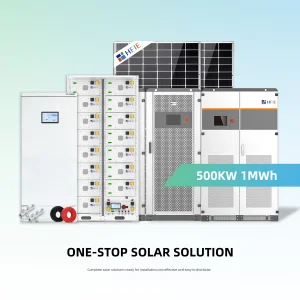
For factories and office buildings, our 50kW-500kW commercial systems reduce "Demand Charges" by discharging stored energy during peak utility hours, significantly lowering the monthly electricity bill.
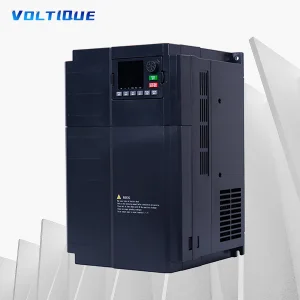
In off-grid areas, our VFD (Variable Frequency Drive) solar pump inverters and high-frequency off-grid converters provide stable power for agriculture and remote communities without access to a centralized grid.
The future of the energy converter lies in Interoperability and High Voltage Architecture. We are seeing a massive shift from 48V low-voltage systems to 400V+ high-voltage systems, which reduce cable losses and improve overall system efficiency. Additionally, the integration of AI for predictive maintenance allows converters to alert owners of potential PV panel degradation or battery cell imbalances before failure occurs.
 Yde Power