China Best Grid Tied Micro Inverter Supplier & Exporter

Decentralized MLPE Solar Systems, High-Efficiency Industrial Grid Integration, and Resilient Solar Supply Chain Solutions from Shenzhen Yde Power Co., Ltd.

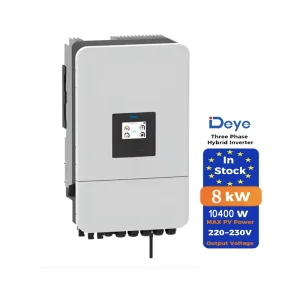
Featured Smart Grid-Tied & Hybrid Inverters

Advanced residential, commercial, and utility-scale energy solutions engineered for optimized yield, long-term durability, and strict grid compliance.
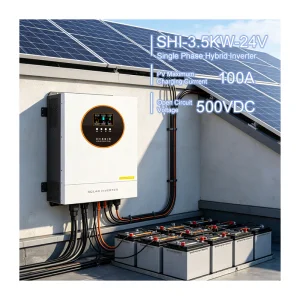
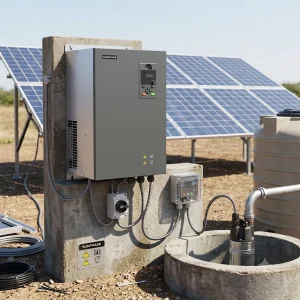
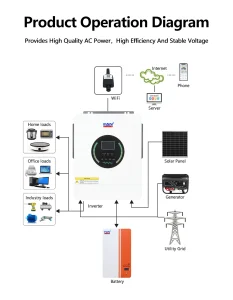
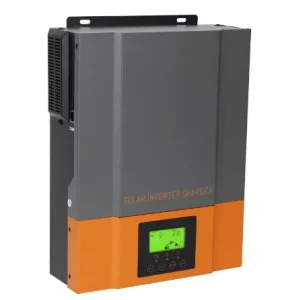
3.5KW 24V Pure Sine Wave Hybrid Inverter

3.5KW 24V Pure Sine Wave Hybrid Inverter 500VDC Wide Voltage Range | Dedicated Equipment for Residential Rooftop PV Plants

View Specifications
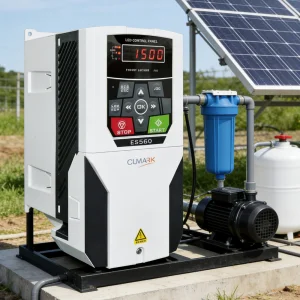
Solar Water Pump Inverter 160kW

Solar Water Pump Inverter 160kW 215HP Hybrid Solar AC AC DC Input with LED Display for Remote Area Deep Well Water Pump System

View Specifications
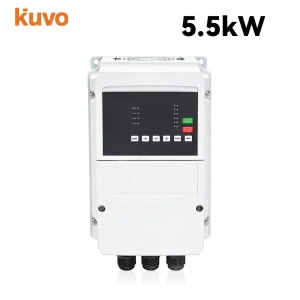
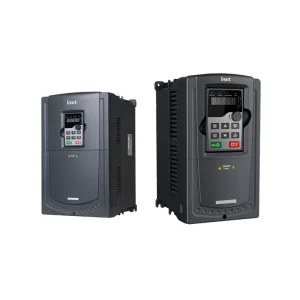
KUVO Waterproof 380V VFD Inverter

KUVO Waterproof 380V Variable Frequency Drive 2.2kW-18.5kW Solar VFD Inverter Three Phase AC Frequency Converter for Motor

View Specifications
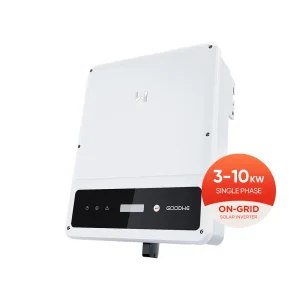
Goodwe Solar Inverter

Goodwe Solar Inverter 3kw 5kw 10kw 8kwon Grid 3000W Pure Sine Wave Solar Panel Power Inverters 6000W

View Specifications
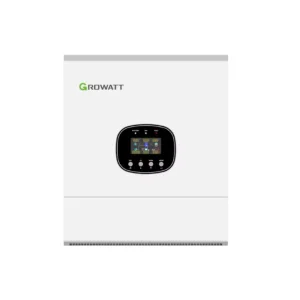
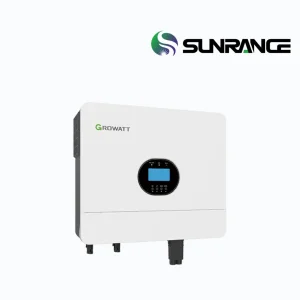
Growatt SPE 6000TL Hybrid Inverter

Generator Compatible IP20 Growatt SPE 6000TL HVM-G2 48VDC String Hybrid Solar Inverter for Off-Grid Living

View Specifications
Reliable 3KW Hybrid Inverter

Reliable 3KW Pure Sine Wave Hybrid Inverter 24VDC Wide PV Range Mains/Generator Compatible for Off-Grid Use

View Specifications
Deye Single Phase Inverter

Deye Single Phase Inverter Hybrid Inverter SUN-SG05LP1-EU 3.6/5/6/7/7.6/8KW Low Voltage for Home Use

View Specifications
VEICHI 355kW Solar Pump Inverter

VEICHI Star Product 355kW AC DC SI23 Solar Pump Inverter With Customized IP54 Control Cabinet for Desert Agricultural Irrigation

View Specifications

The Revolution of MLPE: Understanding Grid-Tied Micro Inverter Architectures

In the rapidly evolving landscape of solar energy conversion, Module-Level Power Electronics (MLPE) have transitioned from a premium niche technology to an industry standard for safety, flexibility, and maximum energy harvest. Traditional string inverters operate on a series connection model, which subjects the entire photovoltaic array to the constraints of the lowest-performing module. When shadow cast, dust accumlation, or component degradation affects one module, the overall string productivity suffers dramatically.

A grid-tied micro inverter solves this fundamental limitation. By deploying dedicated Maximum Power Point Tracking (MPPT) logic at the individual module level, microinverters optimize the electrical performance of each panel independently. The DC power generated by each solar module is immediately converted to utility-frequency AC grid power directly on the roof structure, eliminating high-voltage DC runs (which can exceed 1000V in traditional designs) and mitigating the risk of electric arc fires.

Critical Safety Advantage: Because microinverters operate under a low DC voltage environment (typically <60V), they inherently meet the most stringent safety regulations worldwide, including the rapid shutdown requirements mandated by NEC 2017 & 2020 (National Electrical Code).

Localized Application Scenarios for Grid-Tied Micro Inverters

The modular nature of grid-tied micro inverters permits implementation in complex electrical environments where traditional inverters fail to deliver viability or economic return. Below are three representative use cases illustrating their versatility:

  • European Balcony PV & Urban Plug-and-Play Systems: Driven by favorable regulatory developments (such as the VDE-AR-N 4105 standard in Germany), the 800W microinverter has emerged as a cornerstone of residential urban solar. Tenants and homeowners alike can easily configure a mini-grid system that plugs directly into a standard household wall socket, reducing baseline power draws and accelerating decentralized energy adoption.
  • Complex Architectural Layouts & Dynamic Shading: In dense residential zones, rooftops present complex geometries with multi-directional pitches, gables, dormers, and nearby tree canopy shading. Traditional string systems require matching orientations; microinverters permit PV layout configurations featuring mixed tilt angles, split orientations, and dynamic shading patterns without mutual system interference.
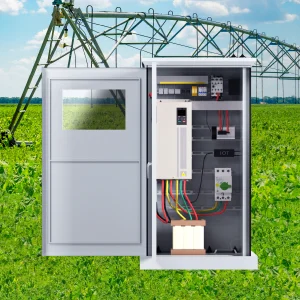
  • Agricultural Infrastructure & Dynamic Loads: Off-grid and weak-grid agricultural setups benefit from combining high-reliability VFDs (Variable Frequency Drives) and microinverters. While large solar water pump arrays utilize heavy-duty pump controllers (such as the VEICHI 355kW or the 160kW hybrid AC/DC platforms), secondary operations like automated drip systems, ventilation fans, and monitoring instrumentation run optimally when paired with grid-tied microinverters on nearby support roofs.

Technology Roadmap and Future Industry Outlook

The future of MLPE lies in high-density integration, wide-bandgap (WBG) power semiconductors, and localized grid-support capabilities. Current research and manufacturing pipelines are prioritizing three main technological trajectories:

  1. Gallium Nitride (GaN) and Silicon Carbide (SiC) Integration: The adoption of GaN switches enables higher switching frequencies, which in turn reduces the physical footprint of magnetic components (inductors and transformers). This transition enables power output densities to scale up to 1000W+ per channel while preserving compact, lightweight physical packaging.
  2. Bidirectional Architecture & V2H Integration: Next-generation microinverter modules will feature bidirectional topology, facilitating localized battery integration without secondary external rectifiers. This bridges the gap between grid-tied execution and micro-storage solutions, supporting Vehicle-to-Home (V2H) dynamics directly at the PV panel node.
  3. Active Grid Support & Dynamic Zero-Export Control: Advanced software integration enables real-time interaction with local utility networks. In zones where feed-in tariffs are constrained, microinverters employ sub-second dynamic adjustment of reactive power to prevent voltage surges, ensuring stable zero-export performance when coordinated with smart CT meters.

Corporate Profile – Shenzhen Yde Power Co., Ltd.

Shenzhen Yde Power Co., Ltd. is a professional manufacturer specializing in residential, commercial, and industrial energy storage systems (ESS). Headquartered in Shenzhen, China, the company integrates research and development, production, sales, and service to deliver comprehensive clean energy solutions to global markets.

In addition to its headquarters in Shenzhen, Yde Power operates a modern ISO9001-certified manufacturing facility in Jiangxi Province, equipped with advanced automated production lines and stringent quality control systems. The company also maintains a dedicated R&D center in Shenzhen, focusing on continuous innovation in battery management systems (BMS), system integration, and intelligent energy optimization technologies.

Shenzhen Yde Power Co., Ltd. is committed to the development of efficient, safe, and environmentally friendly energy storage solutions. Its product portfolio includes residential battery storage systems, commercial and industrial energy storage cabinets, and scalable utility-grade ESS solutions designed to support grid stability, renewable energy integration, and peak shaving applications.

With the expansion of its Jiangxi manufacturing base, the company has significantly enhanced its production capacity, supply chain efficiency, and product diversity. This enables Yde Power to respond quickly to global customer demands while maintaining high standards of reliability and performance.

Driven by innovation and sustainability, Shenzhen Yde Power Co., Ltd. continuously invests in new technologies, intelligent manufacturing processes, and international quality certifications. The company aims to become a trusted global partner in the energy storage industry, contributing to a cleaner and more sustainable energy future.

Industrial Supply Chain Resilience & Manufacturing Capacity

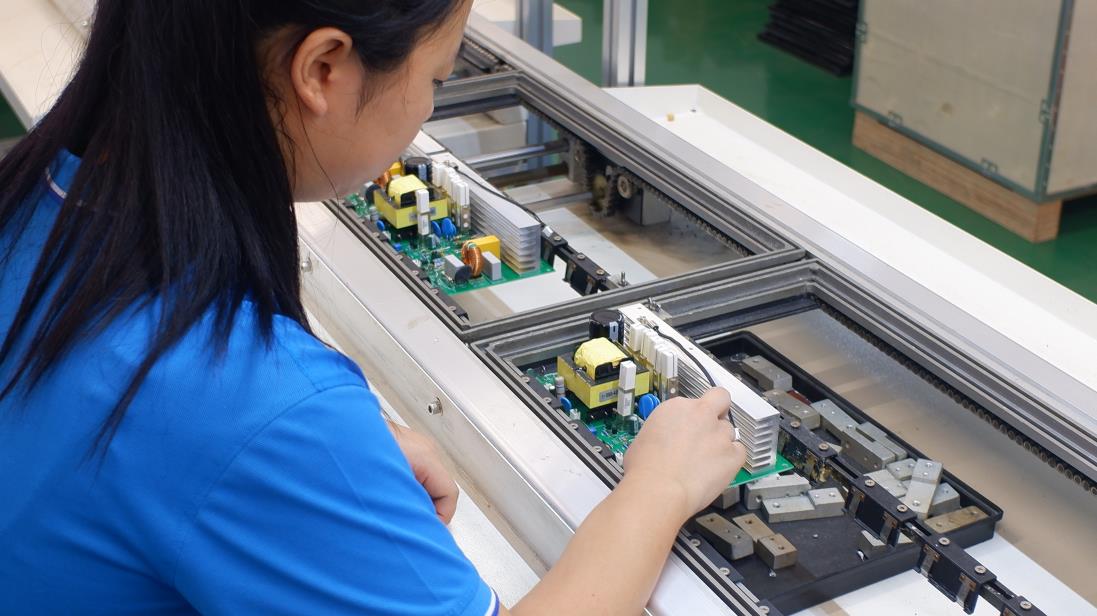
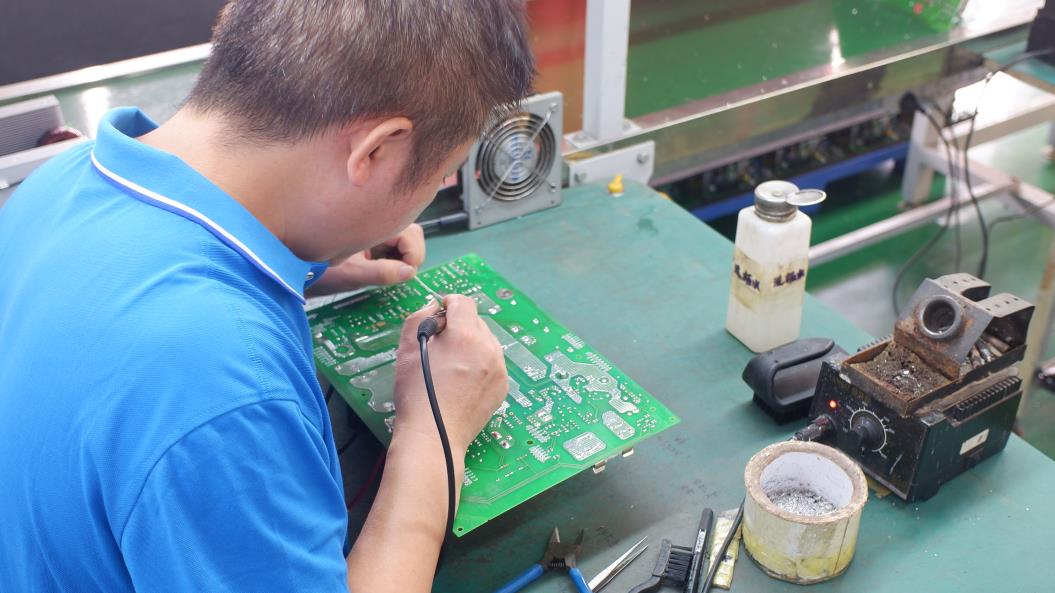
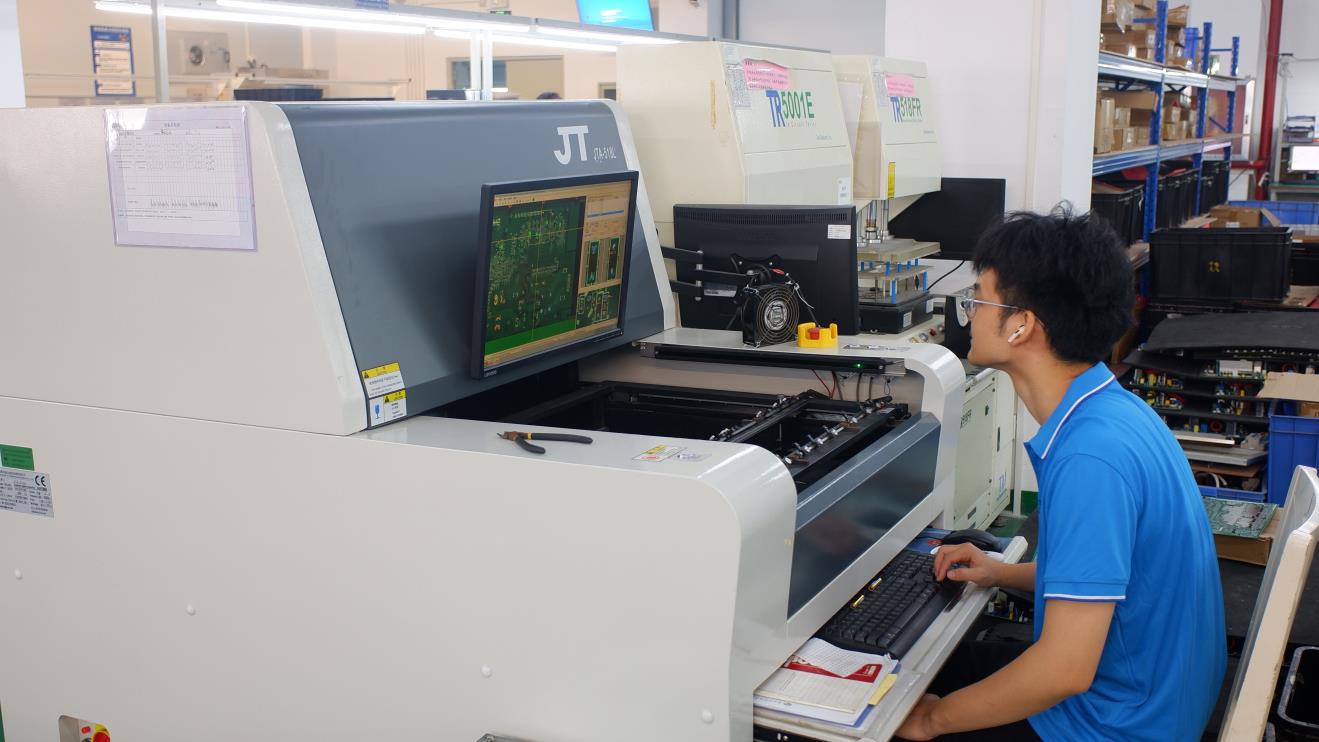
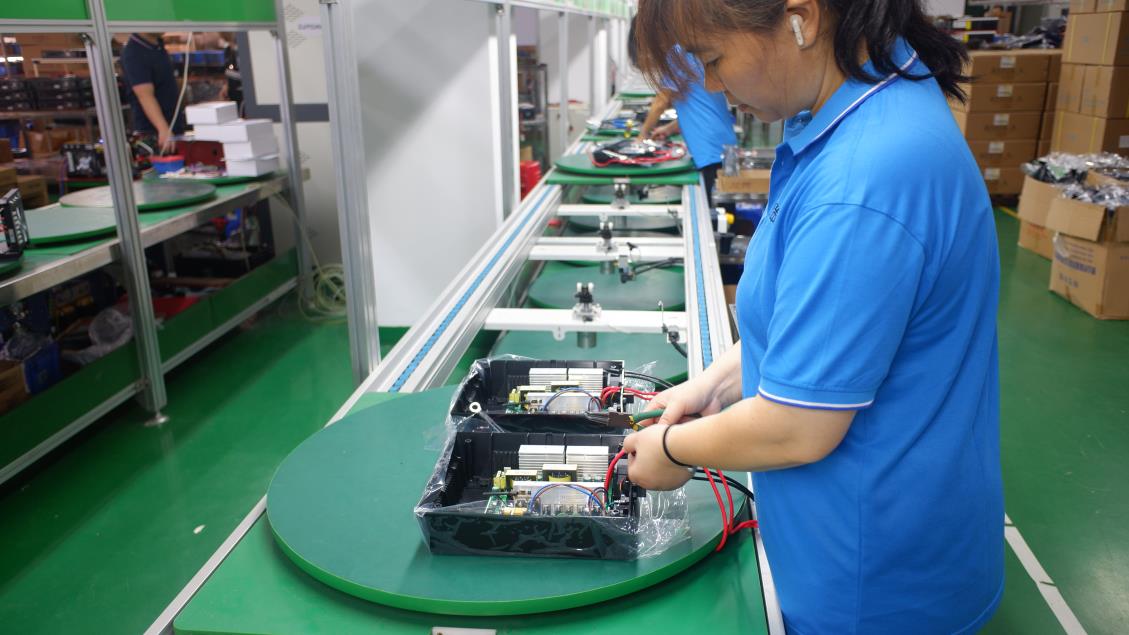
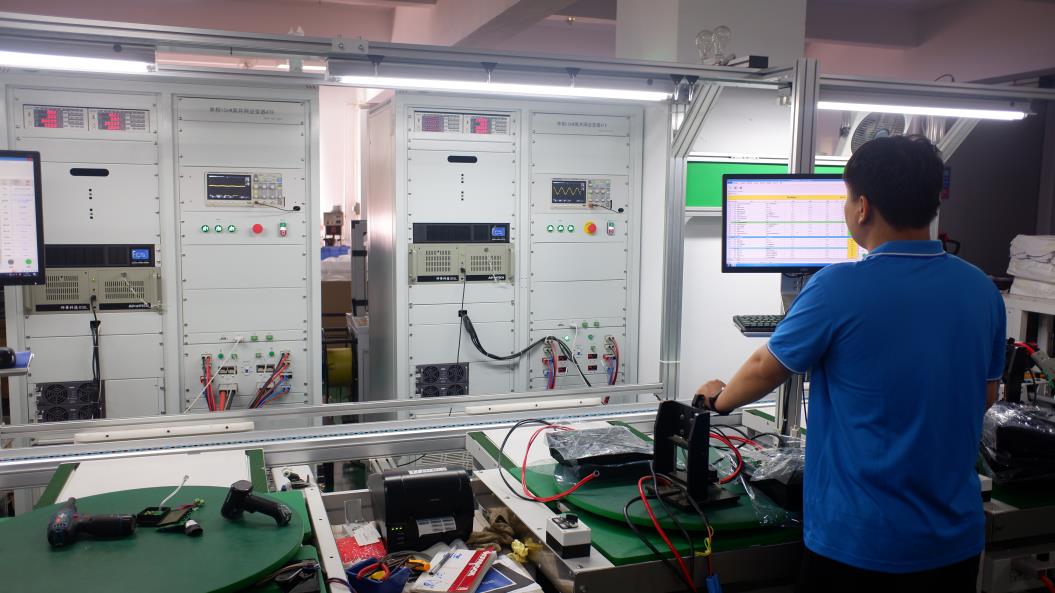
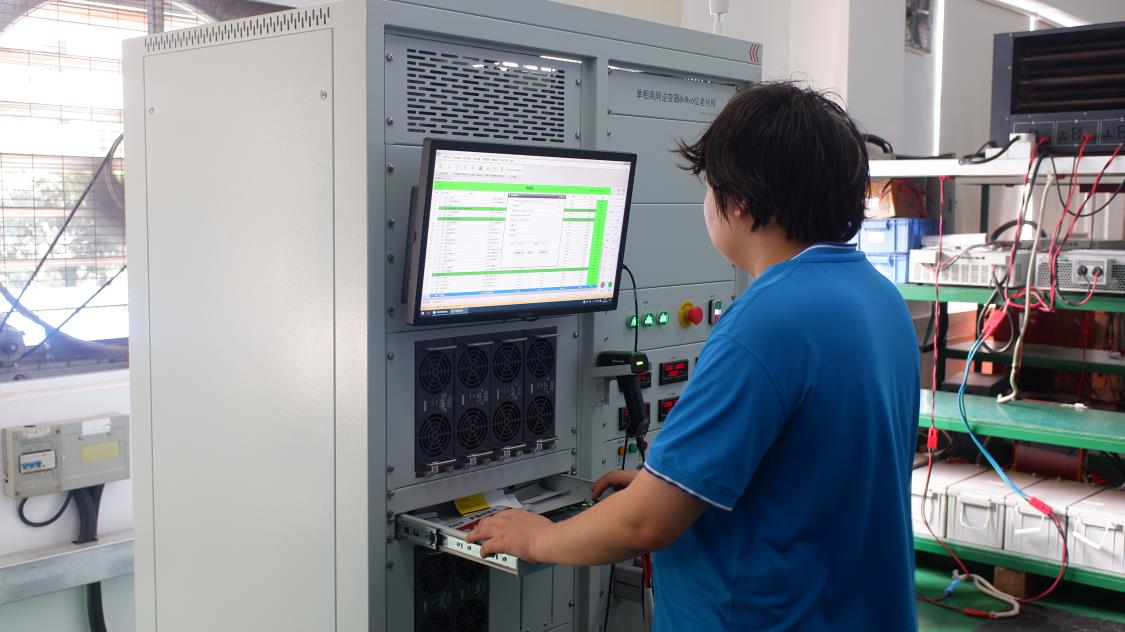
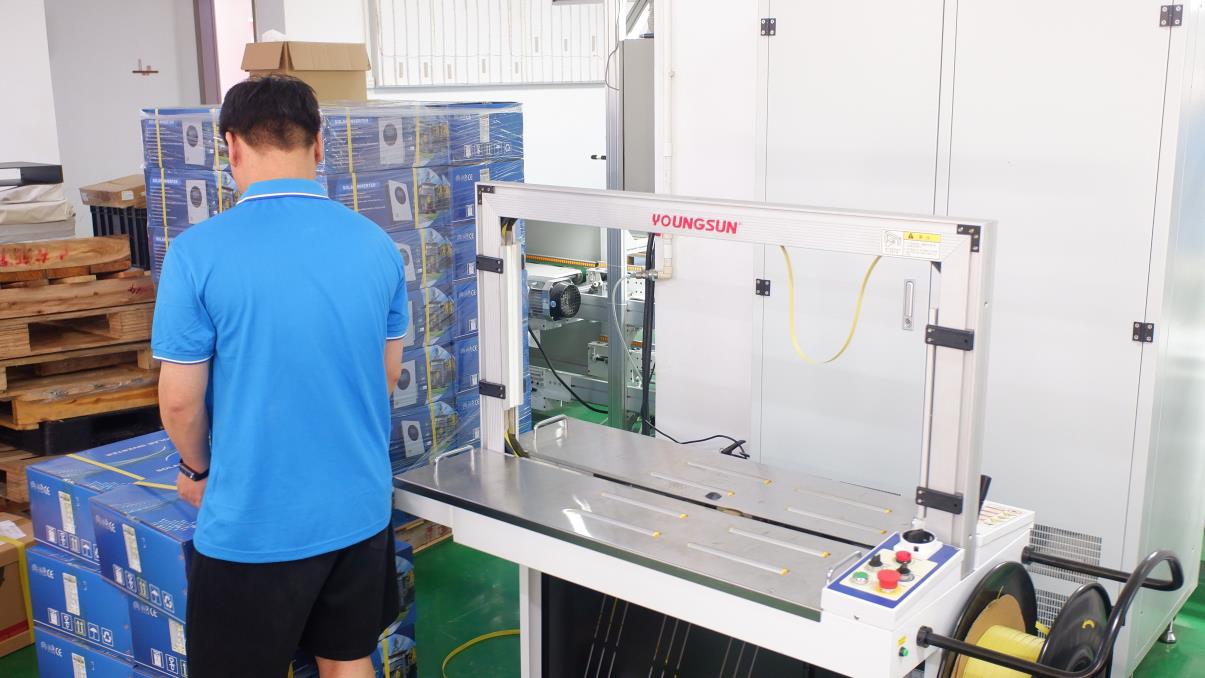
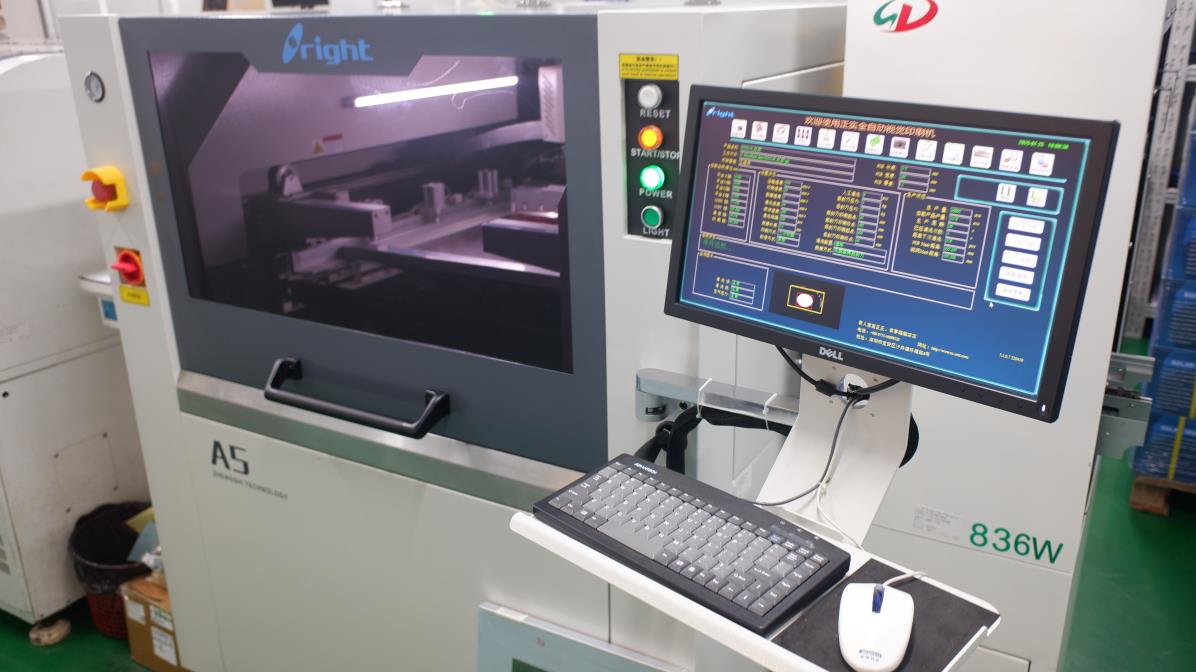
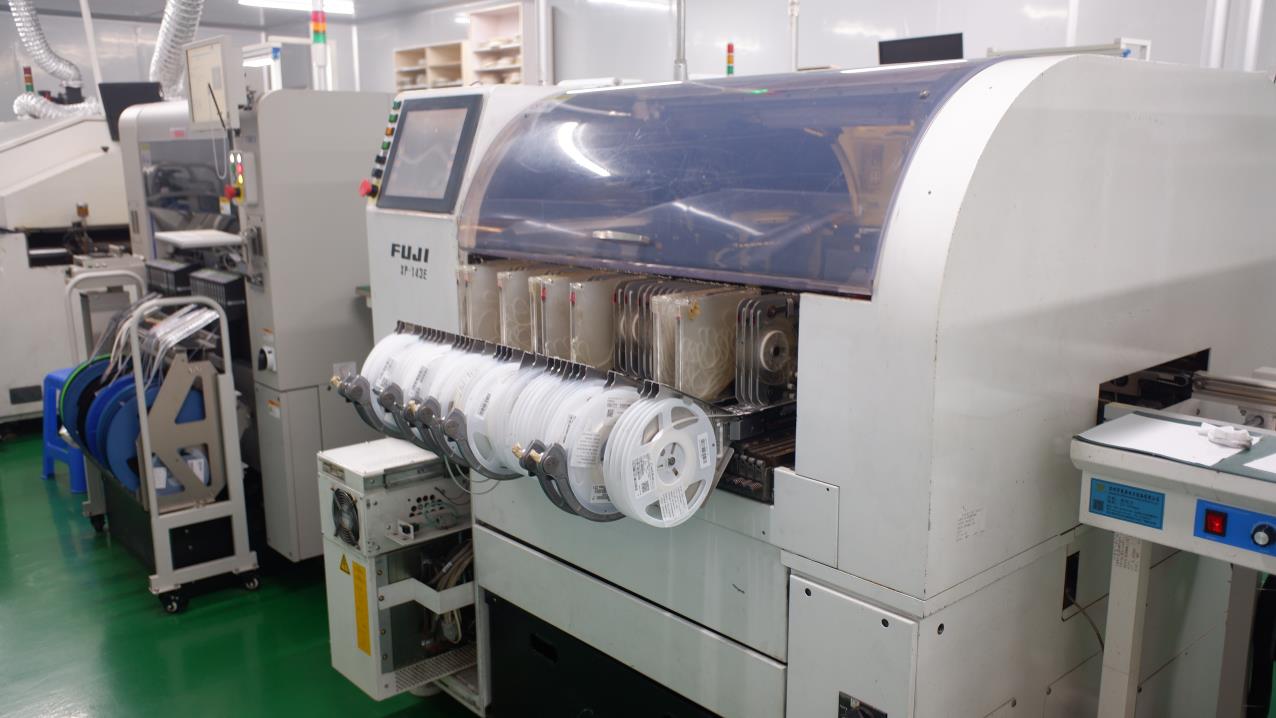
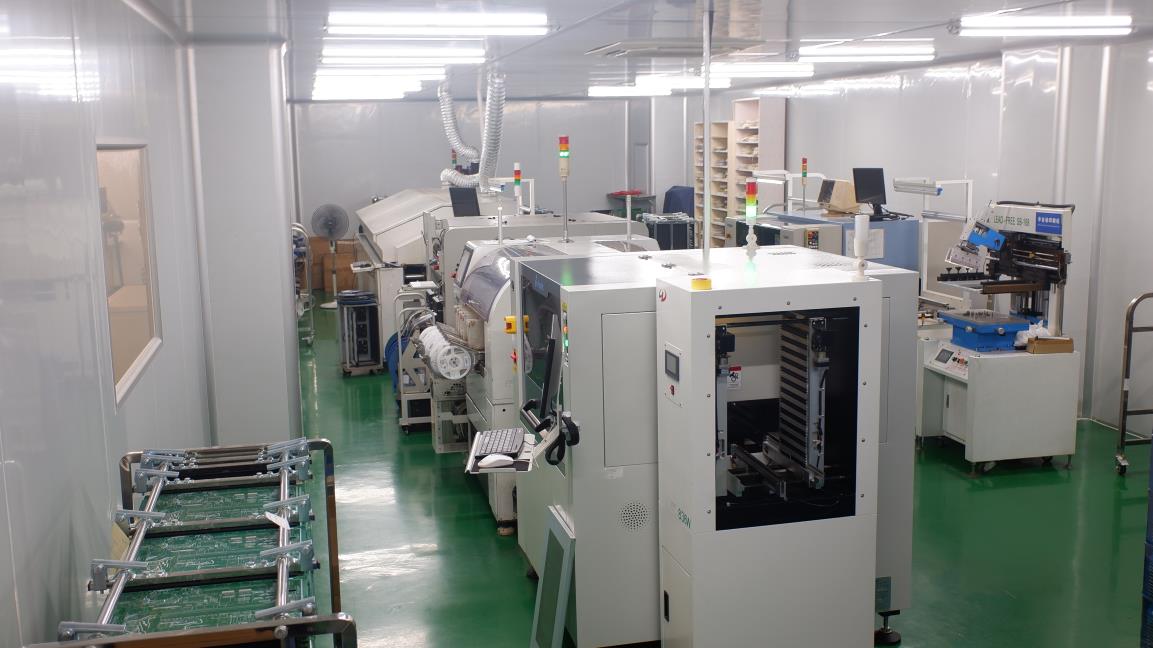
Step inside Yde Power's state-of-the-art ISO9001 factory. Precision, automation, and end-to-end quality loop control represent the cornerstones of our microinverter supply assurance.
ISO9001
Certified Factory Base
100%
Full Load Burn-In Testing
< 0.1%
Annual Field Failure Rate
25-Year
Design Service Life

Our Automated Assembly & Testing Workflow

SMT
SMT Process
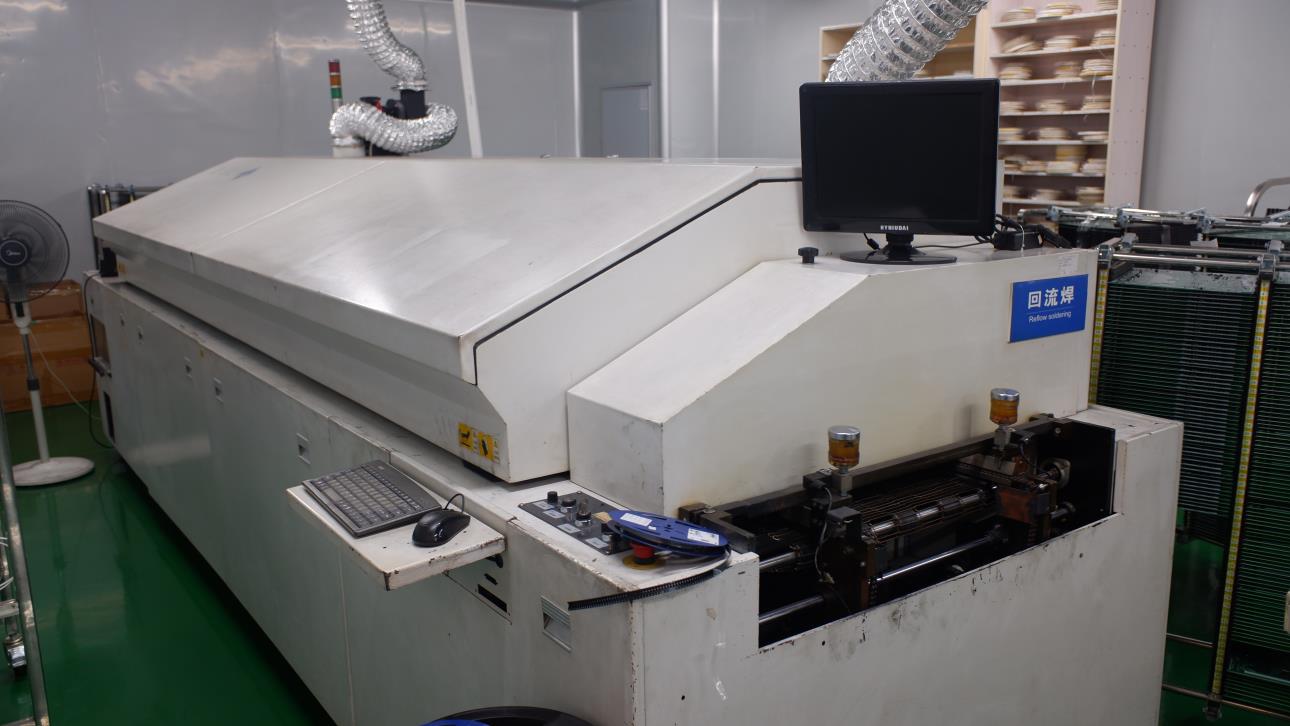
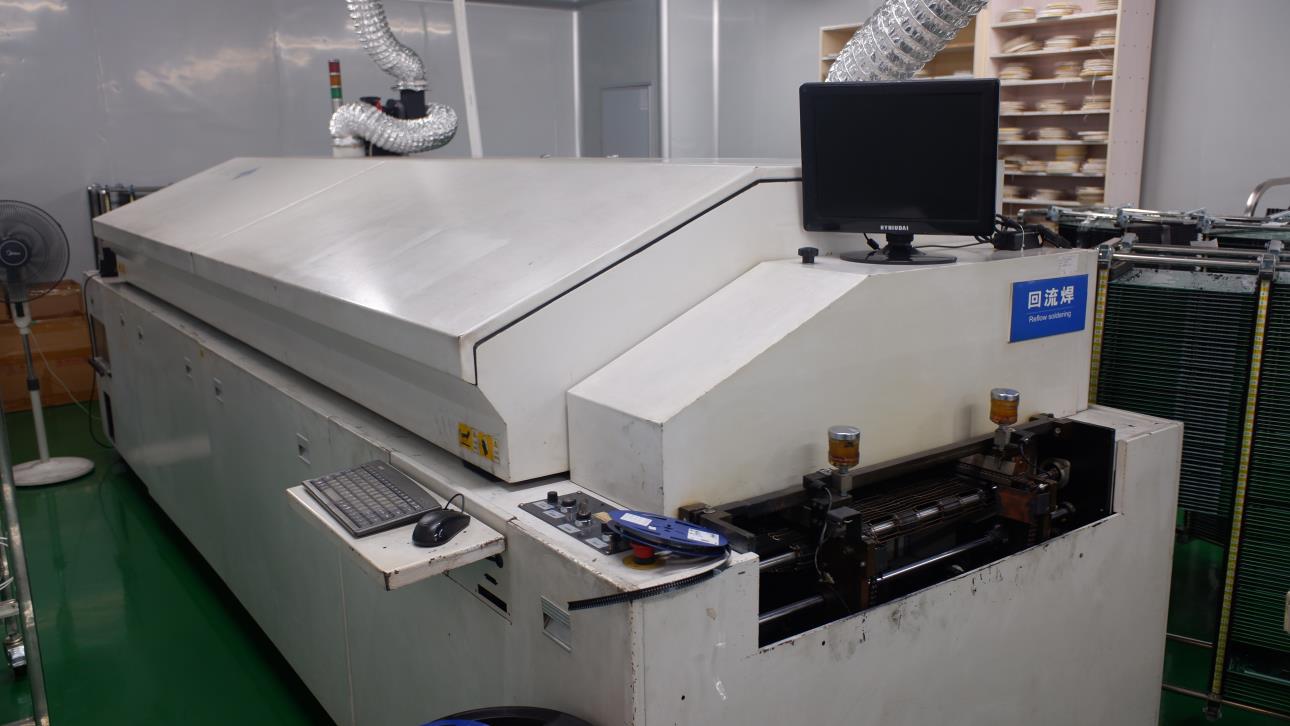
Reflow Welding
Reflow Welding
DIP
DIP Component Assembly
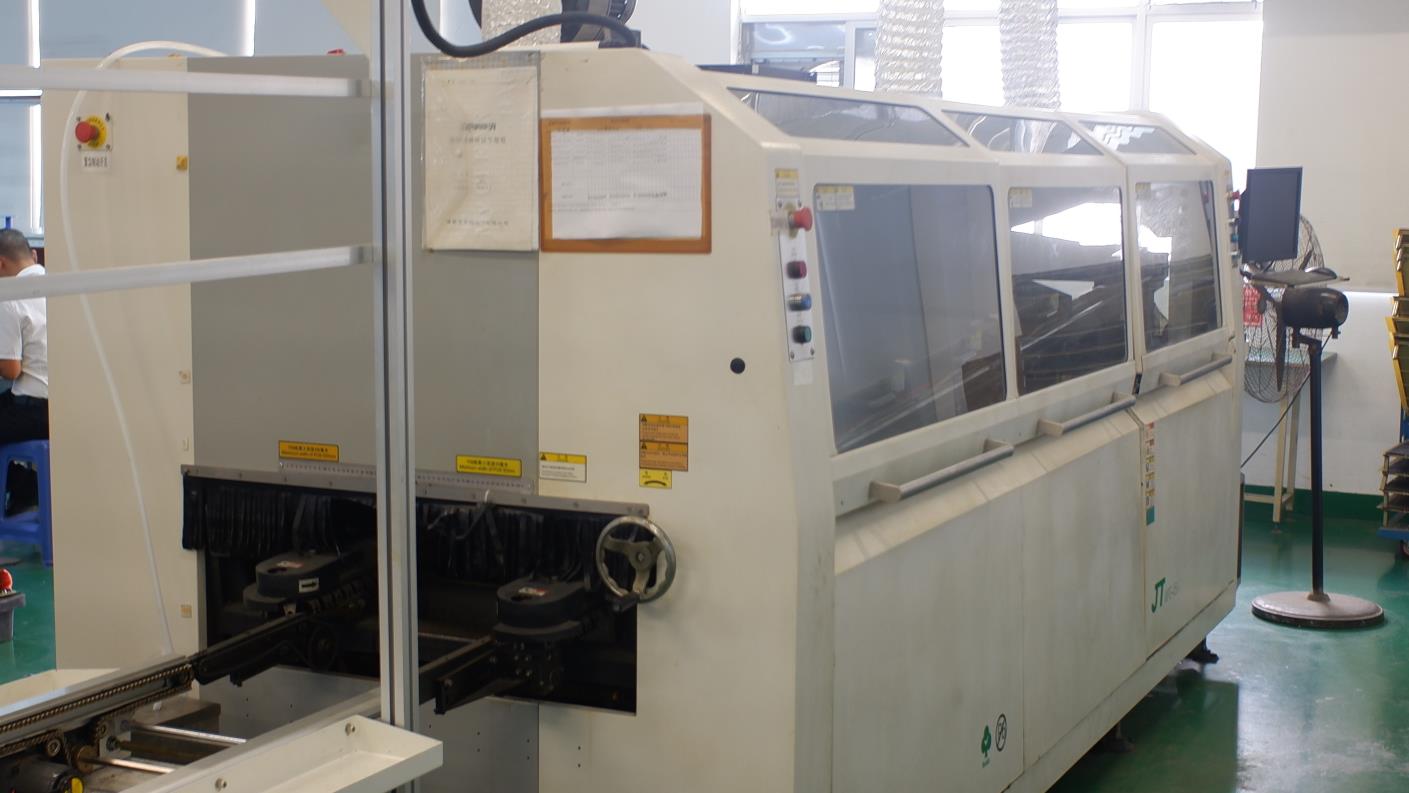
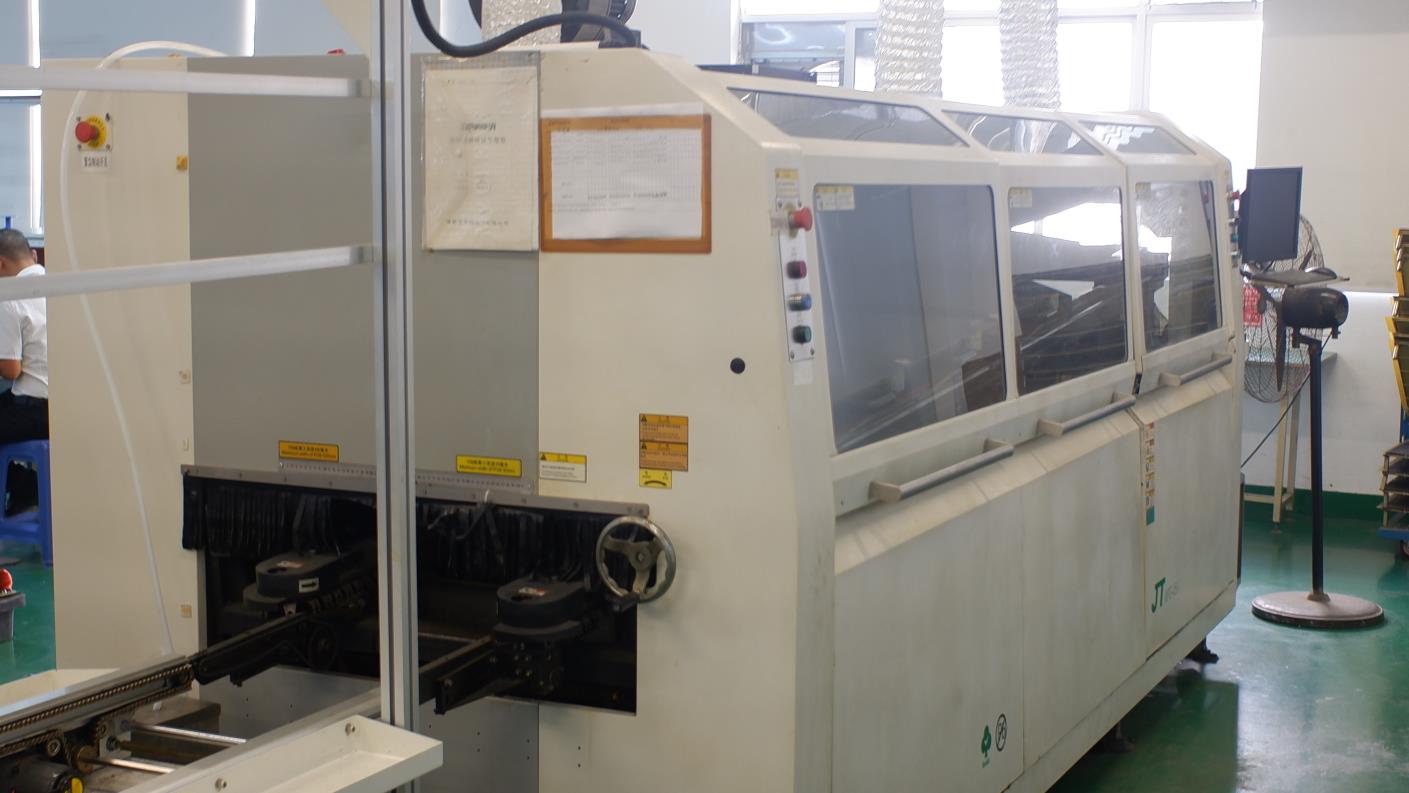
Wave Soldering
Wave Soldering
Back Soldering
Back Soldering
PCBA Testing
PCBA Functional Testing
Assembling
System Assembly
Testing
Parametric Testing
Aging Testing
Environmental Aging Chamber
Packaging
High-Integrity Packaging
Solder Paste Printing Machine
Solder Paste Printer
SMT Machine
High-Speed SMT
Reflow Welding Machine
Reflow Oven
Wave Soldering Machine
Wave Soldering Line
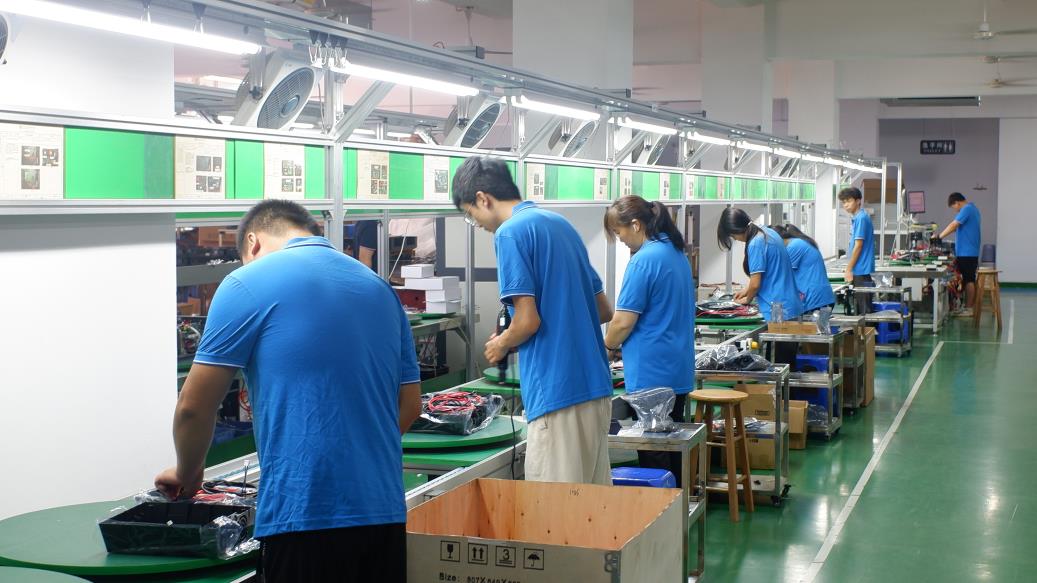
Assembly Line
Semi-Automated Line
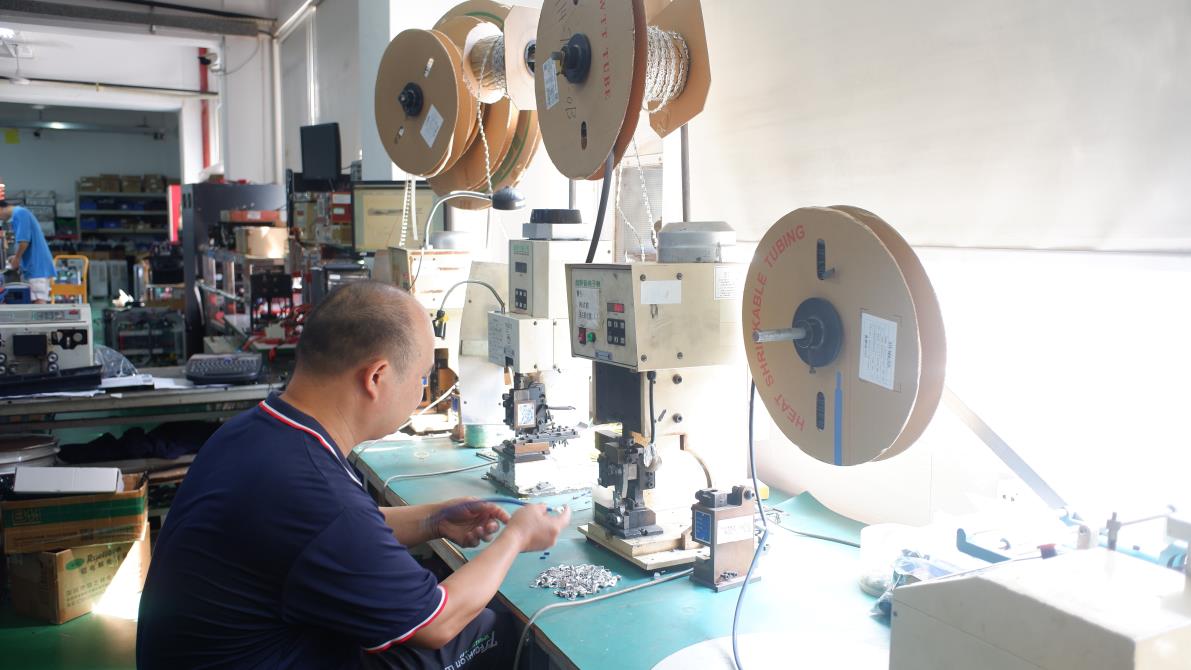
Terminal Machine
Precision Crimper
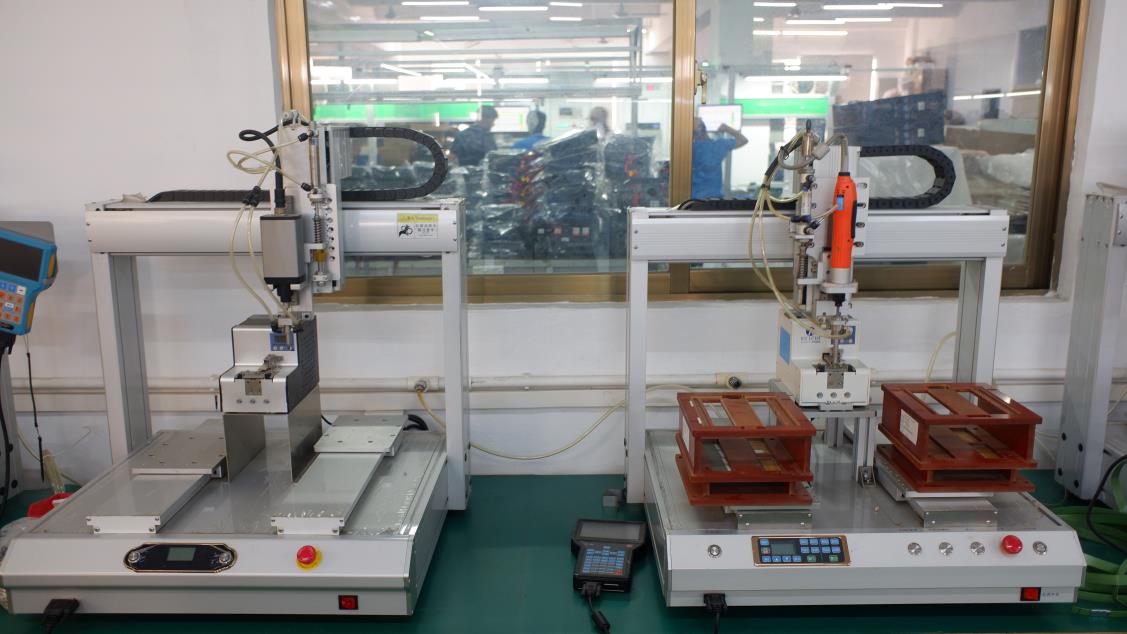
Automatic Screw Machine
Automatic Screw Fastener
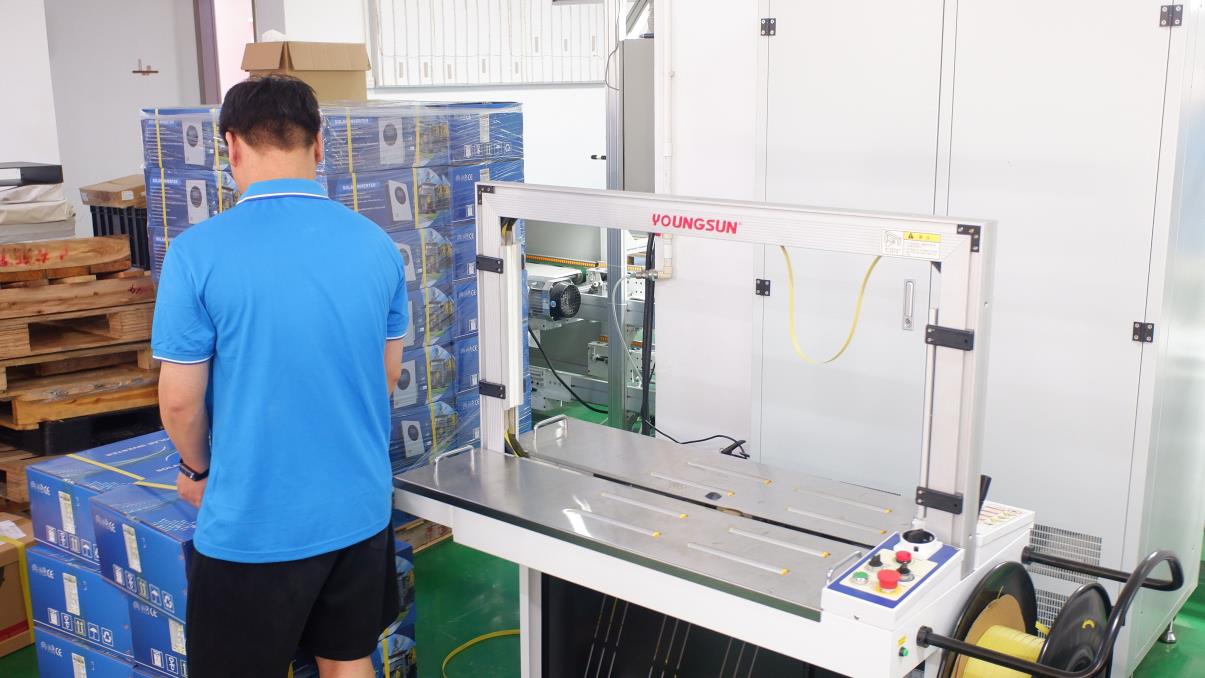
Packing Machine
Final Shrink Wrapping

Global Compliance & Engineering Standards

Navigating local grid codes is critical for B2B exporters. Yde Power guarantees compliance with global technical benchmarks.

Thermal Management & Reliability

Our microinverters feature heavy-duty epoxy potting and custom cast-aluminum heat sinks. This design guarantees dust-tight operation and allows continuous immersion up to 1 meter (IP67 certification), protecting components under extreme ambient conditions.

Anti-Islanding Protection

Integrated automatic disconnect safety parameters actively monitor frequency shifts and voltage anomalies. In the event of grid interruption, the microinverters decouple in under 100 milliseconds, conforming to EN 50549-1 and IEEE 1547 parameters.

Smart Communication Protocols

Equipped with industrial PLC (Power Line Communication) or wireless Wi-Fi modules, our systems push panel-level telemetry data directly to cloud systems, supporting remote configuration and troubleshooting.

More Clean Energy Inverters & Systems

Discover our complete range of highly specialized solar electronics and integrated battery configurations.
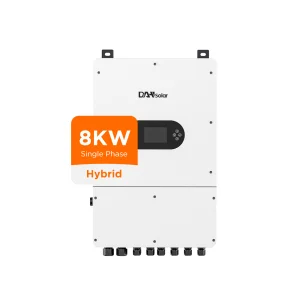
DAH IP65 Single Phase Hybrid Inverter

DAH IP65 Single Phase Low Voltage Hybrid 8kw Solar Inverters

View Specifications
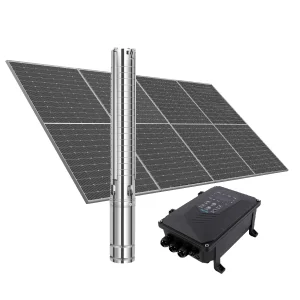
VEICHI Submersible Pump

VEICHI Durable 4inch AC/DC Solar Submersible Pump Deep Well Water Pump Inverter

View Specifications
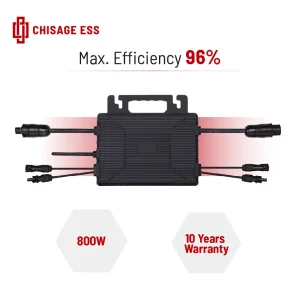
Grid Tied Balcony Microinverter 800W

Grid Tied Easy Install Solar Microinverter 800W Mini Inverter Balcony Solar System Micro Inverter with Good Price

View Specifications
Growatt Deye Afore Single Phase Inverter

Growatt Deye Afore EU Version 220V 6kw SPF6000es Plus Single Phase 6000W off Grid Home Solar Inverter

View Specifications
Powmr Hybrid Inverter

Powmr Pow-Hvm3.2h-24V-N Hybrid Inverter 3.2kw Single Phase for Home Use High-Efficiency Inverter with WiFi

View Specifications
Solar Water Pump Inverter

High-Efficiency 900VDC 7.5kw Single Phase Solar Water Pump Inverter for Deep Well & Farm Use for Drip Irrigation.

View Specifications
INVT Solar Pump Inverter

A Series of 3 Phase Ip65 Invt Solar Pump Inverter with Solar Panels

View Specifications
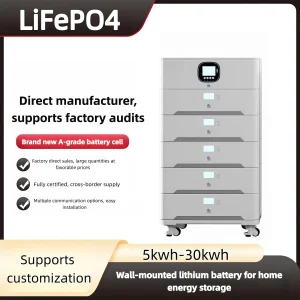
10KW Hybrid Solar Inverter Battery System

51.2V 10KW Hybrid Solar Inverter With Battery All-in-One Unit 5kWh 10kWh 15kWh 20kWh 25kWh 30kWh Stackable ESS Grade A Home Use

View Specifications

Frequently Asked Questions

Find engineering-level answers regarding microinverter deployment, supply chain capabilities, and safety parameters.

What are the key safety benefits of grid-tied microinverters over high-voltage string inverters?
Traditional string inverters run DC current in series across roofs, generating up to 1000V DC. This creates risks of high-voltage DC arc faults. Grid-tied microinverters convert DC to AC directly at the module level (operating under 60V DC), eliminating high-voltage DC risks and inherently complying with NEC 2017/2020 rapid shutdown safety standards.
How does Yde Power guarantee a 25-year design service life for its microinverters?
Our microinverters use heavy-duty epoxy encapsulation (potting) inside cast-aluminum housings to achieve an IP67 rating, protecting the internal electronics from moisture, dust, and thermal stress. Additionally, our factories utilize automated SMT placement, precision wave soldering, and a rigorous environmental burn-in cycle to ensure components withstand decades of outdoor operation.
Can microinverters be combined with large-scale agricultural VFD water pumps?
Yes. While the primary heavy pump load is typically driven by high-capacity solar VFDs (like the VEICHI 355kW or hybrid 160kW units), auxiliary equipment, automated metering, telemetry gateways, and domestic farm grid loads can be powered by grid-tied microinverters to optimize efficiency across mixed load configurations.
What certifications are required for grid connection in the European market?
For European grid connection, microinverters must comply with regional standards like EN 50549-1 for distribution networks and VDE-AR-N 4105 for German low-voltage grids. CE and TUV certifications are also required to verify compliance with LVD and EMC safety directives.
How do microinverters handle shading compared to string configurations?
In string configurations, shading on a single panel can degrade the output of the entire string because components are connected in series. Microinverters utilize independent MPPT channels for each module, isolating shading, dirt accumulation, or panel mismatch to the affected panel only and ensuring the rest of the array operates at full efficiency.