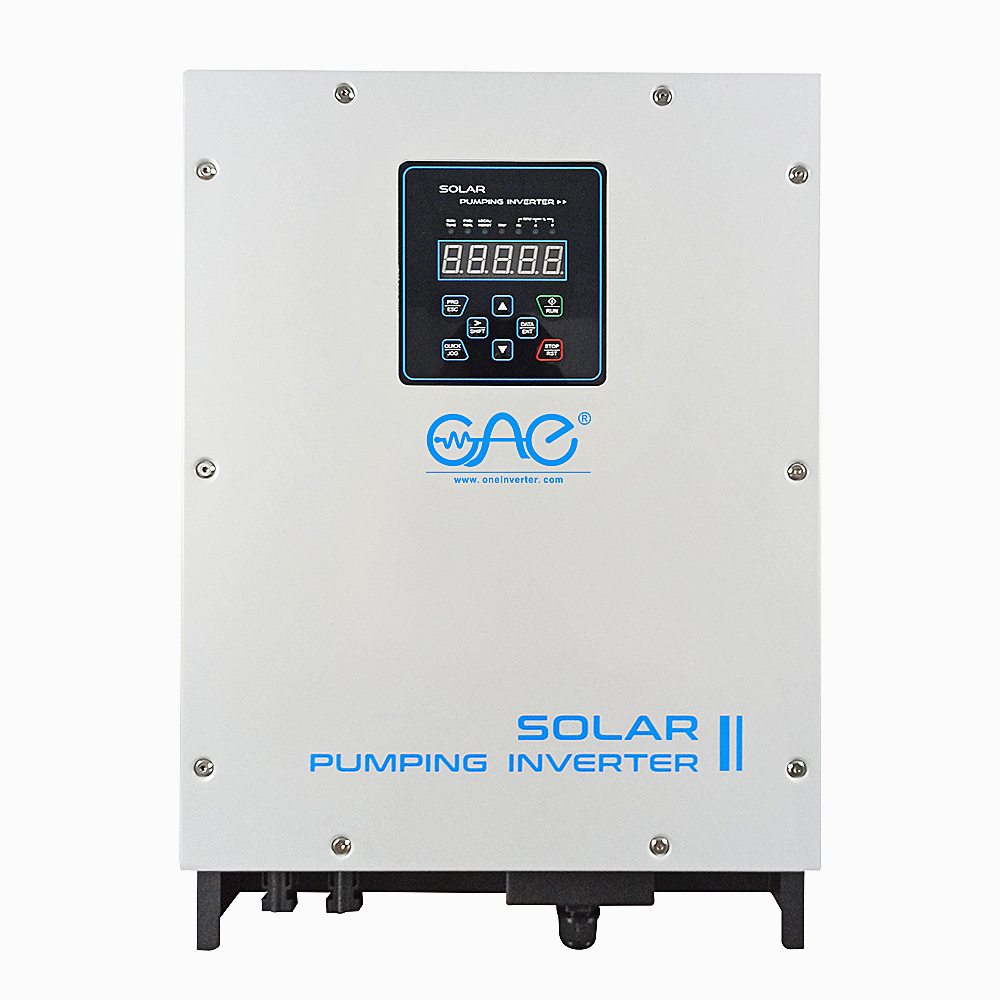
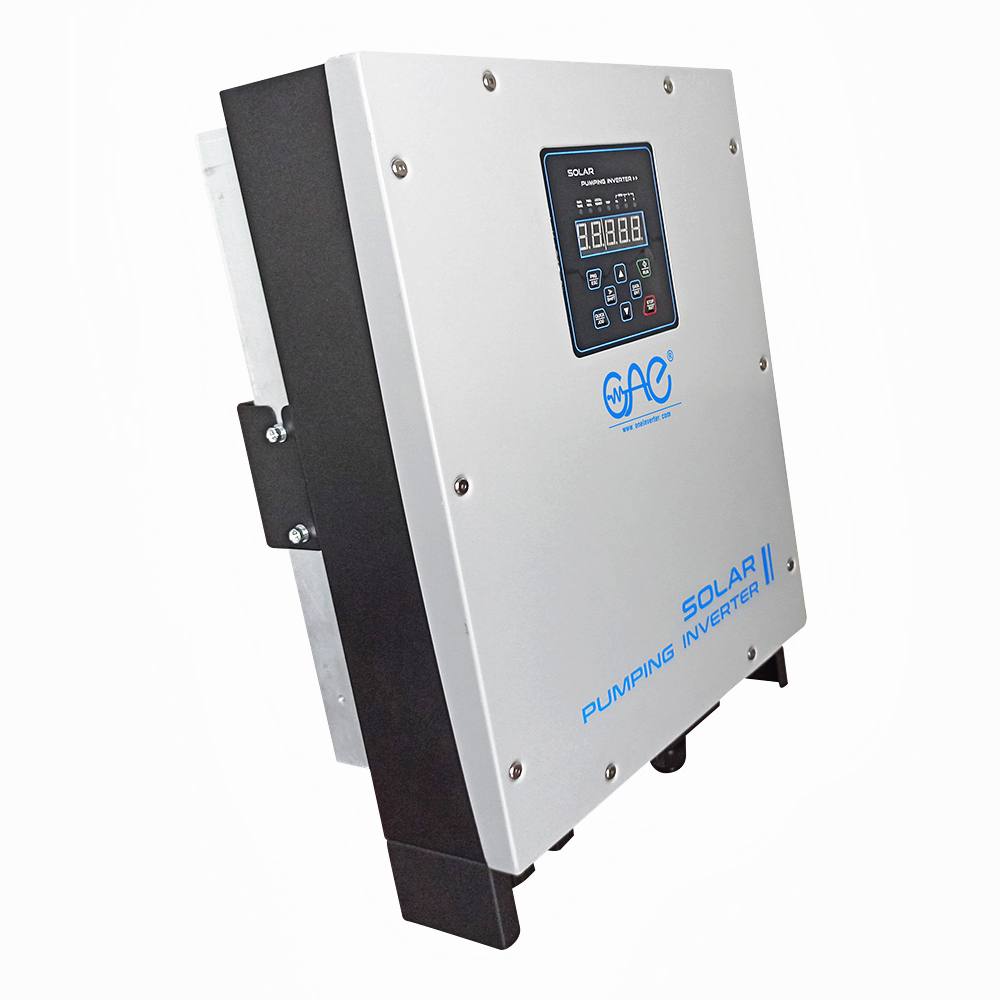
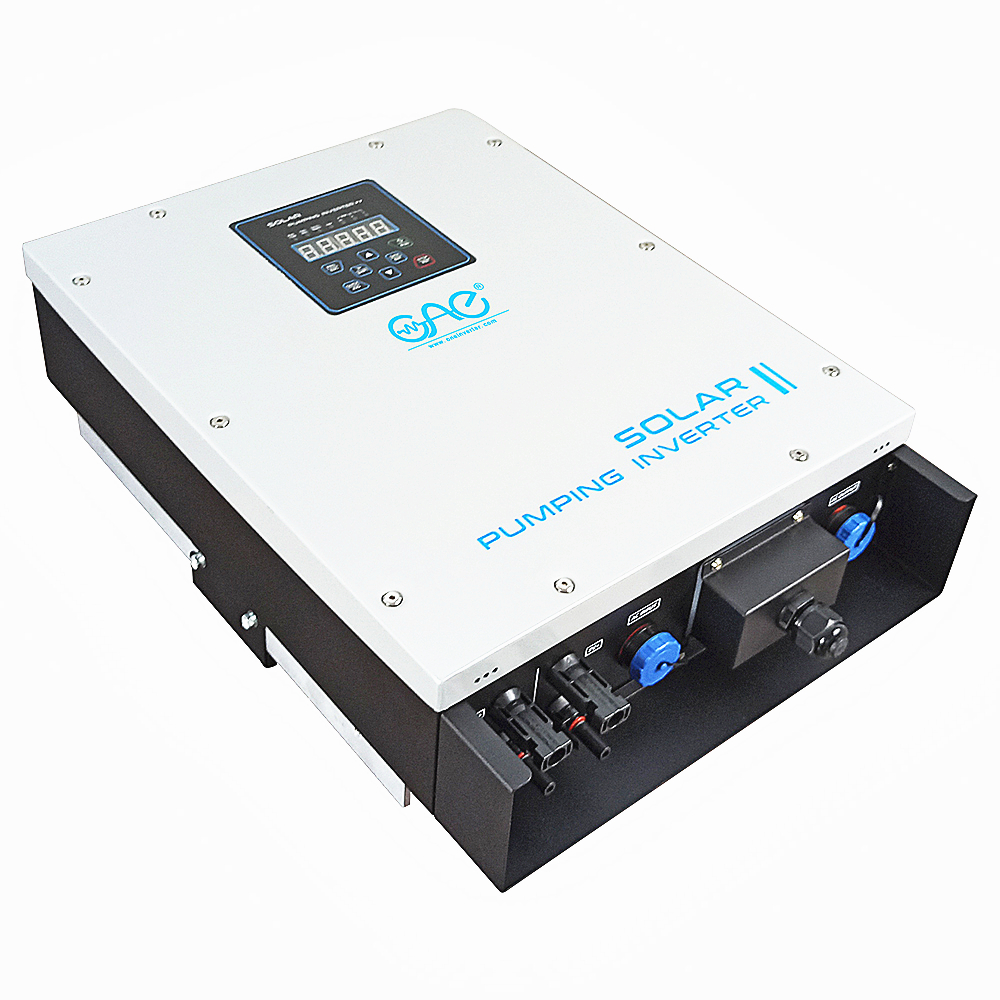
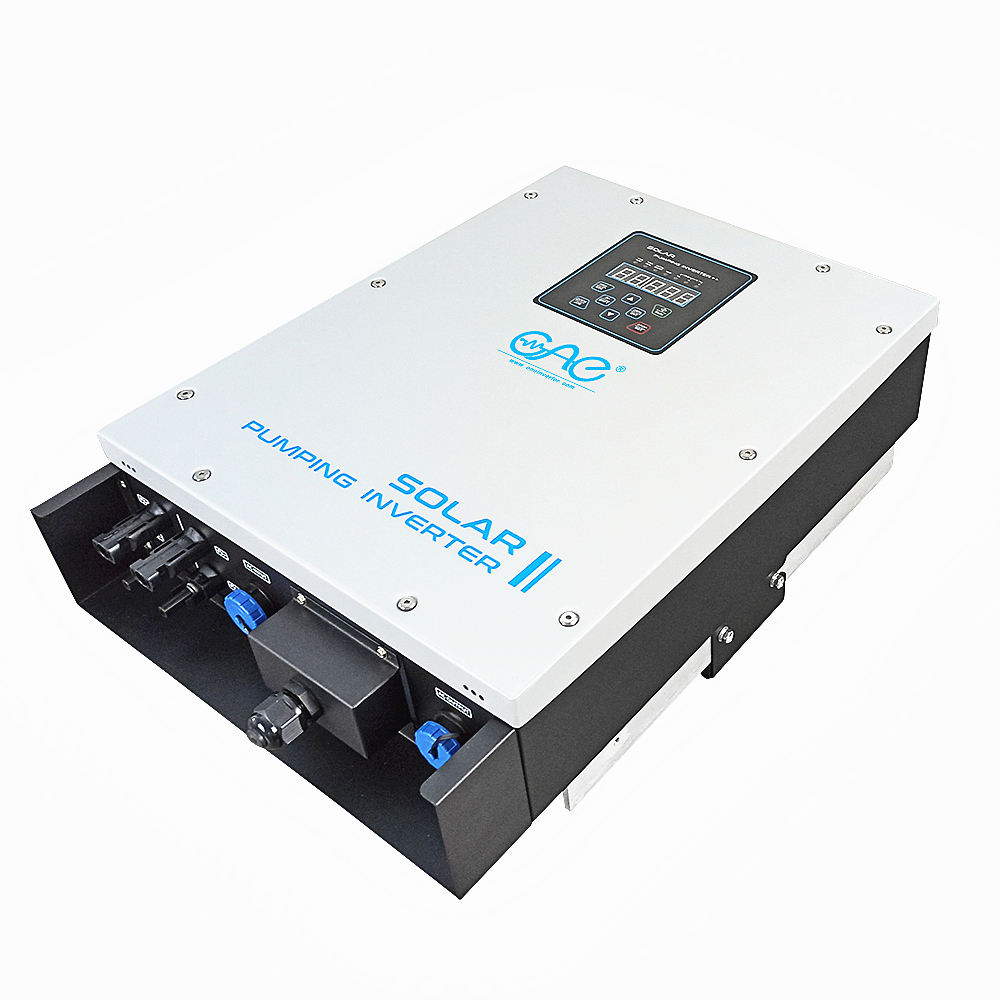
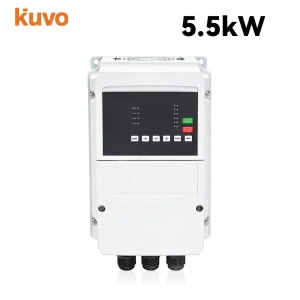
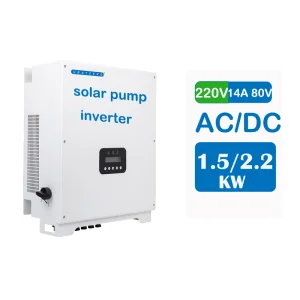
Key Features & Technical Advantages
✓
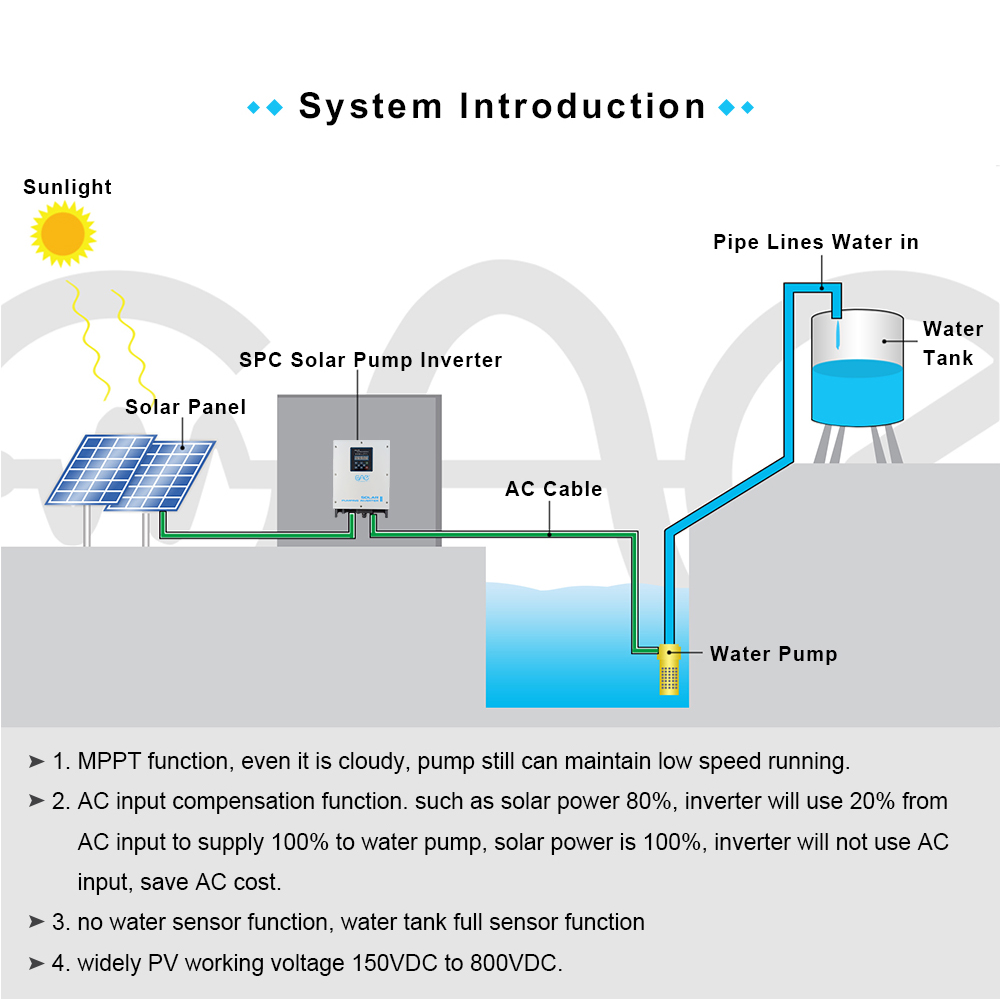
MPPT Function: Advanced Maximum Power Point Tracking ensures the pump remains running at low speeds even during cloudy conditions.
✓
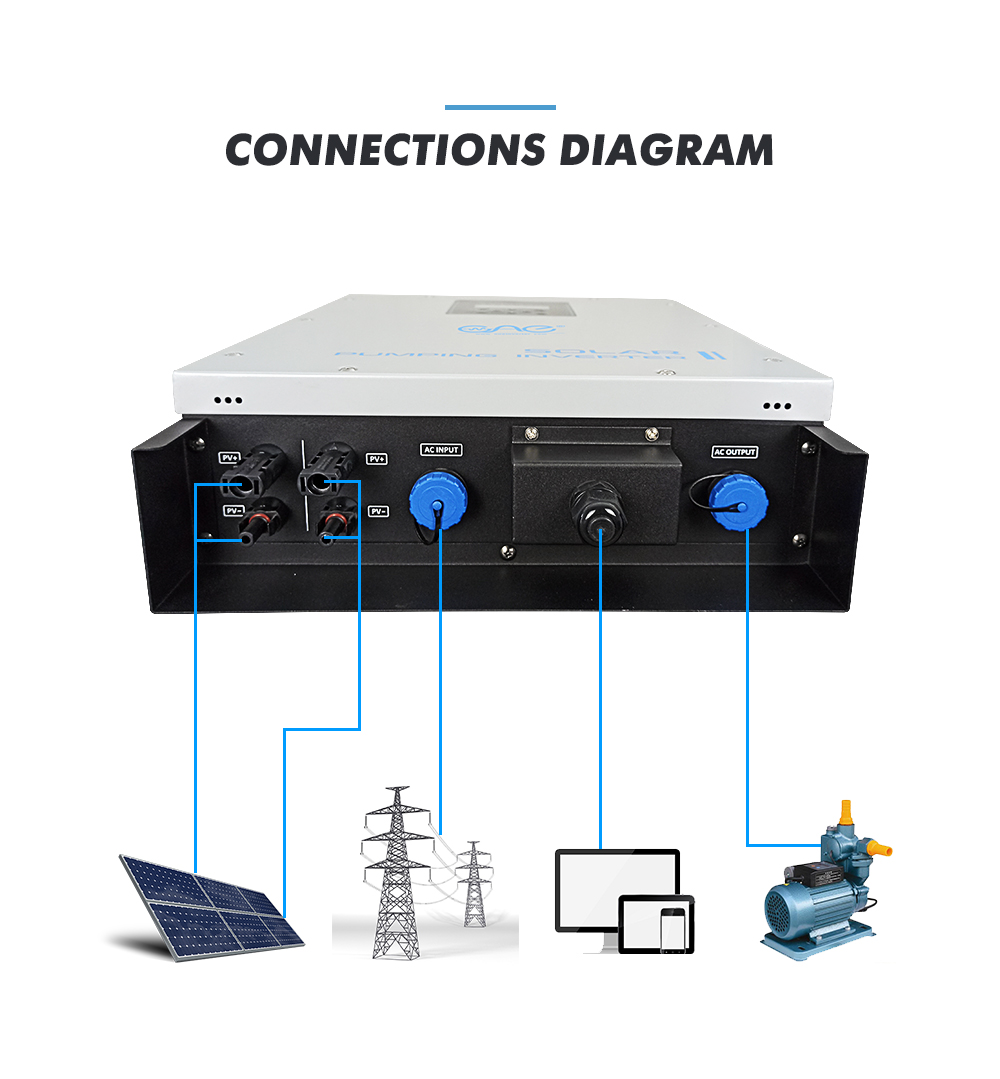
AC Input Compensation: Intelligent power management. If solar power is only 80%, the inverter supplies the remaining 20% from AC input to maintain 100% performance. Saves costs by stopping AC usage when solar power is at 100%.
✓
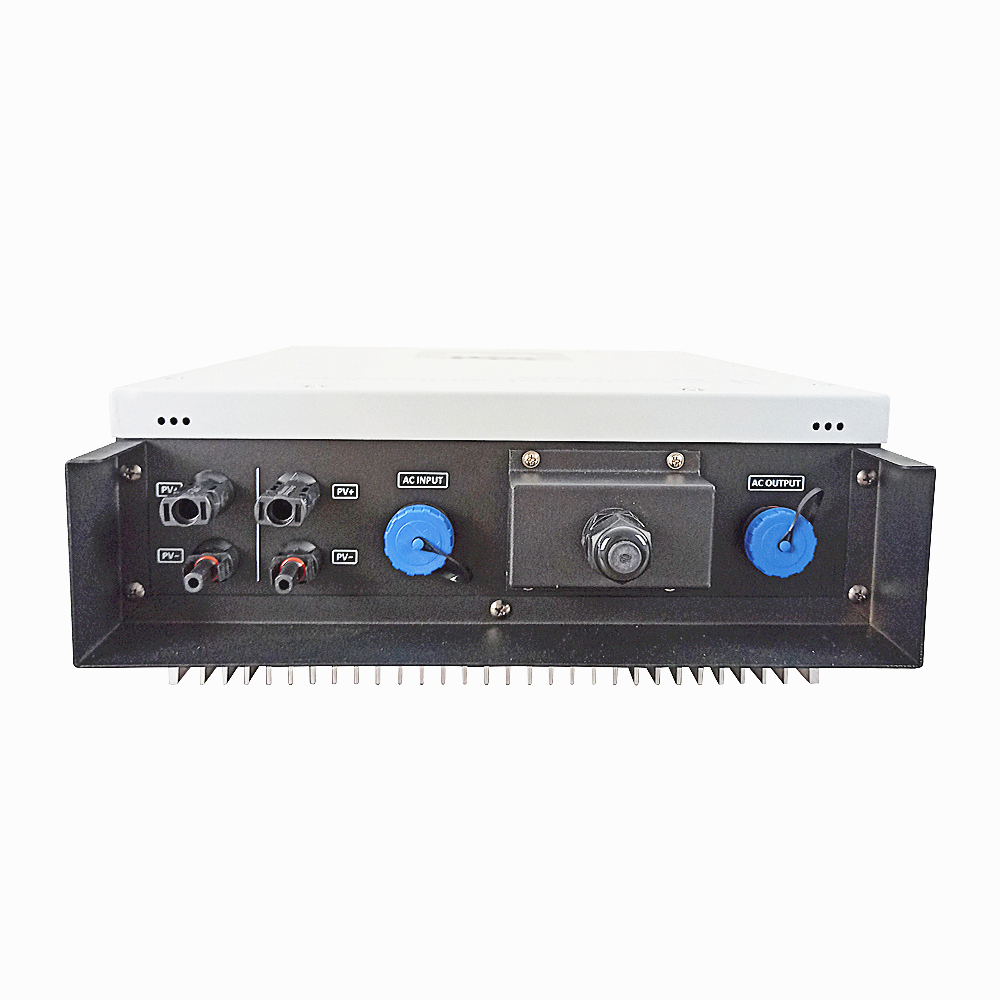
Sensor Integration: Built-in functions for both Low level and High level water sensors for automated tank and well management.
✓
Wide Voltage Range: Supports a broad PV working voltage range from 150VDC to 400VDC for maximum flexibility.
Frequently Asked Questions
Q1: How does the MPPT function benefit my solar pumping system?
A1: The Maximum Power Point Tracking (MPPT) function optimizes the power output from your solar panels. It allows the water pump to continue running at a lower speed even when the sunlight is weak or cloudy, maximizing water delivery throughout the day.
Q2: Can this inverter work with both solar and utility power?
A2: Yes. The inverter features AC input compensation. It can prioritize solar power and automatically draw the necessary balance from the AC grid or a generator to keep the pump running at 100% capacity.
Q3: Is the inverter suitable for outdoor installation?
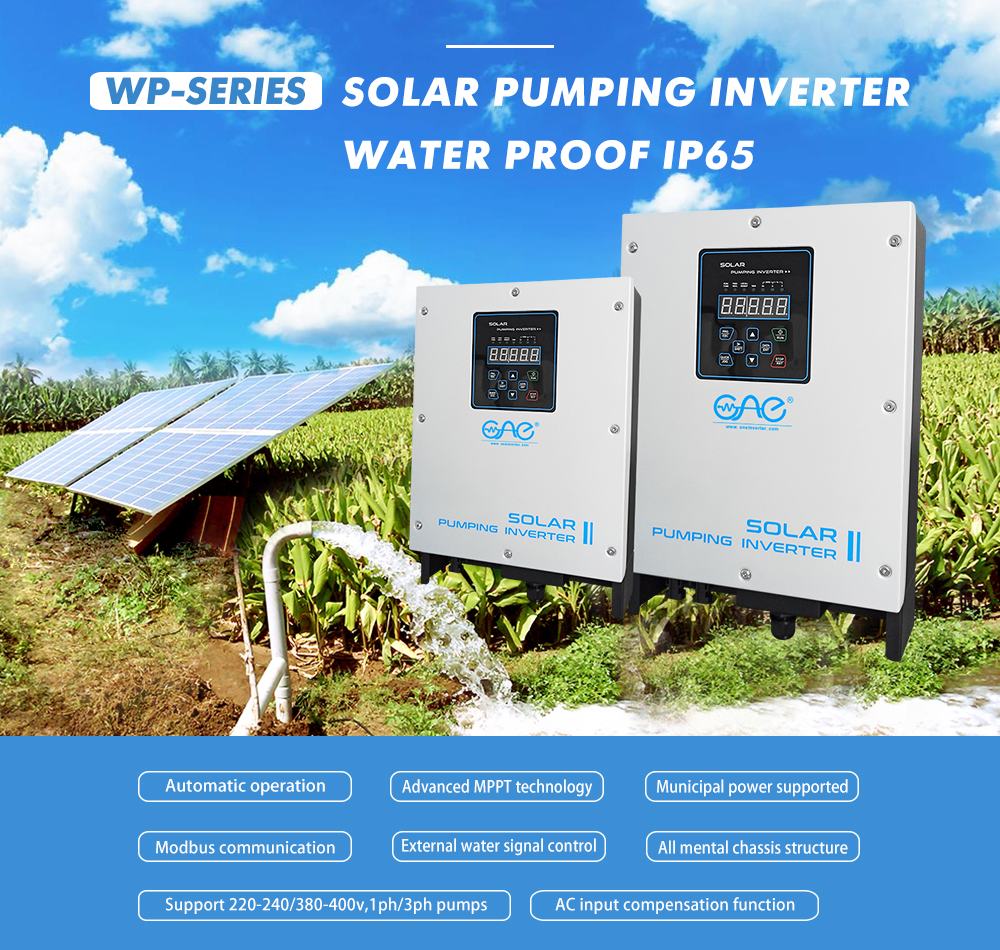
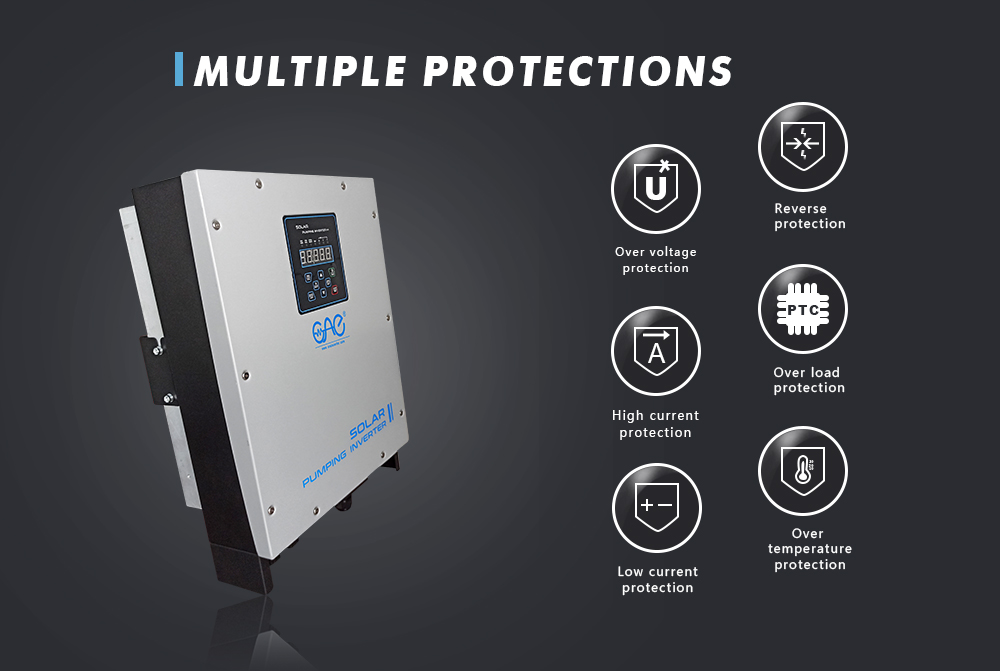
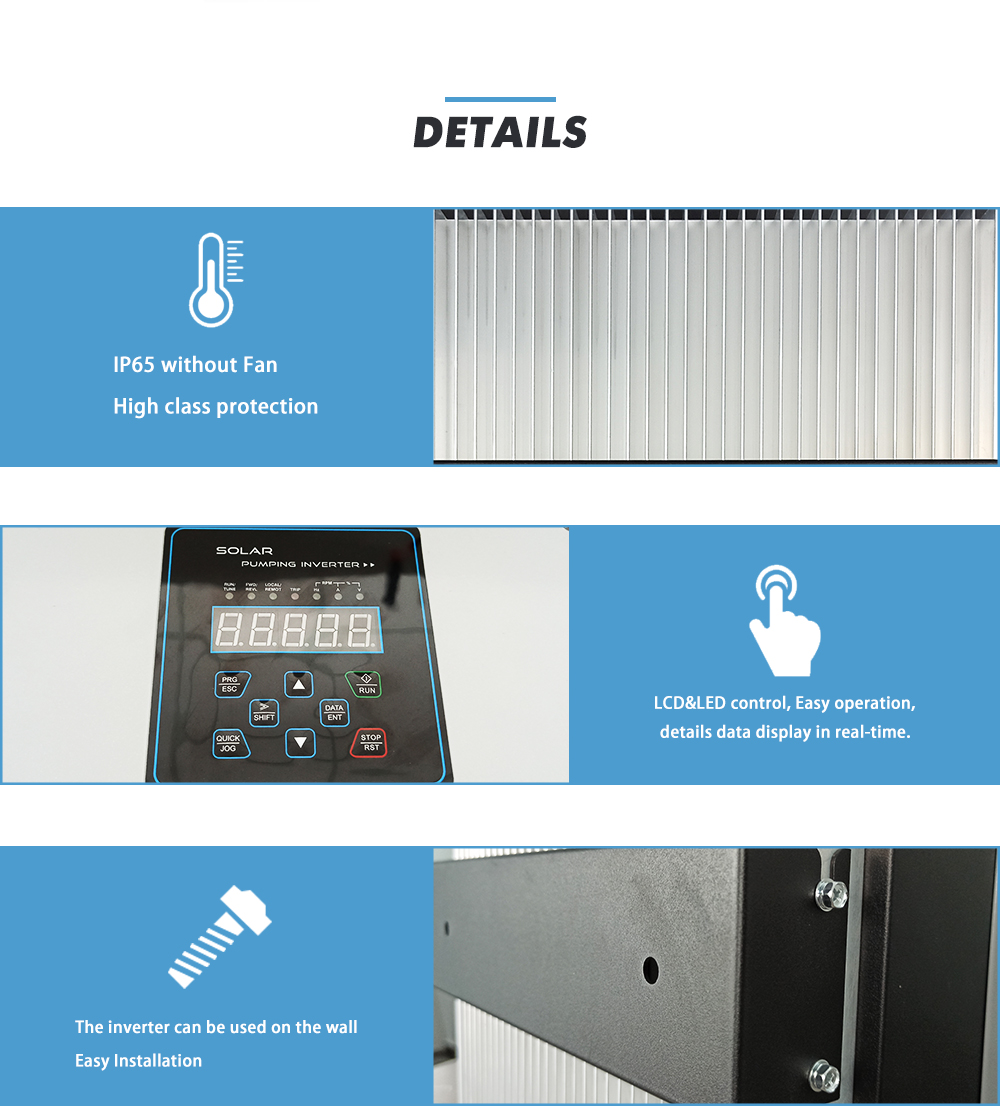
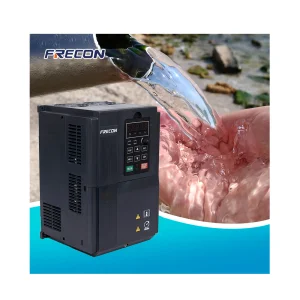
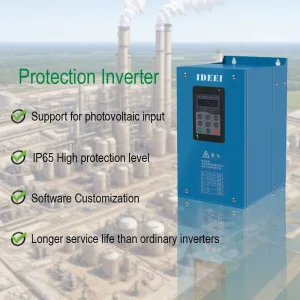
A3: This specific series is designed with high protection levels. The waterproof design ensures reliable operation in various environmental conditions, though we recommend checking the specific IP rating for your model.
Q4: Does the system support automatic water level control?
A4: Absolutely. The inverter includes dedicated terminals for both low-level and high-level water sensors, allowing the system to start or stop automatically based on the water levels in your source or storage tank.
Q5: What is the maximum efficiency of the solar tracking?
A5: The inverter achieves an MPPT efficiency of up to 99%, ensuring that almost all available solar energy is converted into mechanical energy for your pump.
Q6: What should I consider regarding the operating environment?
A6: The inverter works optimally between -10℃ and +50℃. For temperatures above 40℃, a derating of 2% per additional degree is applicable. It is also designed for altitudes below 1000m without performance loss.
 Yde Power