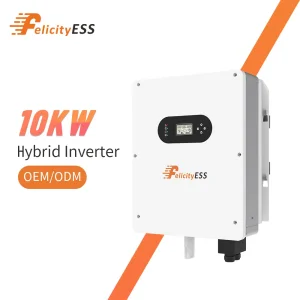
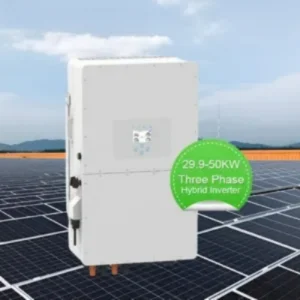
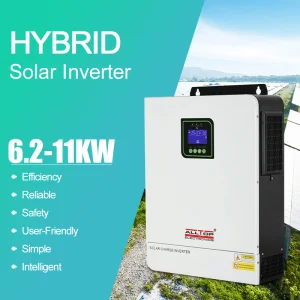
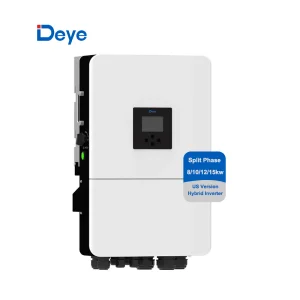
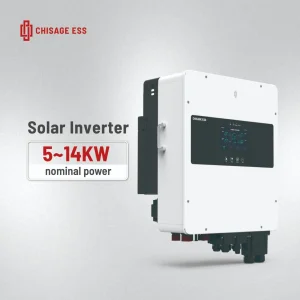
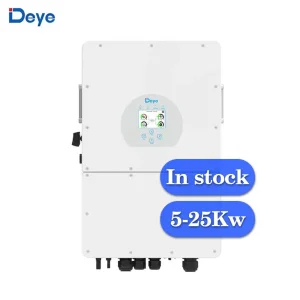
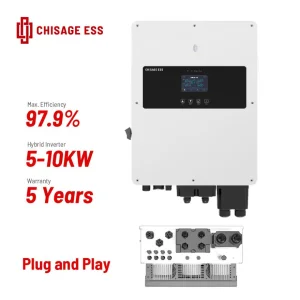
Engineered for hybrid off-grid and on-grid commercial-to-residential installations requiring rapid solar power conversion and load stabilization.
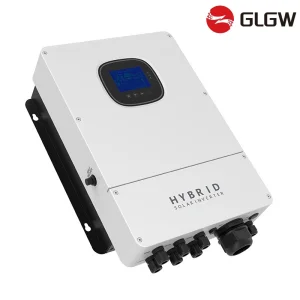
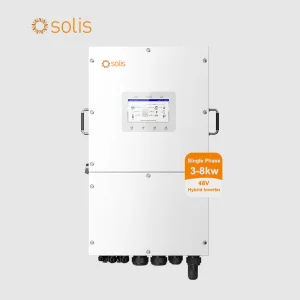
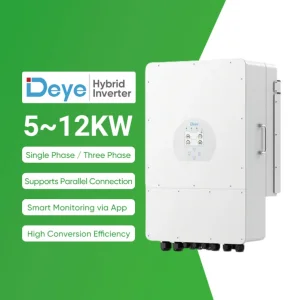
The Republic of Kiribati, an island nation comprising 32 atolls and one raised coral island dispersed across 3.5 million square kilometers of the central Pacific Ocean, faces some of the most critical energy security vulnerabilities globally. With no domestic fossil fuel resources, Kiribati relies heavily on imported liquid petroleum products (primarily automotive diesel and unleaded gasoline) to power its central electricity networks. In the primary economic hubs of South Tarawa, as well as Kiritimati (Christmas Island), electricity generation has historically been dominated by high-cost, carbon-intensive diesel gensets.
Integrating renewable energy through Three Phase Hybrid Inverters is not merely an environmental policy; it is a structural necessity to mitigate excessive utility costs and ensure operational continuity. Standard grid configurations on South Tarawa suffer from frequent power fluctuations and blackouts due to fuel delivery constraints and generator failures. Additionally, the local climate is characterized by exceptionally high ambient temperatures, persistent humidity, and severe atmospheric salt concentration (corrosive aerosolized sea salt). Standard commercial inverters rapidly fail under these conditions.
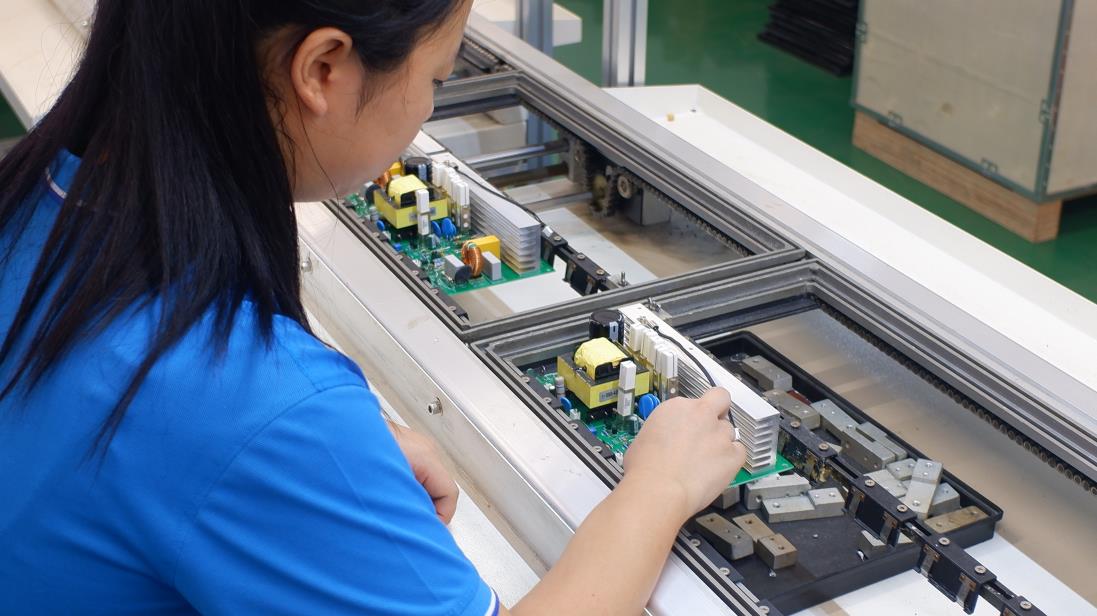
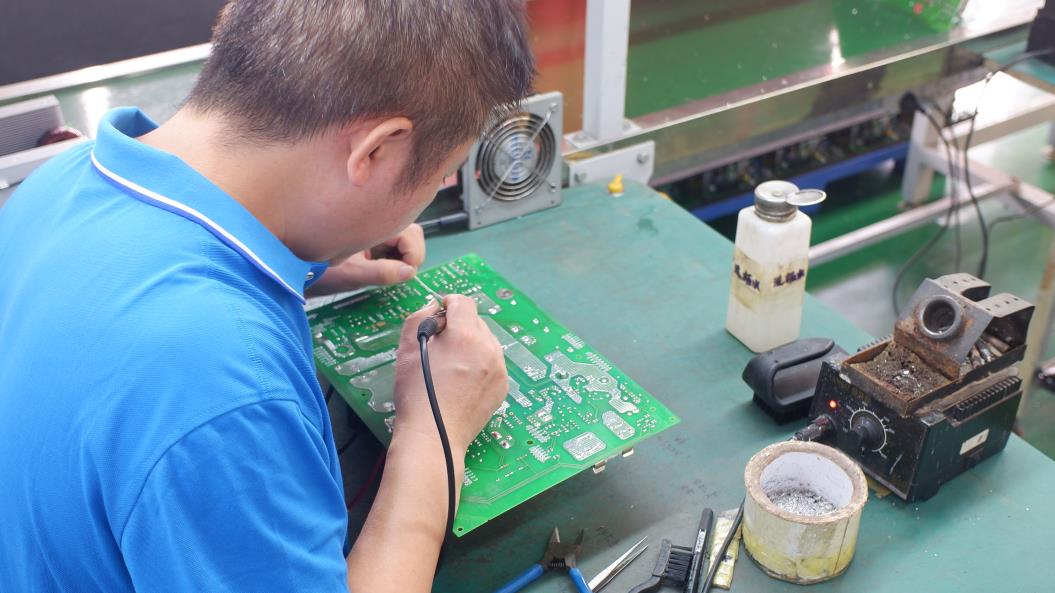
To address these concerns, our optimized three-phase hybrid inverters feature specialized anti-corrosion chassis, conformal-coated printed circuit board assemblies (PCBA), and advanced thermal management profiles. They allow local businesses, public hospitals, schools, and fisheries to bypass grid instability by integrating solar PV arrays with low-voltage or high-voltage energy storage systems (ESS).
The global Commercial & Industrial (C&I) sector is moving away from basic grid-tied inverters toward grid-forming, intelligent hybrid bidirectional power converters. Key global drivers include the reduction of Levelized Cost of Storage (LCOS), strict decarbonization mandates, and the rising demand for peak-shaving applications. Modern Three-Phase Hybrid Inverters serve as the neural centers of microgrids, dynamically coordinating:
In Pacific Island settings, three-phase power balance is critical. Unbalanced single-phase loads in small isolated grids cause voltage instability, high neutral currents, and potential phase loss. Our hybrid architectures support 100% unbalanced three-phase loads, distributing energy dynamically to the phase experiencing the highest current demand.
How high-performance three-phase hybrid systems solve critical power challenges for businesses and operations across the Gilbert, Line, and Phoenix Islands.
Fish exports are crucial for Kiribati. Continuous three-phase power keeps refrigeration units cold, preventing food waste. Our hybrid system acts as an instantaneous UPS during utility blackouts, keeping compressor motors running without power cuts.
Freshwater lenses on low-lying atolls are vulnerable to seawater intrusion. Reverse osmosis desalination plants require high-starting-current inductive pumps. Our three-phase hybrid inverters handle up to 200% surge capacity to start these motors smoothly.
Ensuring energy autonomy for government complexes, schools, and hospitals. By pairing solar arrays with high-voltage battery storage, these institutions can operate off-grid indefinitely, lowering public energy expenditures.
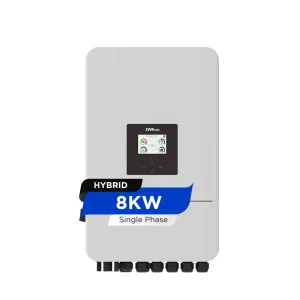
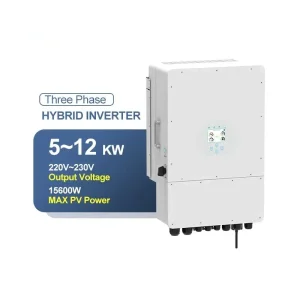
Implementing three-phase solar hybrid systems requires careful sizing. The primary engineering goal is to maximize solar self-consumption and minimize diesel runtime. In a typical microgrid configuration:
Let \( P_{load} \) be the total demand of a local commercial entity. The power balance equation managed in milliseconds by the digital signal processor (DSP) of our inverter is:
P_PV + P_Battery + P_Diesel = P_Load + P_Losses
During high solar irradiance (10:00 to 14:00), excess energy is routed to the battery banks. The inverter's integrated charge controller uses a multi-stage charging algorithm to extend battery life. In the evening, the system discharges the batteries to power the load. If the batteries reach their minimum Depth of Discharge (DoD) before morning, the inverter starts the diesel generator via a dry-contact relay, synchronizing it before connecting the load to prevent power interruptions.
High Voltage vs. Low Voltage Battery Configurations: Low-voltage batteries (48V) are safe and cost-effective for residential and small C&I sites. For larger installations (50kW to 500kW), high-voltage systems (up to 800V DC) are preferred. High-voltage configurations reduce DC current, allowing for smaller cable sizes and lower heat generation, which improves system efficiency and reliability in tropical climates.
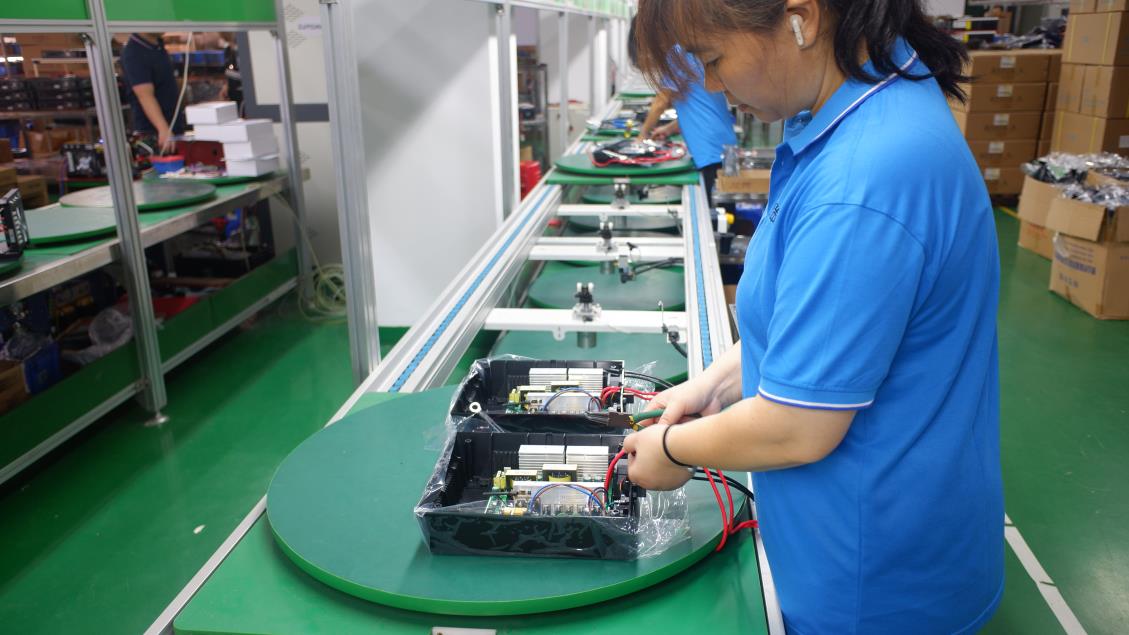
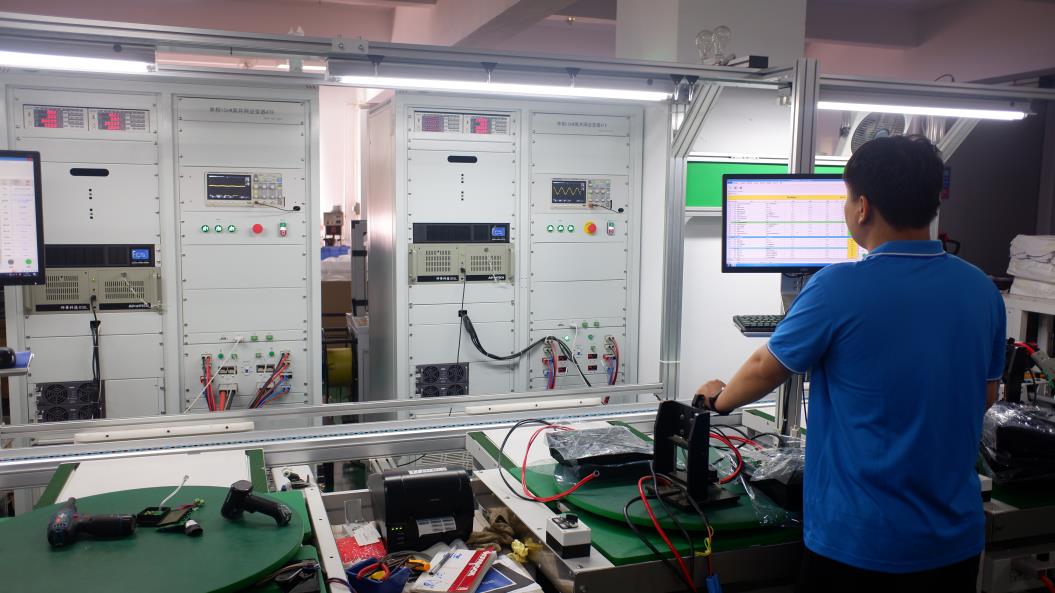
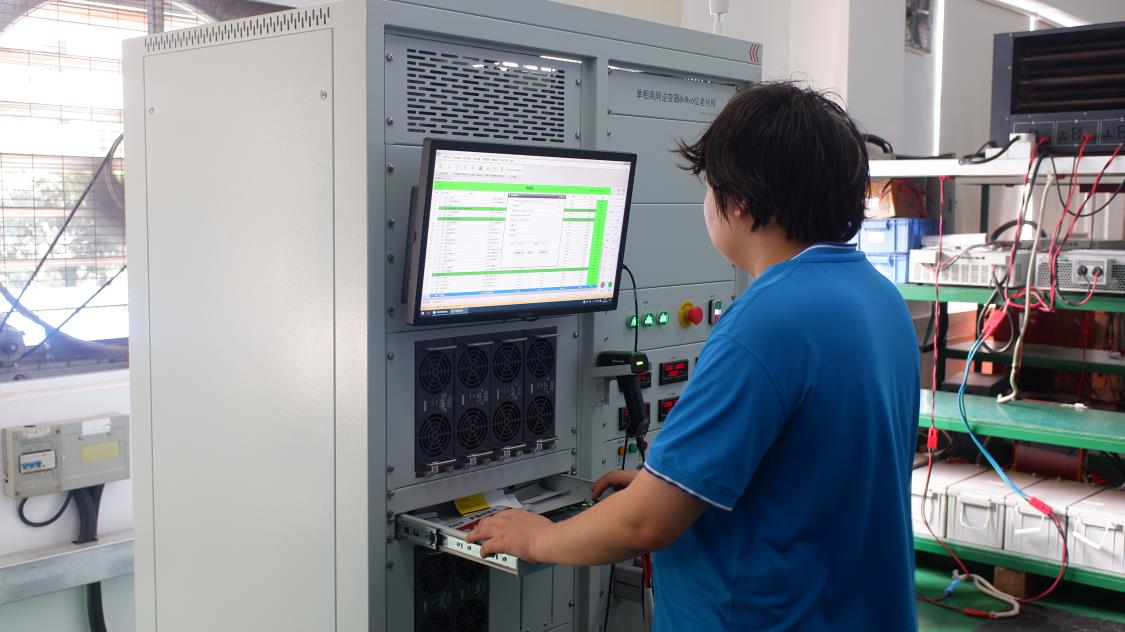
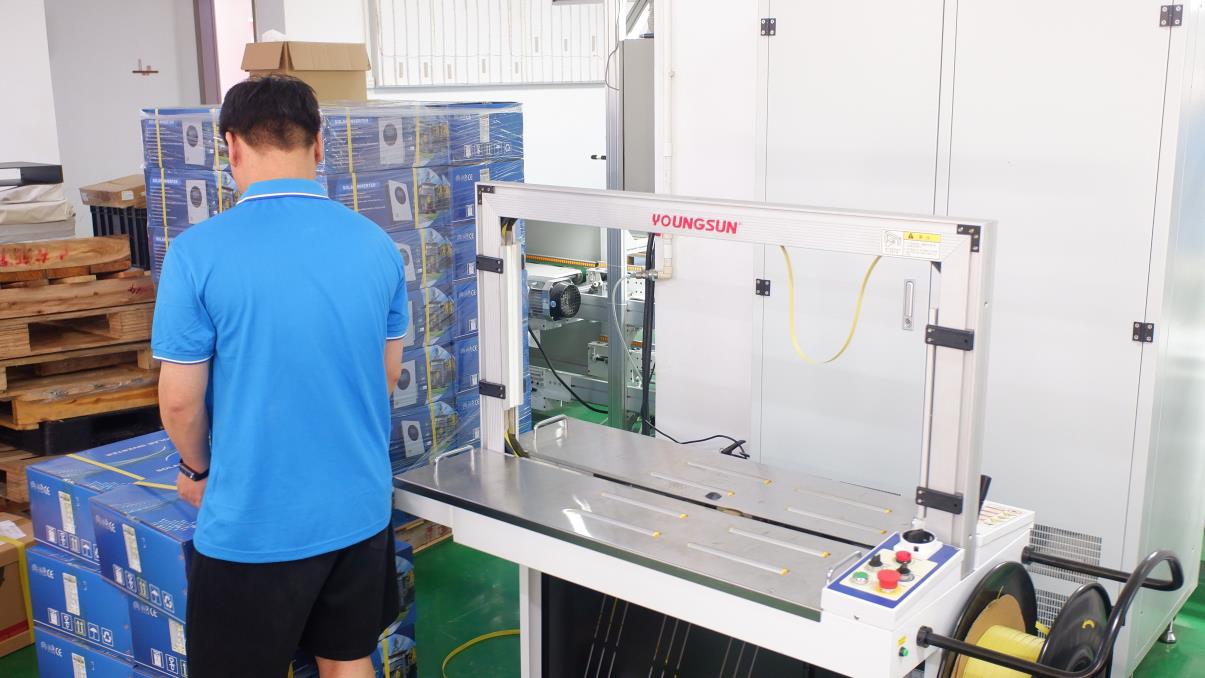
Shenzhen Yde Power Co., Ltd. is a professional manufacturer specializing in residential, commercial, and industrial energy storage systems (ESS). Headquartered in Shenzhen, China, the company integrates research and development, production, sales, and service to deliver comprehensive clean energy solutions to global markets.
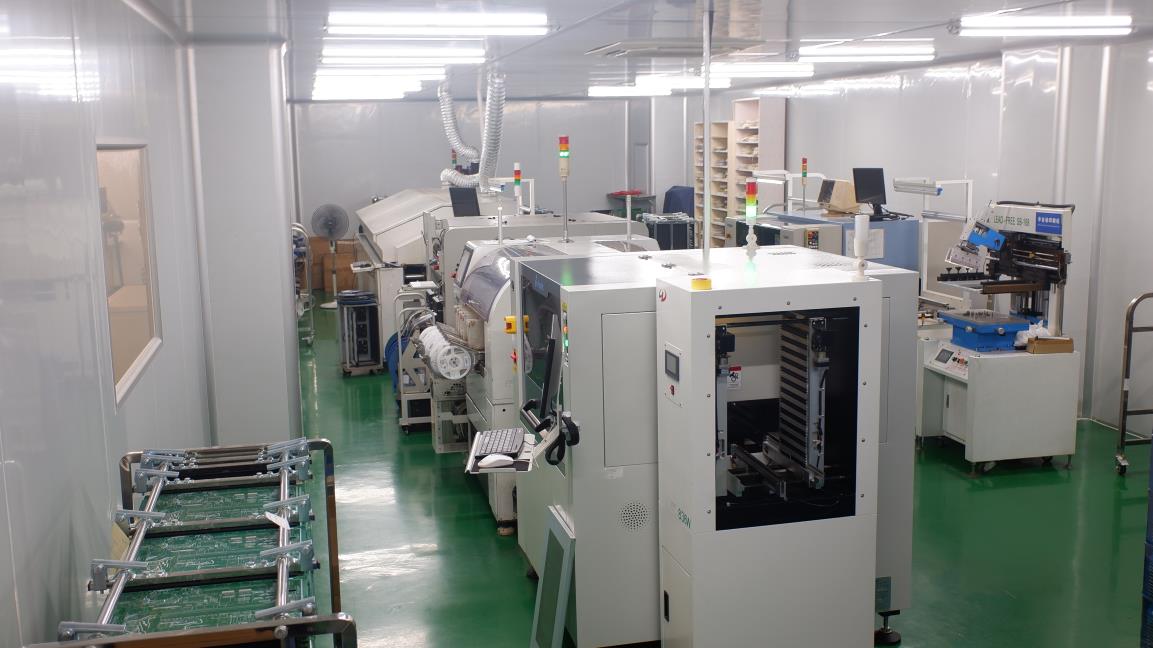
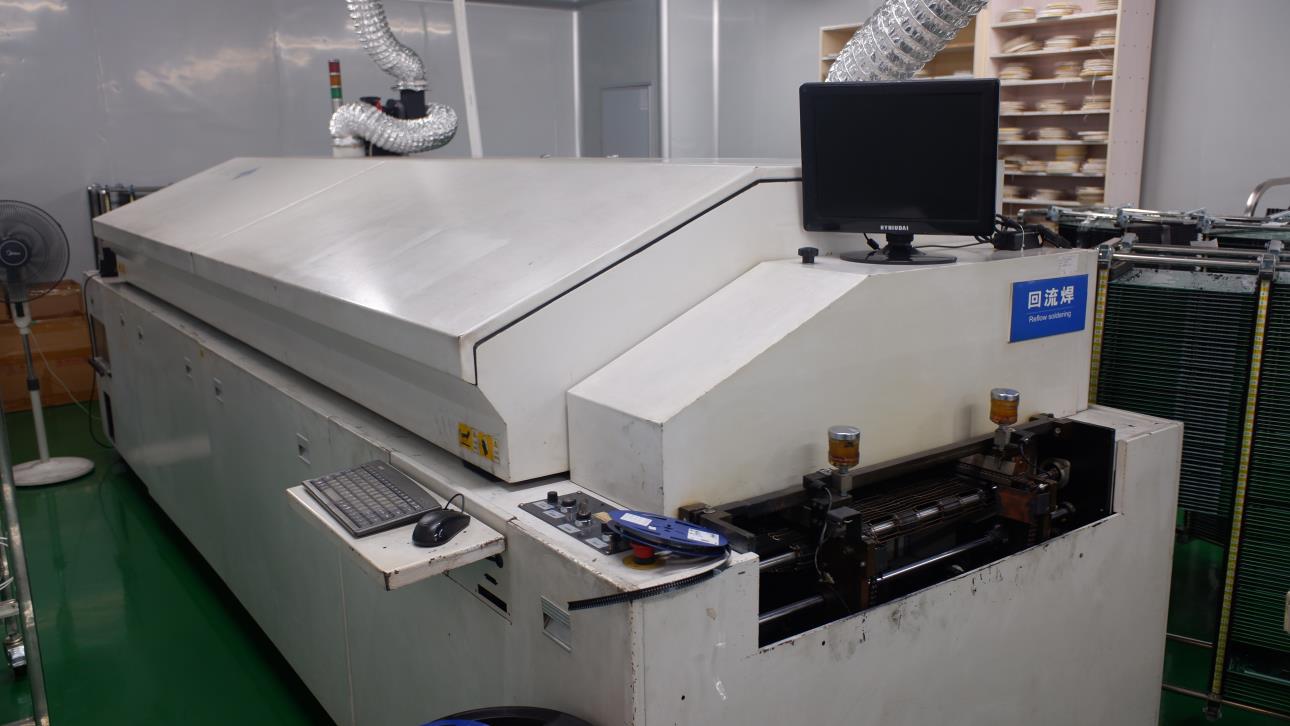
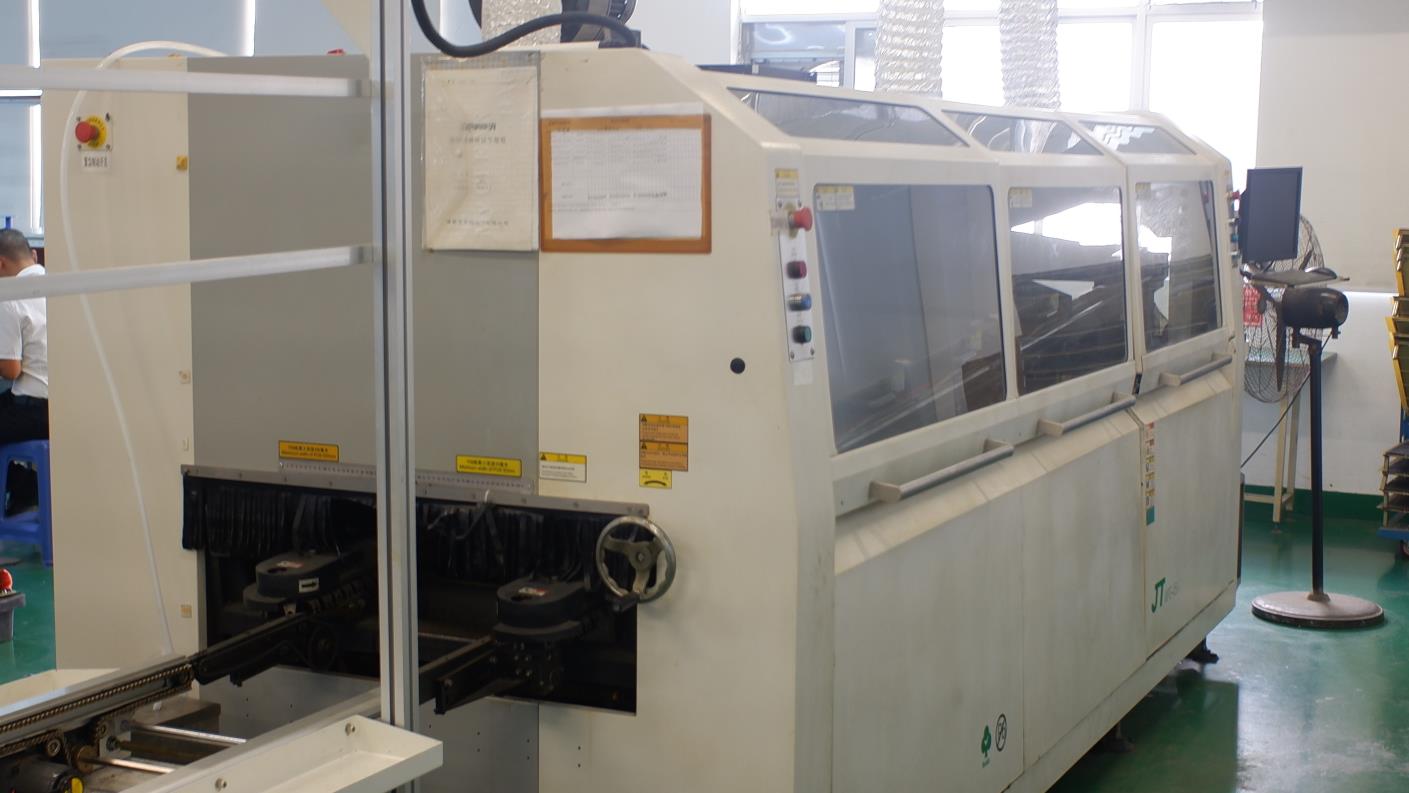
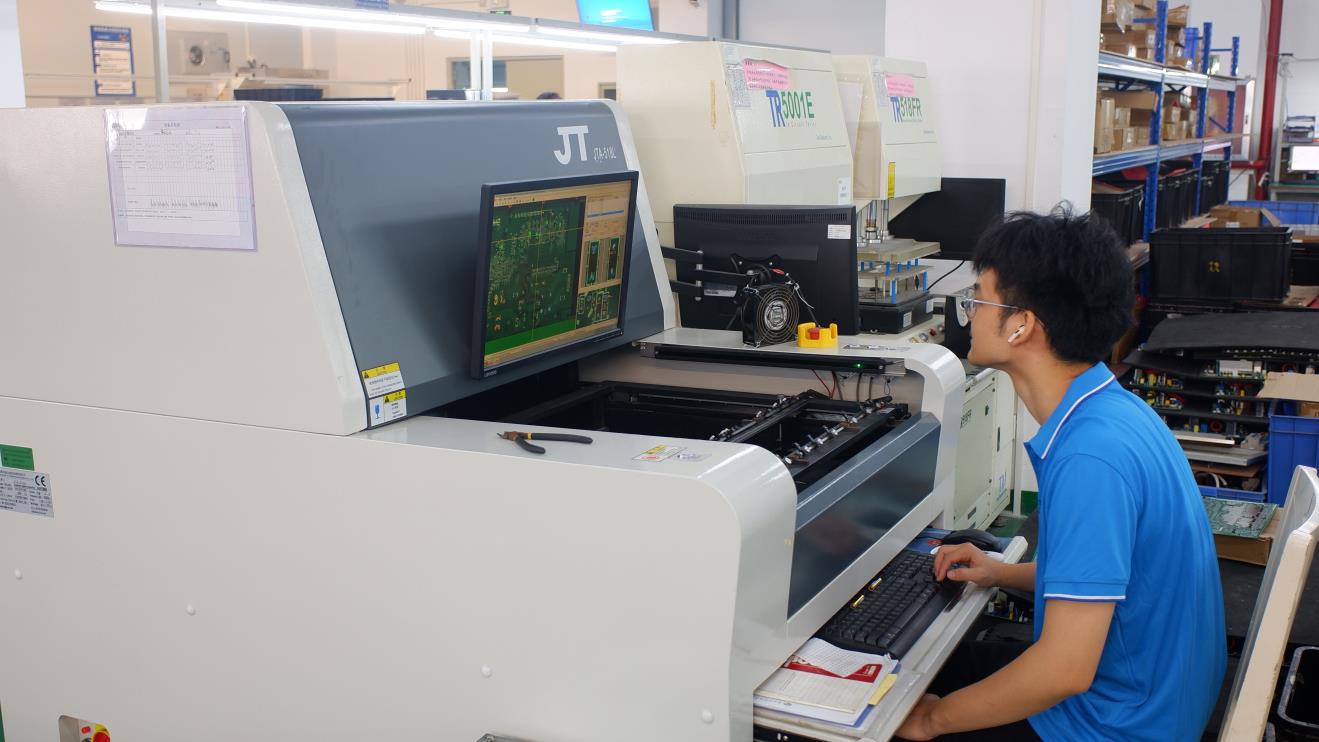
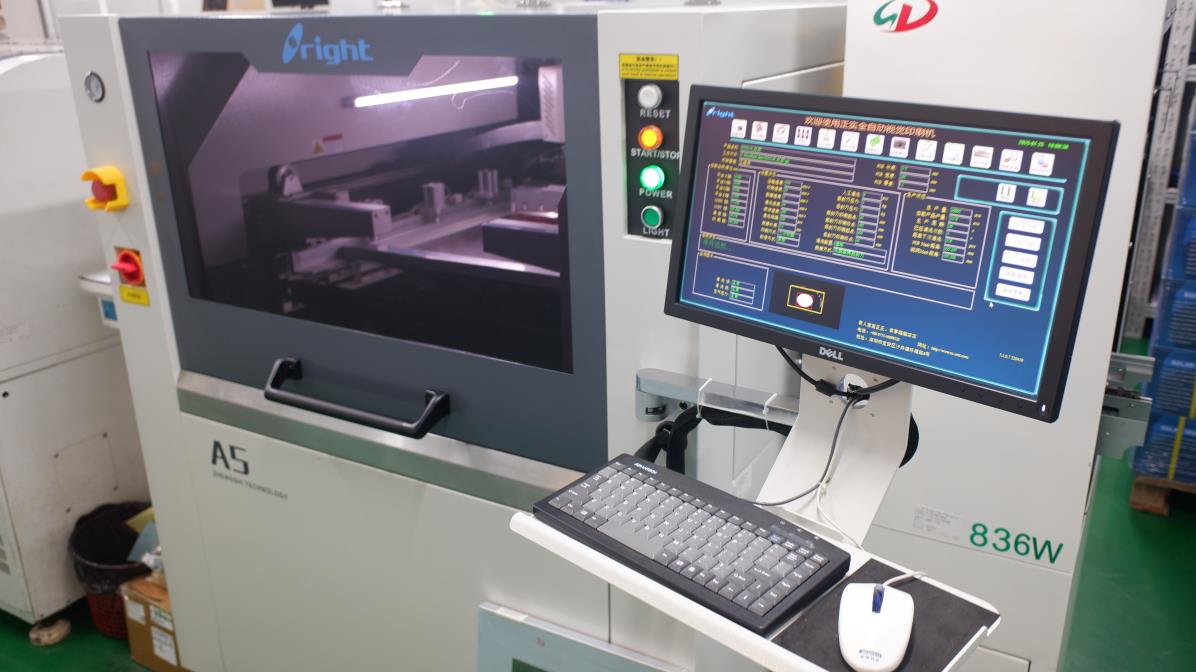
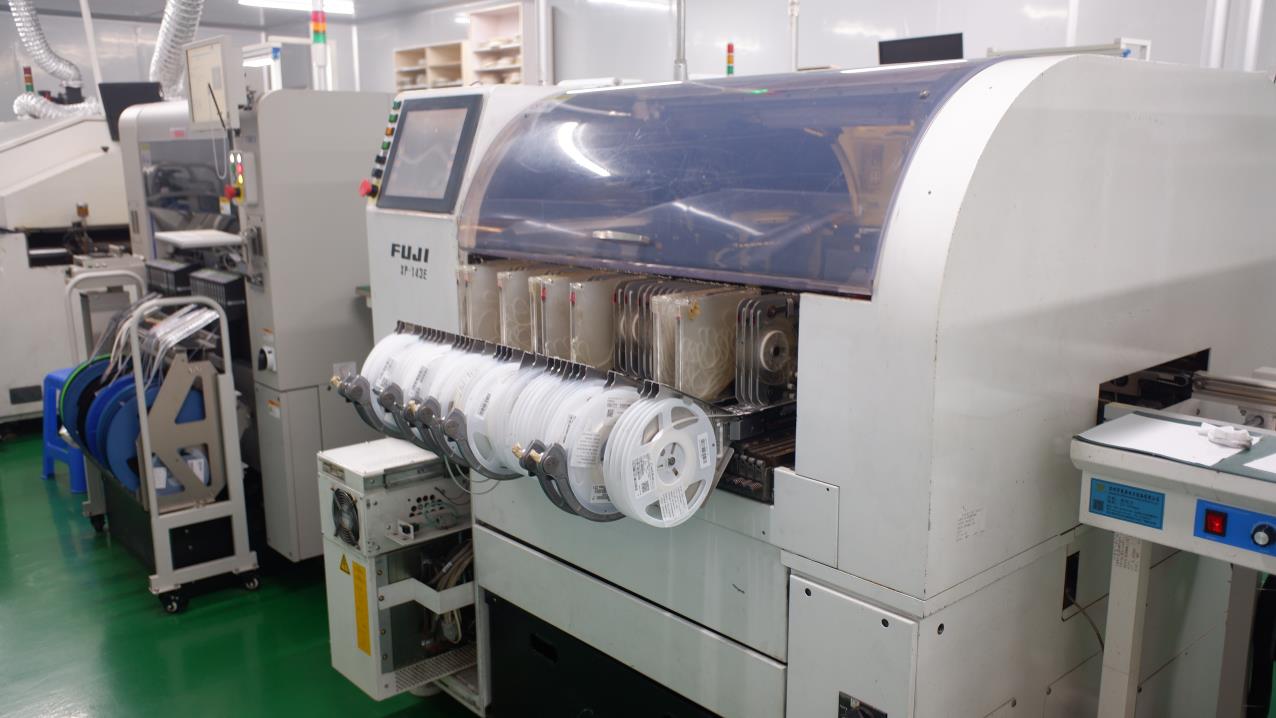
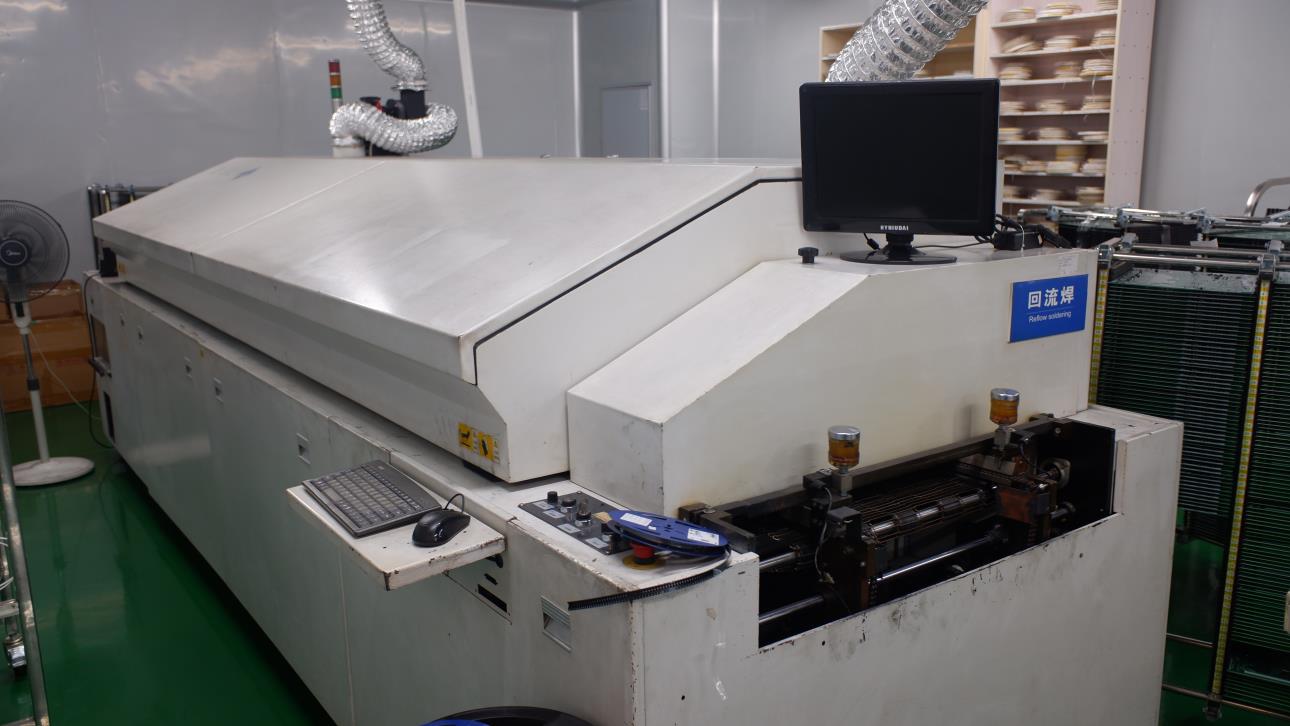
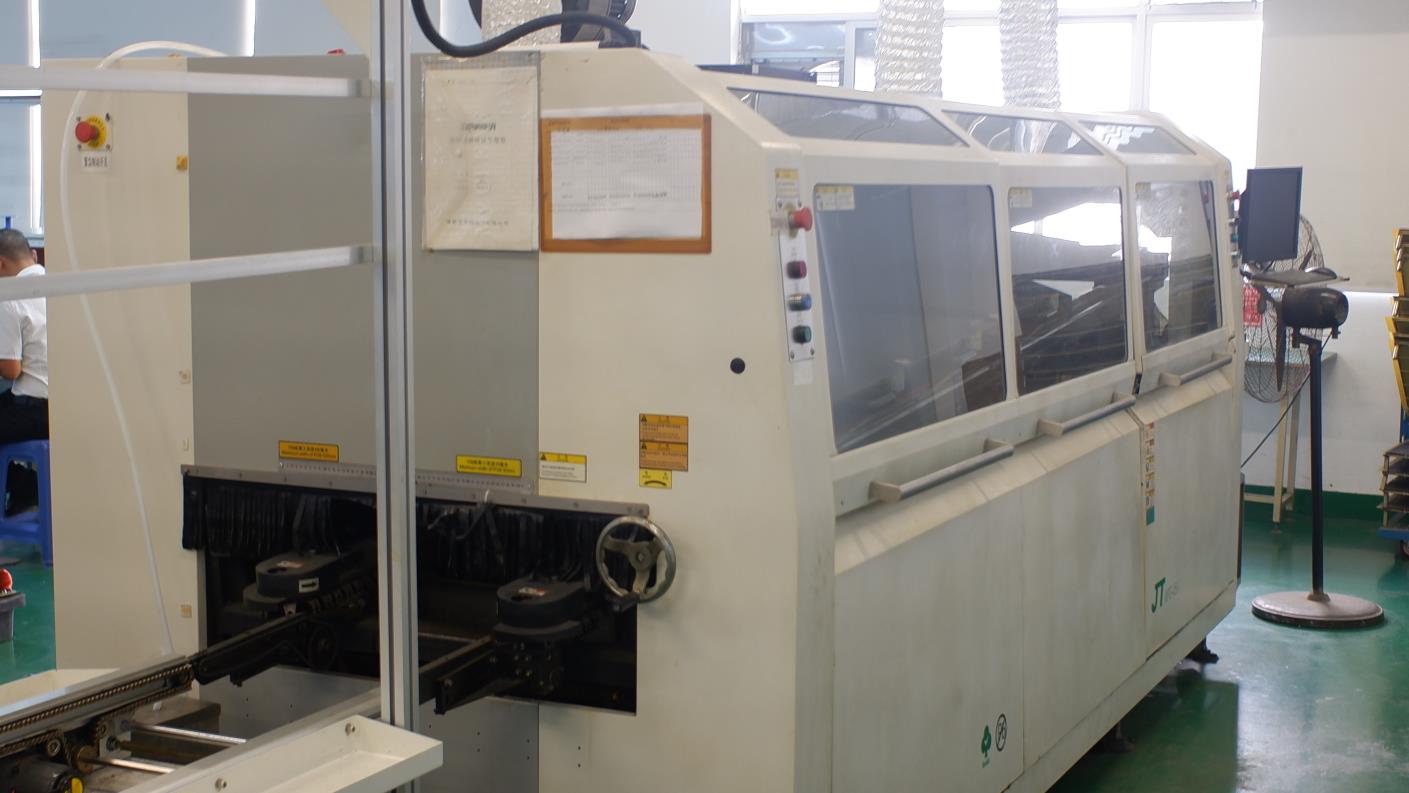
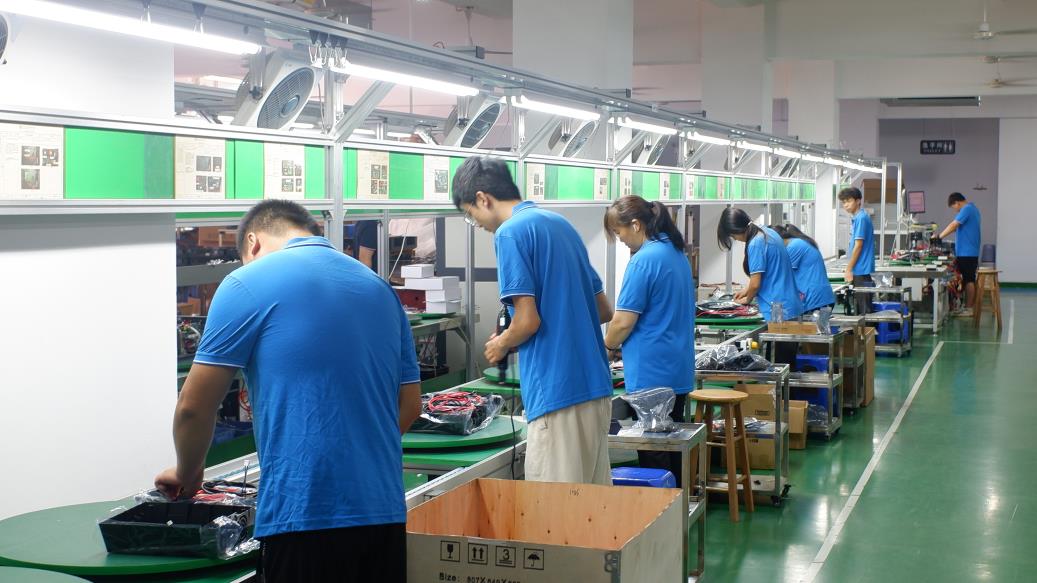
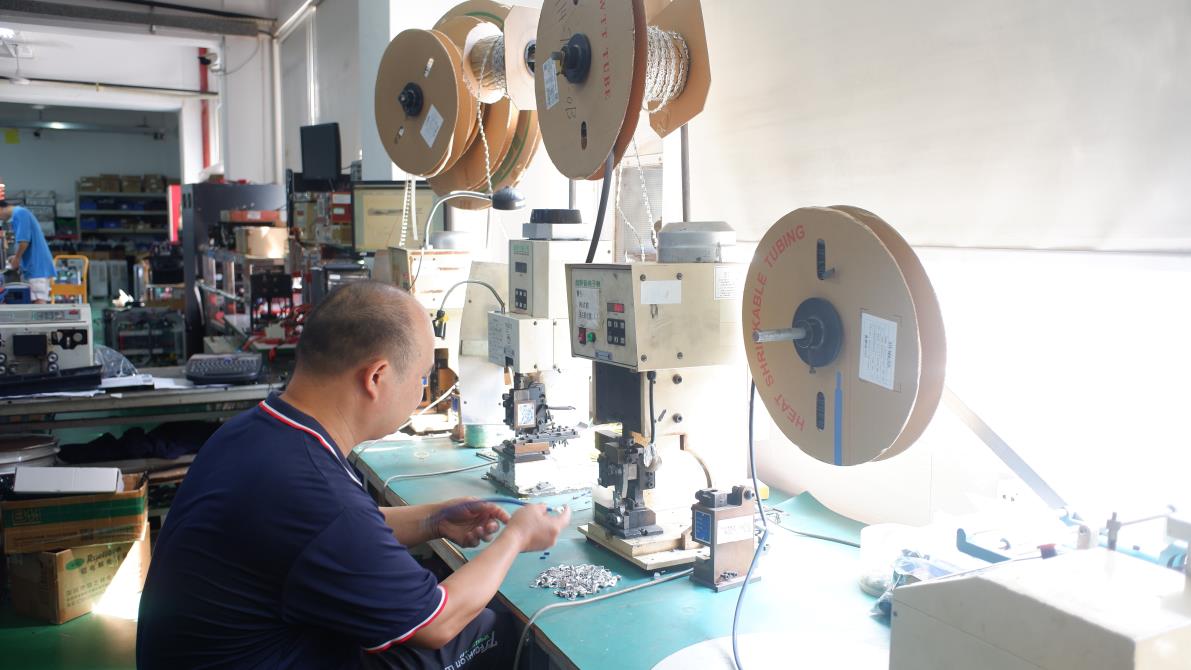
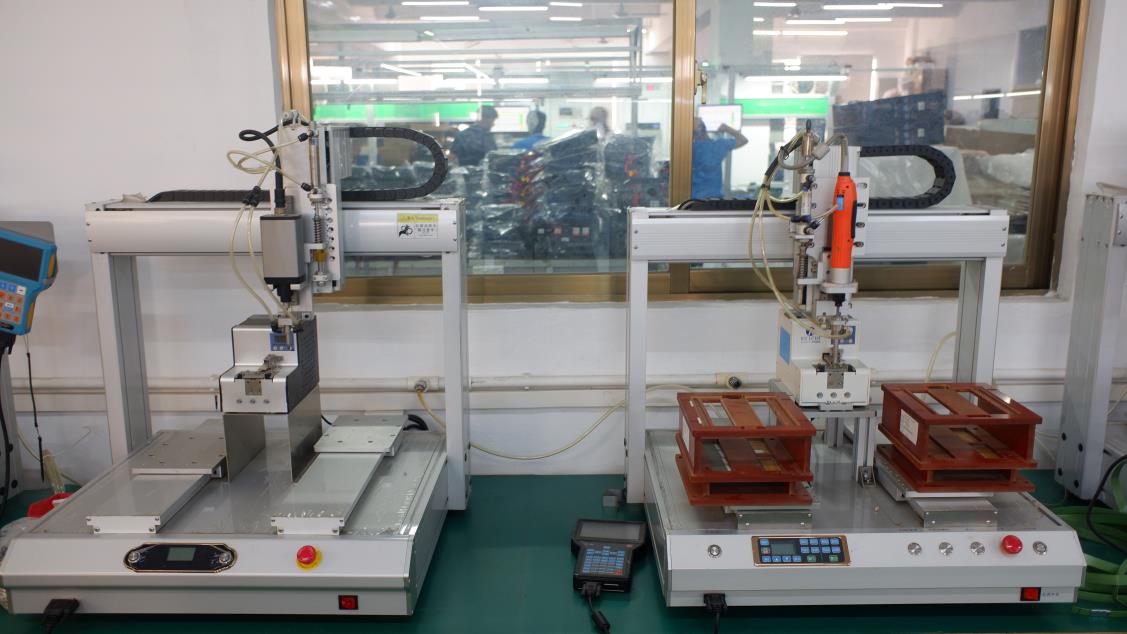
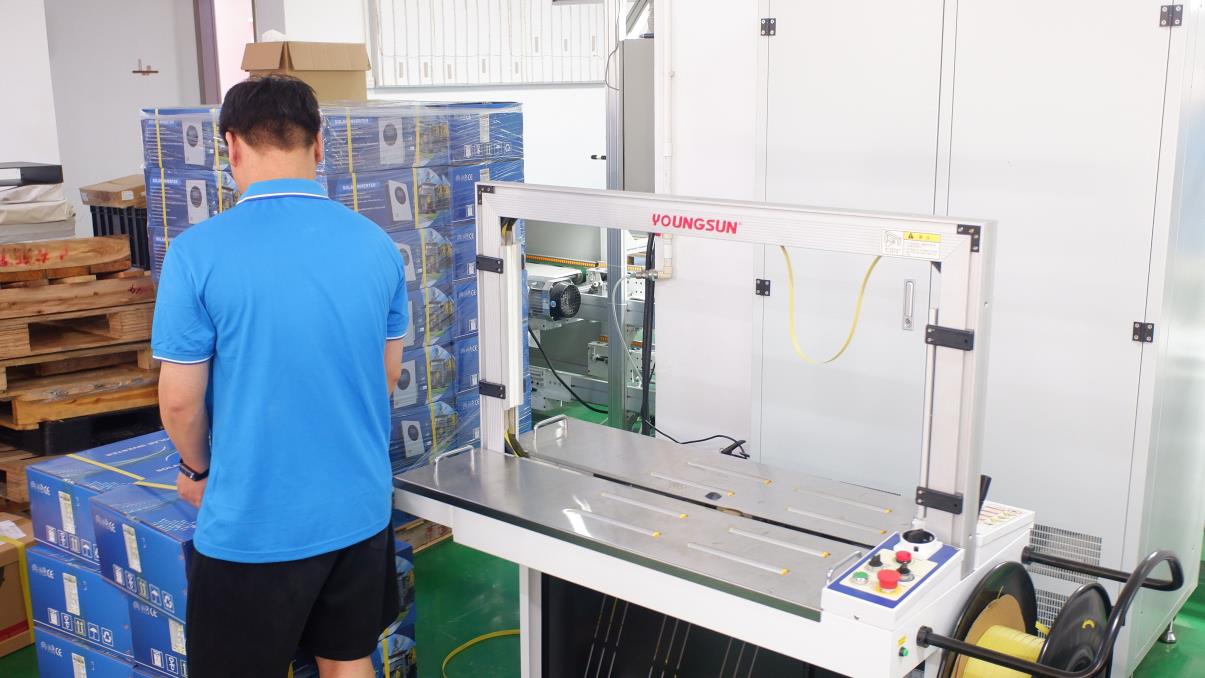
In addition to its headquarters in Shenzhen, Yde Power operates a modern ISO9001-certified manufacturing facility in Jiangxi Province, equipped with advanced automated production lines and stringent quality control systems. The company also maintains a dedicated R&D center in Shenzhen, focusing on continuous innovation in battery management systems (BMS), system integration, and intelligent energy optimization technologies.
Shenzhen Yde Power Co., Ltd. is committed to the development of efficient, safe, and environmentally friendly energy storage solutions. Its product portfolio includes residential battery storage systems, commercial and industrial energy storage cabinets, and scalable utility-grade ESS solutions designed to support grid stability, renewable energy integration, and peak shaving applications.
With the expansion of its Jiangxi manufacturing base, the company has significantly enhanced its production capacity, supply chain efficiency, and product diversity. This enables Yde Power to respond quickly to global customer demands while maintaining high standards of reliability and performance.
Driven by innovation and sustainability, Shenzhen Yde Power Co., Ltd. continuously invests in new technologies, intelligent manufacturing processes, and international quality certifications. The company aims to become a trusted global partner in the energy storage industry, contributing to a cleaner and more sustainable energy future.
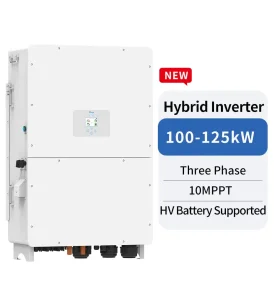
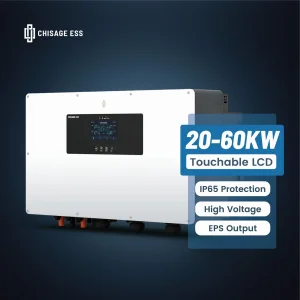
Engineered for large-scale operations, municipal mini-grids, and heavy-duty storage configurations requiring optimized phase-balancing.
Critical engineering and maintenance answers for installers and procurement managers deploying systems in the Pacific Islands.
Partner with Shenzhen Yde Power Co., Ltd. to secure industrial-grade Three-Phase Hybrid Inverters designed for the demanding environment of the Kiribati atolls. Contact our engineering team for customized microgrid sizing and quotations.
Send Inquiry Now Yde Power