Empowering the Sahel with Advanced Solar Infrastructure
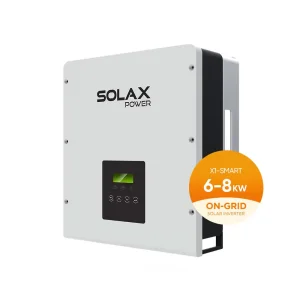
High-efficiency hybrid and micro inverters designed to withstand extreme thermal conditions in the Kaédi region.
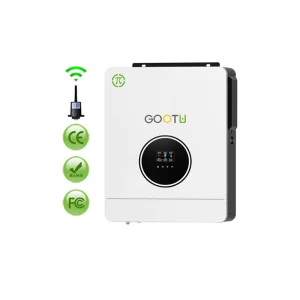
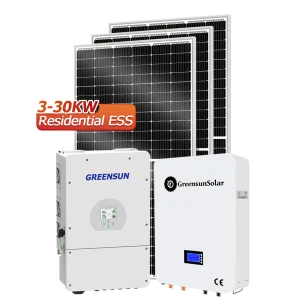
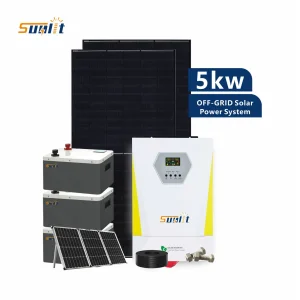
Kaédi, situated on the Senegal River in southern Mauritania, represents a critical focal point for rural and suburban electrification strategies within the Sahel region. Characterized by high solar irradiance levels exceeding 2,200 kWh/m² annually, the territory presents an exceptional yield potential for photovoltaic (PV) generation. However, local deployment is severely constrained by grid instability, micro-fluctuations, and high thermal stress. Residential rooftop installations require specialized power electronic architectures capable of maintaining high efficiency rates despite ambient temperatures frequently exceeding 45°C.
The local energy landscape is transitioning from costly, emission-intensive diesel generation to decentralized solar PV systems. Inverter technologies deployed in Kaédi must not only convert DC to AC but also serve as active grid management nodes. This requires integrated Battery Energy Storage Systems (BESS) compatibility, wide Maximum Power Point Tracking (MPPT) voltage ranges to accommodate variable irradiance profiles, and dust-resistant enclosures (IP65 to IP67 ratings) to prevent failure from airborne Sahelian dust particles.
On a global scale, the commercial, industrial, and residential solar sectors are experiencing rapid technological integration. The market has shifted from basic grid-tied configurations toward smart hybrid topologies. Modern residential rooftop systems prioritize "active safety" features, including Arc Fault Circuit Interrupters (AFCI) driven by AI algorithms to prevent electrical fires, and module-level shutdown capabilities via microinverters. The global deployment trend is heavily guided by energy storage integration, enabling peak shaving, time-of-use optimization, and complete off-grid autonomy.
Key semiconductor advancements, particularly the shift from traditional Silicon MOSFETs to wide-bandgap Silicon Carbide (SiC) and Gallium Nitride (GaN) components, have allowed manufacturers to increase inverter power density while shrinking footprint sizes. This results in minimal conversion losses, lower thermal output, and significantly longer product lifespans under harsh operational conditions.
Designed with optimized heat dissipation paths, using high-grade aluminum heatsinks and intelligent convective cooling to prevent thermal derating up to 50°C ambient temperatures.
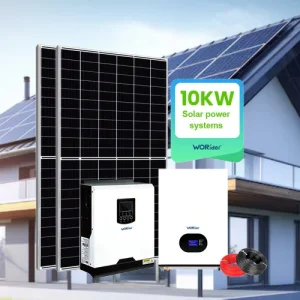
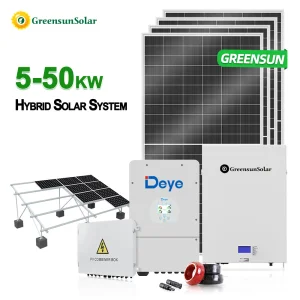
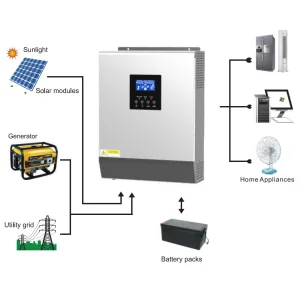
Enables maximum energy harvest from asymmetrical roof profiles while coordinating energy distribution between PV strings, battery storage banks, and the localized grid.
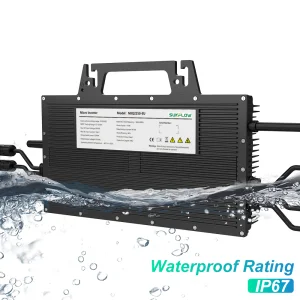
Enclosed in IP65/IP67 weatherproofing to shield critical electrical components from the fine dust of Harmattan winds, ensuring continuous operation and low maintenance overhead.
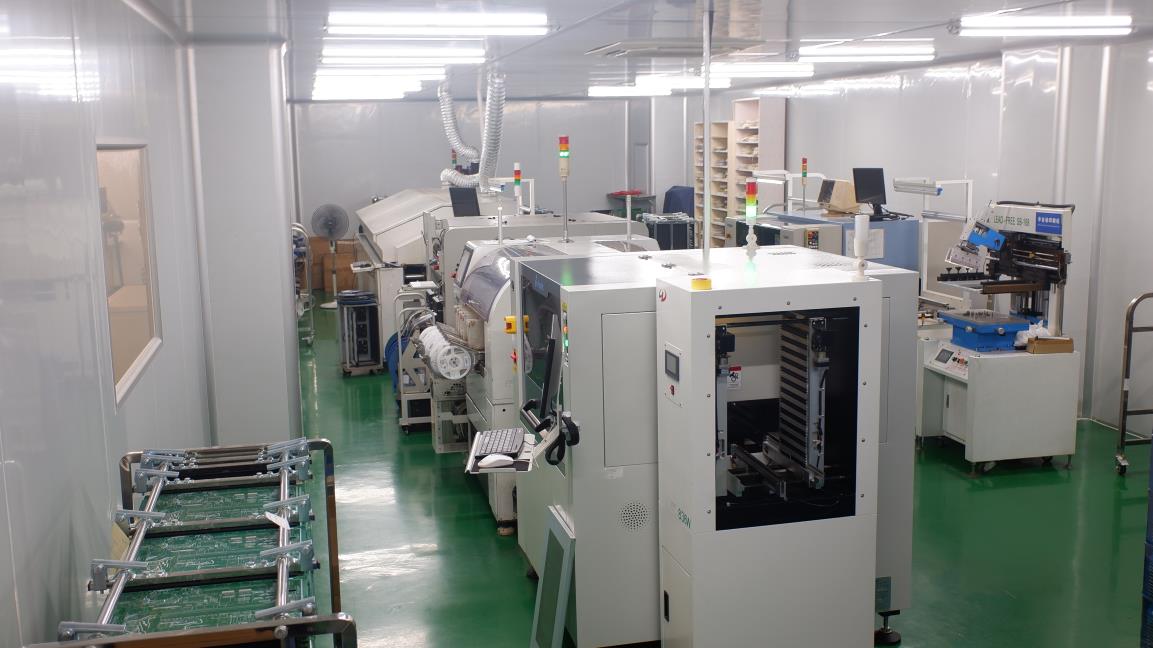
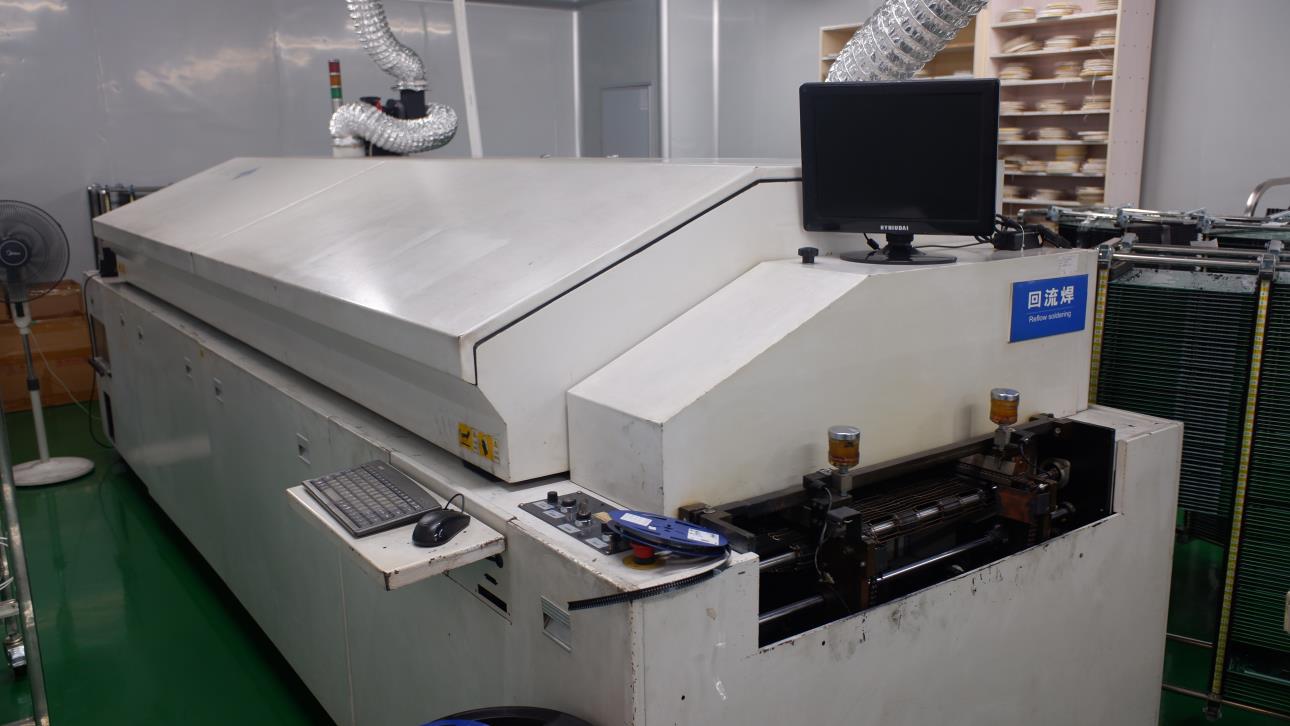
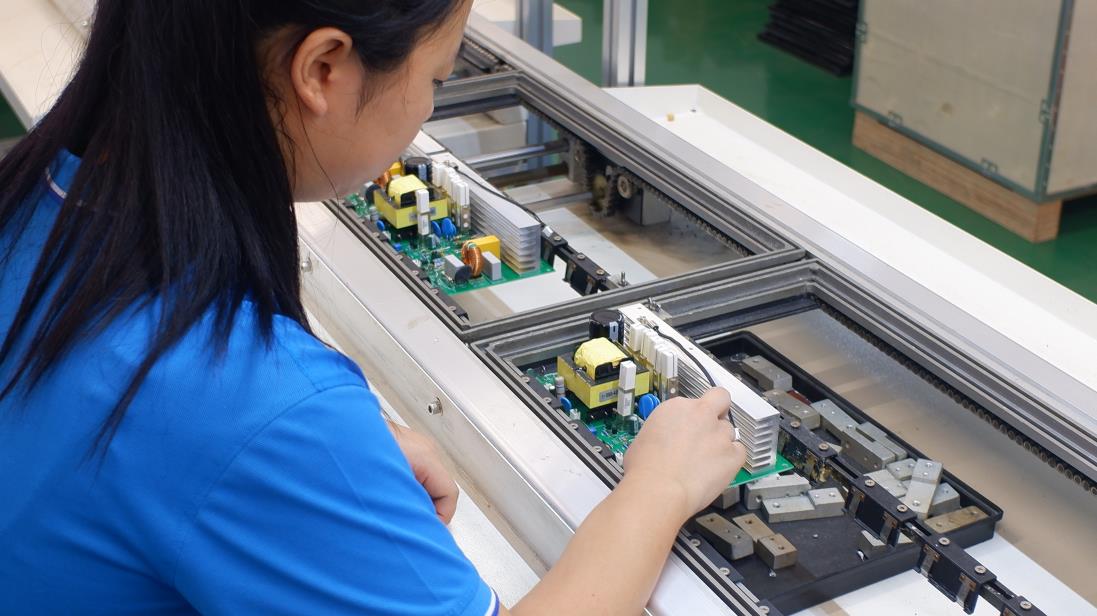
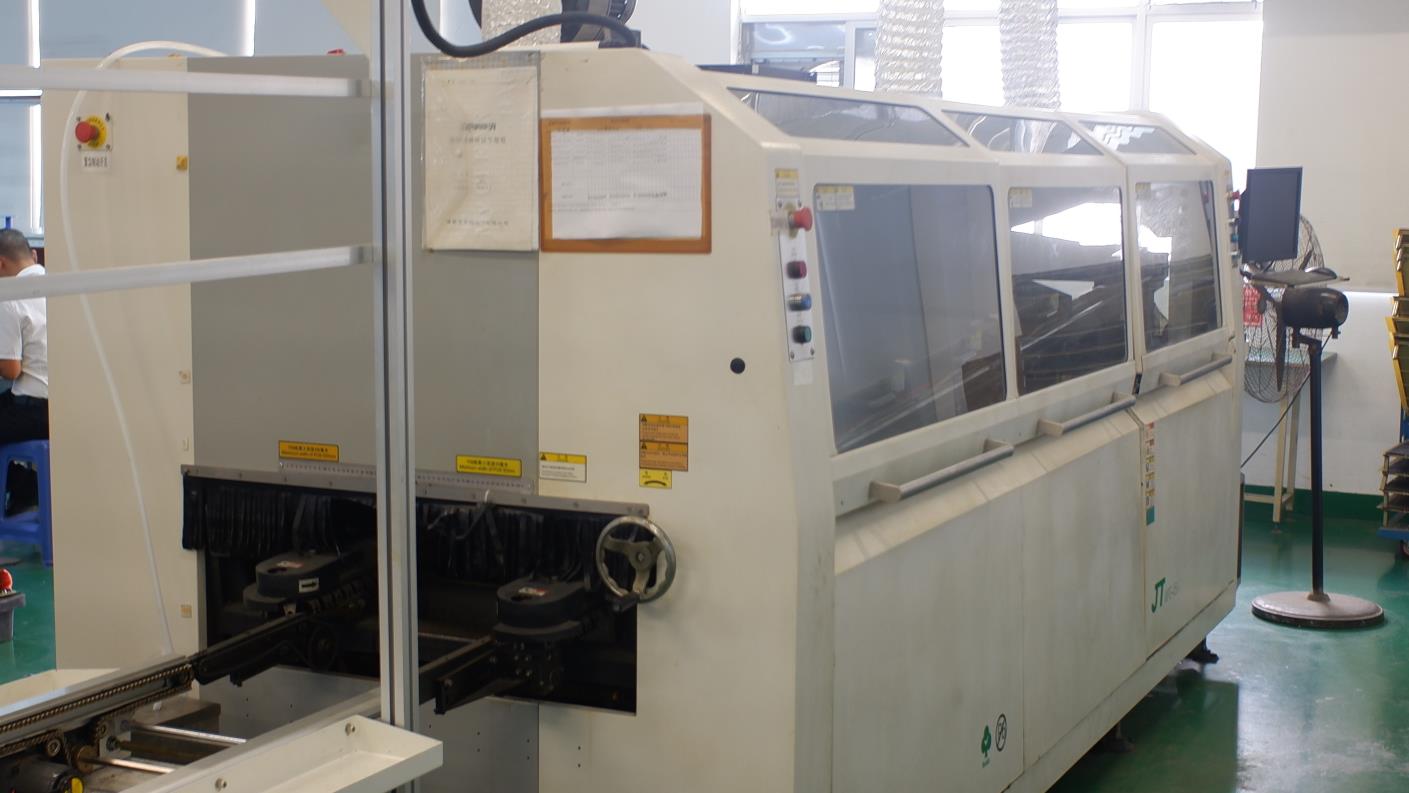
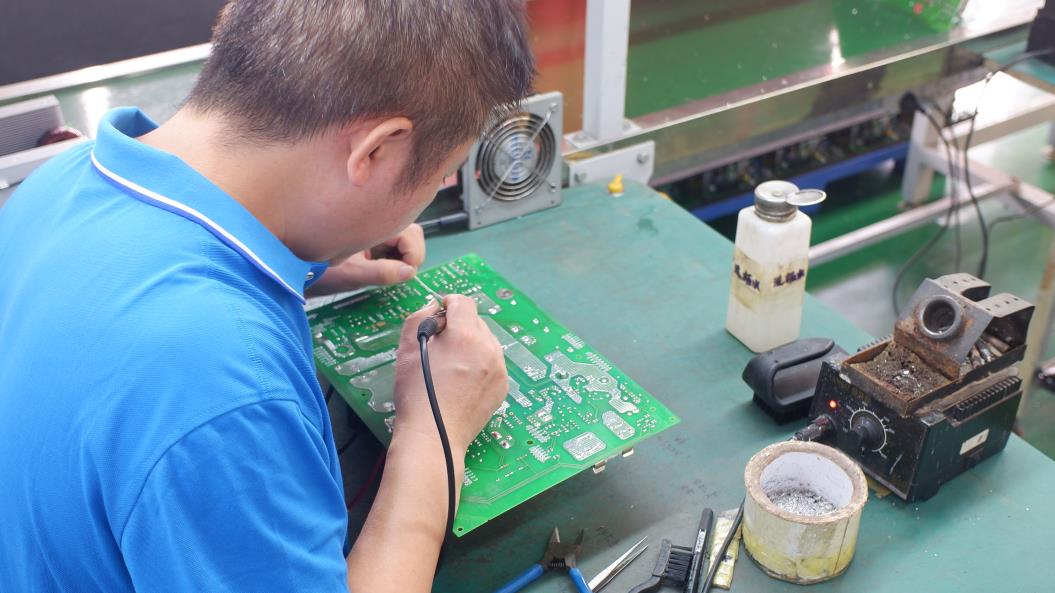
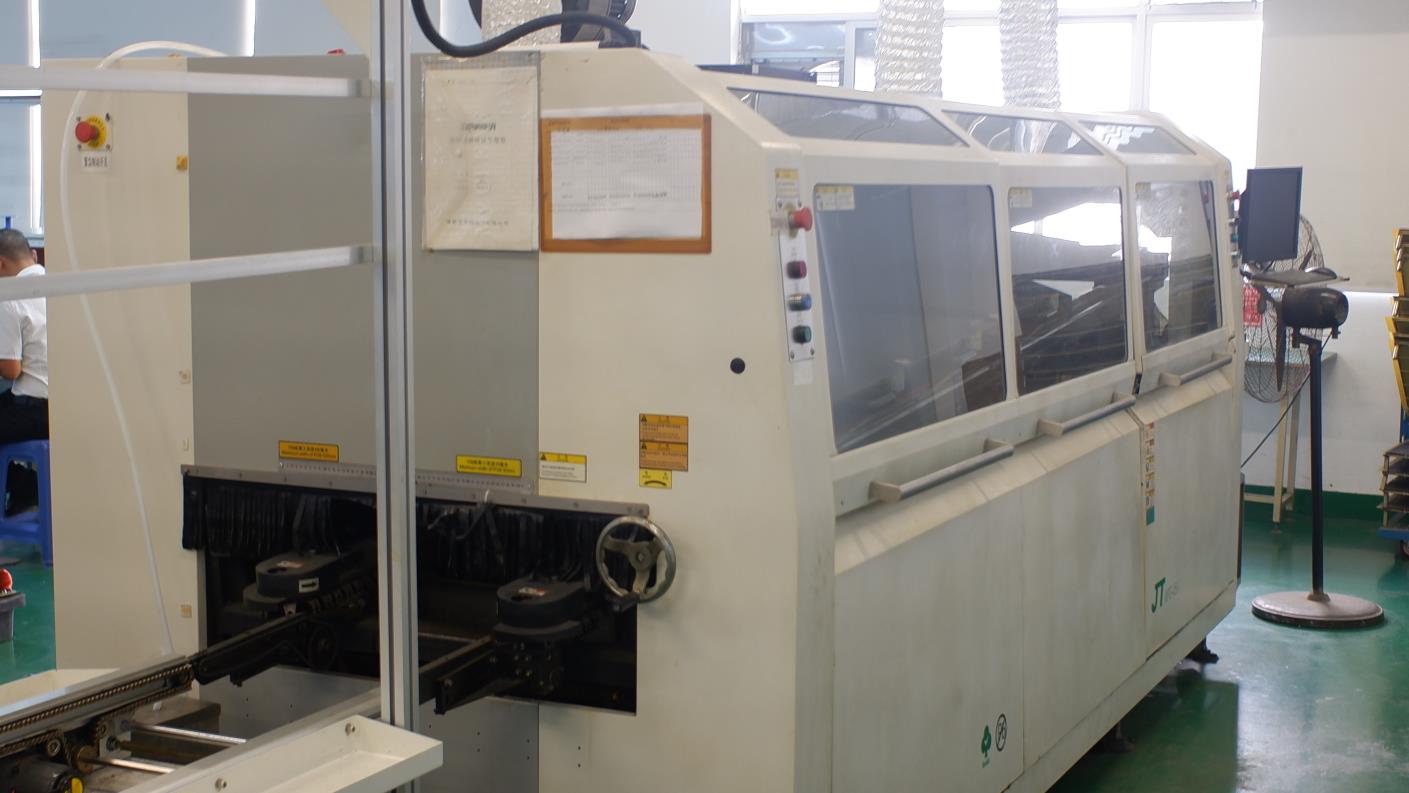
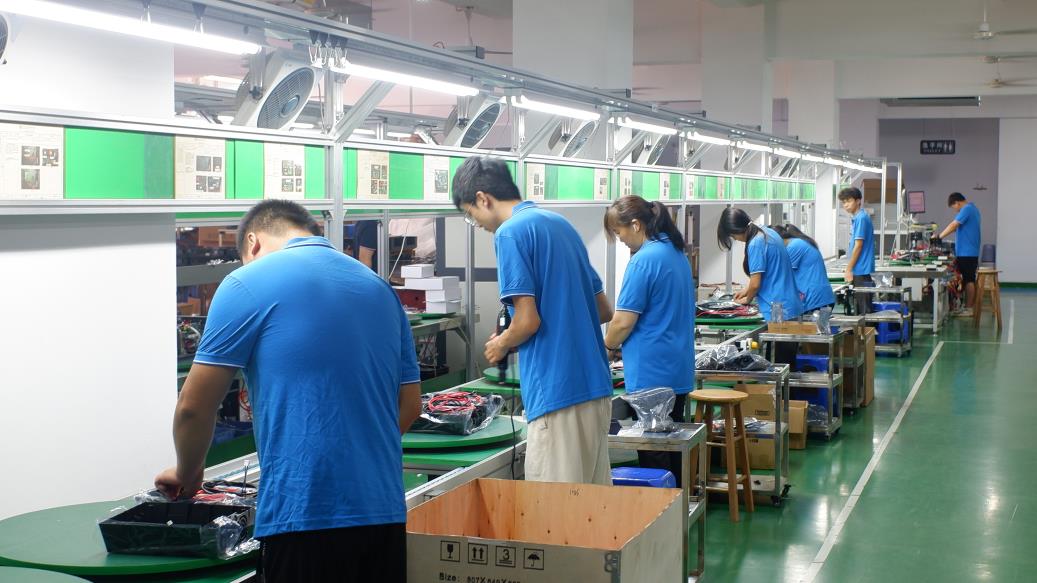
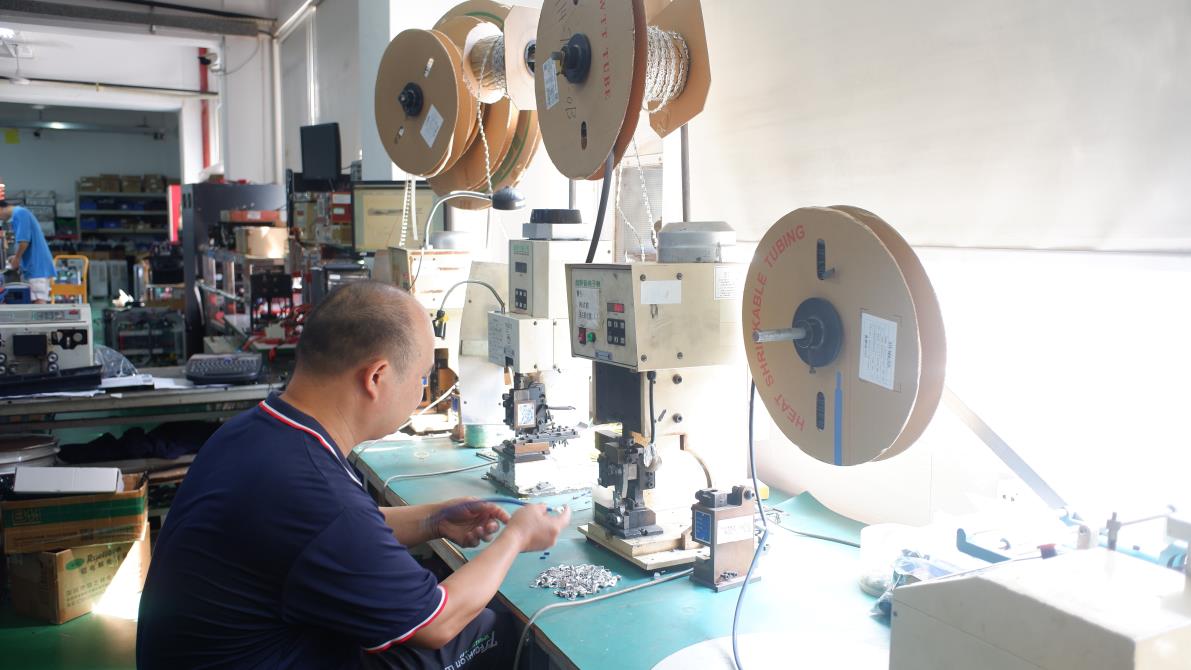
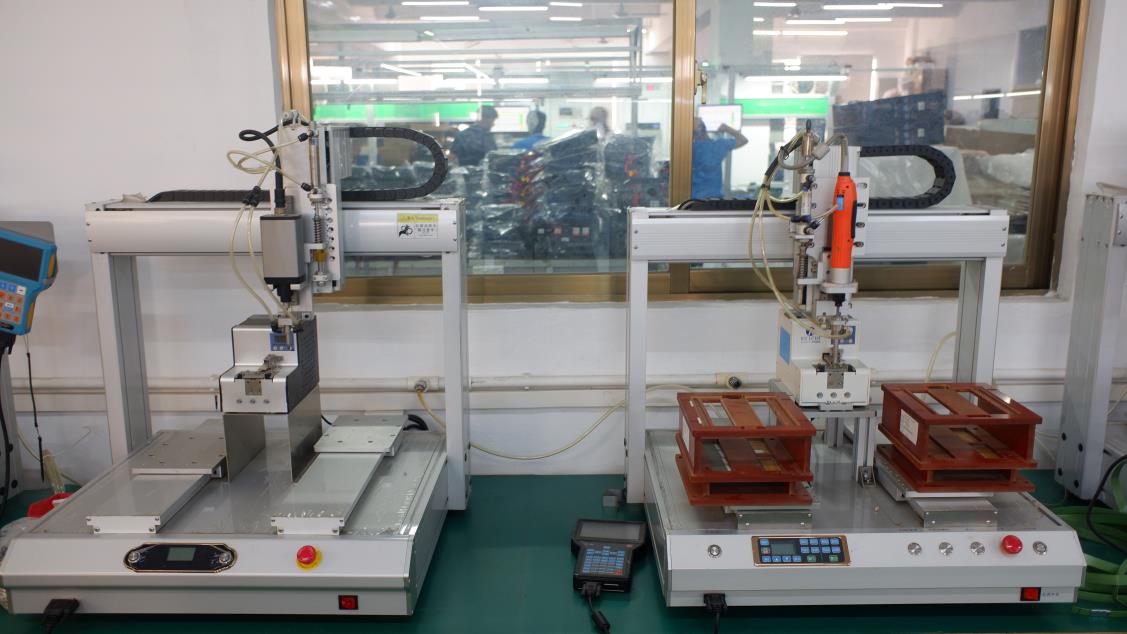
As a leading hub for power electronics manufacturing, China-based facilities combine economies of scale with rigorous technical execution. Shenzhen Yde Power Co., Ltd. demonstrates this industrial standard through its dual-presence model: an advanced R&D center in Shenzhen paired with a state-of-the-art, ISO9001-certified production facility in Jiangxi Province. By utilizing automated Surface Mount Technology (SMT) lines, computerized wave soldering, and automated optical inspection (AOI), the manufacturing workflow guarantees precision assembly at every step.
Every single inverter undergo rigorous thermal chamber aging tests and functional simulation protocols prior to container sealing. This specialized quality control framework eliminates early component infant mortality rates, offering importers in Mauritania and West Africa a dependable supply of high-uptime power electronics.
Shenzhen Yde Power Co., Ltd. is a professional manufacturer specializing in residential, commercial, and industrial energy storage systems (ESS). Headquartered in Shenzhen, China, the company integrates research and development, production, sales, and service to deliver comprehensive clean energy solutions to global markets.
In addition to its headquarters in Shenzhen, Yde Power operates a modern ISO9001-certified manufacturing facility in Jiangxi Province, equipped with advanced automated production lines and stringent quality control systems. The company also maintains a dedicated R&D center in Shenzhen, focusing on continuous innovation in battery management systems (BMS), system integration, and intelligent energy optimization technologies.
Shenzhen Yde Power Co., Ltd. is committed to the development of efficient, safe, and environmentally friendly energy storage solutions. Its product portfolio includes residential battery storage systems, commercial and industrial energy storage cabinets, and scalable utility-grade ESS solutions designed to support grid stability, renewable energy integration, and peak shaving applications.
With the expansion of its Jiangxi manufacturing base, the company has significantly enhanced its production capacity, supply chain efficiency, and product diversity. This enables Yde Power to respond quickly to global customer demands while maintaining high standards of reliability and performance.
Driven by innovation and sustainability, Shenzhen Yde Power Co., Ltd. continuously invests in new technologies, intelligent manufacturing processes, and international quality certifications. The company aims to become a trusted global partner in the energy storage industry, contributing to a cleaner and more sustainable energy future.
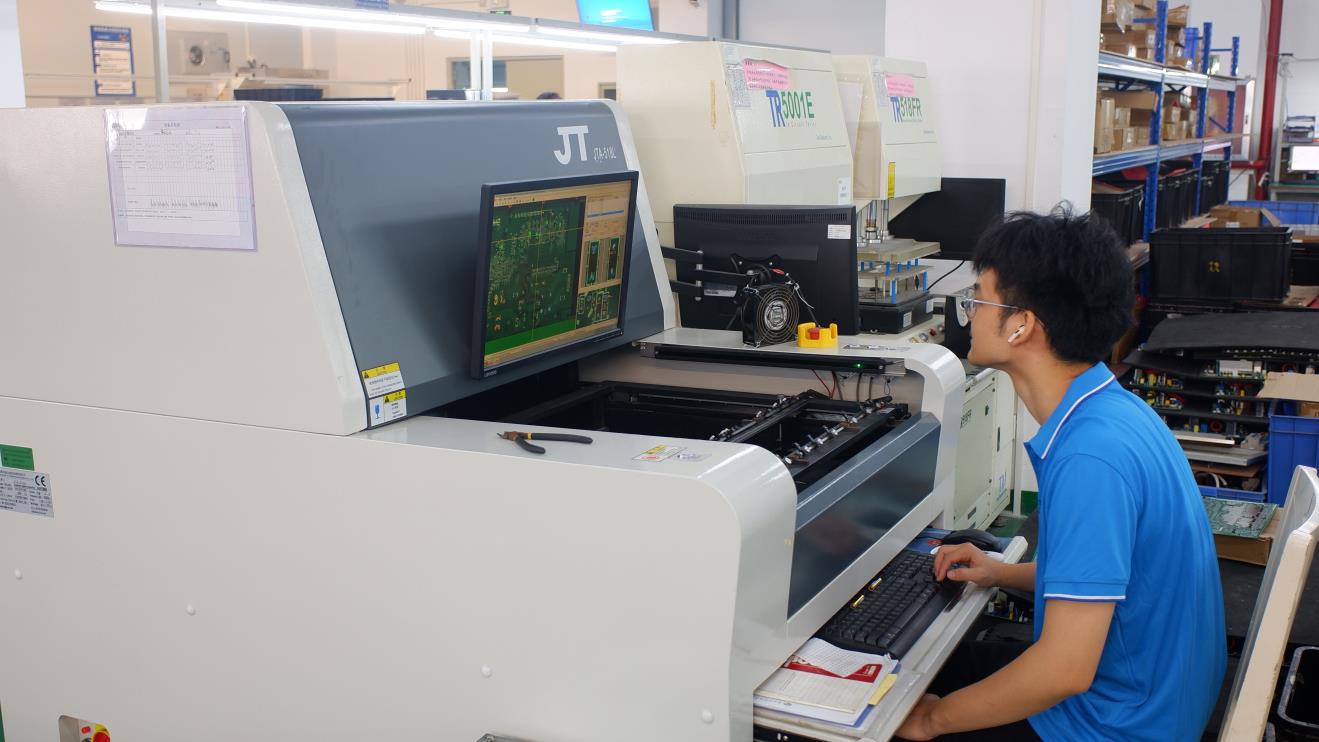
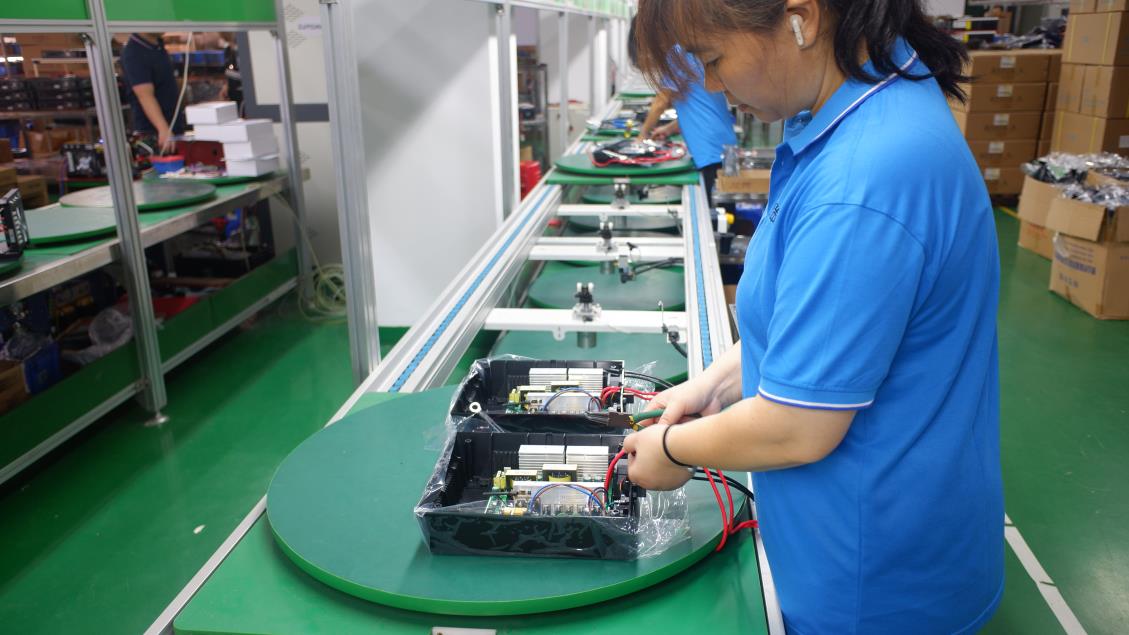
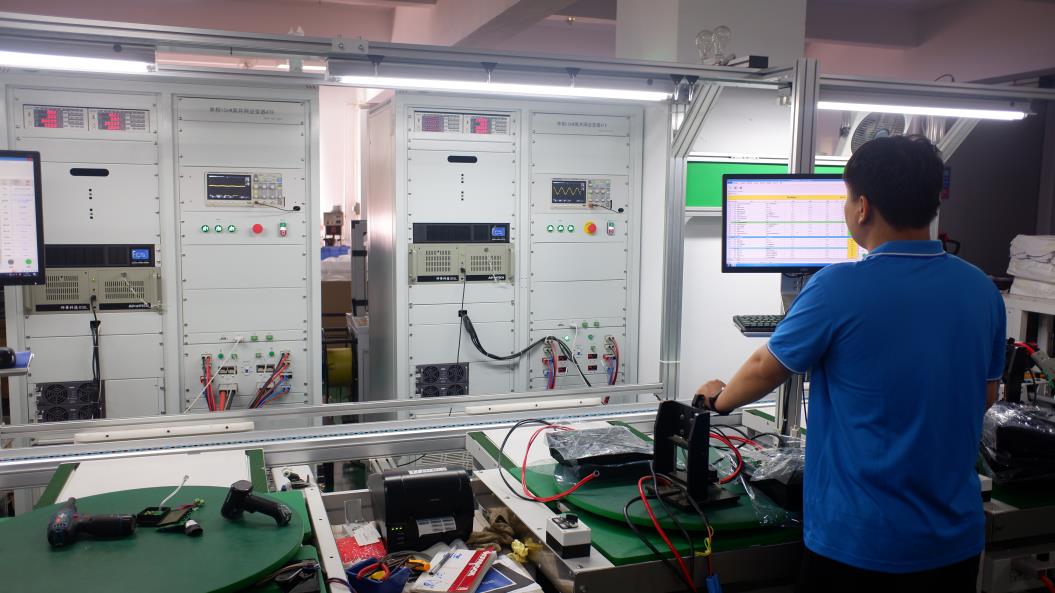
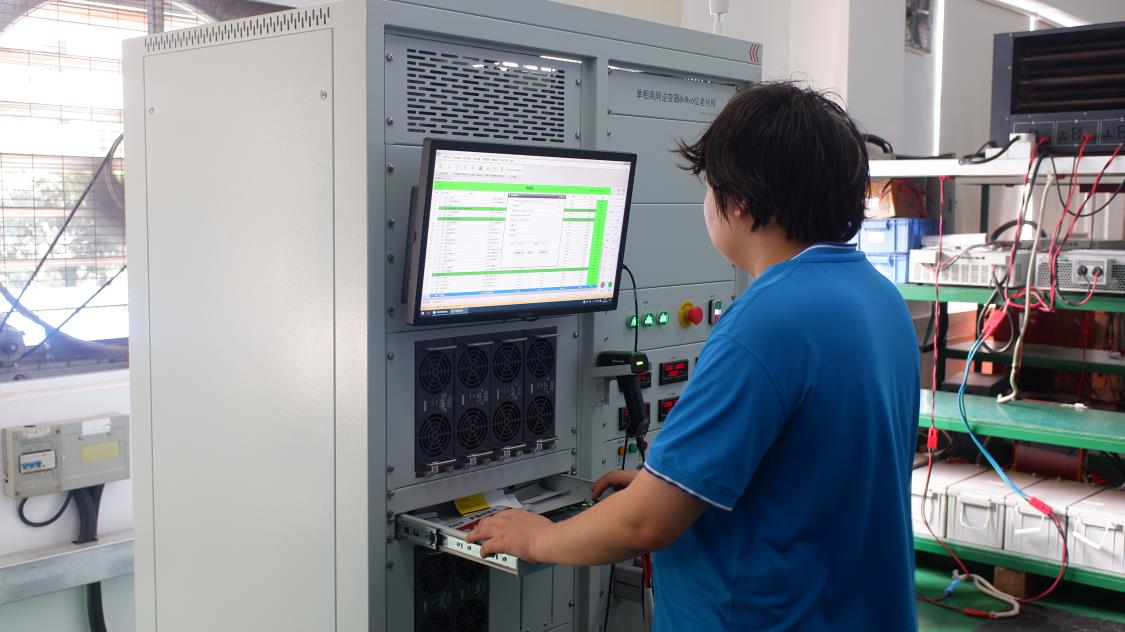
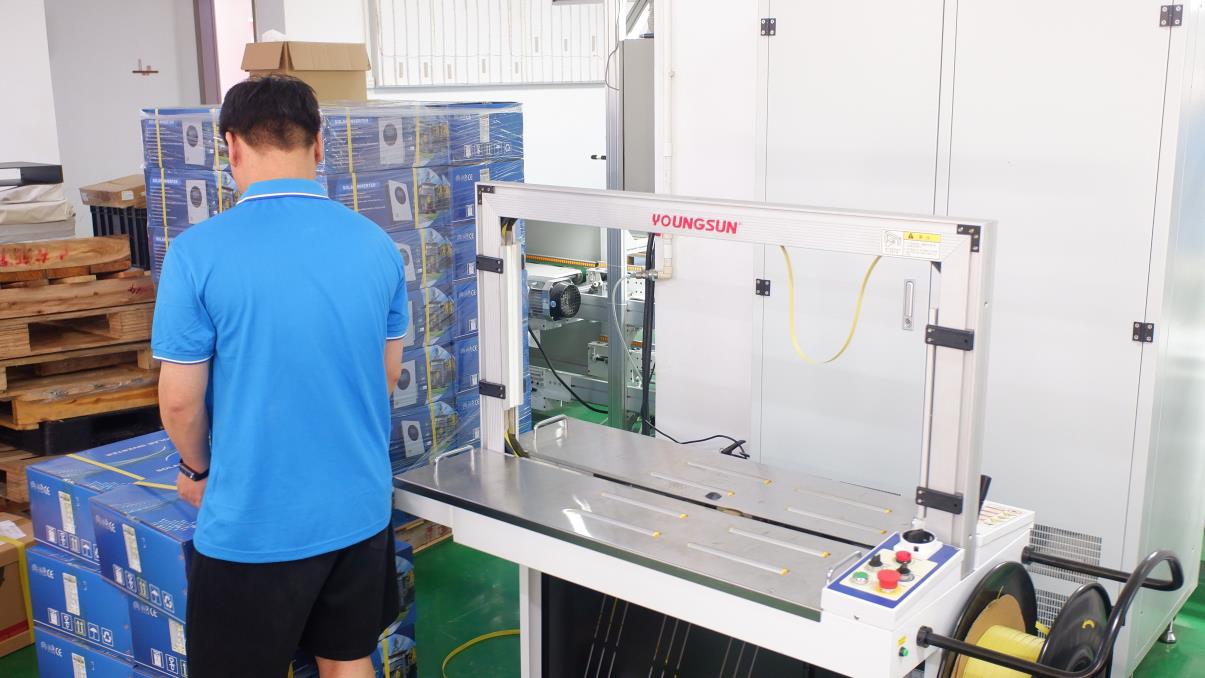
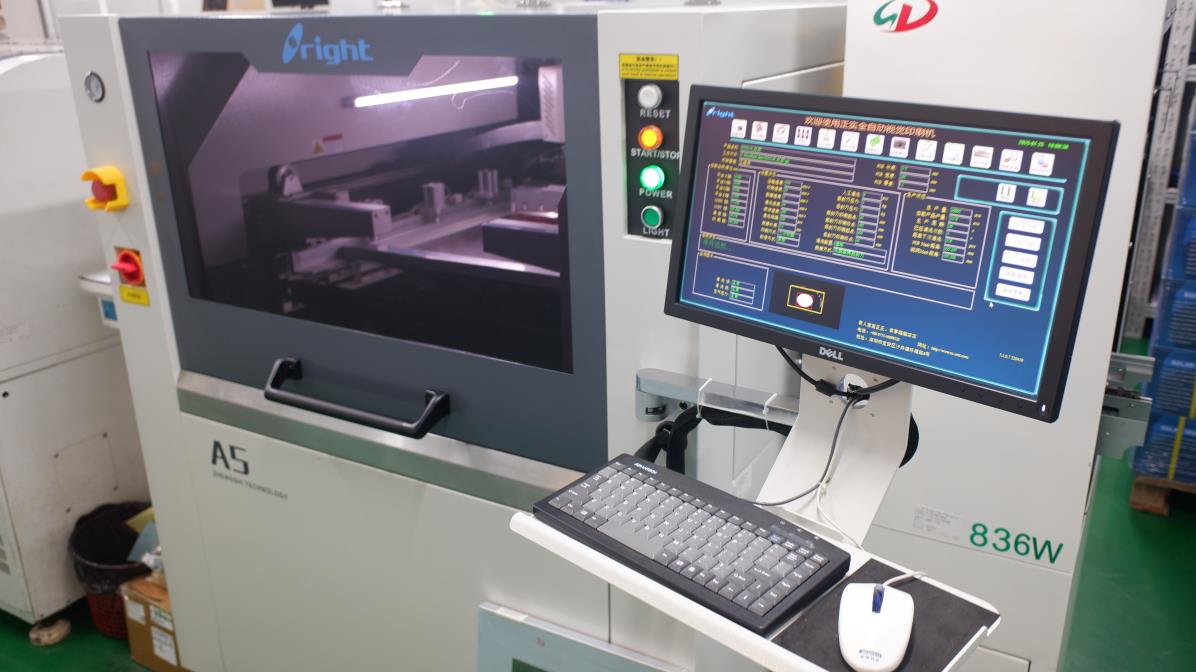
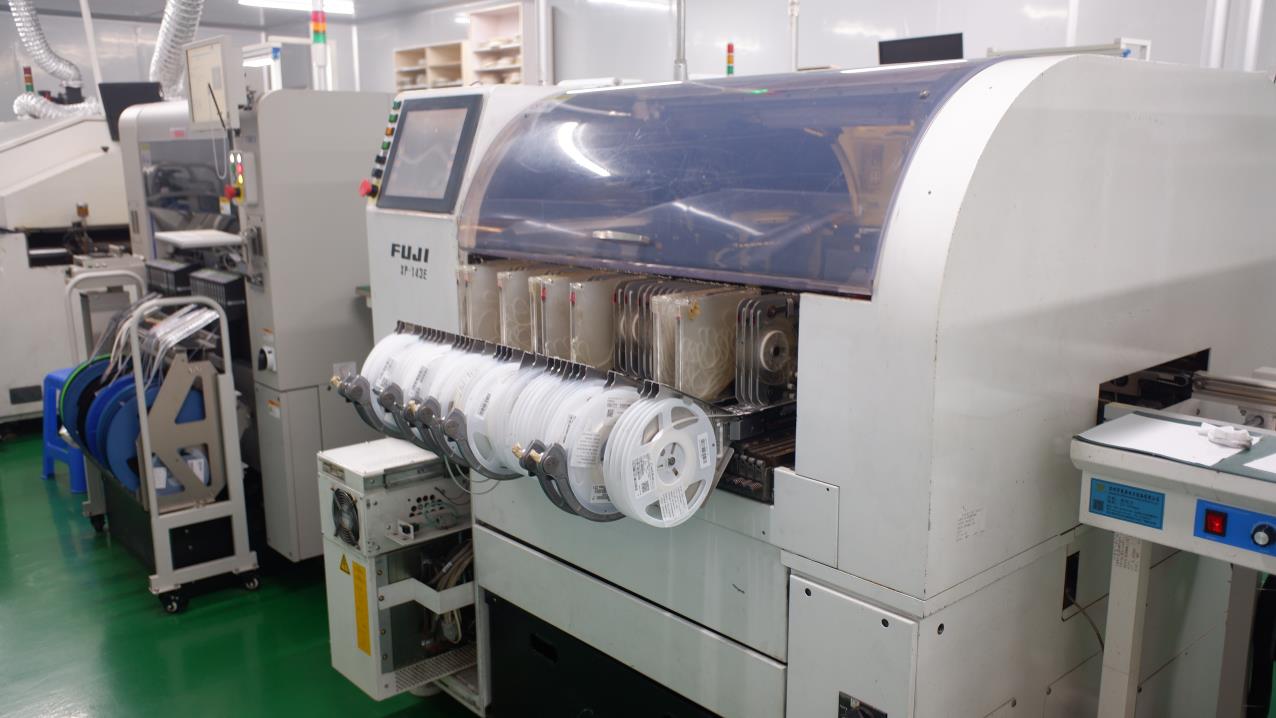
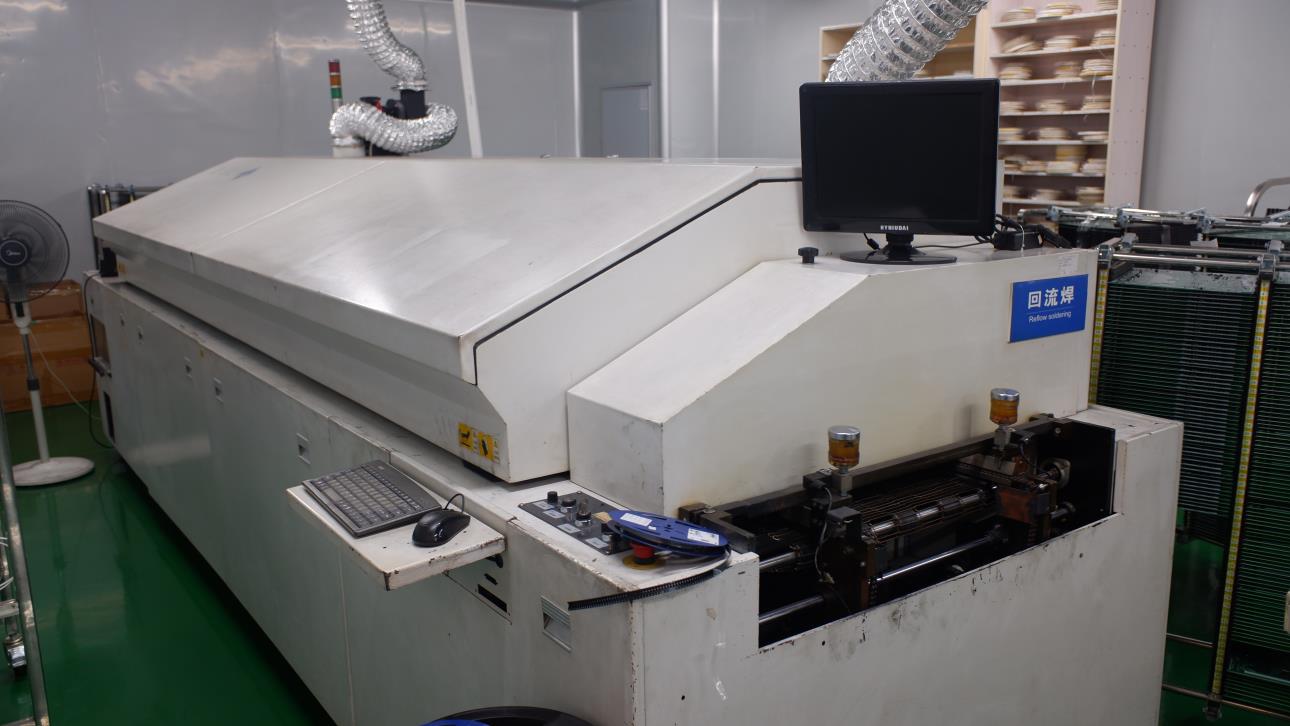
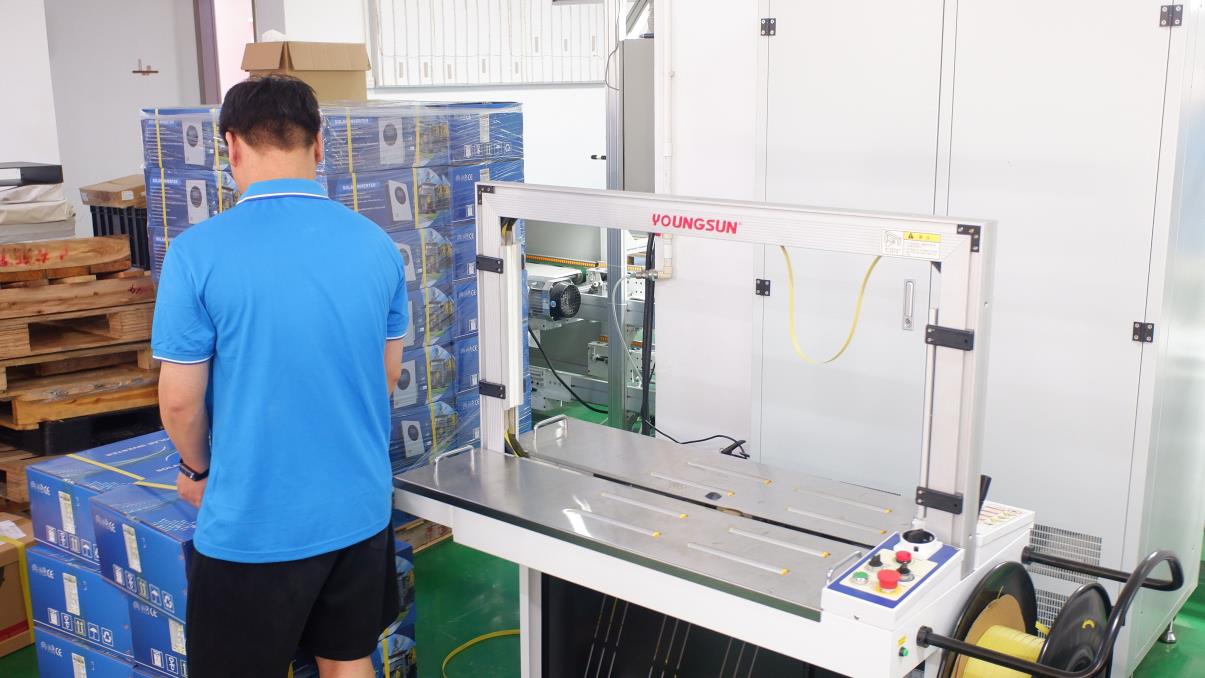
Scalable power systems featuring advanced thermal engineering and continuous duty profiles for local distribution networks.
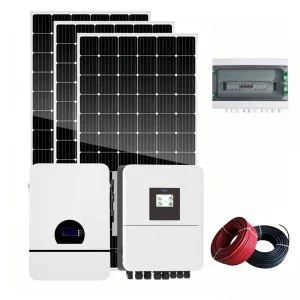
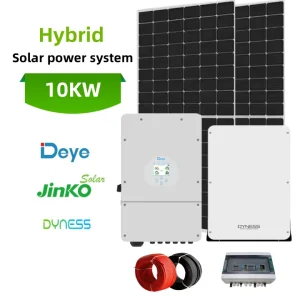
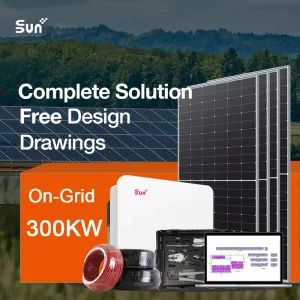
Within the Kaédi municipality and adjacent farming communities, solar power serves a dual purpose: securing residential household continuity and powering key productive sectors. Key application profiles include:
International procurement offices and EPC contractors require manufacturing compliance and rigorous quality verification before allocating capital. Standard criteria demand compliance with key regulatory networks, including CE, IEC 62109, and UN38.3 certifications. Inverter topologies must also demonstrate multi-battery compatibility, enabling seamless communication protocols (via CAN/RS485) with leading Lithium Iron Phosphate (LiFePO4) storage chemistries. Long-term warranty pathways and direct supply line visibility from OEM partners in China remain essential components for large-scale micro-grid bids in West Africa.
Technical answers to help engineers, importers, and EPC contractors design resilient residential rooftop installations.
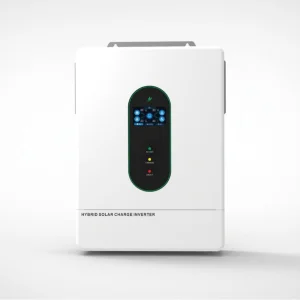
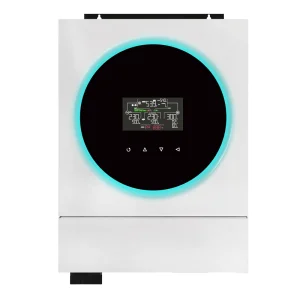
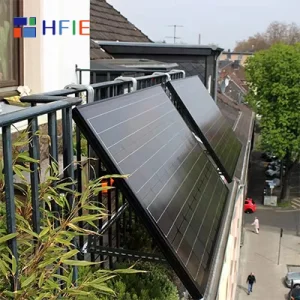
Explore our full line of residential rooftop systems, hybrid units, and balcony micro-generation hardware.
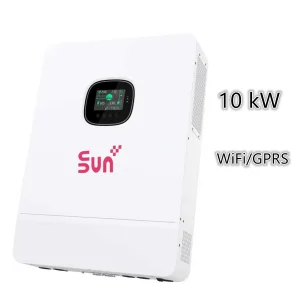
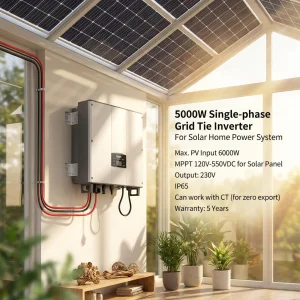
Partner with a professional China manufacturer to deliver optimized solar energy systems for the Kaédi market and across West Africa.
Send Inquiry Now Yde Power