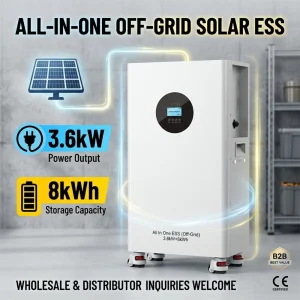
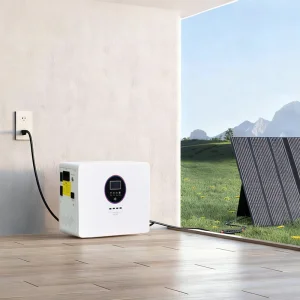
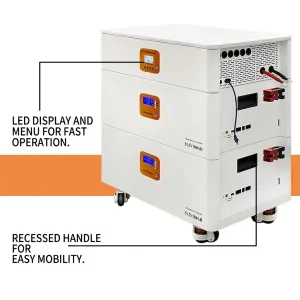
Pre-engineered, UL-certified All-in-One system architectures optimized for immediate regional interconnection within the Eversource and National Grid service territories.
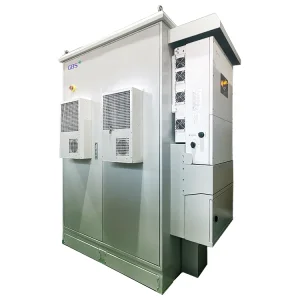
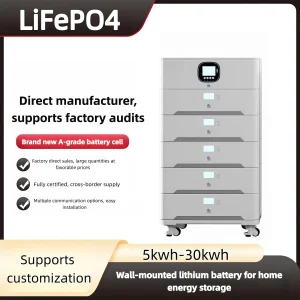
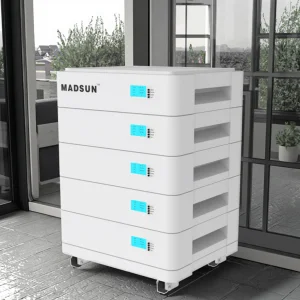
Decarbonization Mandates, Peak Demand Congestion, and Interconnection Economics within the New England ISO-NE Grid Framework.
The Greater Boston metropolitan area, operating under the complex regulatory oversight of the Massachusetts Department of Public Utilities (DPU) and tied into the ISO New England (ISO-NE) transmission network, faces unique structural energy constraints. With municipal mandates targeting net-zero emissions alongside escalating winter peak pricing anomalies driven by regional natural gas pipeline bottlenecks, localized energy resilience has transitioned from an environmental objective to an absolute commercial necessity.
Commercial and Industrial (C&I) facilities throughout Eastern Massachusetts bear some of the highest demand charges in the United States. To mitigate these financial pressures, complex energy architectures leveraging integrated All-in-One Energy Storage Inverters are rapidly deploying. These systems offer dynamic peak shaving capabilities, localized power-factor correction, and seamless islanding parameters required during severe weather events common to the New England coastline.
Furthermore, the Massachusetts Solar Massachusetts Renewable Target (SMART) program directly penalizes standalone solar photovoltaic installations that lack coupled energy storage systems. By incorporating specialized bidirectional All-in-One storage topologies, project developers unlock premium compensation multipliers while guaranteeing compliance with the Clean Peak Energy Standard (CPS). This dual economic path relies heavily on advanced inverter intelligence capable of algorithmic dispatch execution aligned with the state's peak load windows.
Tailoring All-in-One System Topologies to Boston's Zoning, Climate, and Electrical Infrastructure Restrictions.
Boston's older architectural footprint presents spatial restrictions and complex indoor installation parameters. All-in-One stackable ESS designs alleviate these challenges by integrating the hybrid inverter, battery management system (BMS), thermal regulation, and safety disconnect switchgear into a singular vertical enclosure with a minimized square-footage footprint.
Equipped with internal heating circuits and robust thermal management insulation, these units maintain optimal LiFePO4 chemical stability even when deployed in unconditioned spaces during sub-zero New England winters. This guarantees continuous black-start performance and uninterrupted backup profiles when ice storms or nor'easters threaten local distribution grids.
As commercial transport fleets within the Boston logistics corridors transition to electric vehicle architectures, localized sub-stations face intense peak demand constraints. Integrated All-in-One hybrid systems serve as strategic buffer stations.
Shenzhen Yde Power Co., Ltd. — Driving Global Clean Energy Transition through Advanced Automation and Vertical Integration.
Shenzhen Yde Power Co., Ltd. is a tier-one professional manufacturer specializing in residential, commercial, and industrial energy storage systems (ESS). Headquartered in the global technology hub of Shenzhen, China, the company integrates world-class research and development, automated production lines, global sales distribution, and comprehensive lifetime field service to deliver robust clean energy solutions to strict markets like the United States, Europe, and the United Kingdom.
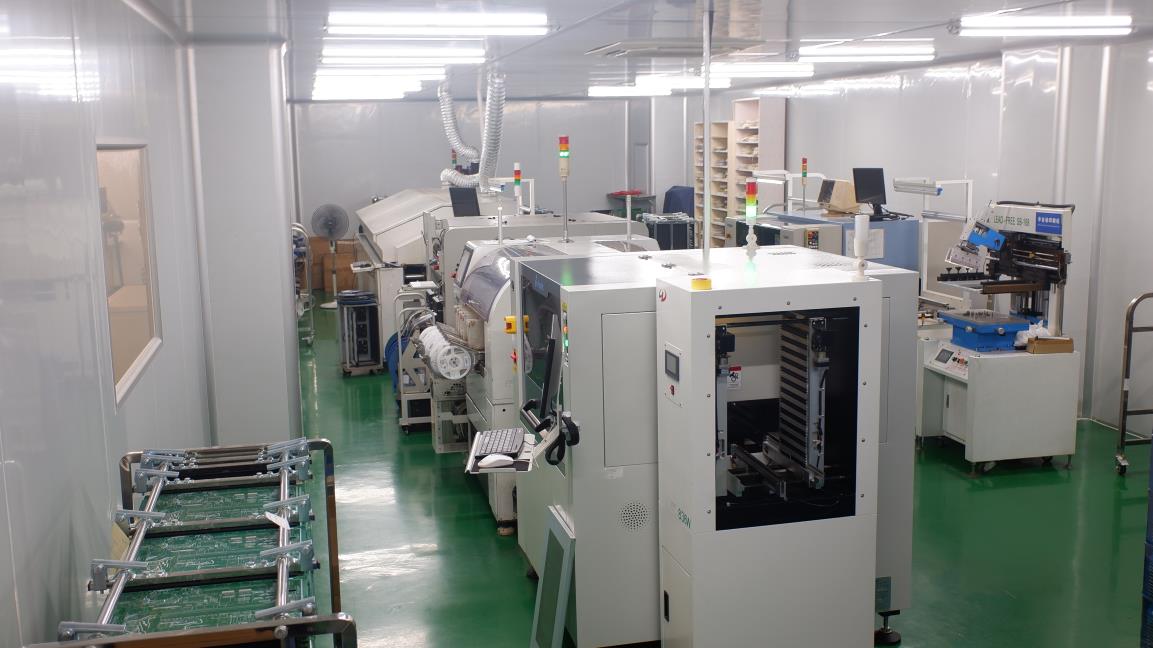
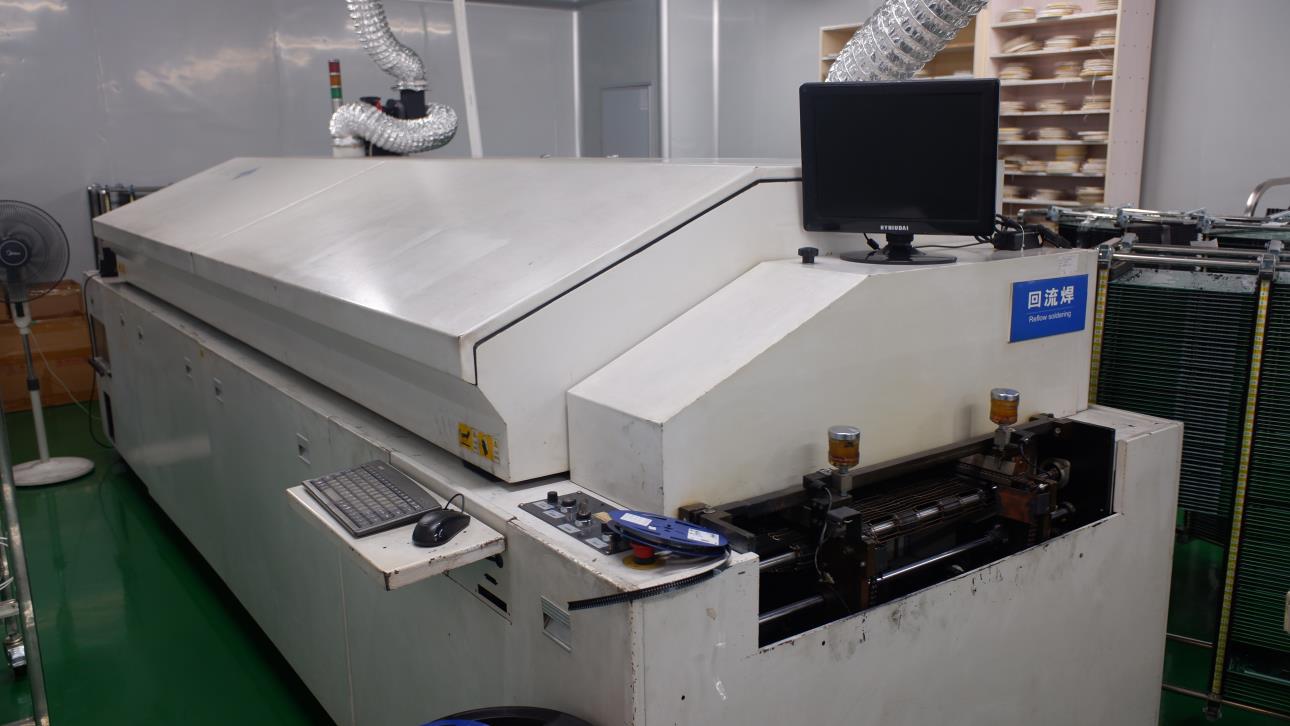
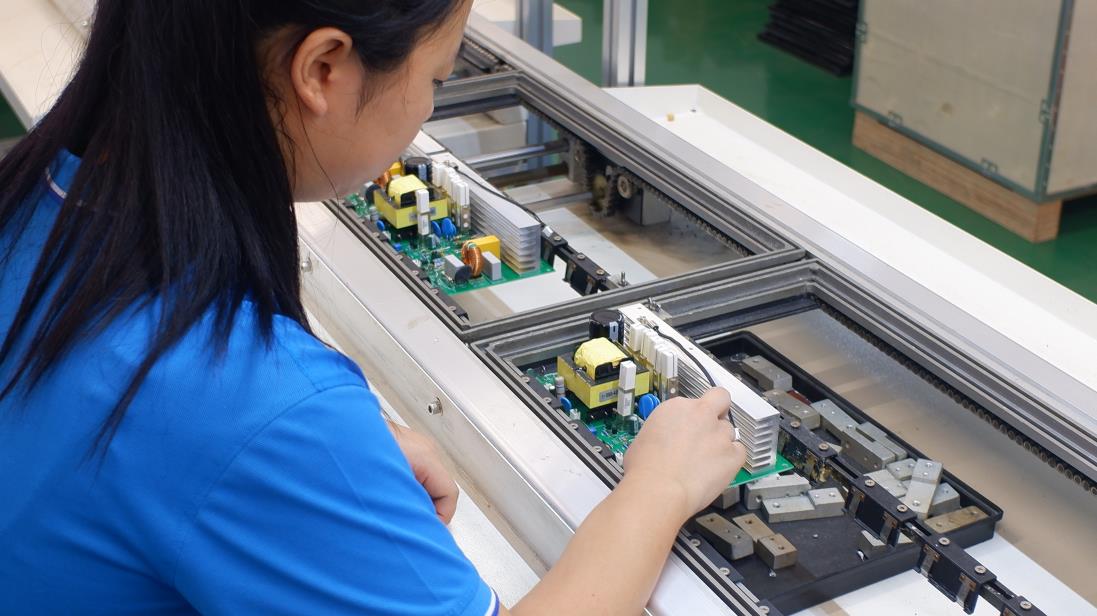
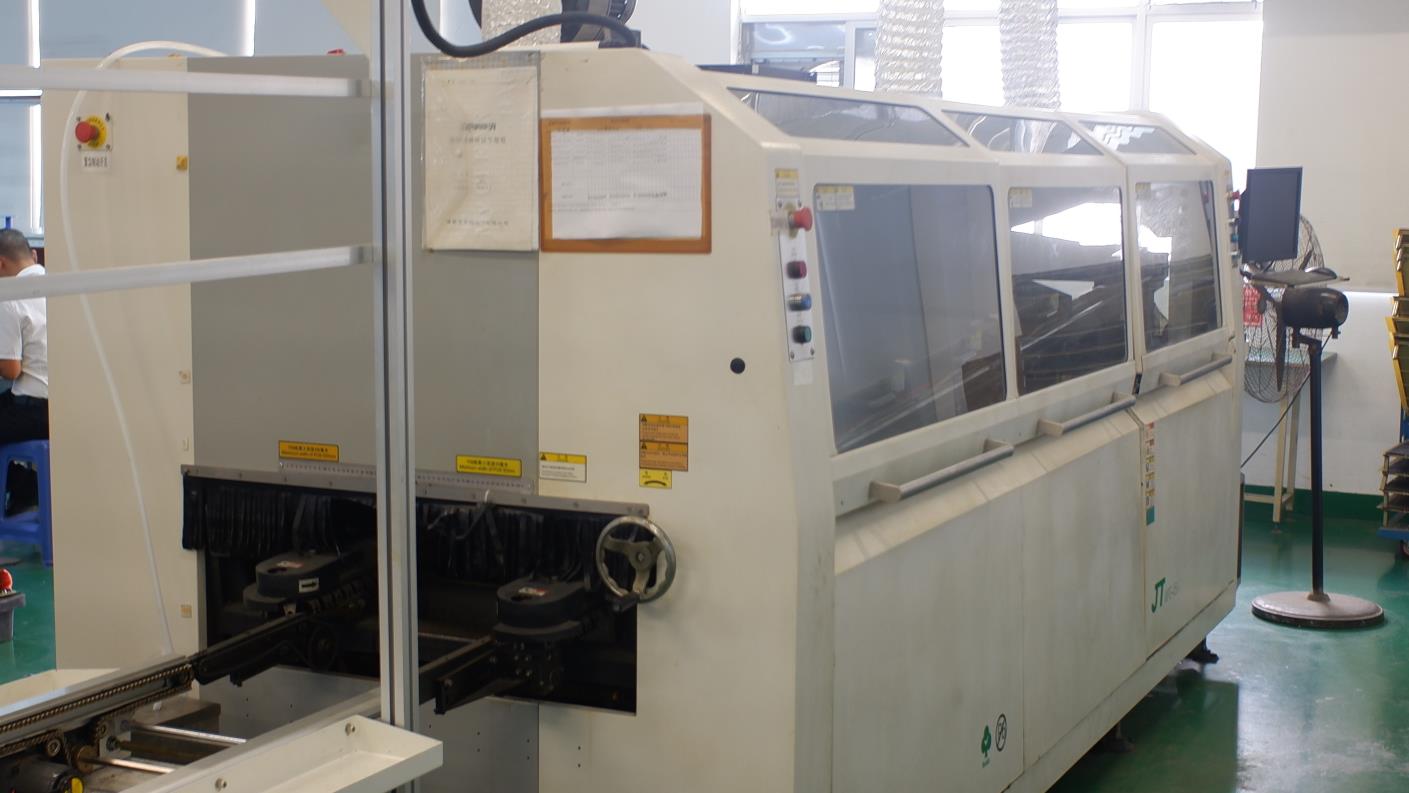
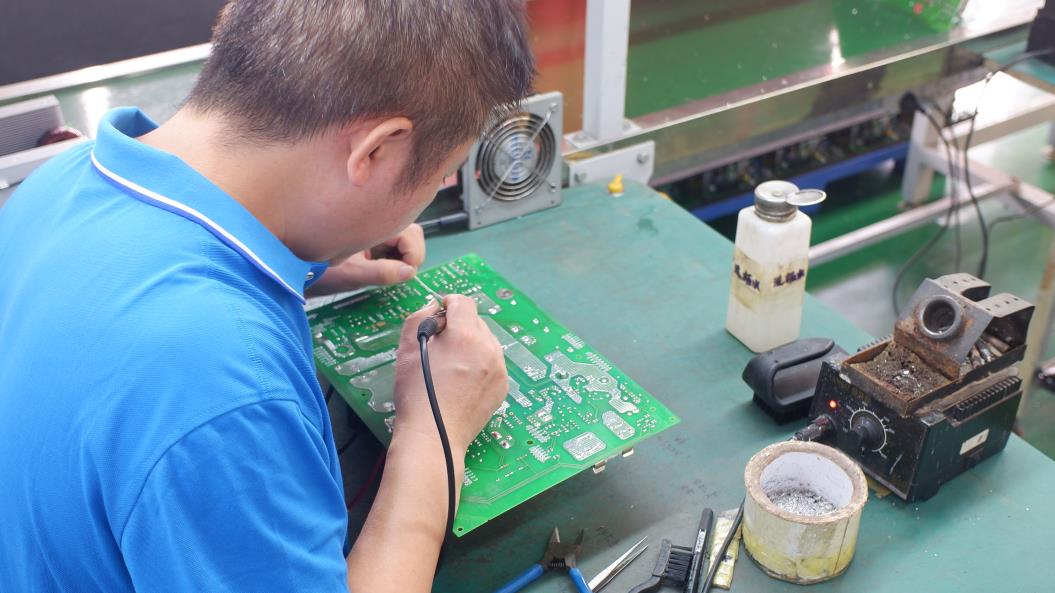
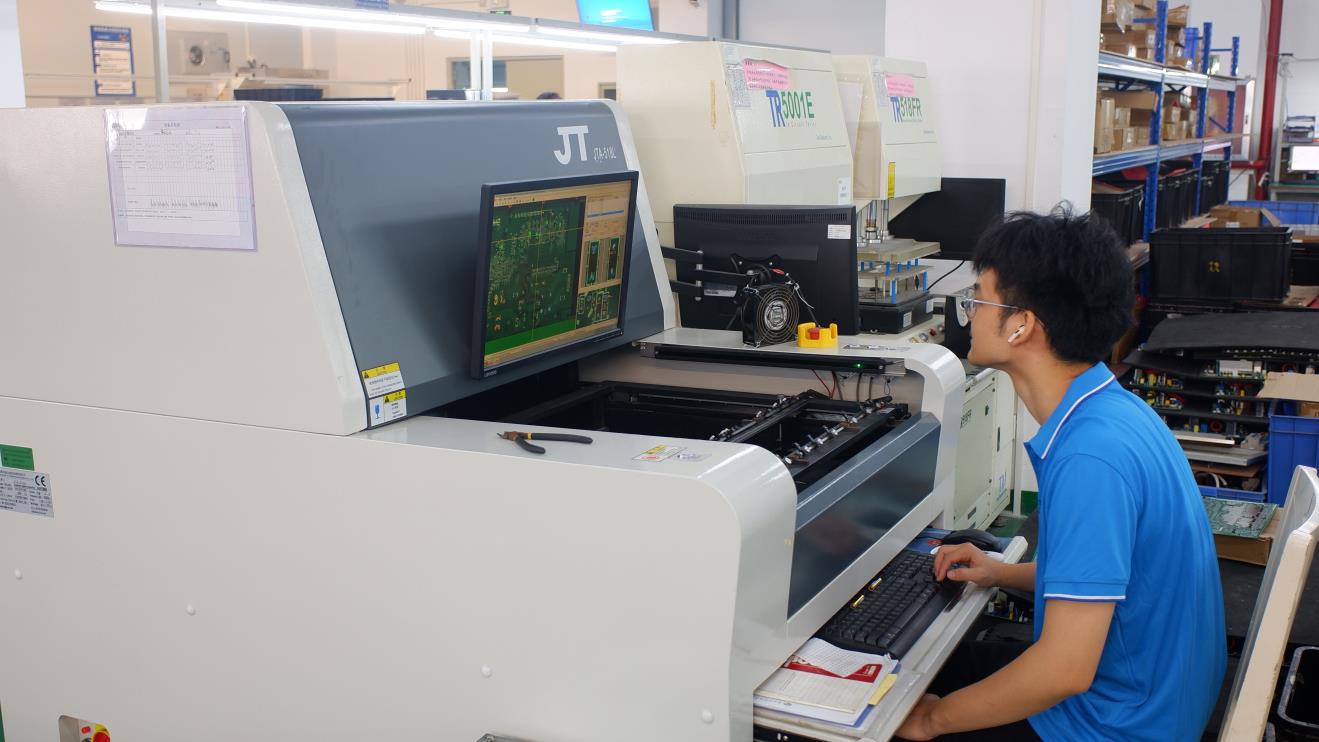
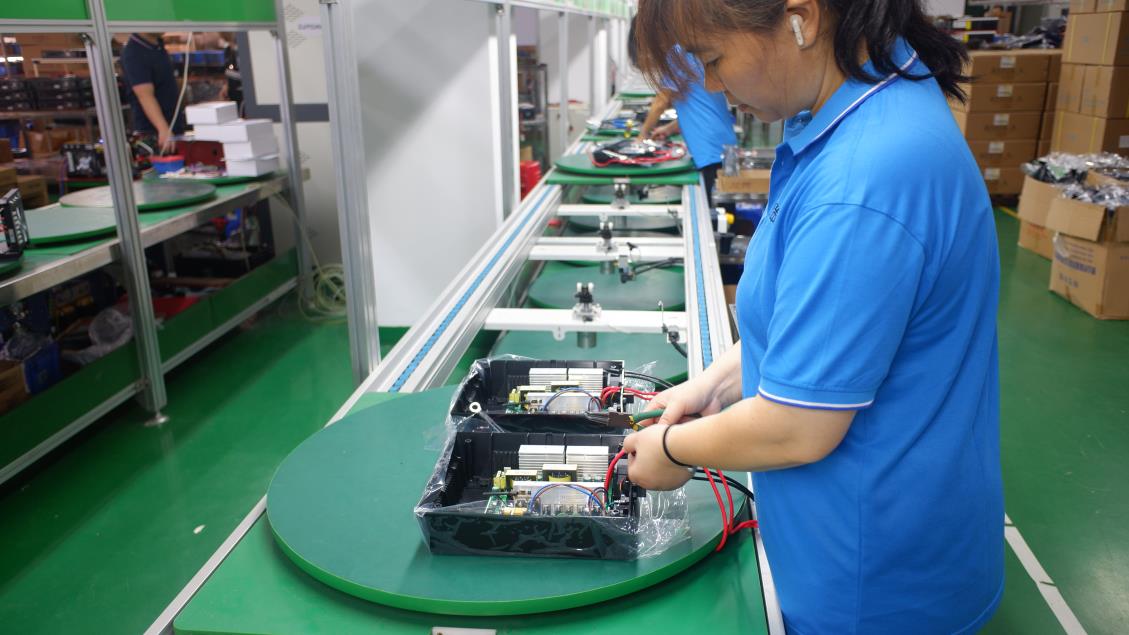
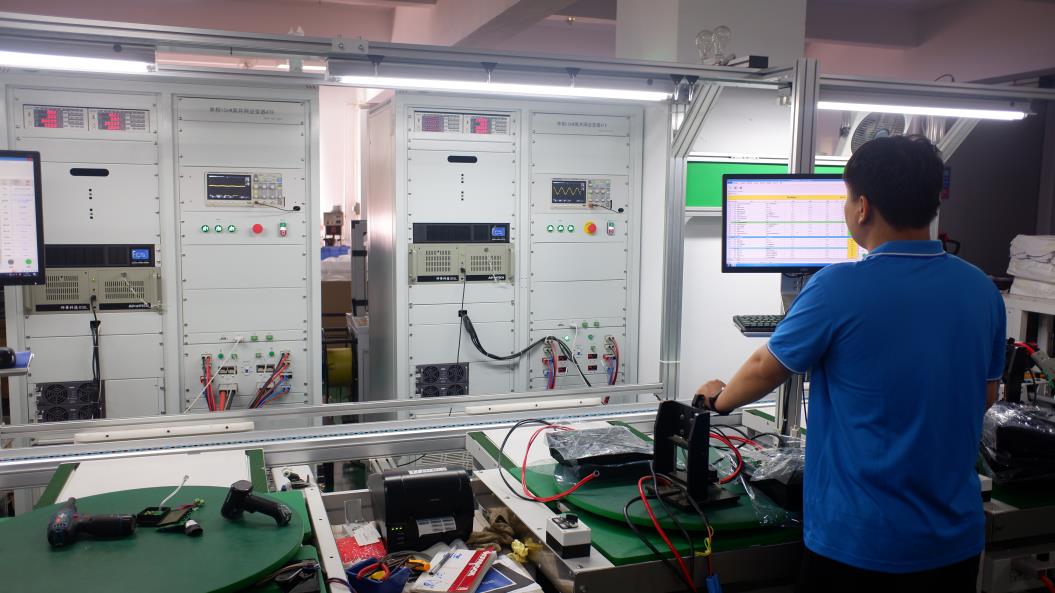
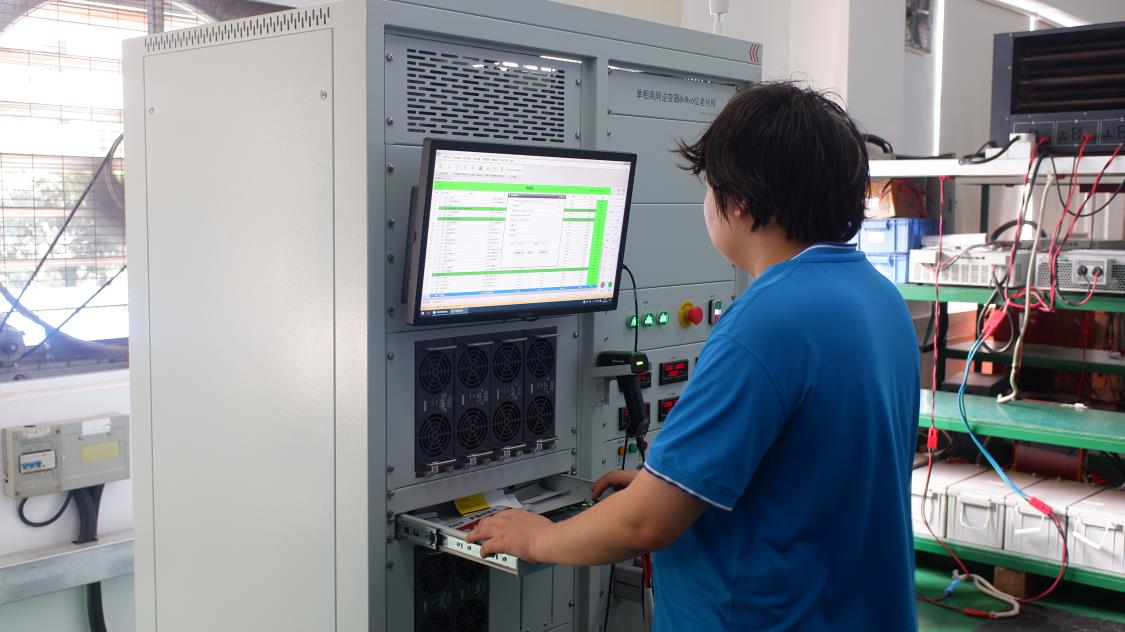
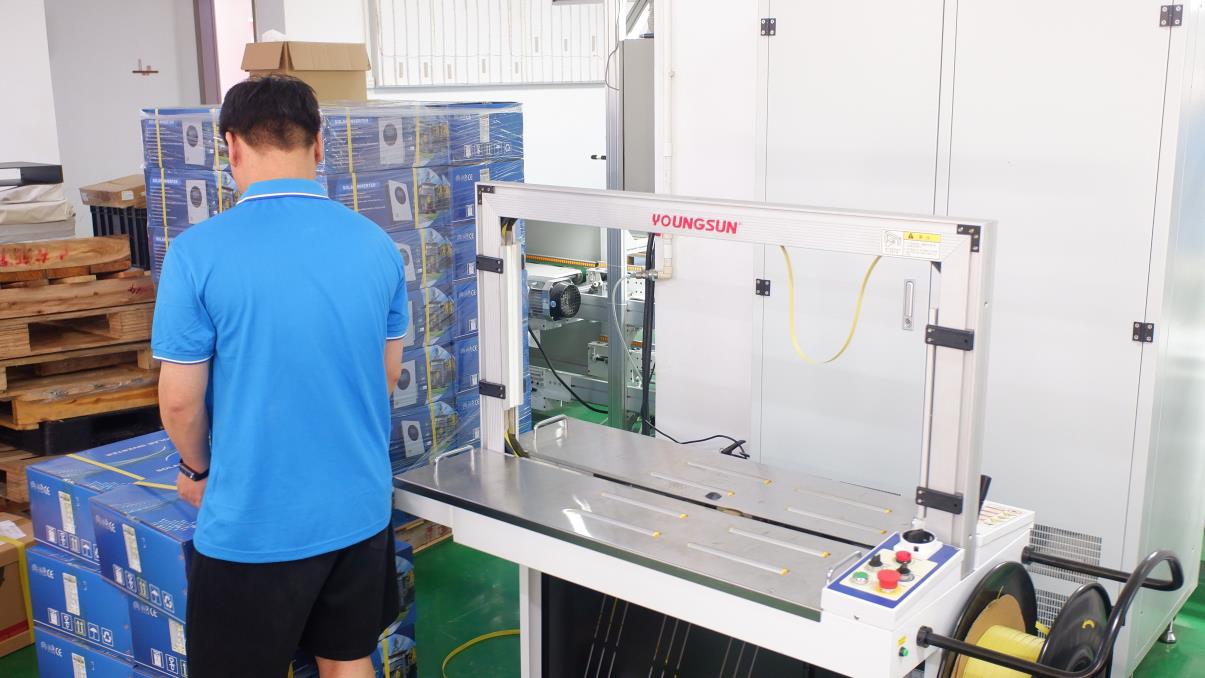
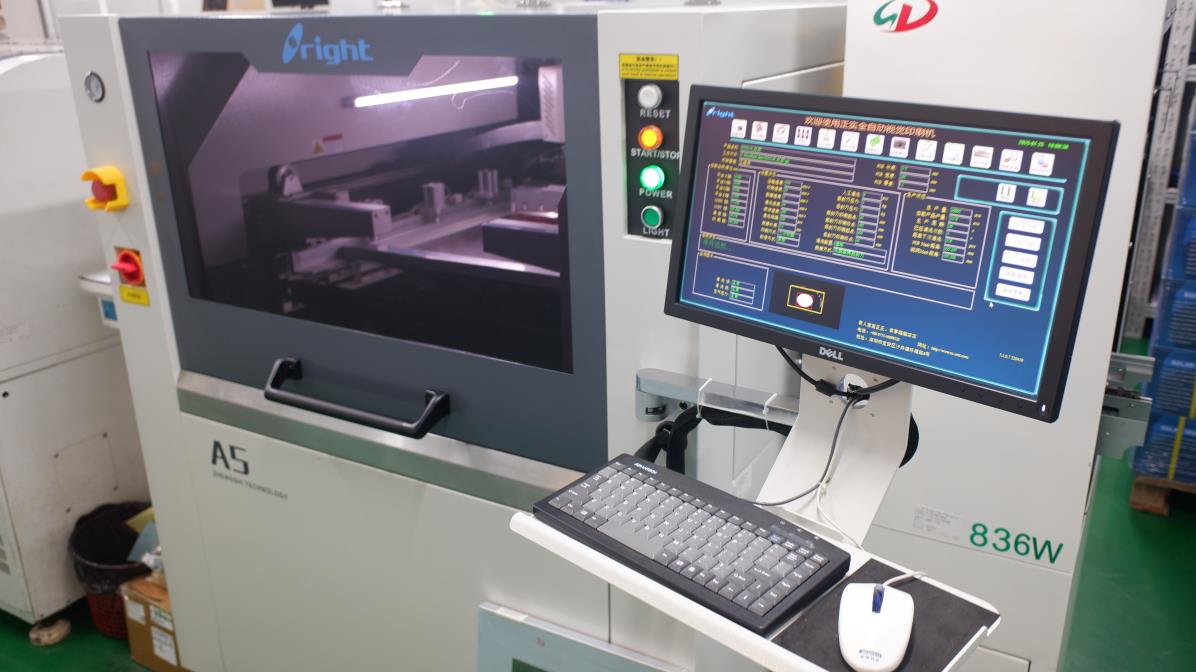
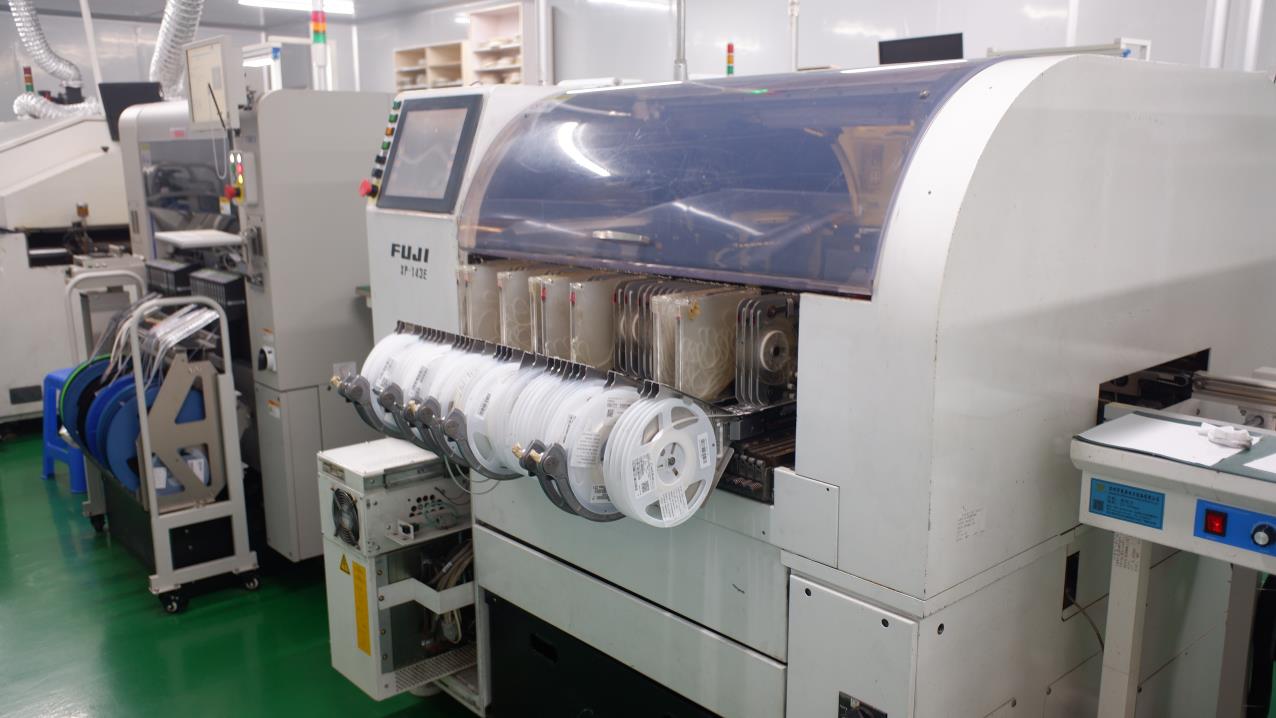
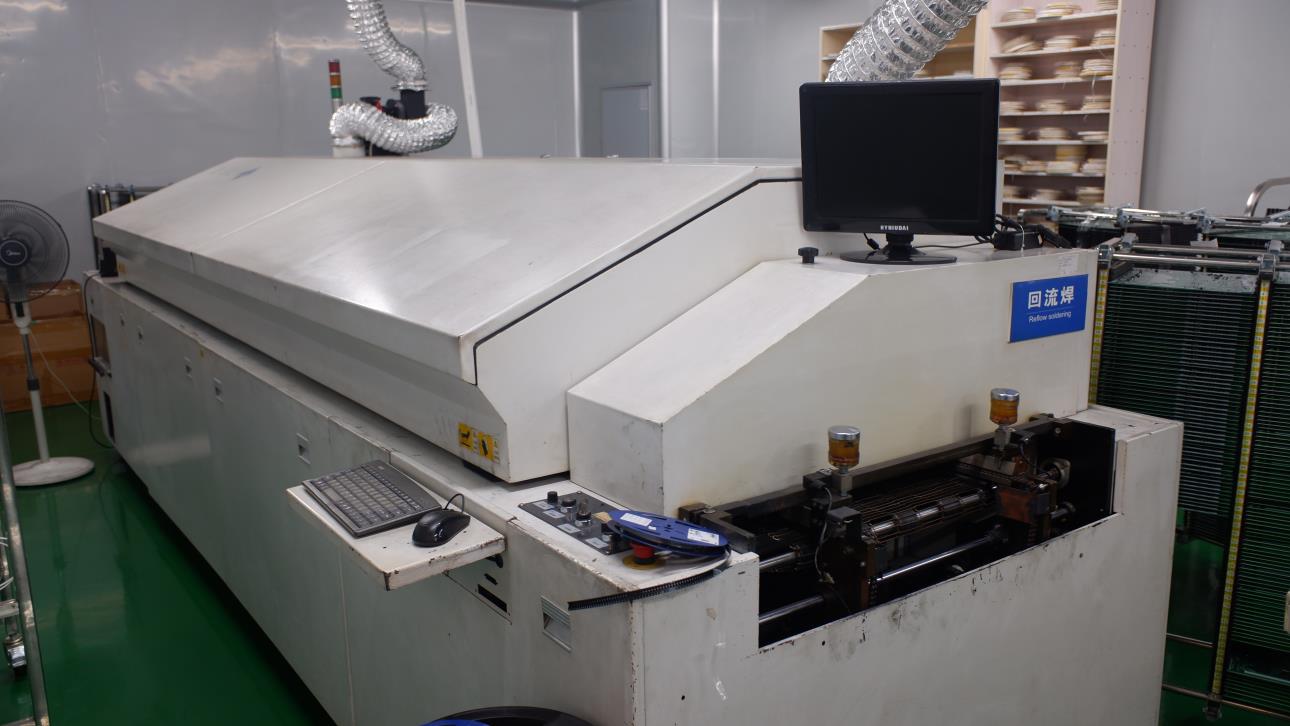
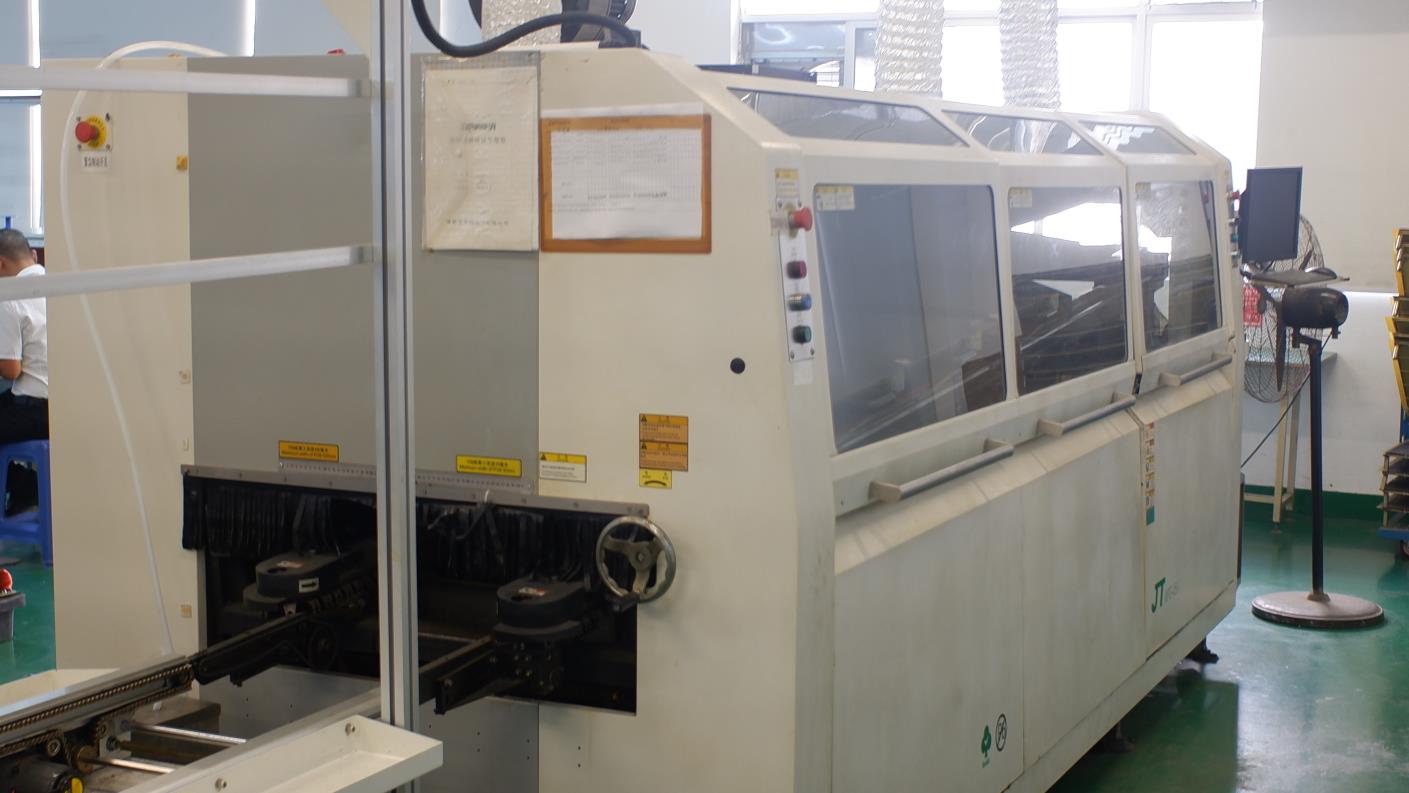
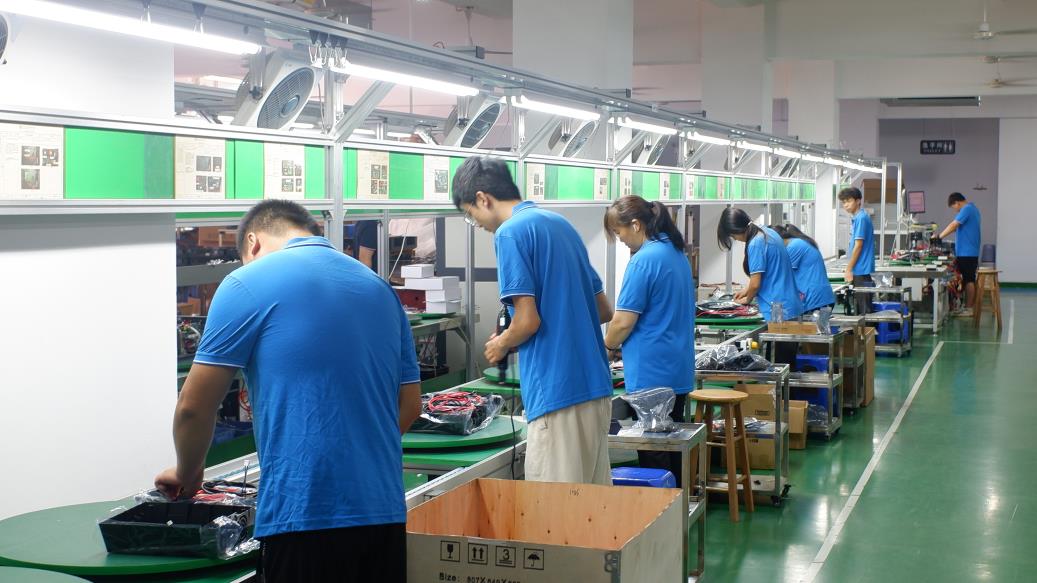
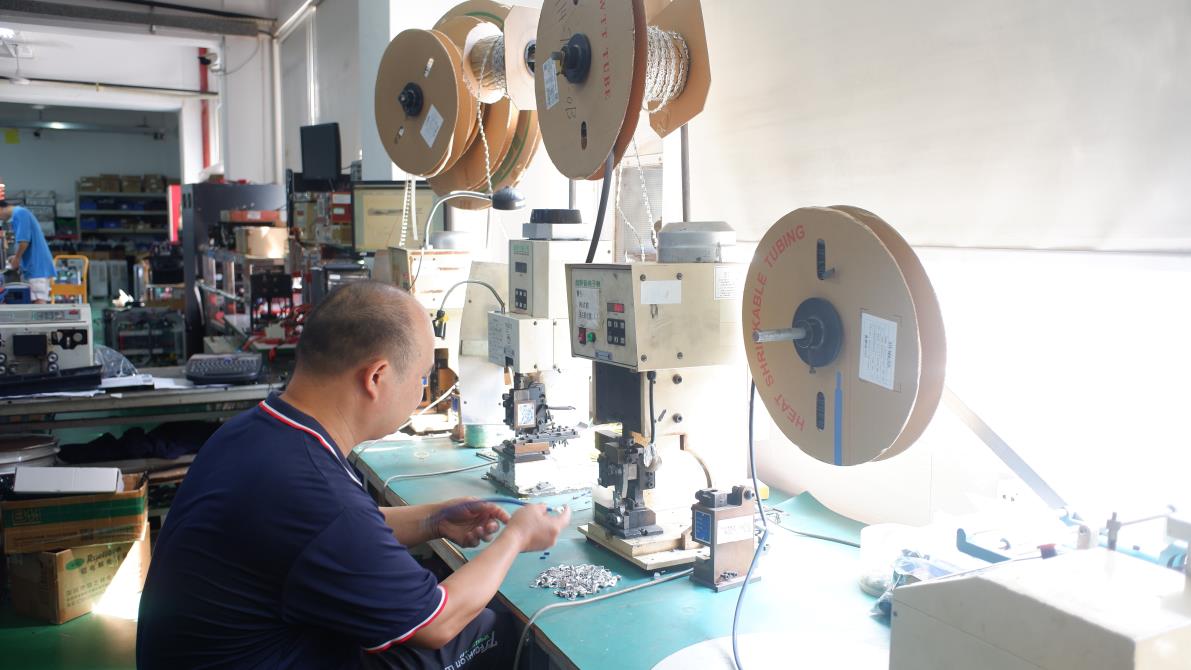
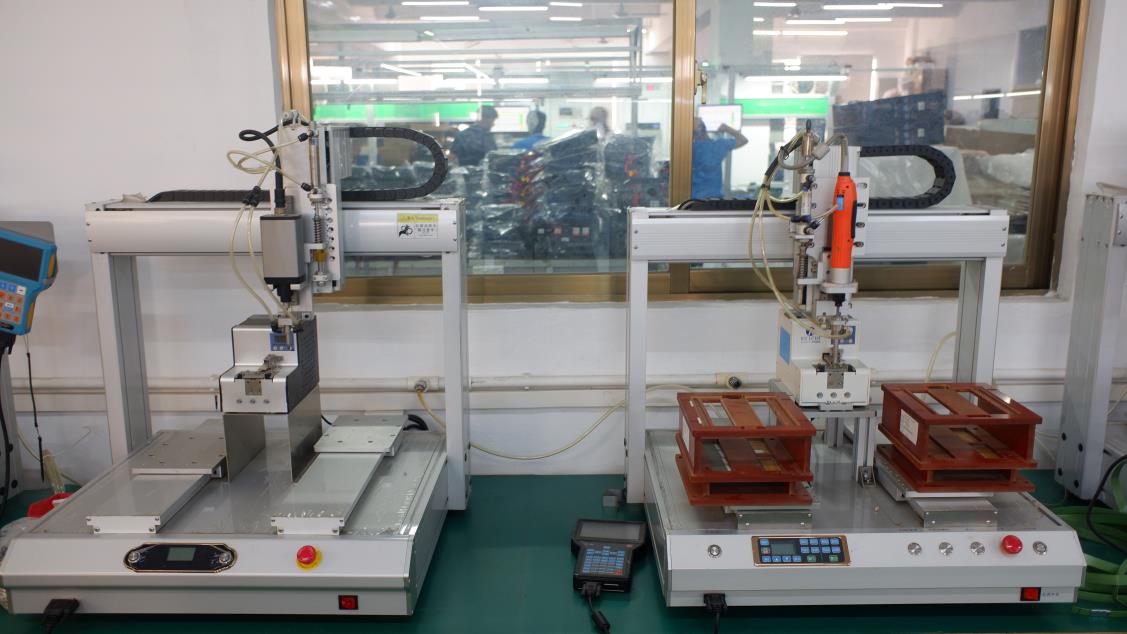
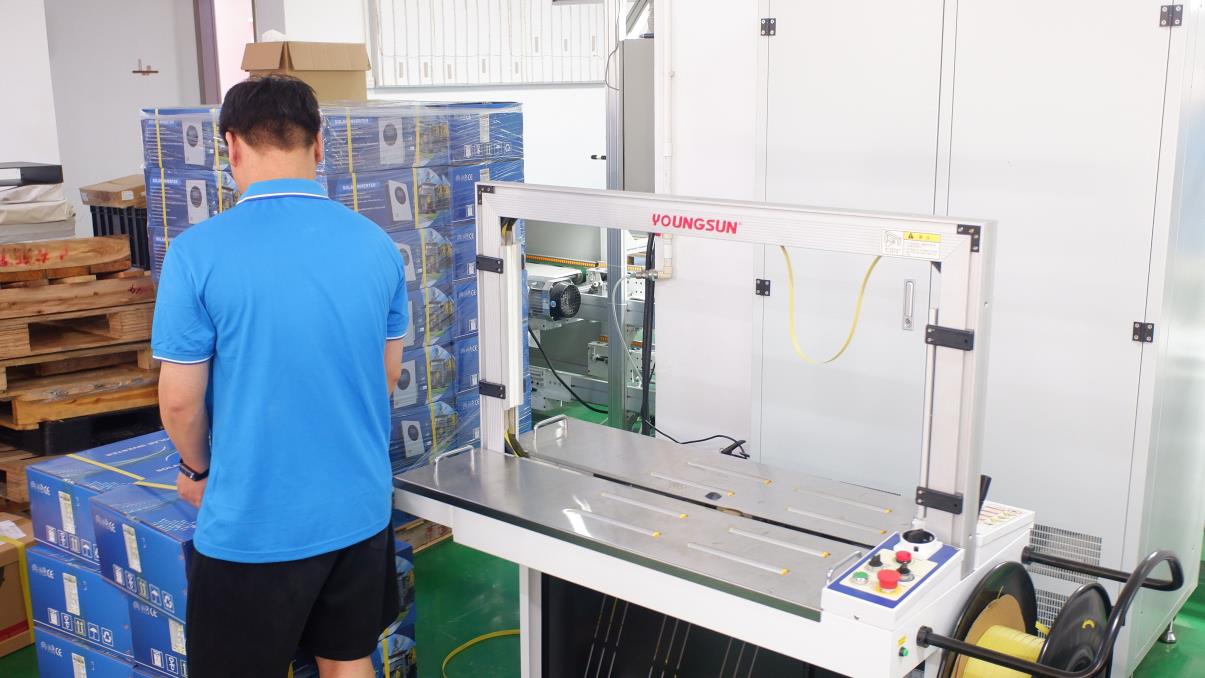
In addition to its advanced engineering headquarters in Shenzhen, Yde Power operates a state-of-the-art, ISO9001-certified manufacturing mega-facility in Jiangxi Province. This facility is equipped with advanced automated production lines, multi-axis surface mount technology (SMT) suites, and stringent multi-stage quality control validation infrastructure. The company also maintains a dedicated, high-budget R&D center in Shenzhen, focusing exclusively on continuous hardware and software innovation in battery management systems (BMS), high-frequency inverter system integration, advanced safety algorithms, and intelligent cloud-based energy optimization technologies.
Shenzhen Yde Power Co., Ltd. is committed to the continuous development of exceptionally efficient, intrinsically safe, and environmentally sustainable energy storage solutions. Its vast product portfolio spans residential stackable battery storage systems, high-voltage commercial and industrial energy storage cabinets, and scalable utility-grade ESS solutions designed specifically to support regional grid stability, high-penetration renewable energy integration, and programmatic peak shaving applications.
With the strategic expansion of its Jiangxi automated manufacturing base, the company has significantly enhanced its baseline production capacity, global supply chain efficiency, and cross-platform product diversity. This enables Yde Power to respond rapidly to global engineering and procurement demands while ensuring unyielding compliance with demanding international performance, safety, and reliability standards.
Driven by a corporate ethos of continuous innovation and long-term sustainability, Shenzhen Yde Power Co., Ltd. continuously invests in next-generation solid-state chemistry research, intelligent automated manufacturing execution systems (MES), and premier international quality certifications (including CE, UL, and UN38.3 validation matrixes). The company aims to remain a deeply trusted global partner in the energy storage sector, providing bankable solutions for a cleaner, more resilient energy landscape.
Step-by-step technical visualization of the advanced manufacturing workflow deployed inside our ISO9001 factory complexes.
Navigating Tariffs, Regulatory Clearances, and Hardware Interoperability Protocols for US Inbound Engineering Projects.
For engineering, procurement, and construction (EPC) firms operating within New England, importing high-capacity power electronics requires absolute structural bankability and clear safety certification chains. Stands-alone conversion units do not suffice; all sub-components must be deeply tested as a unified ecosystem under UL 9540 (Standard for Energy Storage Systems and Equipment) and UL 1741 SB parameters to meet Interconnection Tariff rules.
As a vertically integrated Chinese exporter, our factory lines implement specialized manufacturing protocols that isolate the high-voltage inverter bus from DC terminal blocks via physical galvanic isolation barriers. This design minimizes harmonic distortion to baseline levels, satisfying local utility requirements (IEEE 1547 parameters) across various grid profiles.
Our tailored procurement pathways offer localized customization including custom NEMA 3R or NEMA 4X exterior powder coatings to protect outdoor commercial equipment against salt-fog damage typical of New England coastal areas. Furthermore, our systems feature native integration for OpenADR 2.0b and Modbus TCP communication protocols. This allows municipal aggregators in Boston to easily network our All-in-One hardware fleet for Virtual Power Plant (VPP) localized grid balancing initiatives.
Explore our complete manufacturing catalog of hybrid platforms, modular racking setups, and ultra-high-cycle wall mount assemblies.
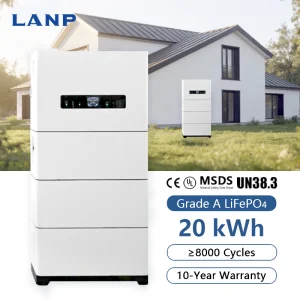
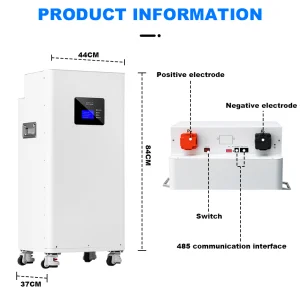
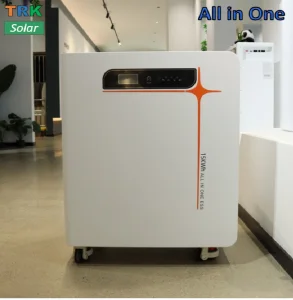
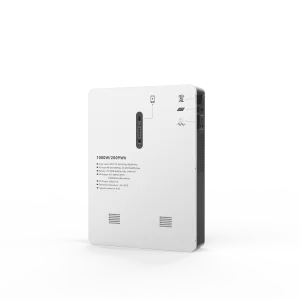
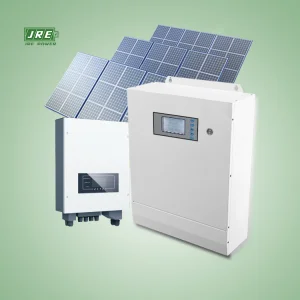
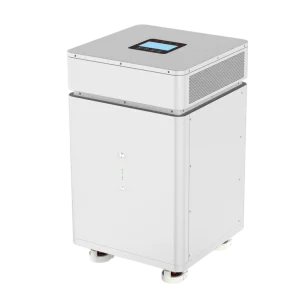
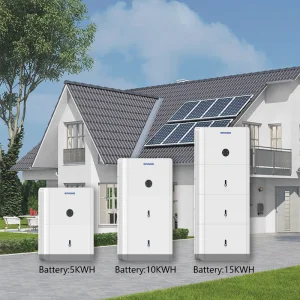
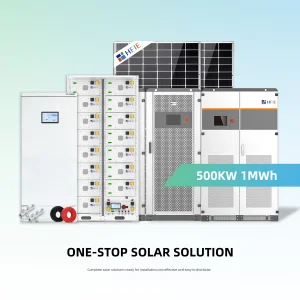
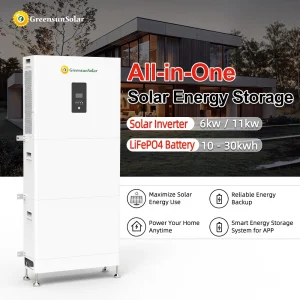
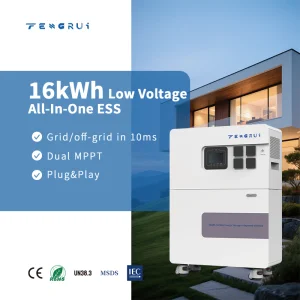
Crucial engineering and regulatory benchmarks parsed for commercial developers and power systems integrators.
 Yde Power