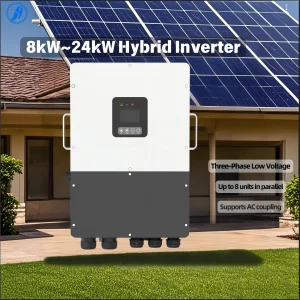
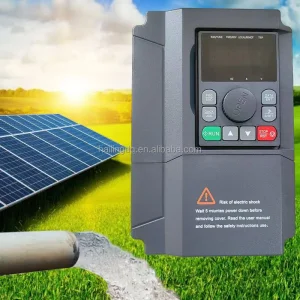
Explore our premium selection of low-voltage hybrid inverters designed specifically for residential resilience and agricultural off-grid optimization across Kabul, Herat, Kandahar, and regional provinces.
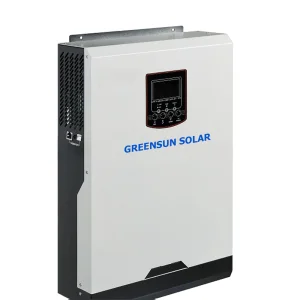
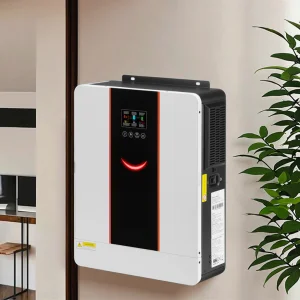
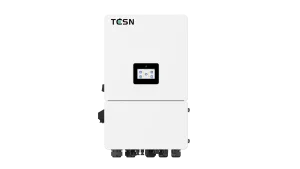
Building functional and long-lasting solar infrastructure in landlocked, mountainous regions like Afghanistan presents distinct challenges. Severe grid instability, coupled with reliance on high-cost imported diesel, makes localized microgrid technology essential. Low-voltage (LV) hybrid inverters, specifically 48V topology systems ranging from 3kW to 24kW, are establishing themselves as a standard for commercial, residential, and agricultural projects.
Afghanistan's national grid, managed by Da Afghanistan Breshna Sherkat (DABS), relies heavily on electricity imports from neighboring Uzbekistan, Tajikistan, Turkmenistan, and Iran. This imported transmission line structure is subject to frequent power outages, technical faults, and geopolitical disruptions. Urban centers like Kabul and Kandahar experience systematic load shedding, often receiving only 8 to 12 hours of grid power daily. Rural provinces frequently operate entirely off-grid, depending on costly and carbon-heavy diesel generators.
This environment demands hybrid solar systems capable of handling rapid grid voltage swings, coordinating with diesel generators, and managing battery storage. While utility-scale projects exist, decentralized solar generation utilizing low-voltage (LV) systems has proven more adaptable. Operating at a nominal 48VDC battery voltage, these systems lower dangerous high-voltage DC risks during installation and maintenance in remote regions where technical resources are limited. Safe touch voltages allow local engineering teams to deploy, expand, and service battery banks without needing complex high-voltage certifications.
"A robust low-voltage hybrid inverter acts as the central command unit for regional microgrids in Afghanistan, coordinating solar generation, local energy storage, grid power, and auxiliary diesel backup."
| Technical Characteristic | Required Specification for Afghanistan | Operational Value |
|---|---|---|
| Nominal DC Battery Input | 48V (Safe Low Voltage range 40V - 60V) | Simplified balancing, scalable storage, safe maintenance |
| MPPT Voltage Range | 90V - 450V or 150V - 850V (Wide Input) | Maximizes solar generation in low-light and dusty conditions |
| Generator Integration | Dry Contact Signal Command for Auto-Start | Reduces diesel consumption, automated system control |
| Ambient Temperature Range | -25°C to 60°C (Derating above 45°C) | Ensures system performance in extreme regional climates |
| IP Grade | IP65 minimum, IP66 preferred | Protects internal PCBA from sand and dust intrusion |
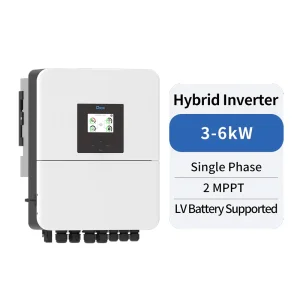
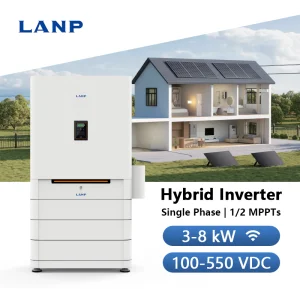
For homes and home offices in major cities, a single-phase hybrid inverter (e.g., 3kW to 8kW) paired with a 48V battery bank provides continuous backup power. When the grid fails, the inverter transfers to battery power in under 10 milliseconds, keeping computers, communications, lighting, and refrigeration online without interruption.
Agricultural water pumps represent a major operational expense for Afghan farms. Utilizing three-phase variable-frequency low-voltage inverters allows direct solar pump operation during the day. Integrated hybrid configurations route surplus power to charge storage batteries or drive localized irrigation valves, reducing dependencies on diesel pumps.
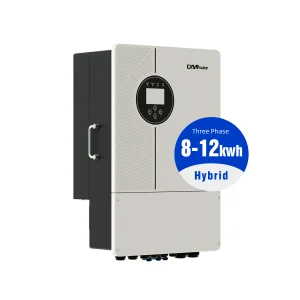
Reliable cold-chain storage for vaccines and medicines is critical in regional health clinics. Three-phase hybrid systems (e.g., 12kW to 20kW) support medical refrigeration, basic lighting, and diagnostic equipment. Integrating solar panels with battery storage and a small diesel backup guarantees round-the-clock power, independent of external logistics chains.
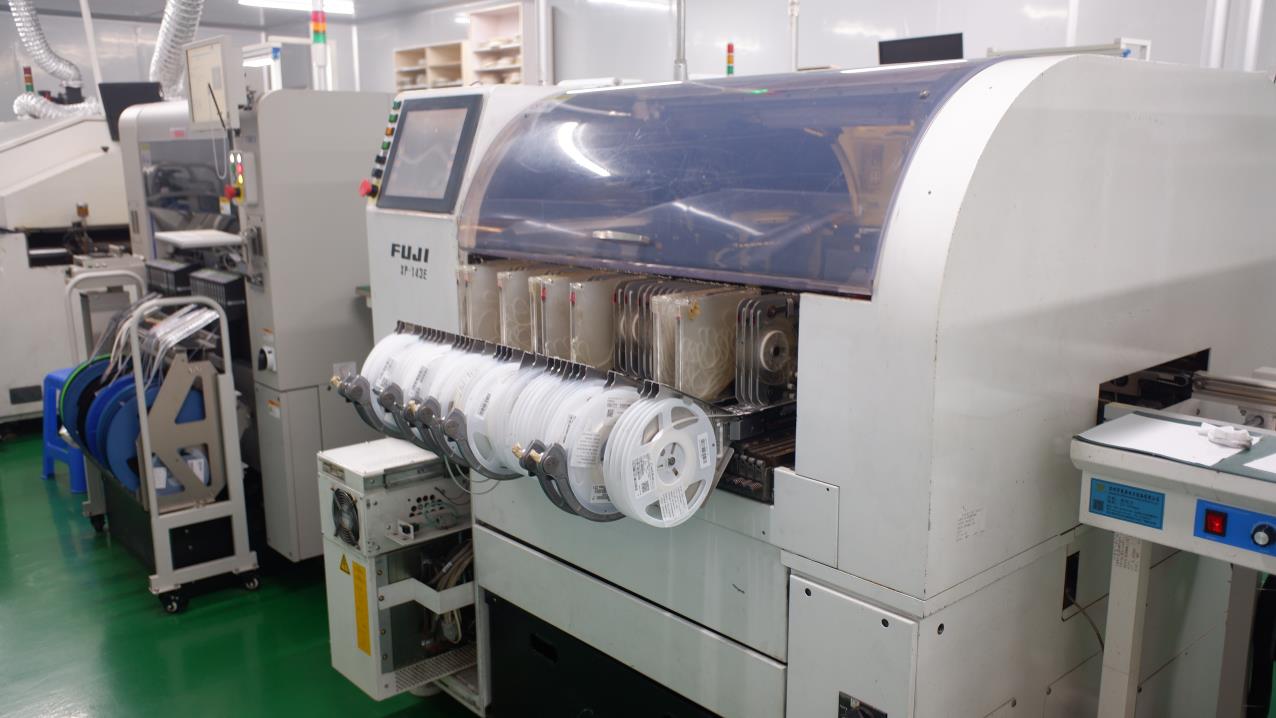
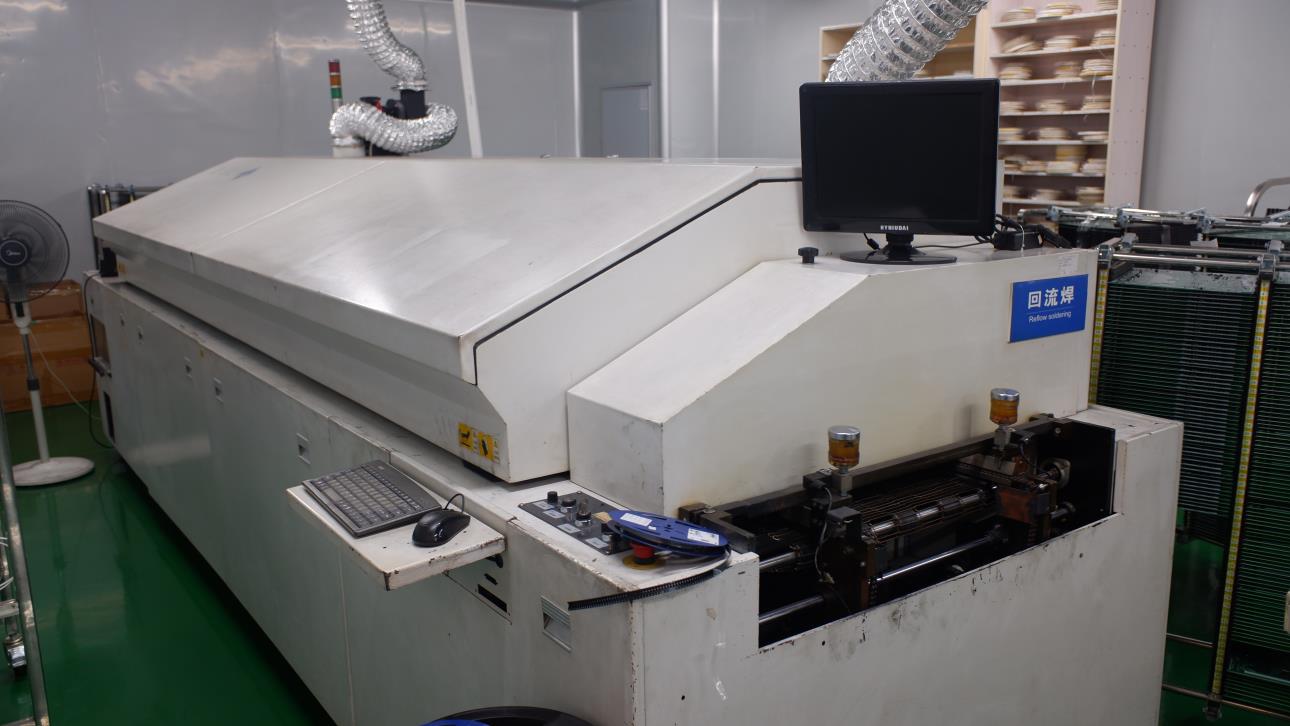
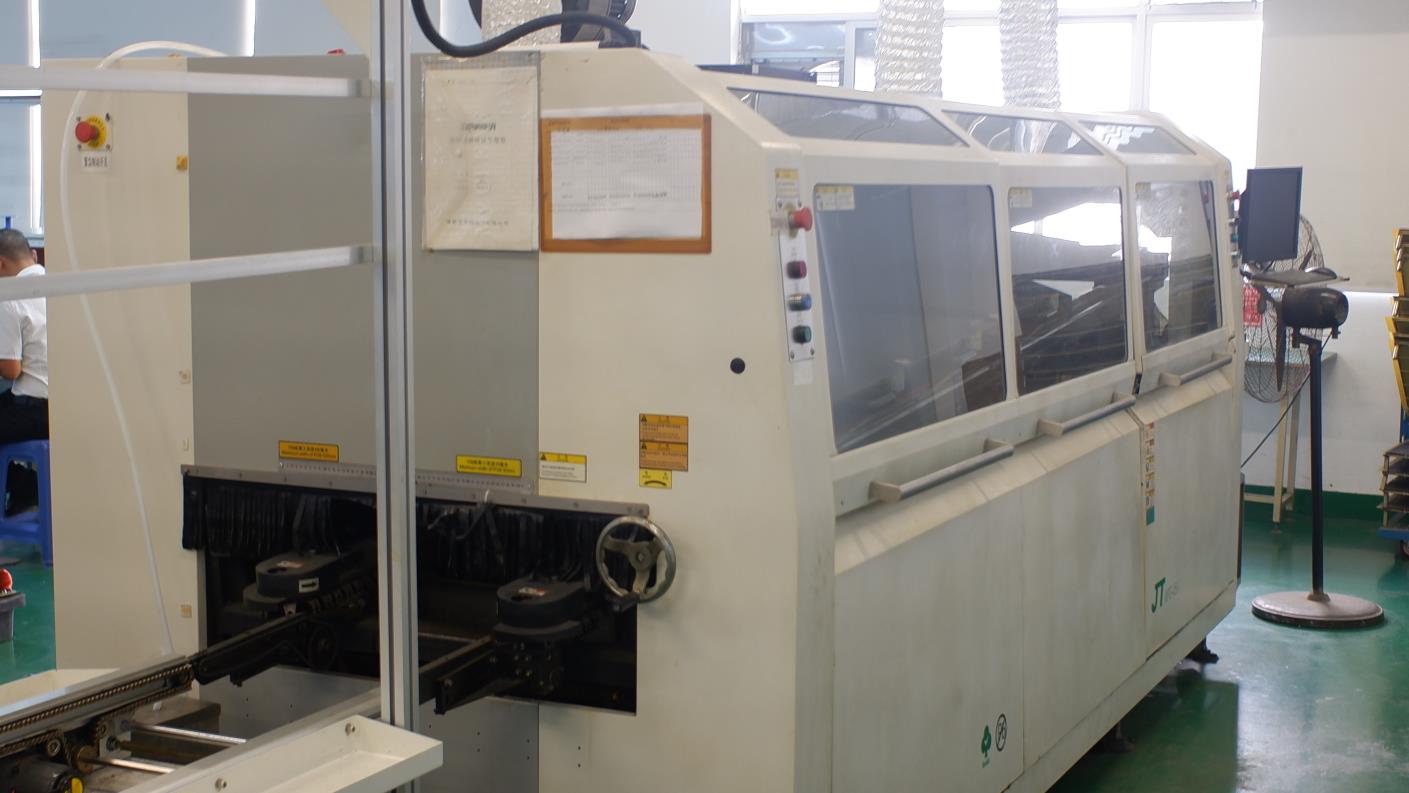
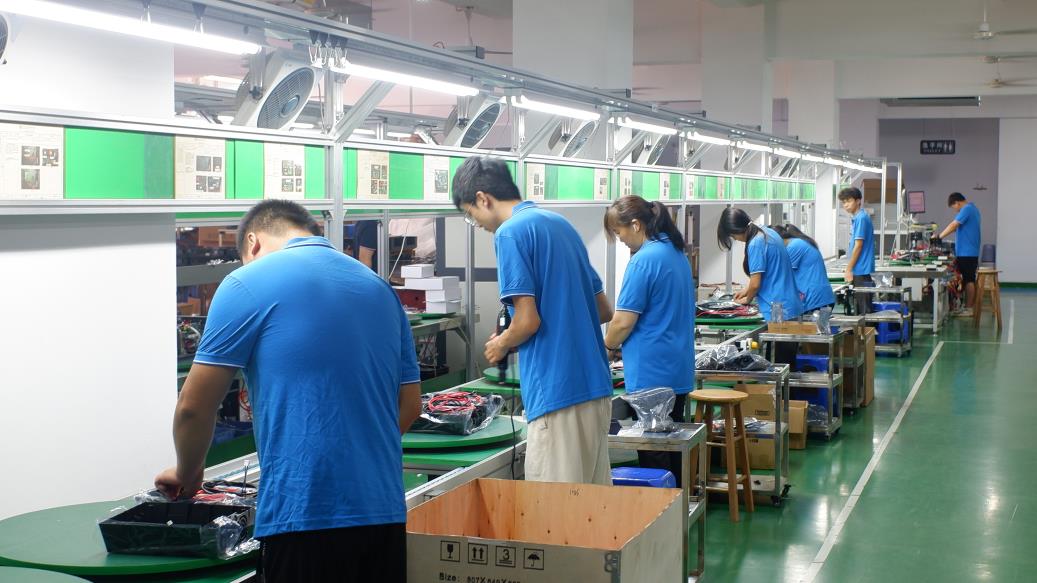
Shenzhen Yde Power Co., Ltd. is a manufacturer specializing in residential, commercial, and industrial energy storage systems (ESS). Headquartered in Shenzhen, China, the company integrates research and development, production, sales, and service to deliver clean energy solutions to global markets.
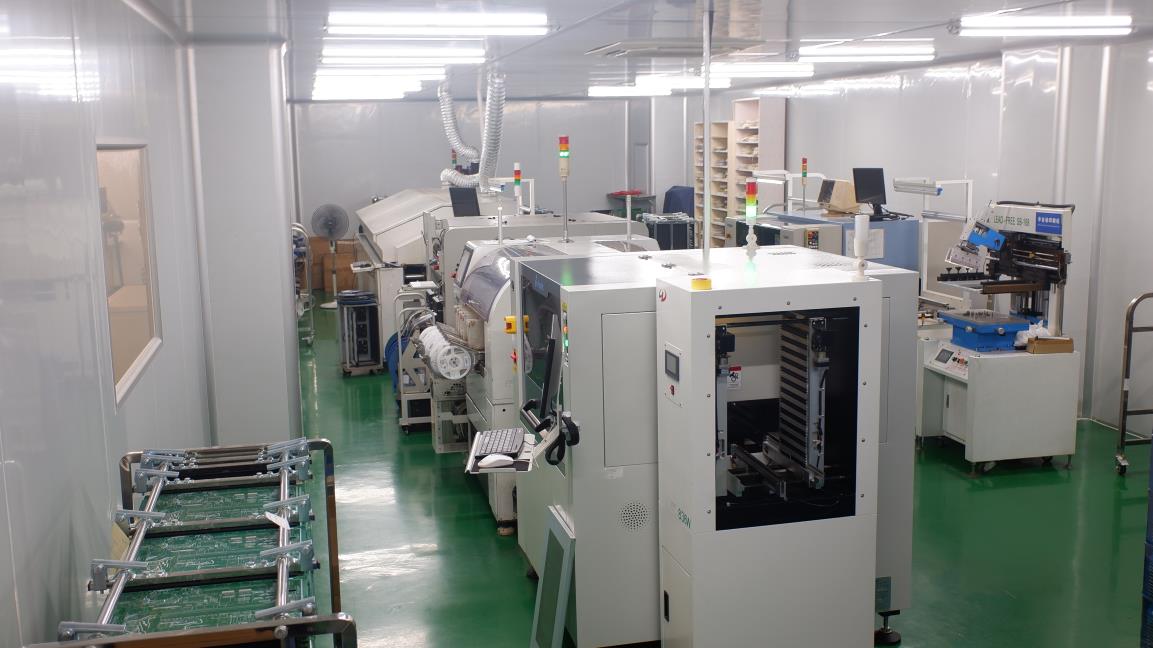
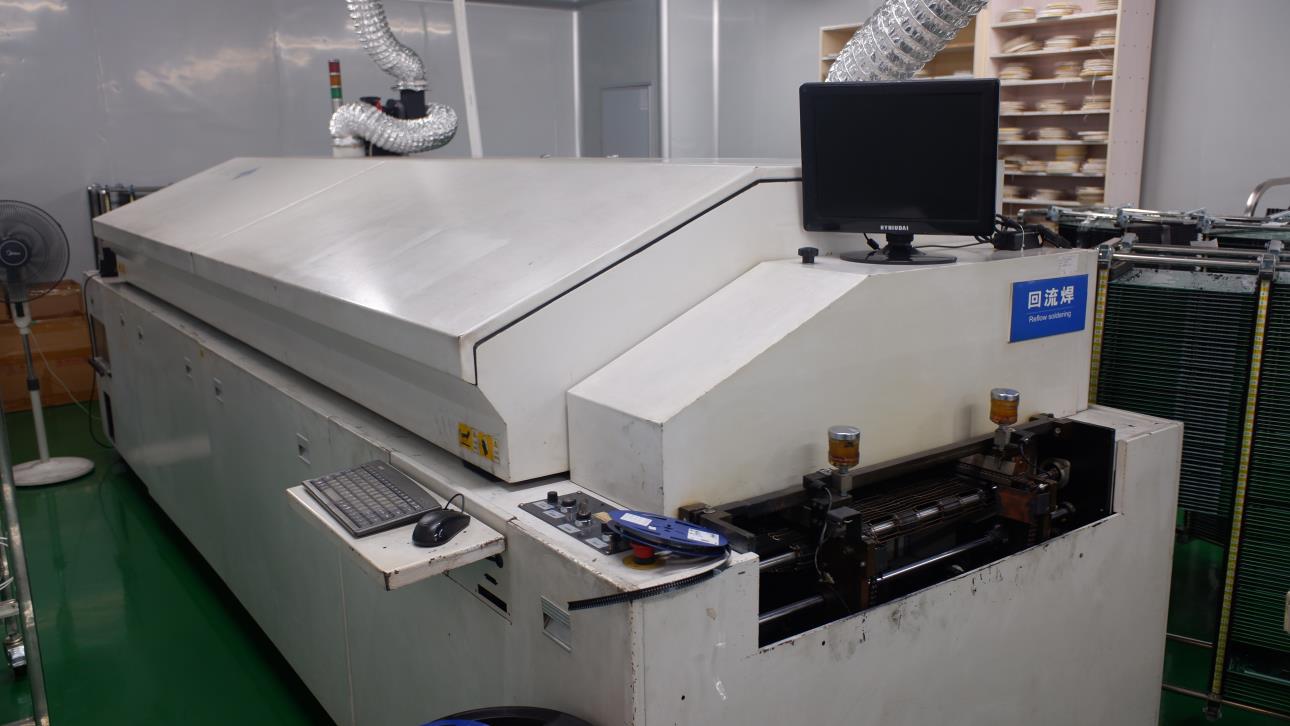
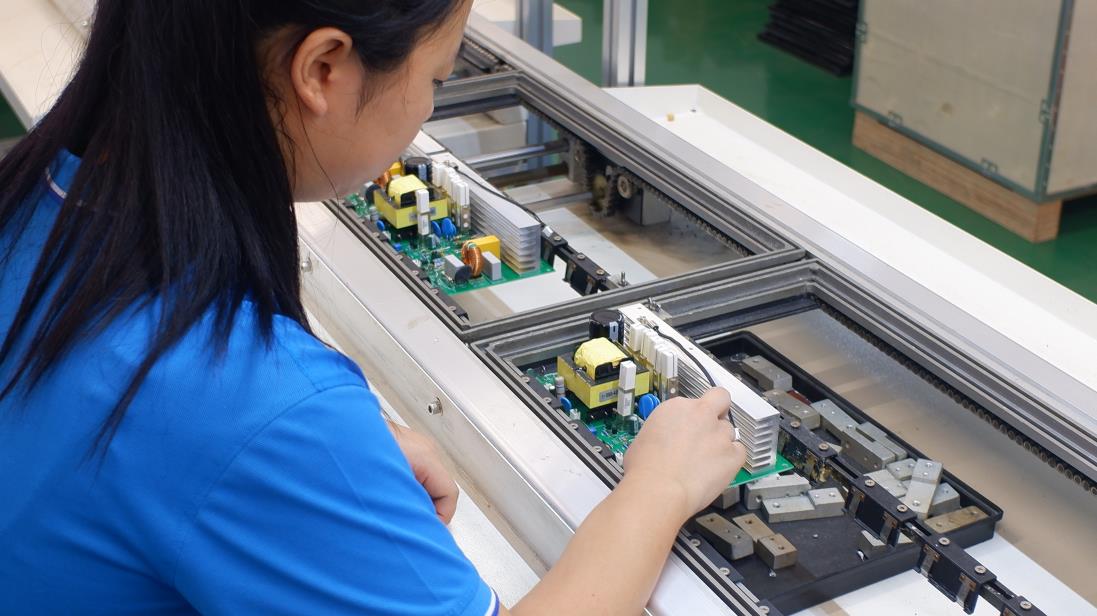
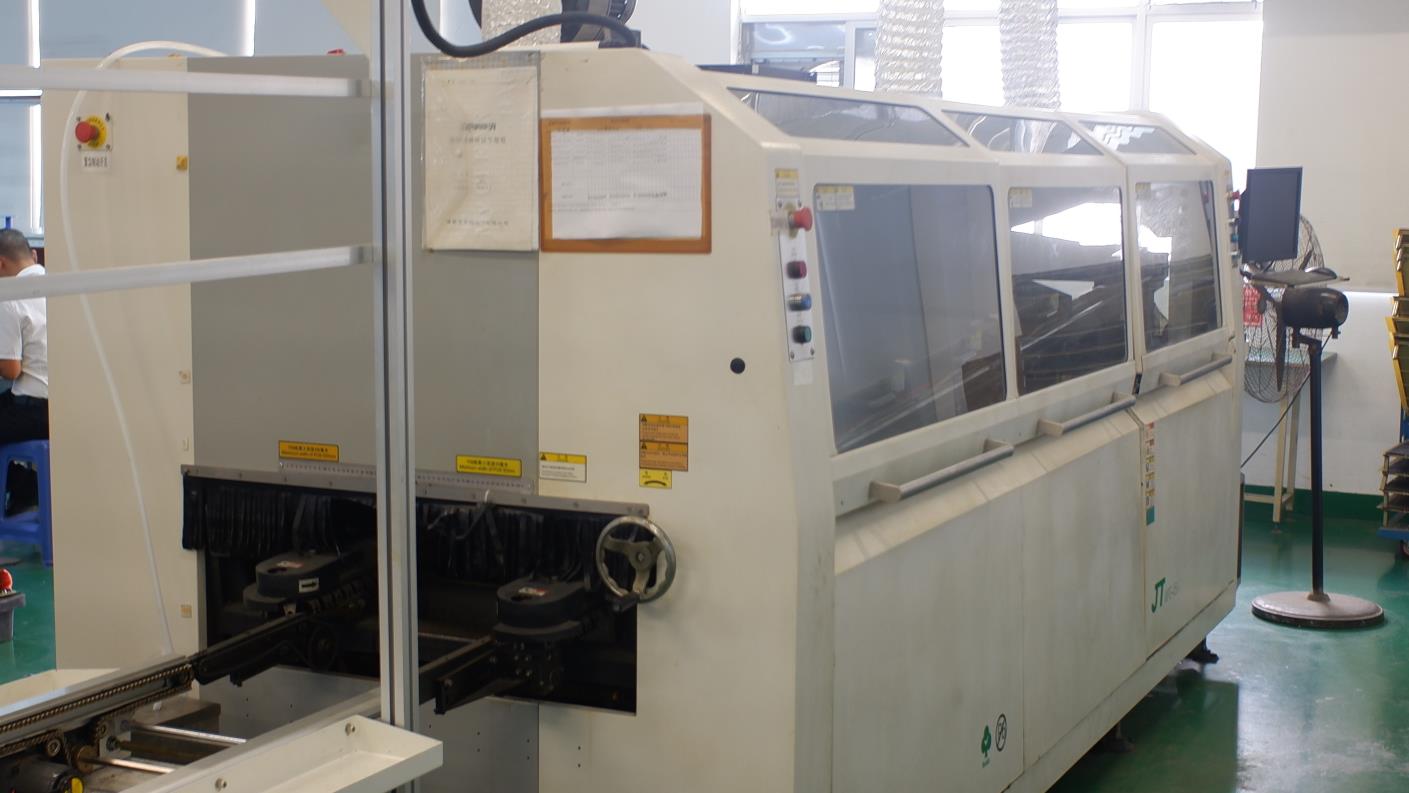
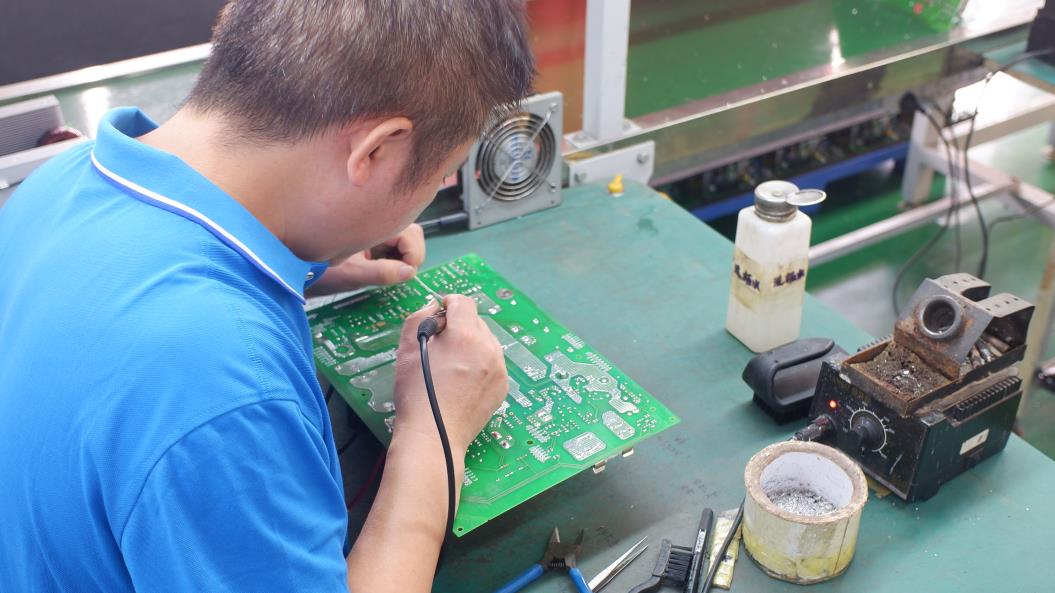
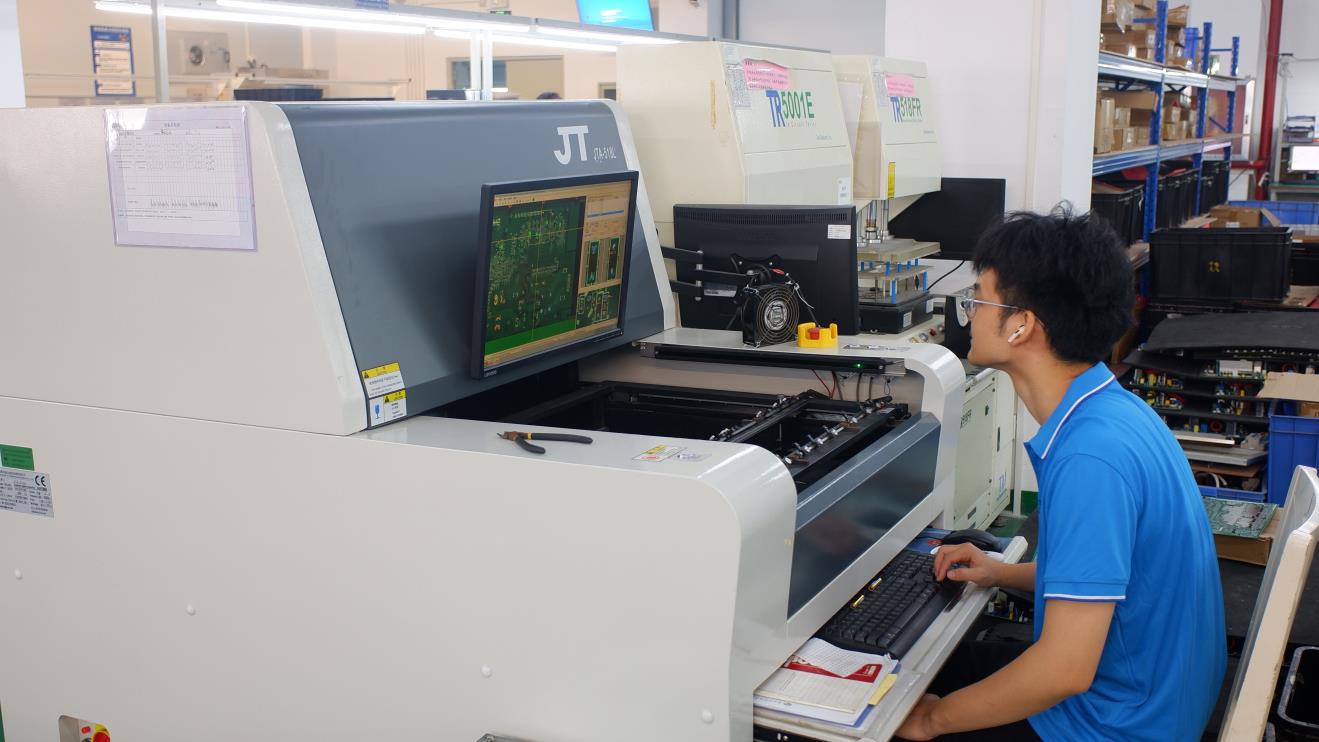
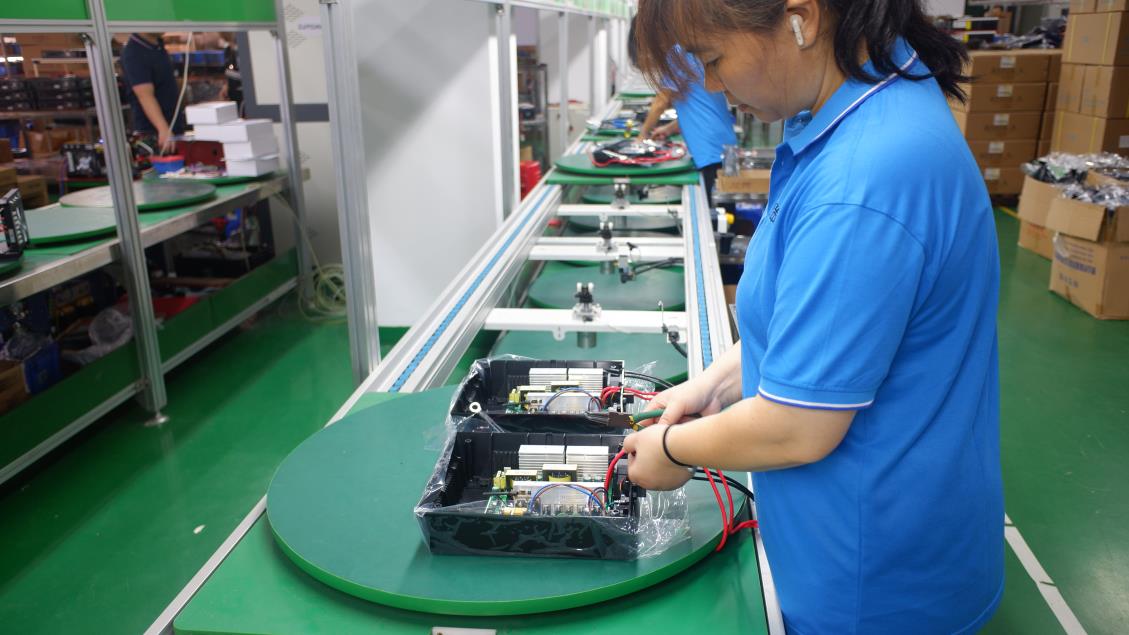
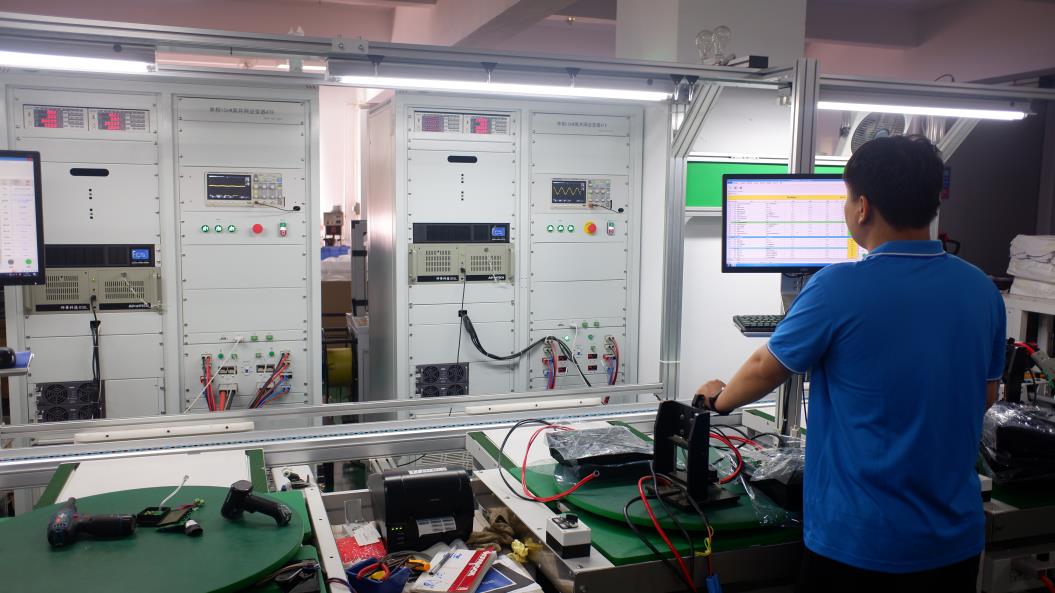
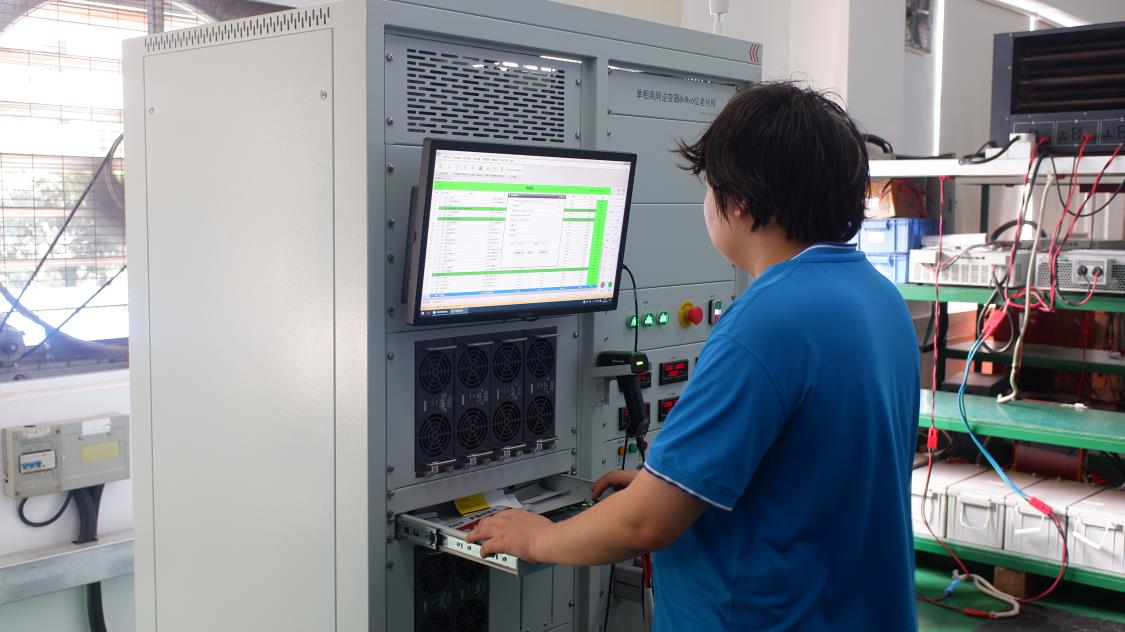
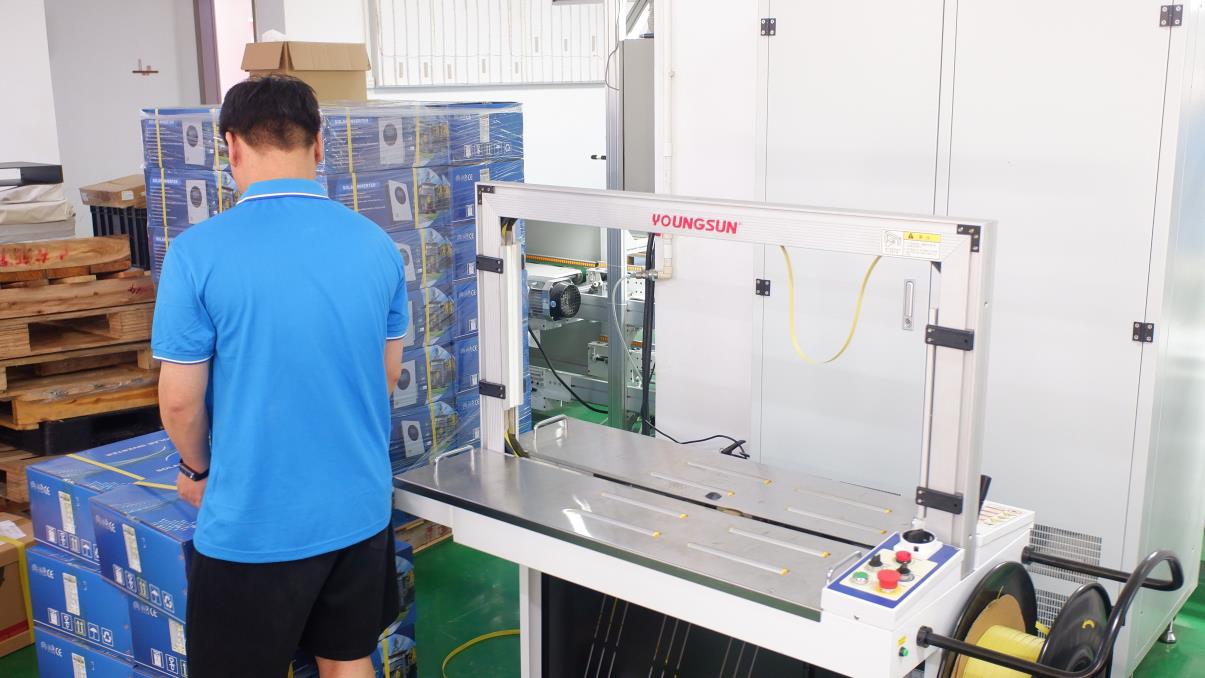
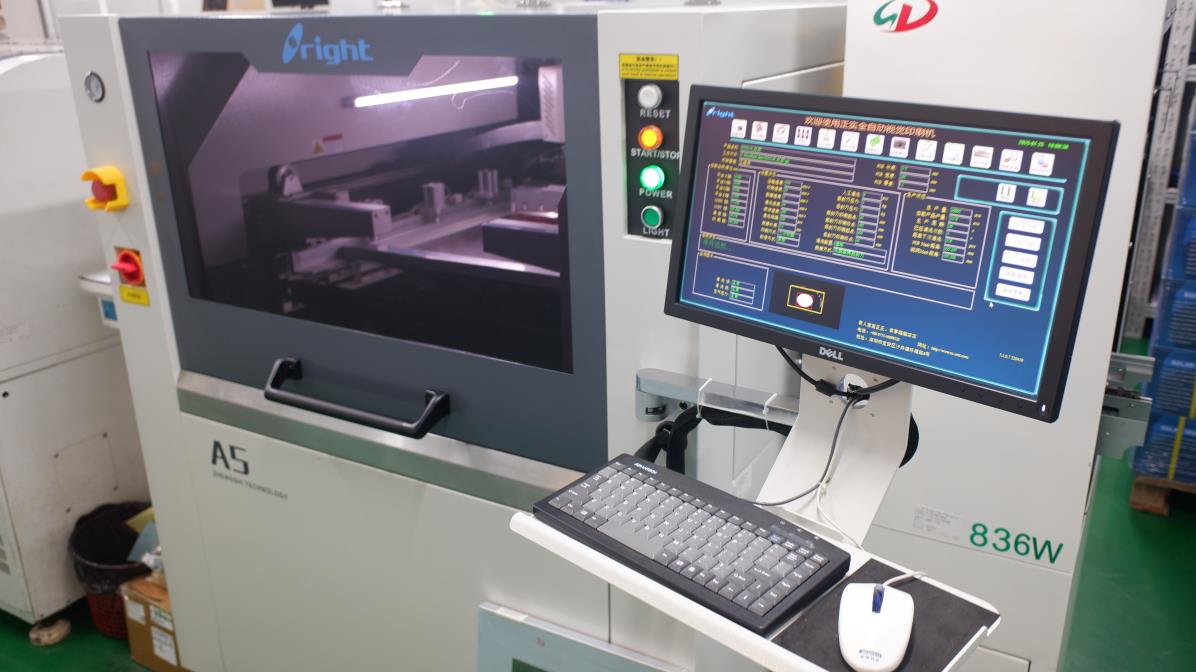
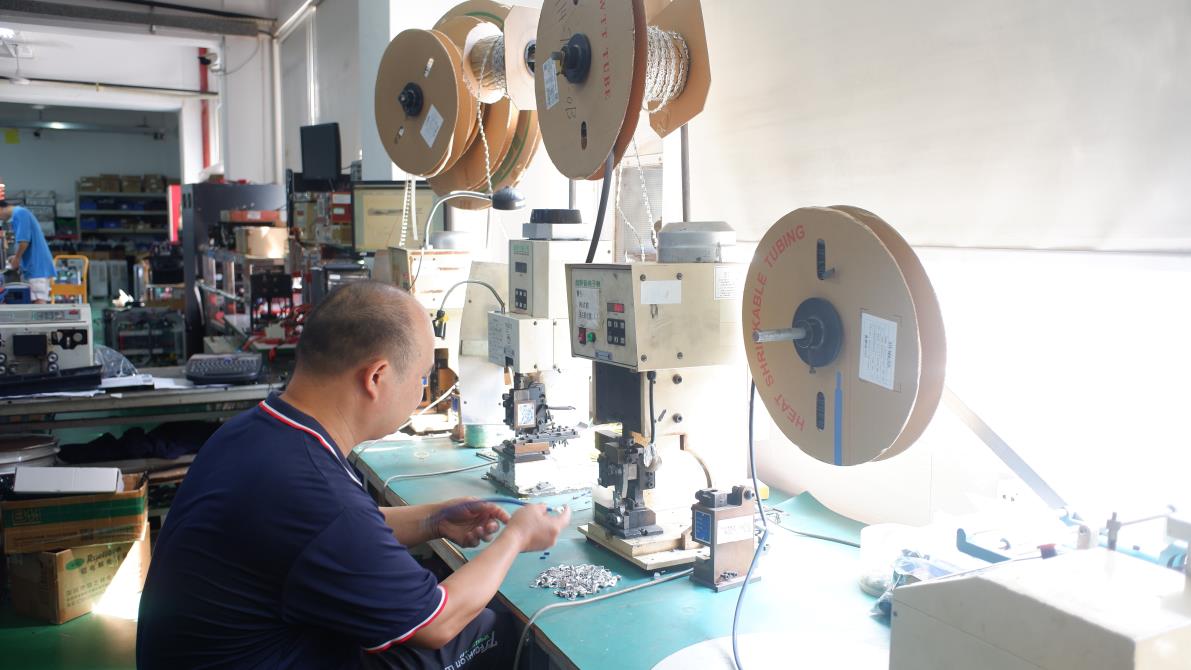
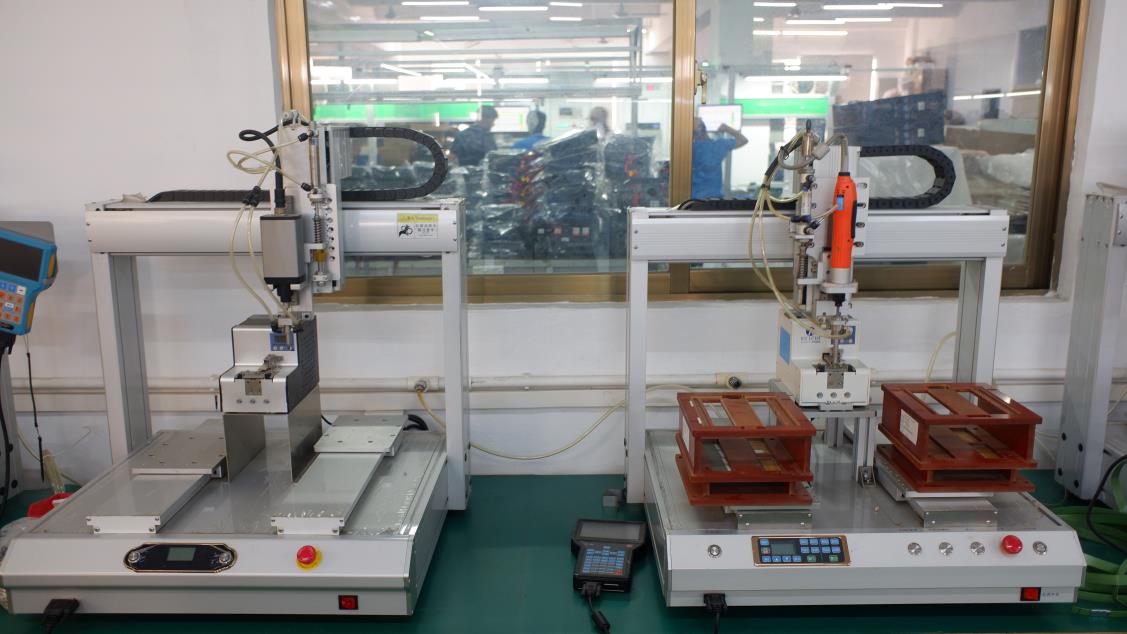
In addition to its headquarters in Shenzhen, Yde Power operates an ISO9001-certified manufacturing facility in Jiangxi Province, equipped with automated production lines and quality control systems. Our R&D center in Shenzhen focuses on battery management systems (BMS), inverter system integration, and energy optimization technologies.
Our product portfolio includes residential battery storage systems, commercial and industrial energy storage cabinets, and scalable utility-grade ESS solutions designed to support grid stability and renewable energy integration. With the expansion of our Jiangxi manufacturing base, we have expanded our production capacity and supply chain efficiency, enabling us to respond quickly to global customer demands.
As the regional market matures, technical trends point toward upgrading energy storage chemistry and monitoring methods. While lead-acid batteries remain common in localized setups due to lower initial purchase costs, their short operational lifespan and limited depth of discharge (DoD) make them less efficient over time. Integrating Lithium Iron Phosphate (LiFePO4/LFP) battery chemistries with modern hybrid inverters is becoming the preferred strategy for professional projects in the region.
LFP systems offer over 6,000 charge cycles at 80% to 90% DoD, providing stable, long-term performance that lowers the total cost of ownership (TCO) compared to lead-acid alternatives. Modern low-voltage hybrid inverters use CAN/RS485 communication protocols to connect with smart Battery Management Systems (BMS). This allows real-time cell balancing, over-temperature protection, and state-of-charge calculation, protecting battery assets during high summer temperatures.
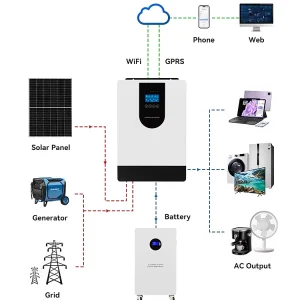
Additionally, given the limited wired internet infrastructure in remote Afghan valleys, the deployment of modular communication cards (GPRS/GSM and Wi-Fi) directly inside the inverters is crucial. System operators and engineering companies can monitor system performance and dispatch warnings via mobile networks, ensuring maintenance teams can react before service disruptions occur.
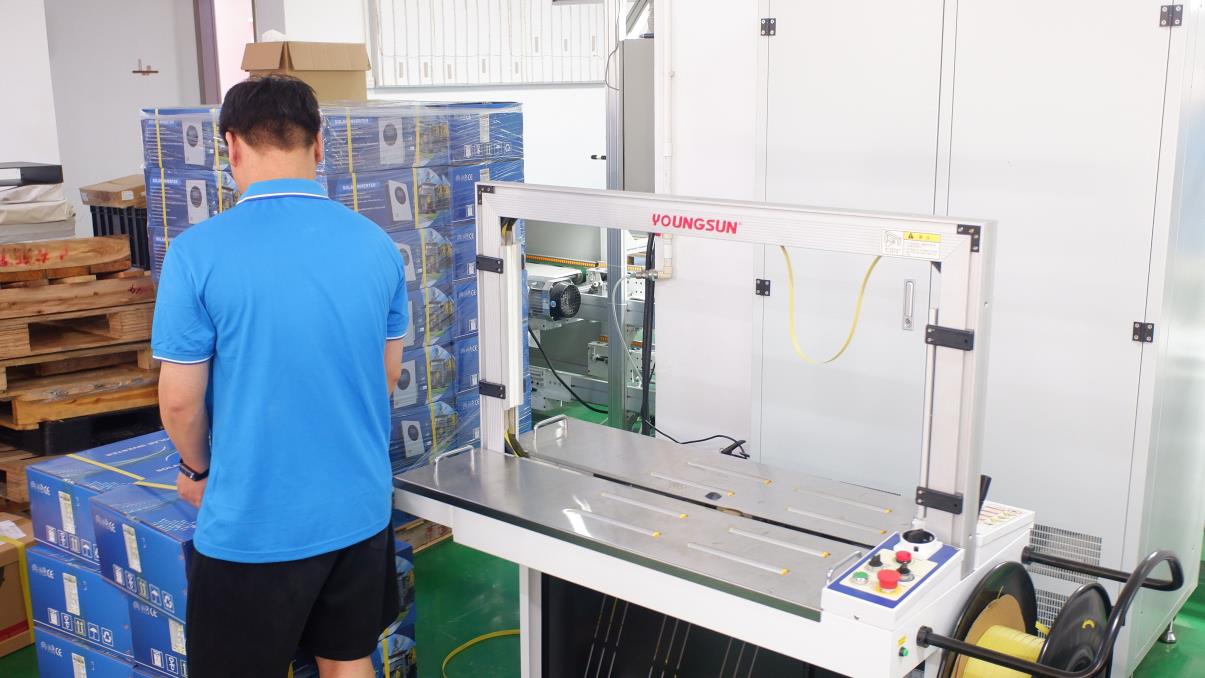
Yde Power supports shipping routes to major economic hubs in Afghanistan, including Kabul, Mazar-i-Sharif, Herat, and Jalalabad. We coordinate transit options, including overland shipping via Central Asian railways (China-Kyrgyzstan-Uzbekistan-Afghanistan corridors) and shipping to Karachi Port in Pakistan, followed by cross-border transport through the Torkham or Chaman borders. We provide required customs documentation, certificate compliance sheets (CE, IEC 62109, UN38.3 test reports for batteries), and heavy-duty shipping crates to protect products during transit.
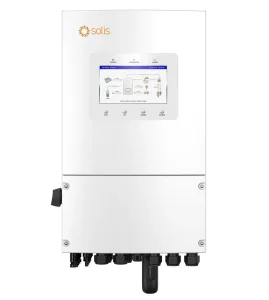
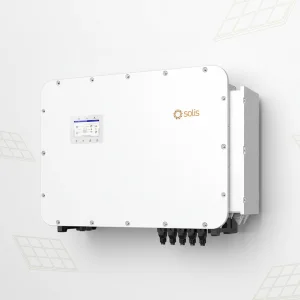
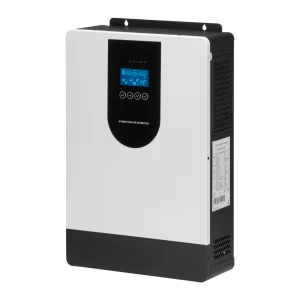
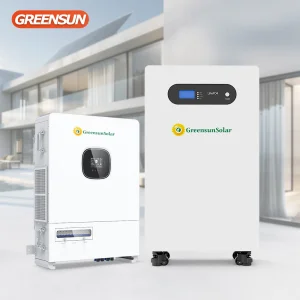
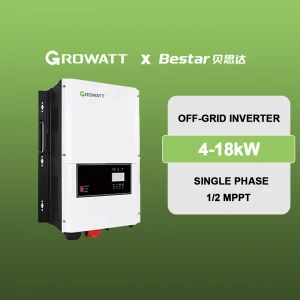
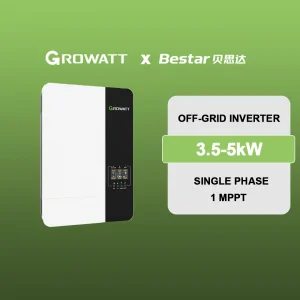
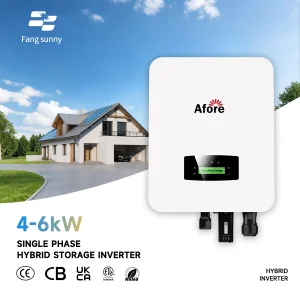
Explore our full line of single and three-phase low-voltage hybrid inverters. Select an option to view detailed technical specifications, operational wiring layouts, and compliance certificates.
Get in touch with Shenzhen Yde Power Co., Ltd. for direct wholesale configurations, engineering designs, and freight support for low-voltage hybrid inverters shipped to Afghanistan.
Send Inquiry Now Yde Power