 Yde Power
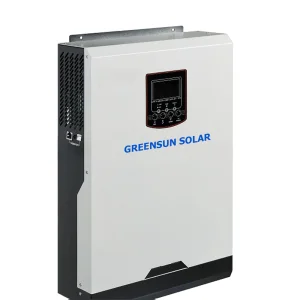
Engineered with low-voltage DC bus topology (48V) for unmatched safety, local microgrid coupling, and seamless integration with diesel generators.
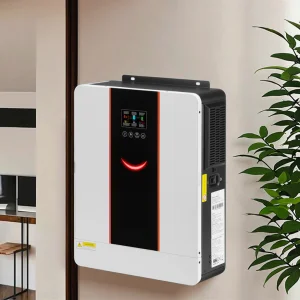
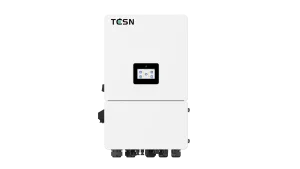
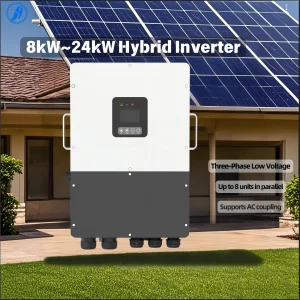
Dominica, widely recognized as the "Nature Isle of the Caribbean," is leading a major transformation toward sustainability. In the wake of Hurricane Maria and other extreme climate events, the local government has set a visionary target: to transition Dominica into the world’s first fully climate-resilient nation. Energy independence sits at the very core of this strategic initiative. By transitioning away from high-tariff imported diesel and building a decentralized solar microgrid network, the island is pioneering rugged off-grid infrastructure.
The Dominica Grid Challenge: The state utility DOMLEC (Dominica Electricity Services Limited) is highly reliant on fluctuating fuel surcharges. In rural coastal regions, grid restoration after hurricanes can take months. Low Voltage Hybrid Inverters act as the intelligence hub of resilient power, enabling domestic and commercial sectors to maintain continuous, isolated operation during prolonged grid outages.
For industrial developers, public infrastructure planners, and EPC entities sourcing for Dominica, system design requires more than just standard specifications. Systems must withstand high humidity, salt-mist air corrosion, and rapid frequency shifts characteristic of isolated island grids. Choosing low-voltage (48Vdc nominal) battery-coupling topologies significantly reduces system risk. It offers localized, touch-safe maintenance parameters without sacrificing peak surge capacity needed for commercial water pumps, agricultural chilling units, and heavy industrial inductive loads.
In standard residential and light commercial solar installations globally, high-voltage (HV) series-connected battery systems have become common. However, for island environments like Dominica, Low-Voltage (LV) hybrid topologies offer significant technical advantages:
Low voltage hybrid inverters utilize a 48Vdc battery bank configuration (typically spanning 40V to 60V operating range). In tropical zones prone to storm damage, severe flooding, and high moisture levels, high-voltage battery banks (300V to 800V) pose a high risk of catastrophic short-circuits and lethal shock hazards for rescue personnel and local maintenance teams. A 48V nominal system remains under the touch-safe threshold, easing installation and safety compliance under local codes.
A primary failure mode of high-voltage battery systems is cell-mismatch across long series strings, where a single weak cell limits the capacity of the entire pack. In contrast, 48V systems scale capacity by connecting lithium iron phosphate (LiFePO4) packs in parallel. This design allows for seamless future expansion. It also provides high system redundancy: if one battery module fails, the remaining parallel units continue to power the inverter uninterrupted.
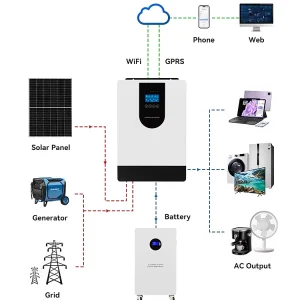
Dominica’s mountainous terrain creates microclimates and rapid shading variations. Advanced low voltage hybrid inverters feature dual or triple MPPT trackers with wide voltage ranges (up to 450V PV input). This allows for flexible array positioning on irregular, hurricane-reinforced roof lines. Crucially, these systems include dedicated auxiliary input ports to integrate existing diesel generators. They automatically coordinate generator autostart signals when battery SOC (State of Charge) drops, minimizing fuel consumption.
Standard grid-tied solar inverters shut down during power outages to prevent islanding. Our hybrid units feature robust grid-forming capabilities. In the event of a grid outage, the inverter switches to backup mode in under 10 milliseconds, establishing a local microgrid. The system can start up entirely from solar or battery power (black-start) without relying on grid excitation, ensuring critical medical, refrigeration, and communication equipment remains online.
Procuring solar hardware for Caribbean projects involves high logistics, duty, and freight costs. Importing systems that fail prematurely due to regional environmental factors can quickly erase project ROI. Global procurement directors should prioritize key specifications for installations in Dominica:
In response to these demands, Yde Power has optimized its low-voltage inverter line. We use automotive-grade power electronics and thick powder-coated aluminum chassis to eliminate rust risk. Additionally, our firmware integrates advanced frequency-droop control, stabilizing power when paralleling units on weak or islanded grids.
How our product architecture is adapting to future smart grid requirements and virtual power plant (VPP) infrastructure in the Caribbean.
Integrating UL1741 SB and IEEE 1547-2018 compliance into all single and three-phase low voltage hybrid lines to support reactive power control and active frequency response required by modern utilities.
Developing native API interfaces that allow local utility aggregators in Dominica to orchestrate distributed residential energy storage devices for peak shaving and grid stabilization.
Expanding DC bus voltage algorithms to support new sodium-ion batteries and fuel cell interfaces, providing sustainable alternatives to lithium chemistries.
Shenzhen Yde Power Co., Ltd. is a professional manufacturer specializing in residential, commercial, and industrial energy storage systems (ESS). Headquartered in Shenzhen, China, the company integrates research and development, production, sales, and service to deliver comprehensive clean energy solutions to global markets.
In addition to its headquarters in Shenzhen, Yde Power operates a modern ISO9001-certified manufacturing facility in Jiangxi Province, equipped with advanced automated production lines and stringent quality control systems. The company also maintains a dedicated R&D center in Shenzhen, focusing on continuous innovation in battery management systems (BMS), system integration, and intelligent energy optimization technologies.
Shenzhen Yde Power Co., Ltd. is committed to the development of efficient, safe, and environmentally friendly energy storage solutions. Its product portfolio includes residential battery storage systems, commercial and industrial energy storage cabinets, and scalable utility-grade ESS solutions designed to support grid stability, renewable energy integration, and peak shaving applications.
With the expansion of its Jiangxi manufacturing base, the company has significantly enhanced its production capacity, supply chain efficiency, and product diversity. This enables Yde Power to respond quickly to global customer demands while maintaining high standards of reliability and performance.
Driven by innovation and sustainability, Shenzhen Yde Power Co., Ltd. continuously invests in new technologies, intelligent manufacturing processes, and international quality certifications. The company aims to become a trusted global partner in the energy storage industry, contributing to a cleaner and more sustainable energy future.
Every hybrid inverter and energy storage cabinet undergoes rigorous manufacturing steps to ensure reliable operation in tropical climates.
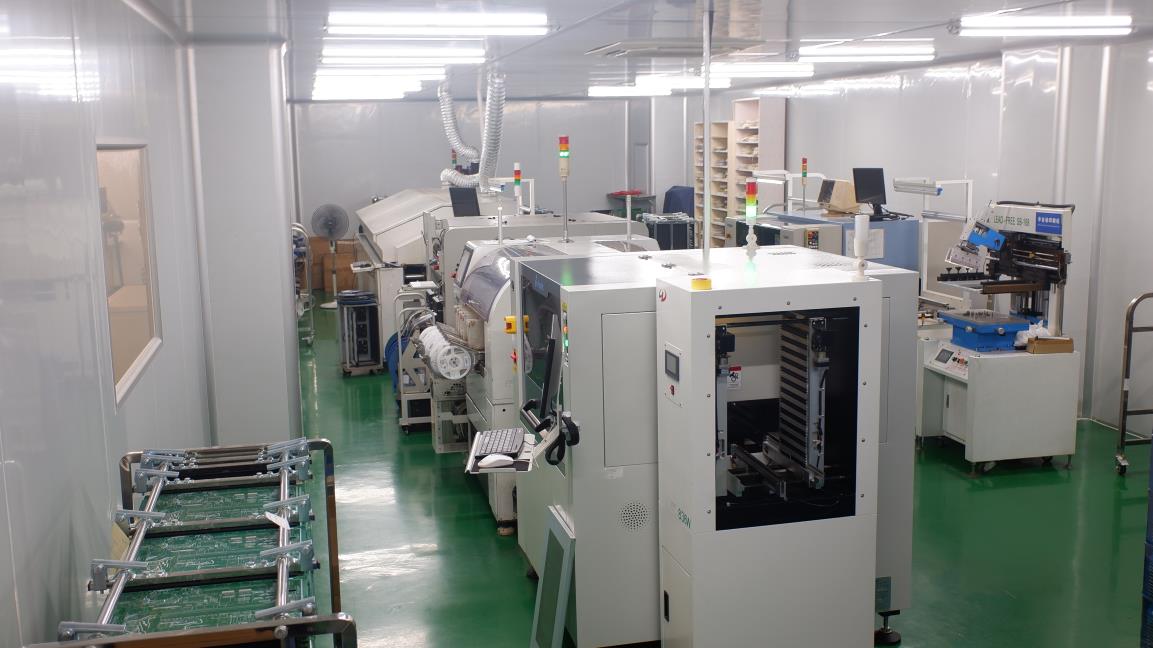
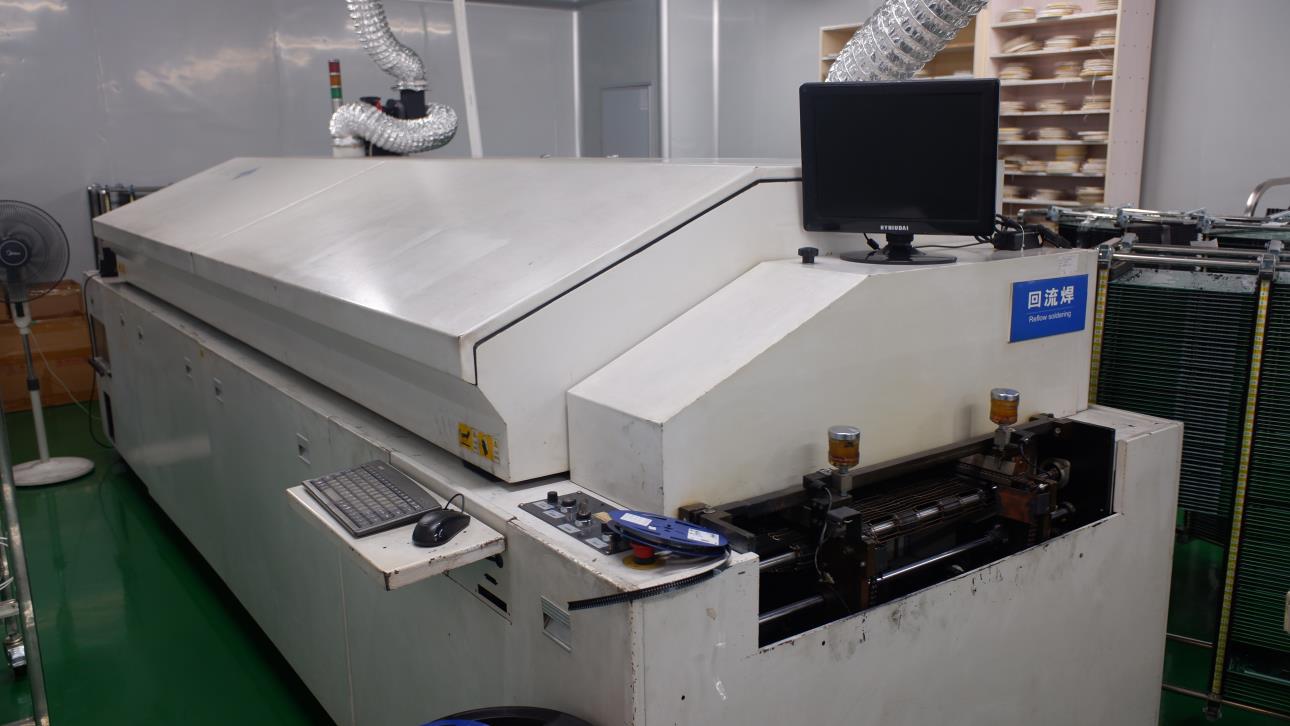
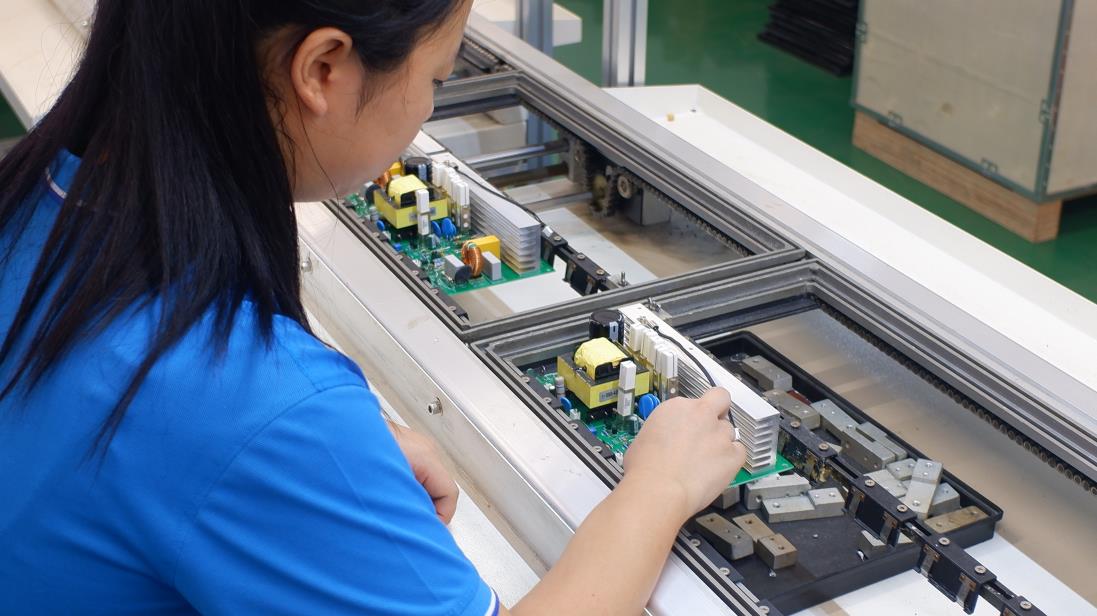
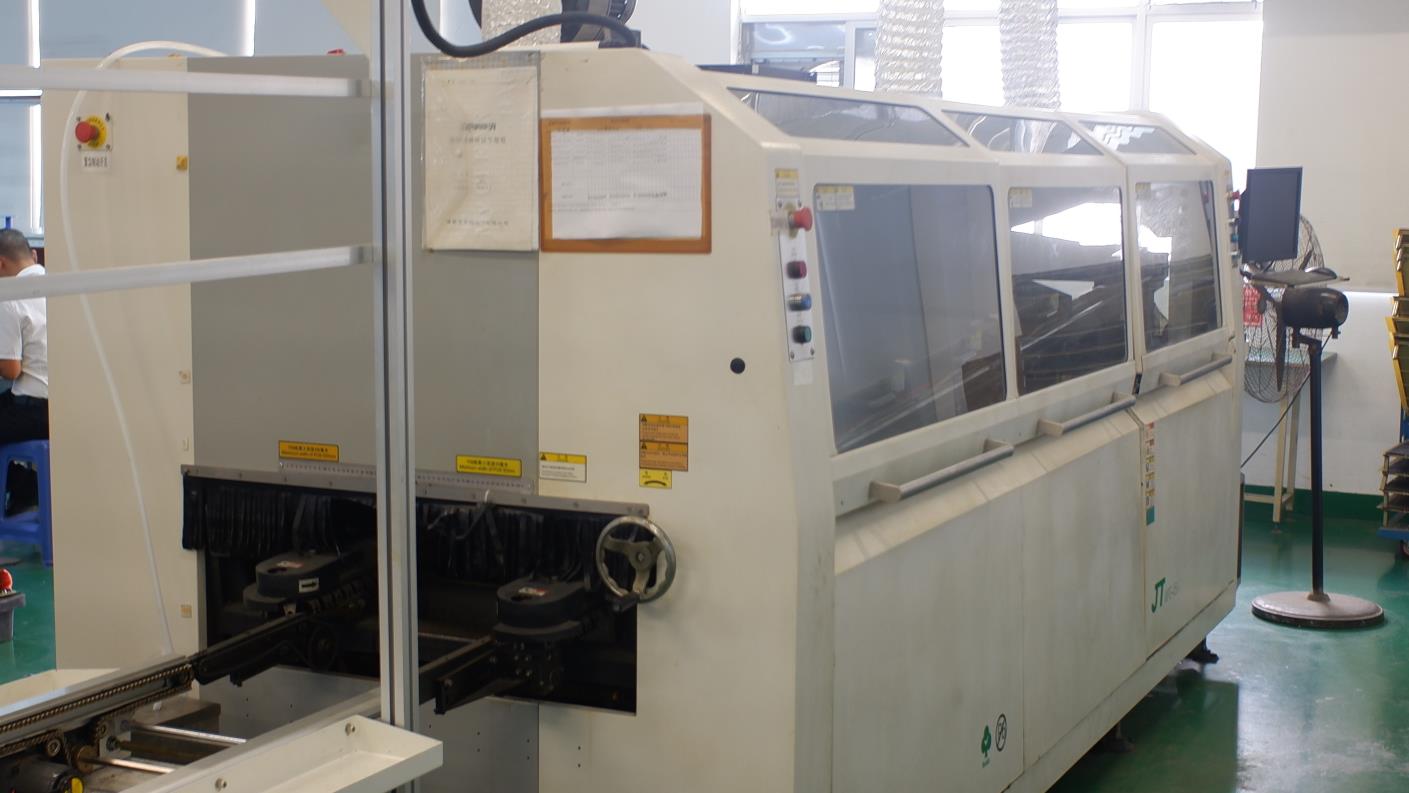
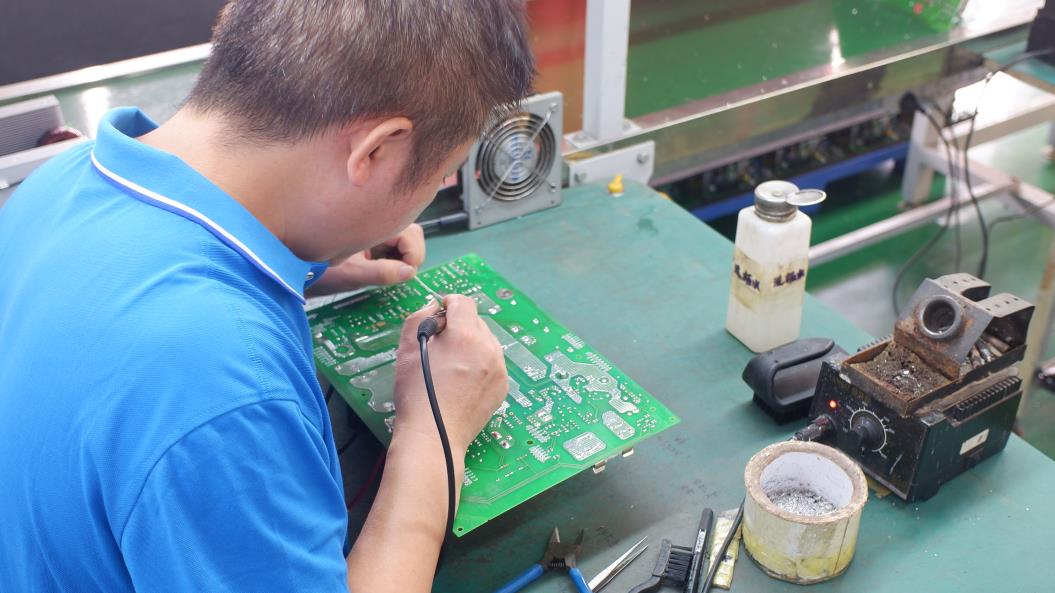
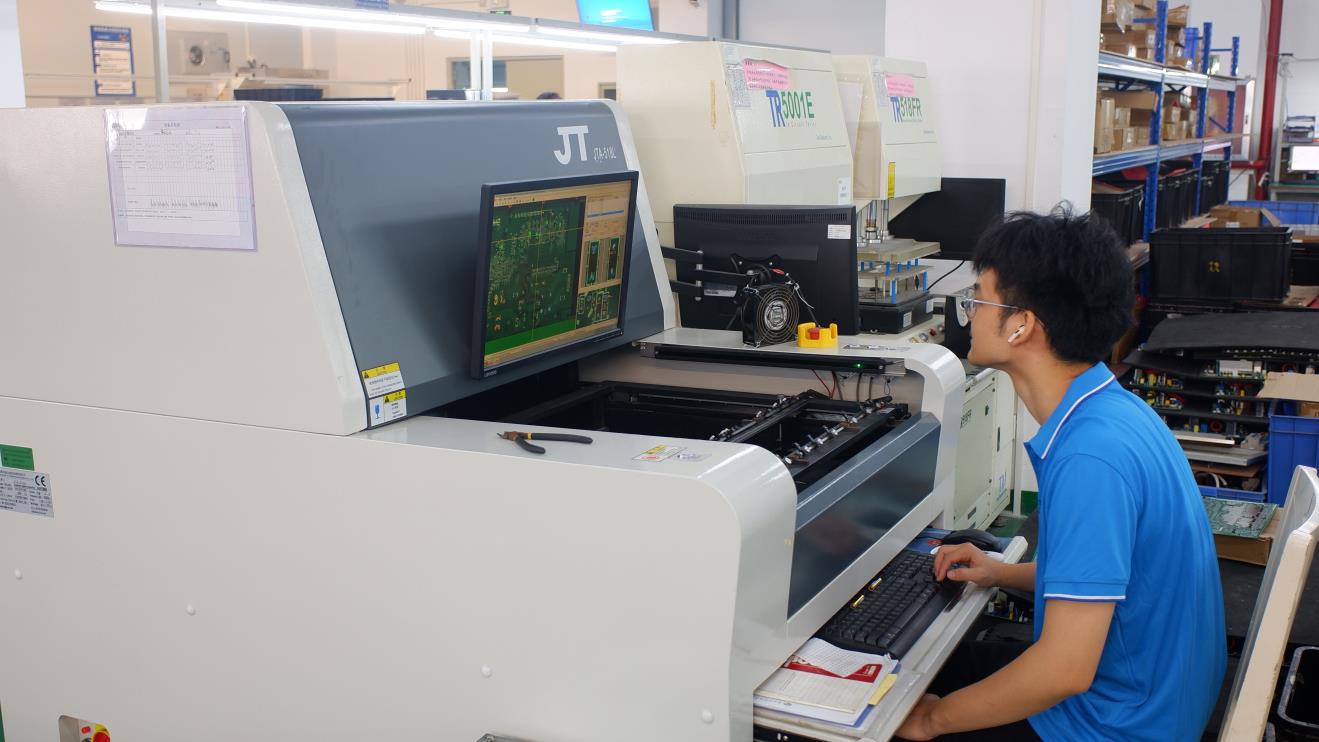
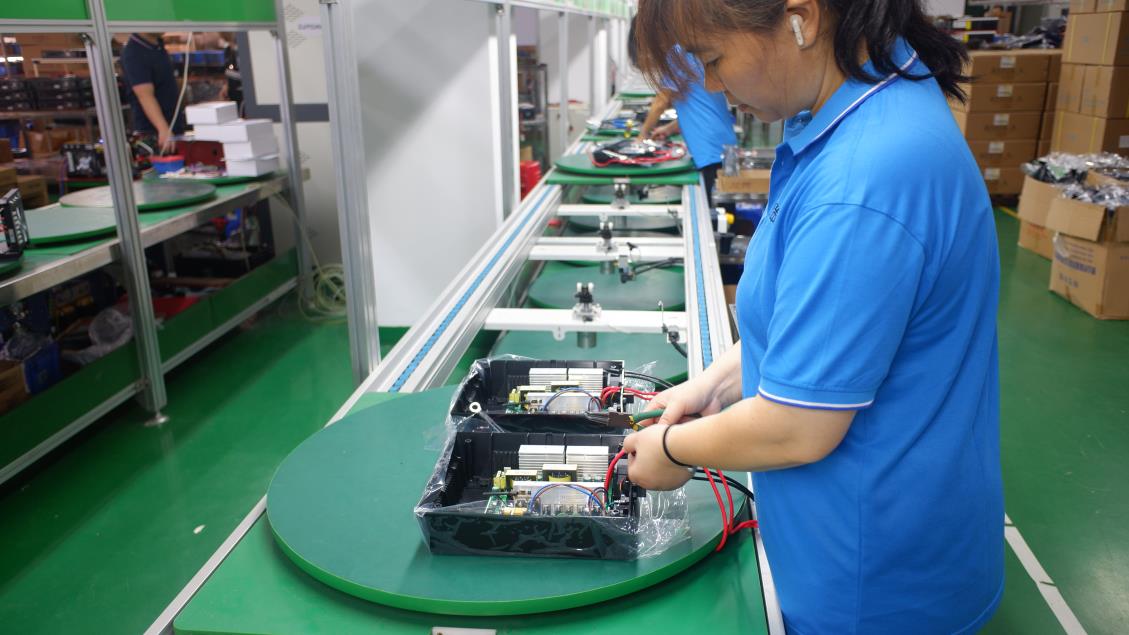
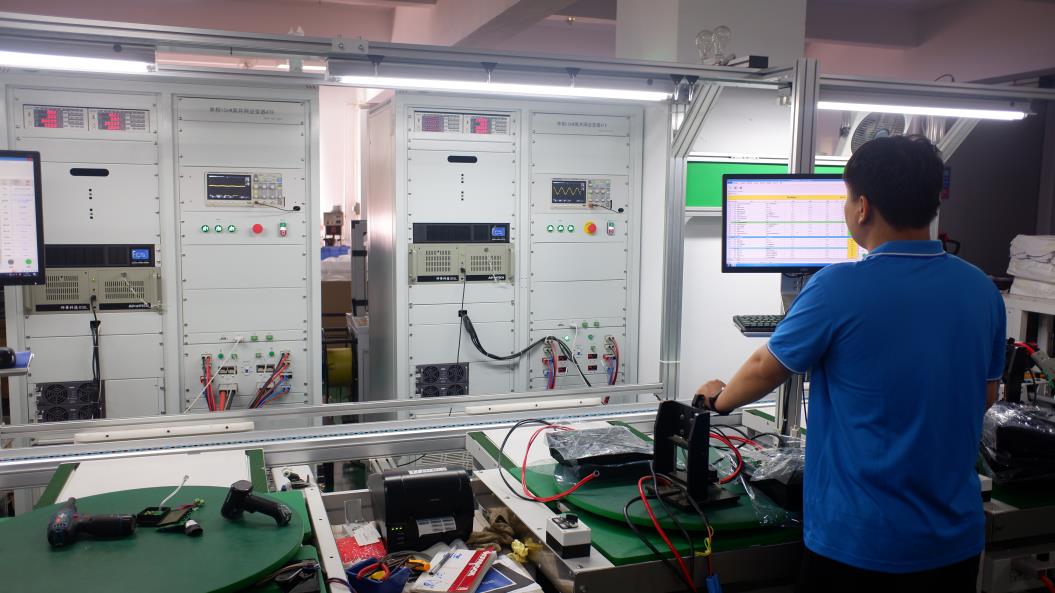
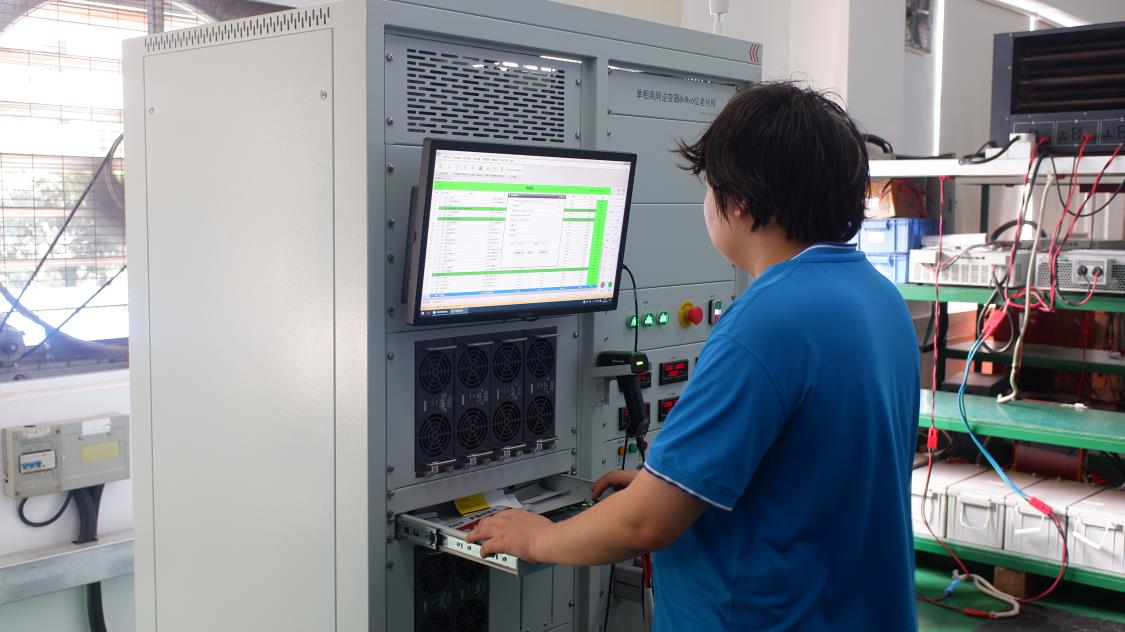
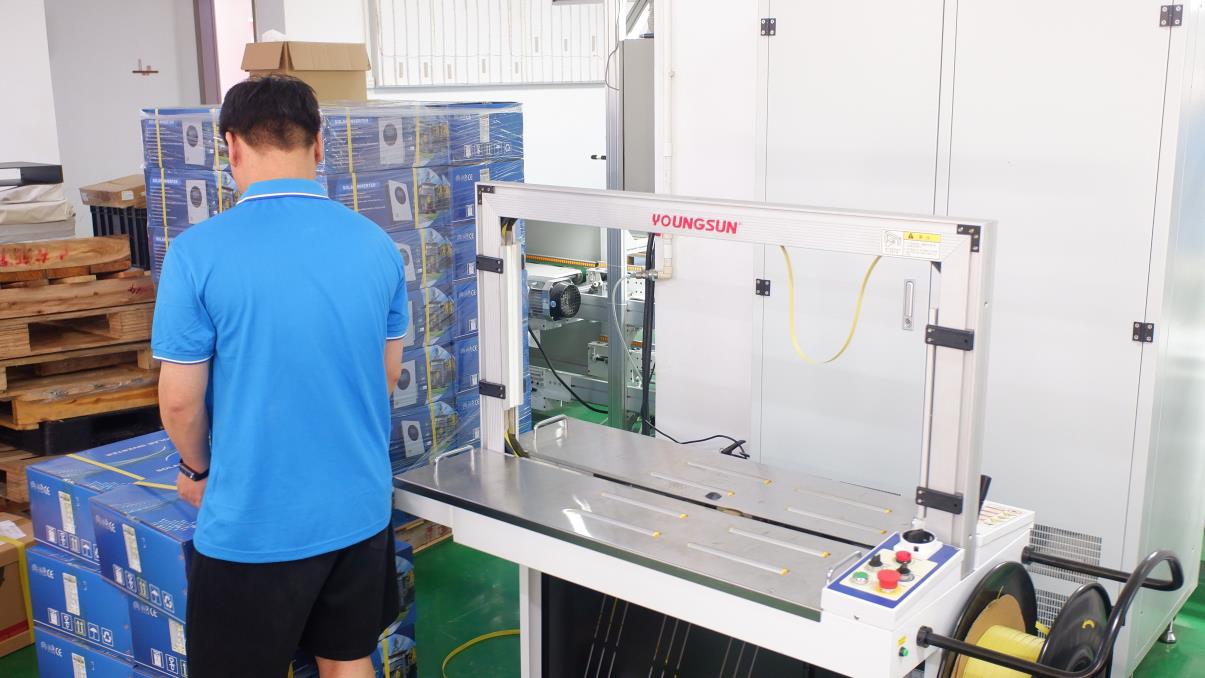
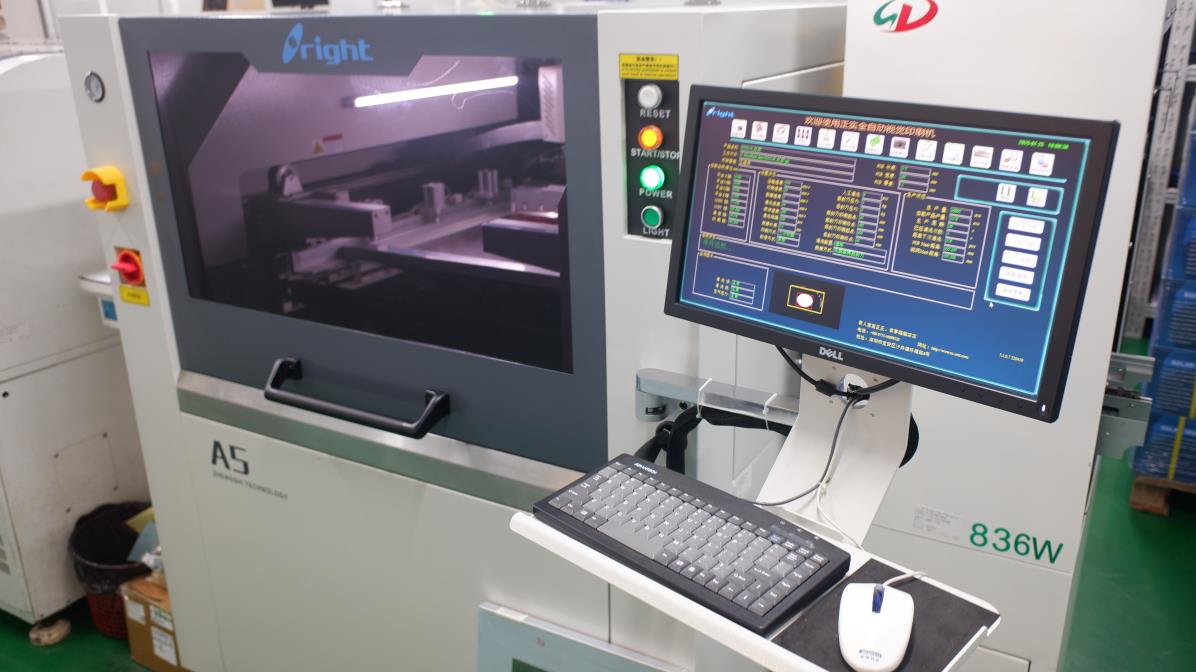
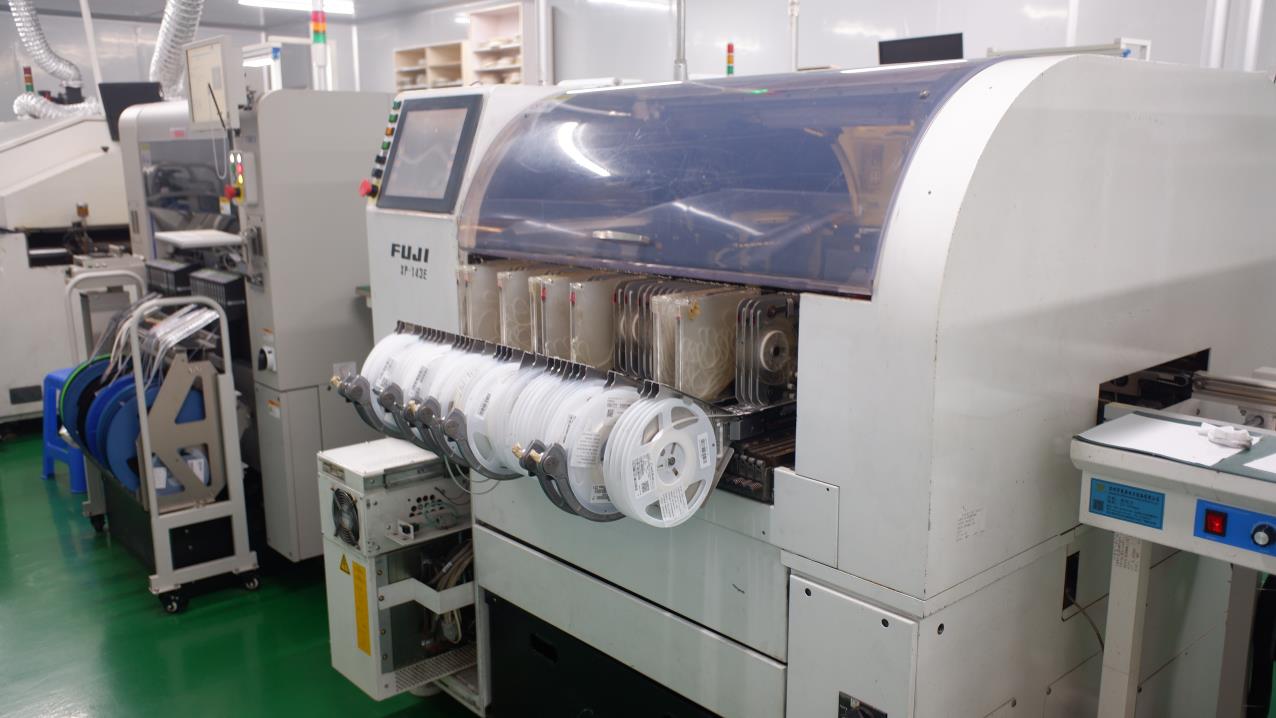
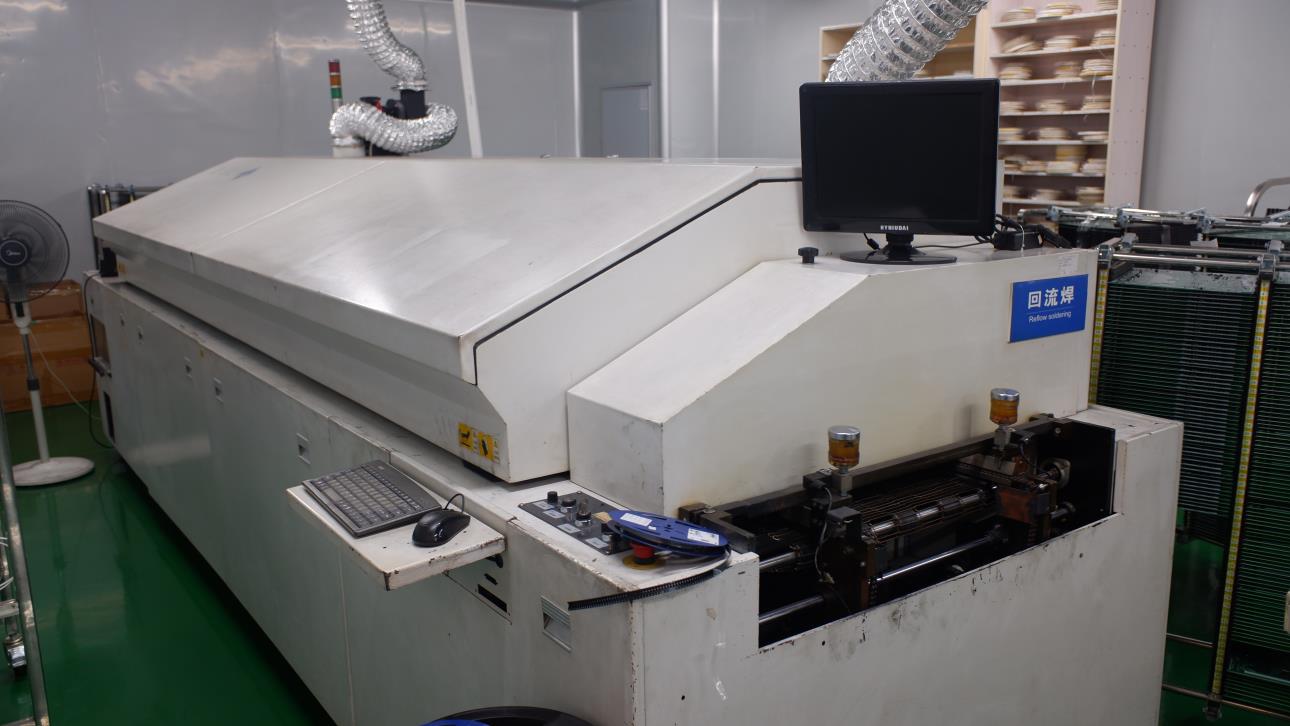
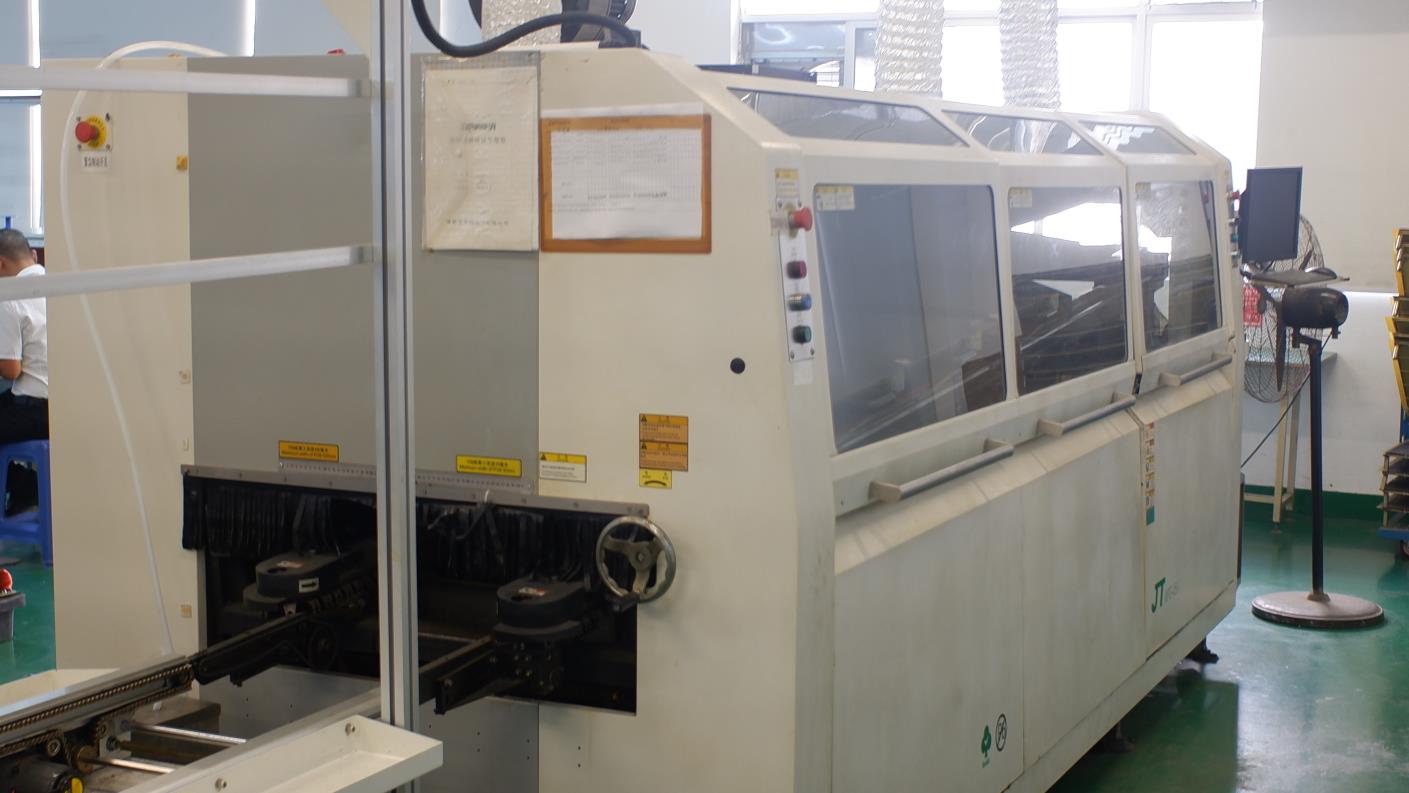
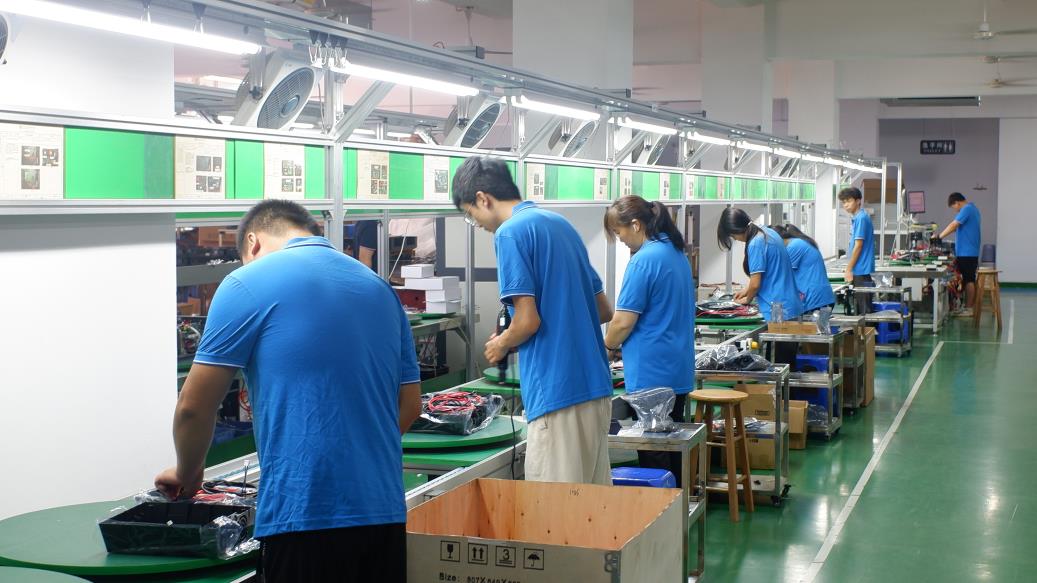
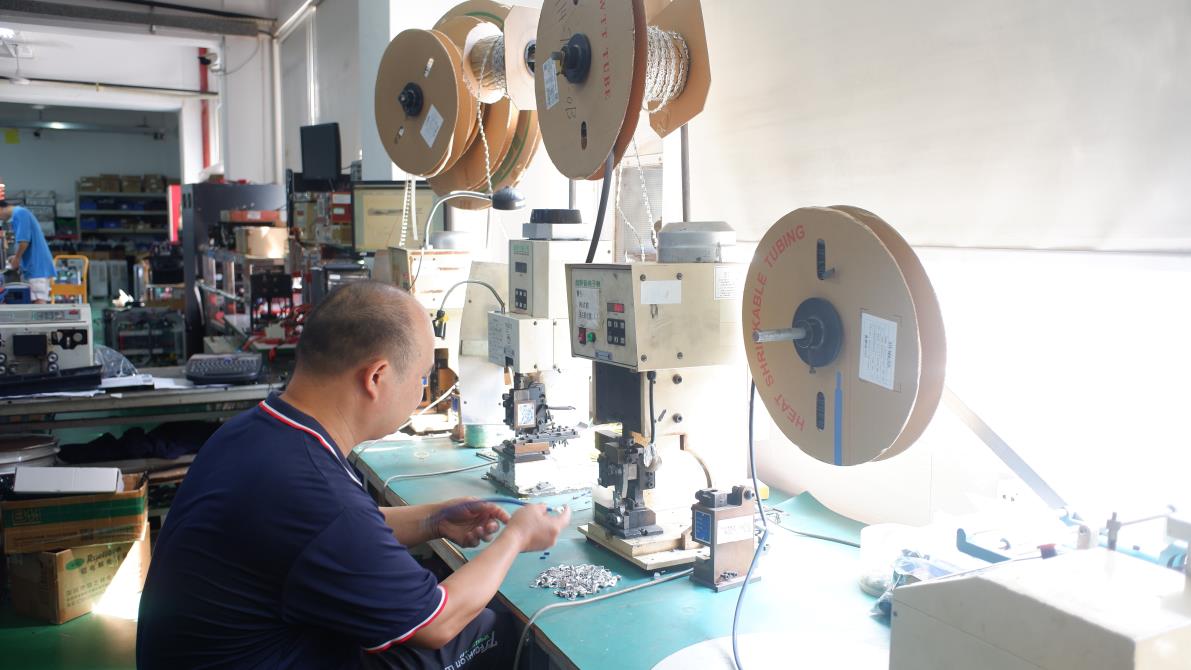
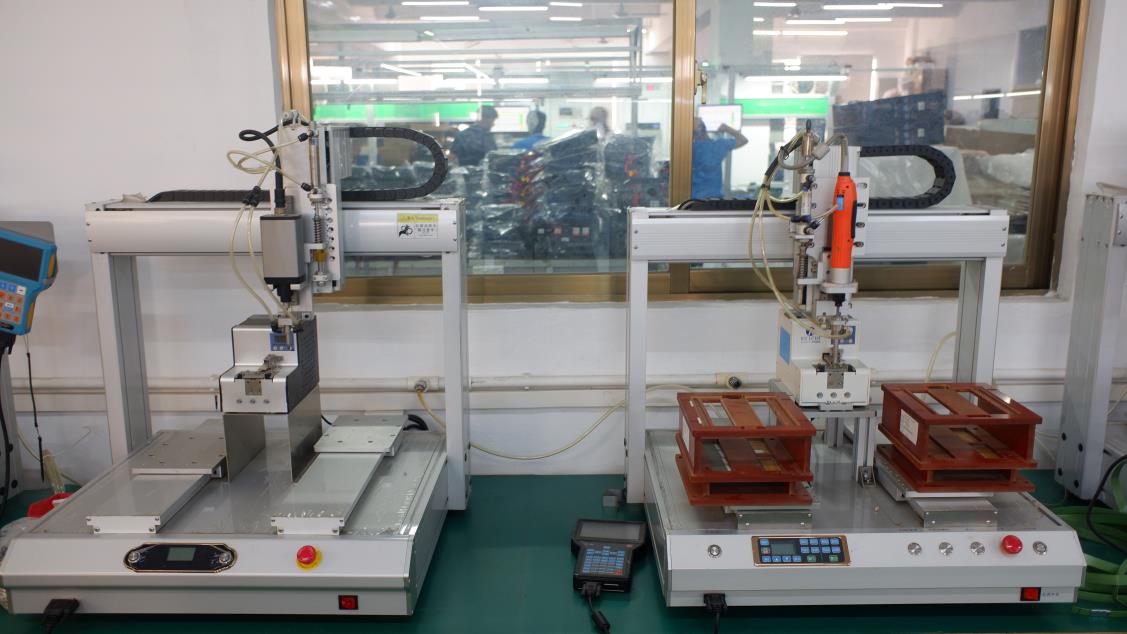
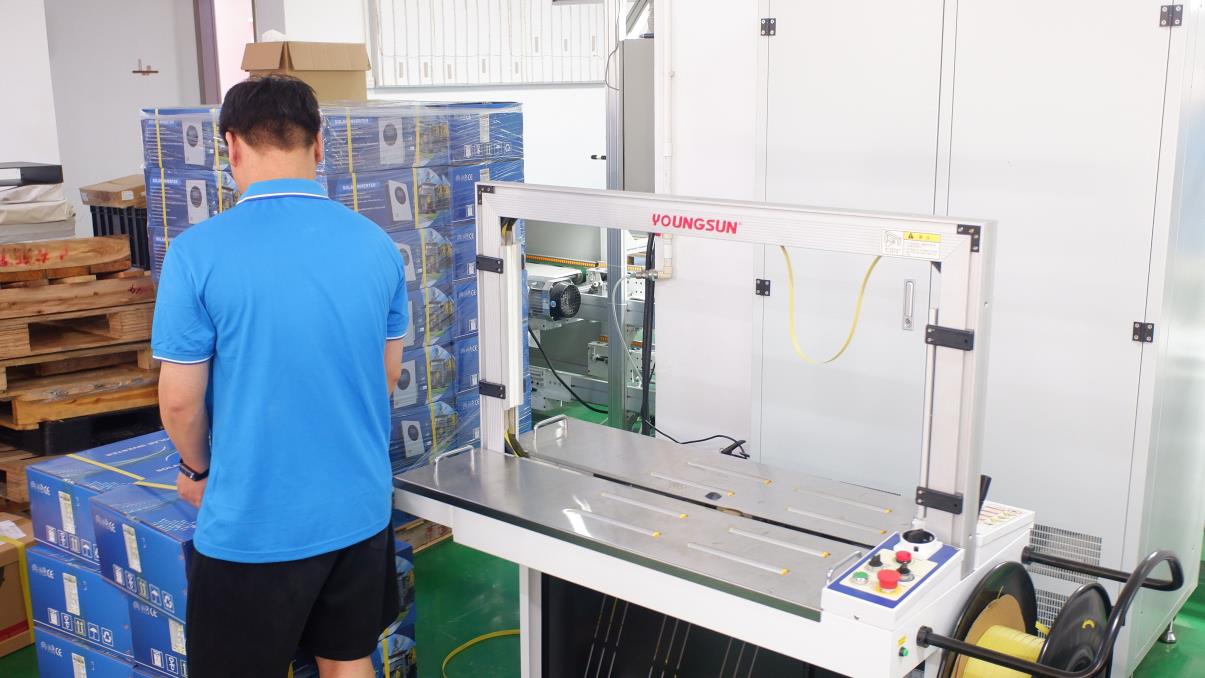
Ensuring compliance with local grid codes is critical to avoid installation delays and secure DOMLEC utility approval. In Dominica, grid-tied and hybrid energy storage systems must comply with specific safety standards. These guidelines are designed to prevent feedback into dead power lines during utility maintenance—a key risk during post-hurricane restoration.
Our low voltage hybrid inverters feature built-in grid monitoring and islanding protection (certified under CE, UL1741, and IEC 62109). They support grid-zero export configurations, allowing systems to operate without feeding power back into the grid. This is particularly beneficial in Dominica when working with DOMLEC grid-connection agreements that restrict export limits. Furthermore, all units support external CT clamps or smart meter integration for fast, real-time power control.
CARILEC Harmonization: As the Caribbean Electric Utility Service Corporation (CARILEC) promotes standardized grid requirements across member islands, our products are built on flexible firmware platforms. This allows installers to easily adjust frequency trip limits, reconnection delay times, and voltage settings to comply with localized utility rules across the region.
Technical clarifications on system design, battery integration, and Caribbean regional support.
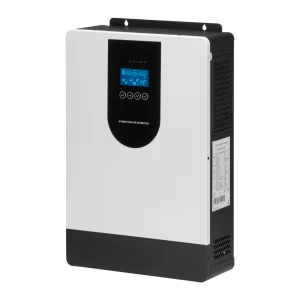
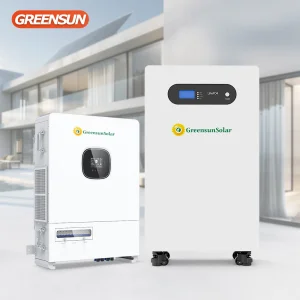
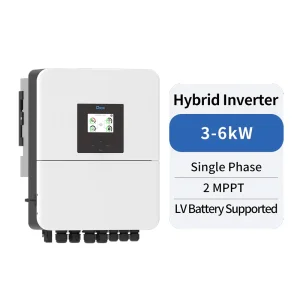
Select from our range of single-phase and three-phase low voltage hybrid solutions to meet your project specifications.
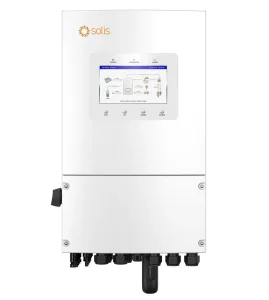
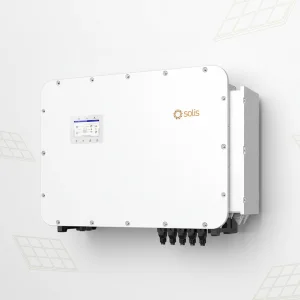
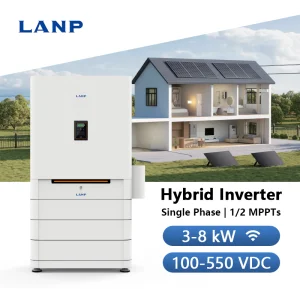
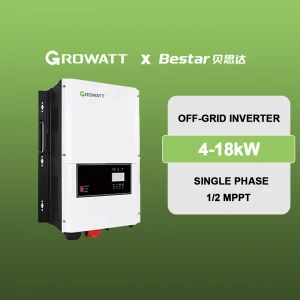
Contact our technical sales team for custom configurations, project sizing, and delivery terms for Dominica and the wider Caribbean region.
Send Inquiry Now