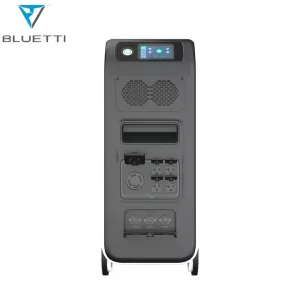
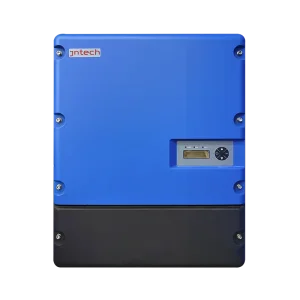
Explore our primary array of high-efficiency string inverters, hybrid energy storage engines, and integrated Lifepo4 battery setups optimized for micro-grids and remote infrastructure.
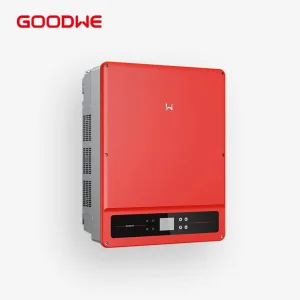
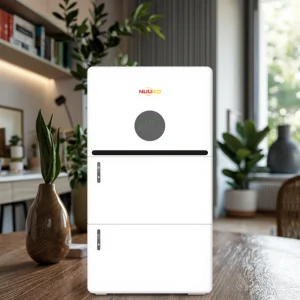
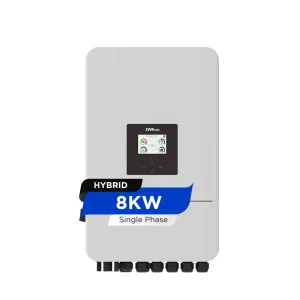
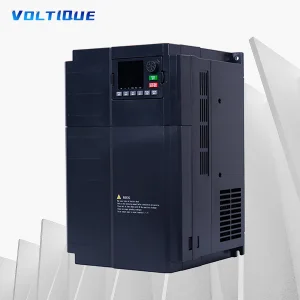
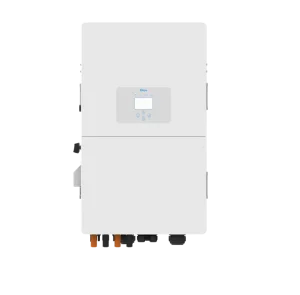
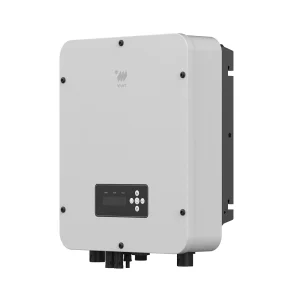
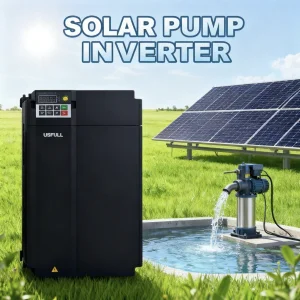
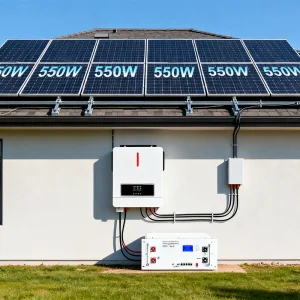
As global energy networks undergo decentralization, Stand-Alone Solar Setups (microgrids, off-grid storage networks, and hybrid commercial installations) have evolved from niche off-grid solutions to mainstream utility alternatives. Modern industrial enterprises require high resilience, localized power grids, and optimized levelized cost of storage (LCOS).
Shenzhen Yde Power Co., Ltd. serves as a critical node in this industrial evolution. As an ISO9001-certified manufacturer with advanced facilities in Jiangxi Province and R&D operations in Shenzhen, we design and produce energy storage systems (ESS) that bridge the gap between volatile solar generation and stable, clean power distribution.
Industrial procurement managers, EPC contractors, and infrastructure developers evaluate off-grid solar equipment based on reliability, thermal management, regulatory compliance, and system integration. Stand-alone solar system sourcing is shifting toward modular, plug-and-play ESS setups that minimize installation labor costs and field failure rates.
Enterprises in high-tariff zones utilize stand-alone ESS for peak-shaving, capitalizing on time-of-use (ToU) arbitrage and reducing demand charges during high-load operations.
Lithium Iron Phosphate (LiFePO4) remains the industry standard for commercial installations, offering high thermal stability, deep cycle life, and low maintenance overhead.
Seamless communications via CAN/RS485 between batteries, MPPT controllers, and multi-phase hybrid inverters prevent system downtime and extend battery operating lifespans.
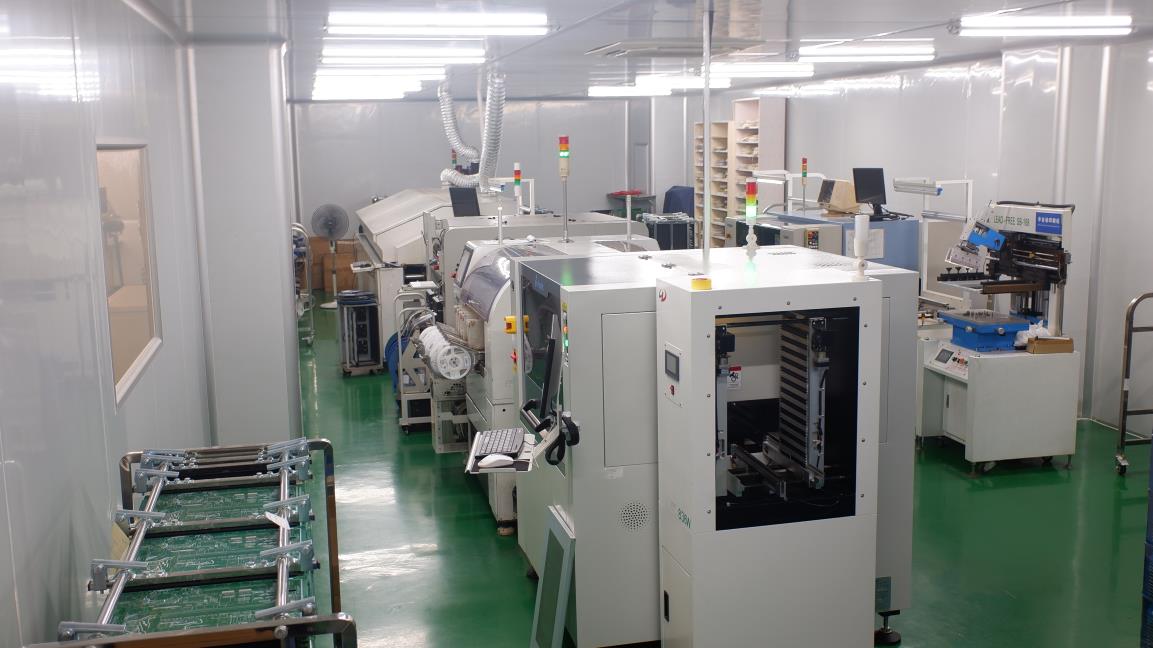
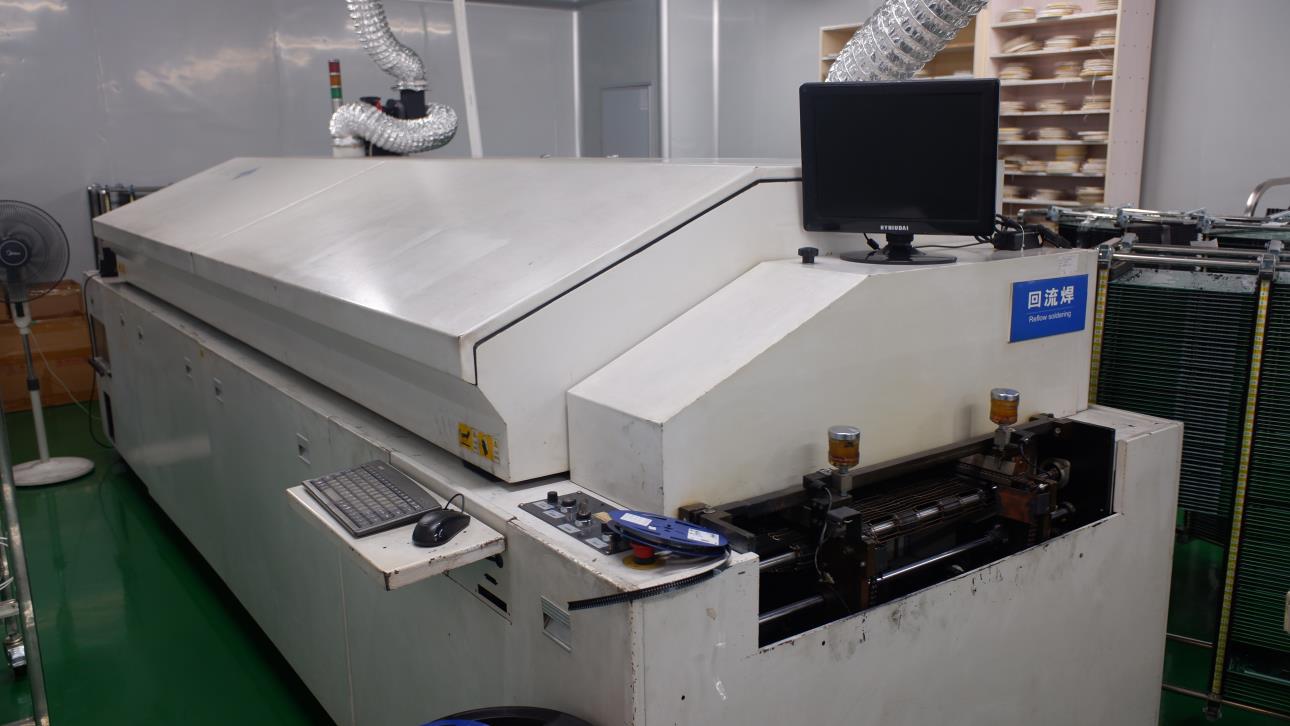
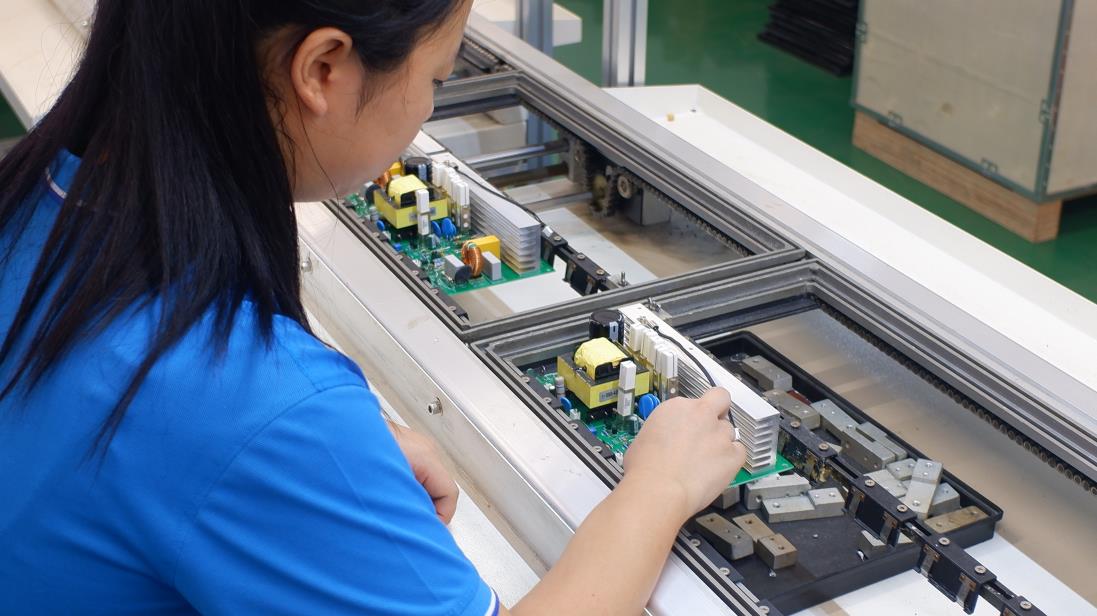
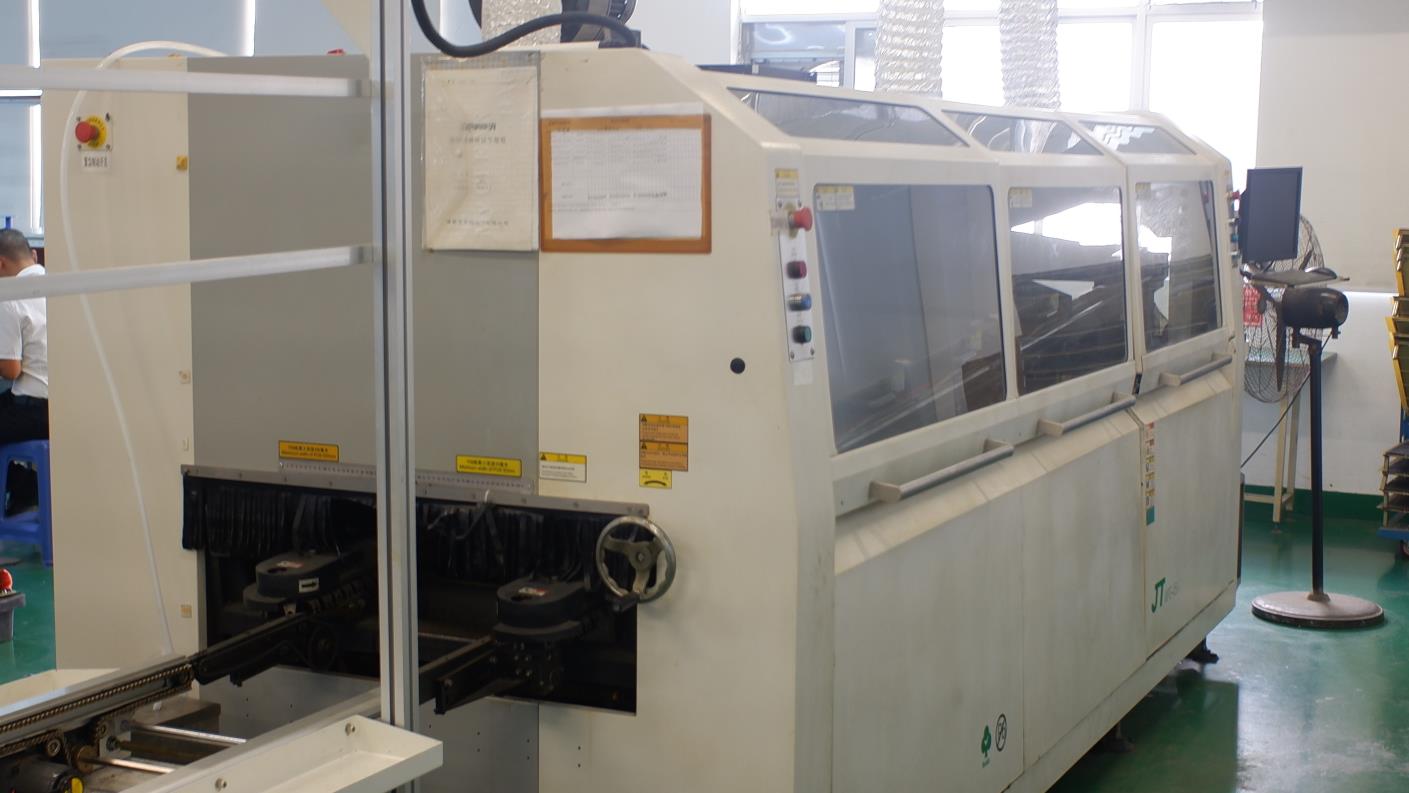
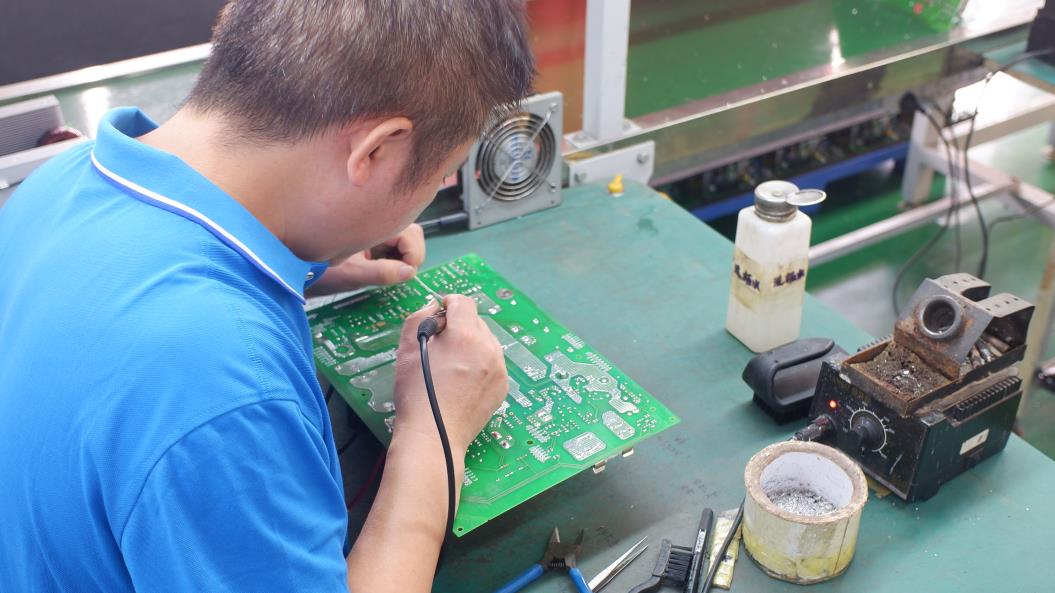
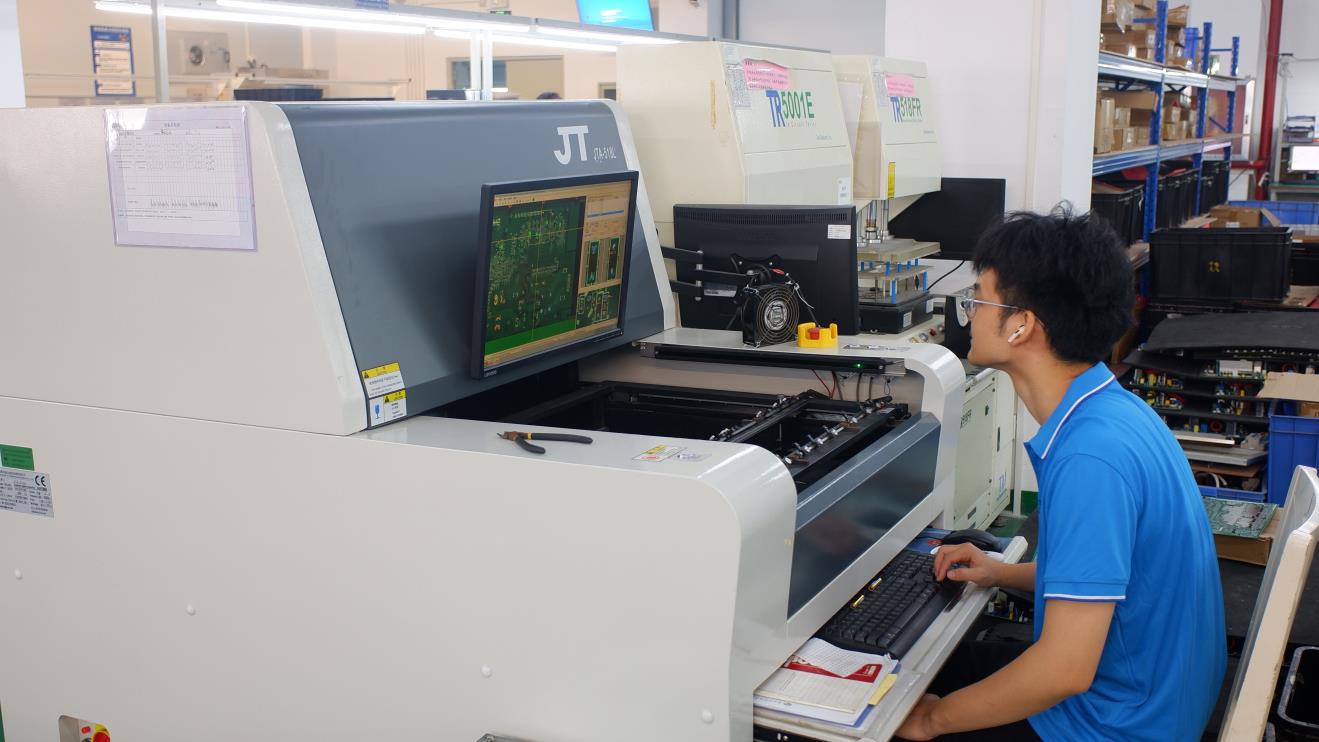
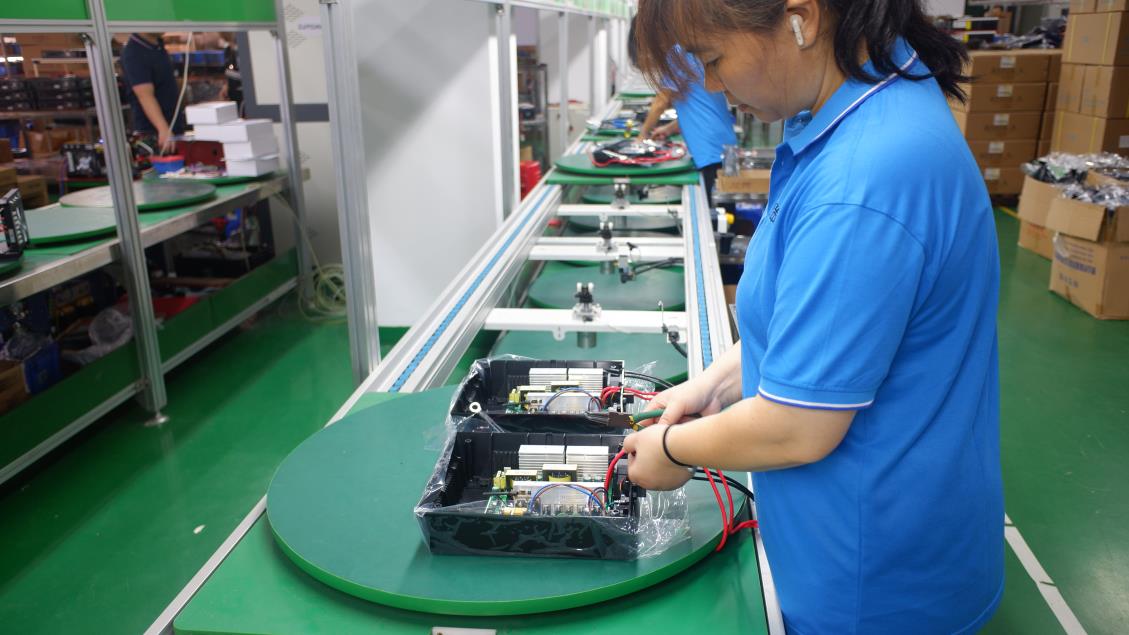
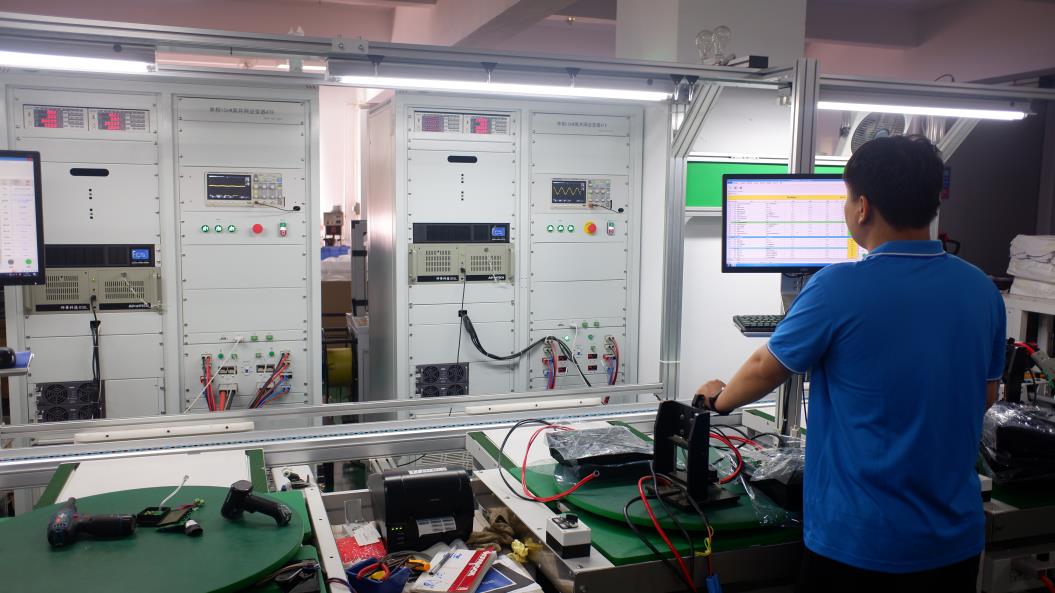
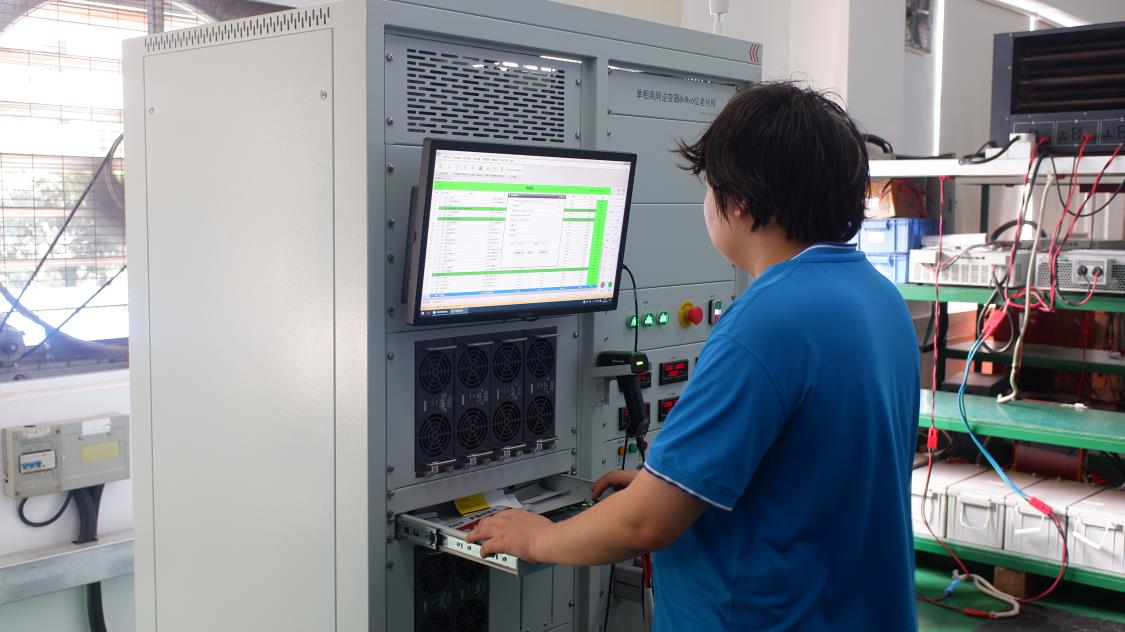
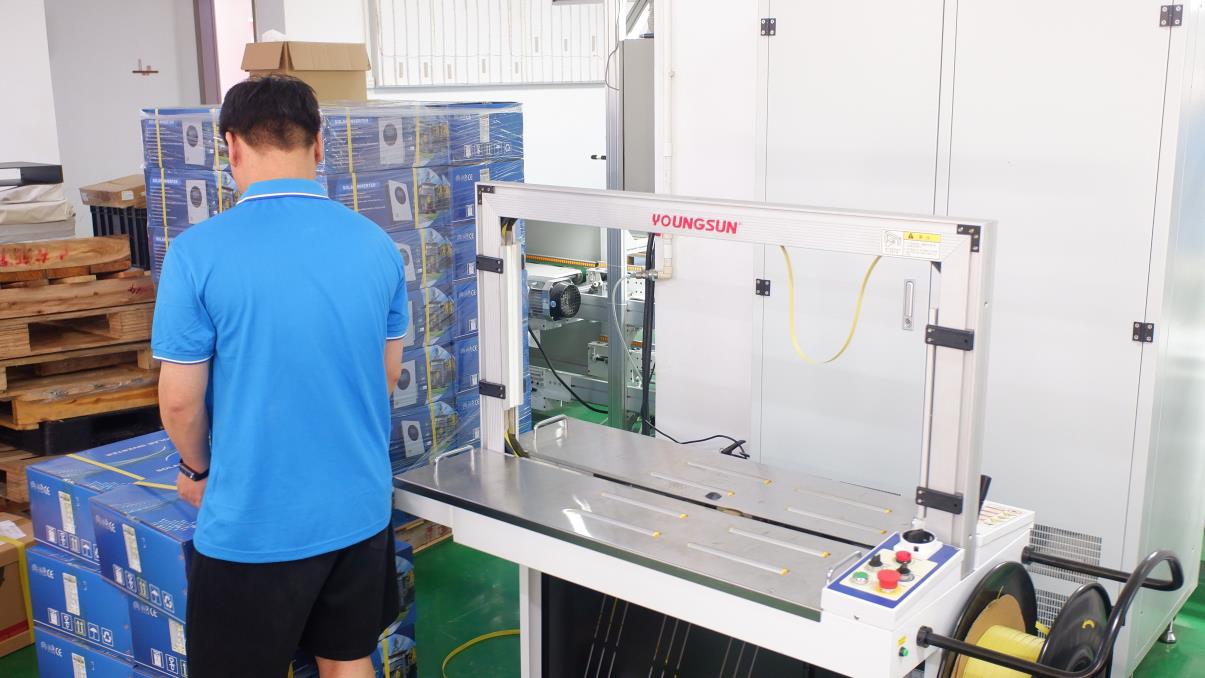
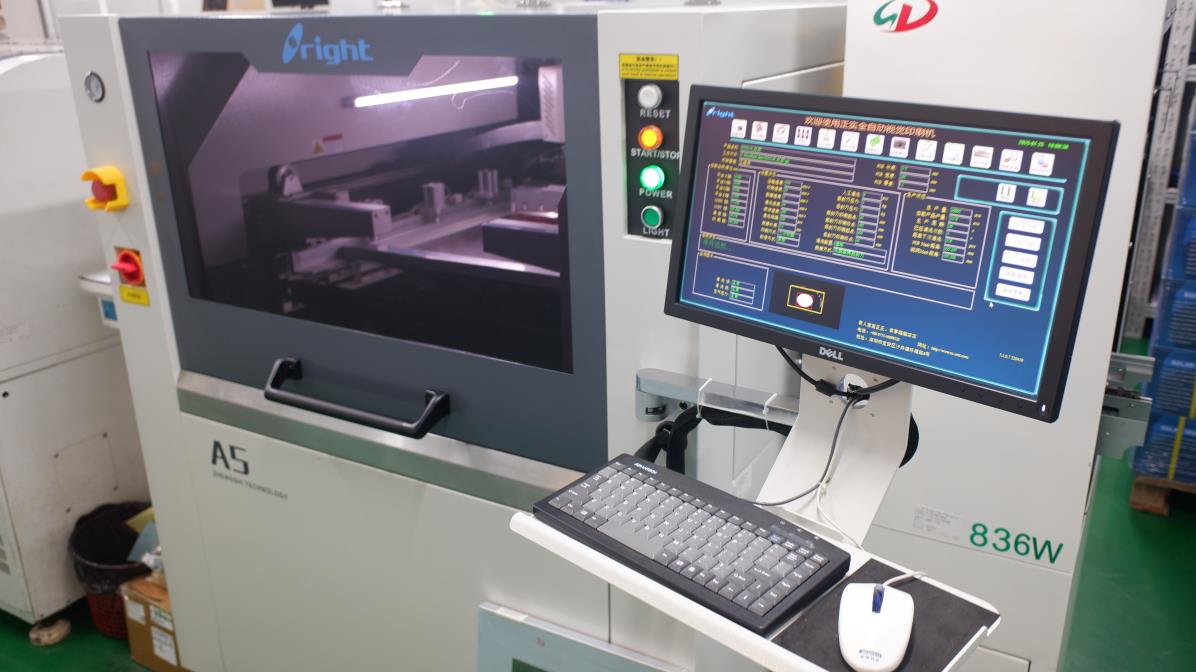
Our manufacturing facility in Jiangxi Province utilizes automated SMT, precision wave soldering, and automated aging testing protocols. These production stages guarantee reliability for every inverter and battery pack shipped worldwide.
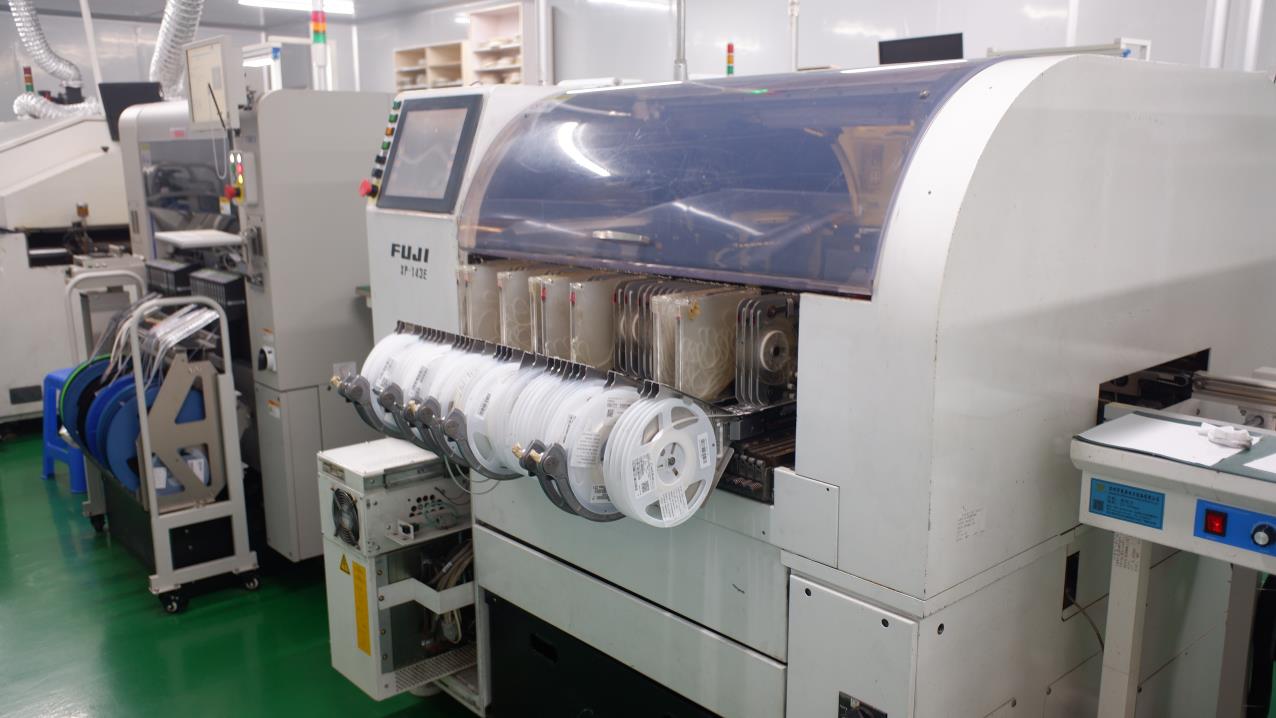
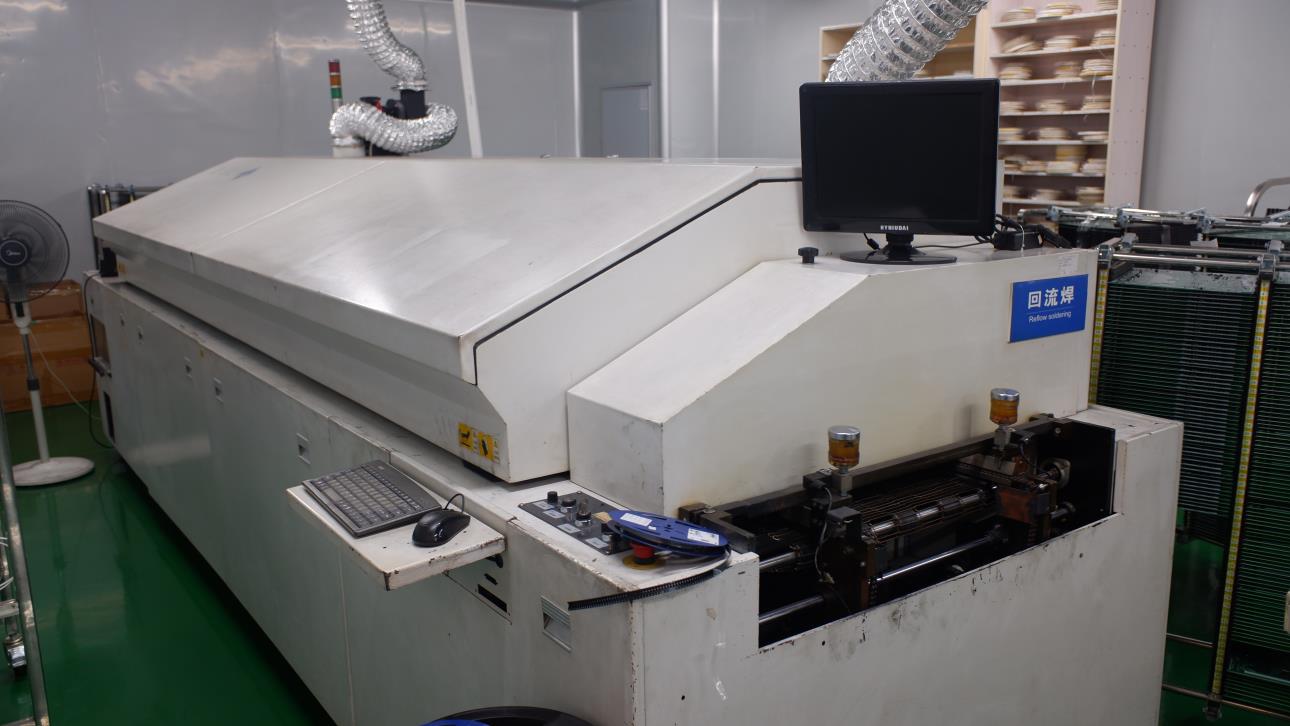
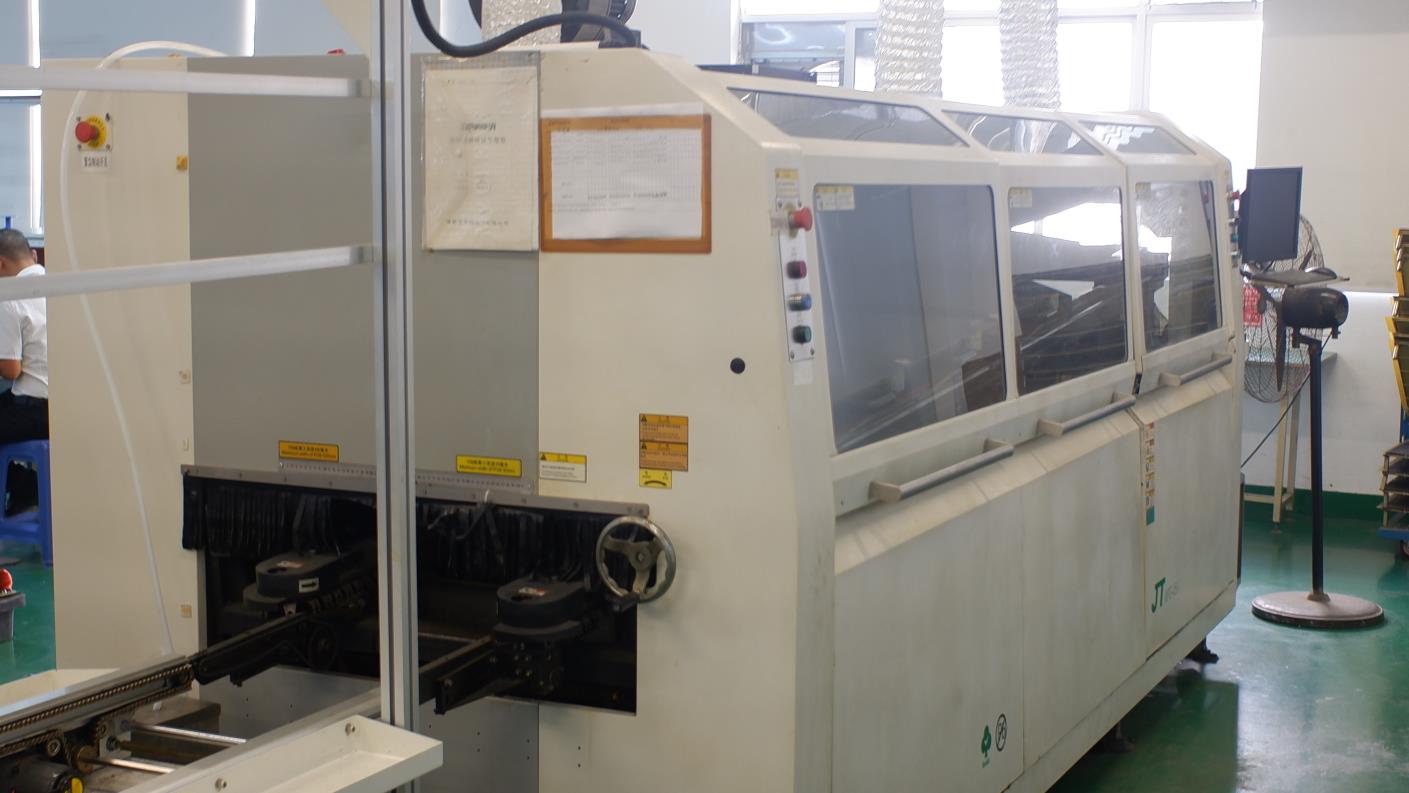
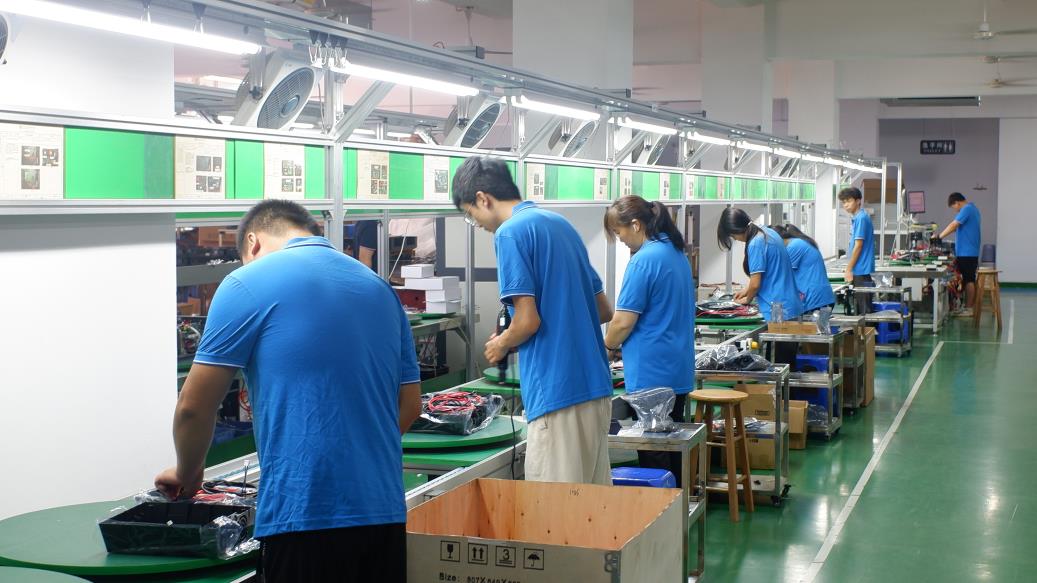
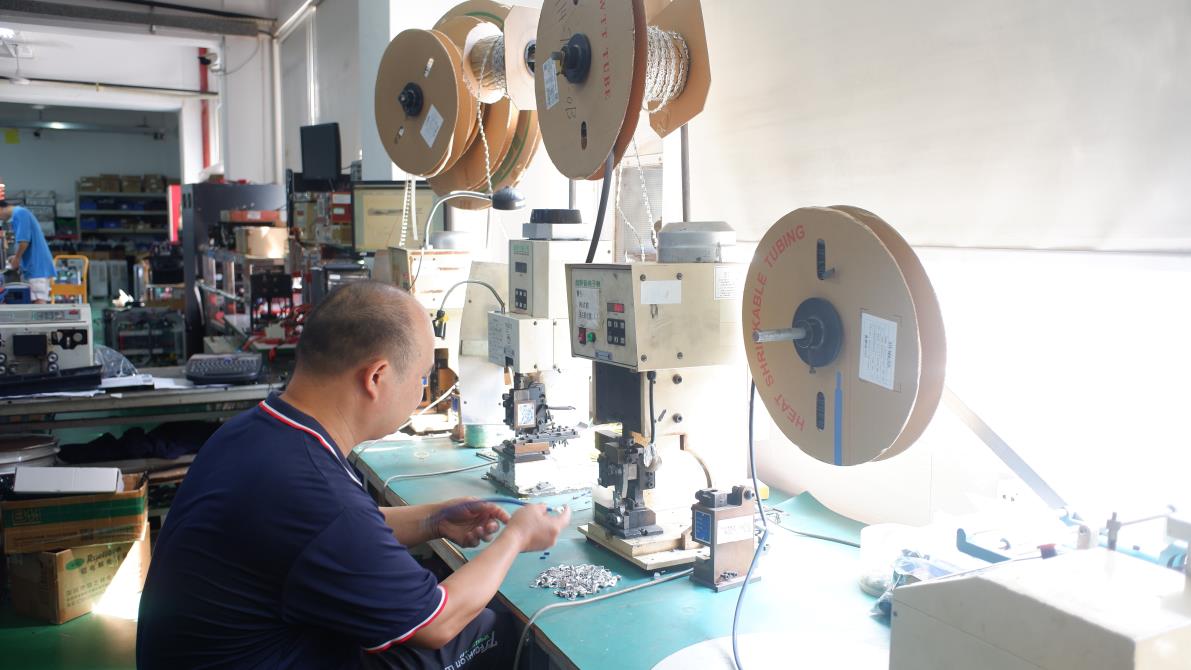
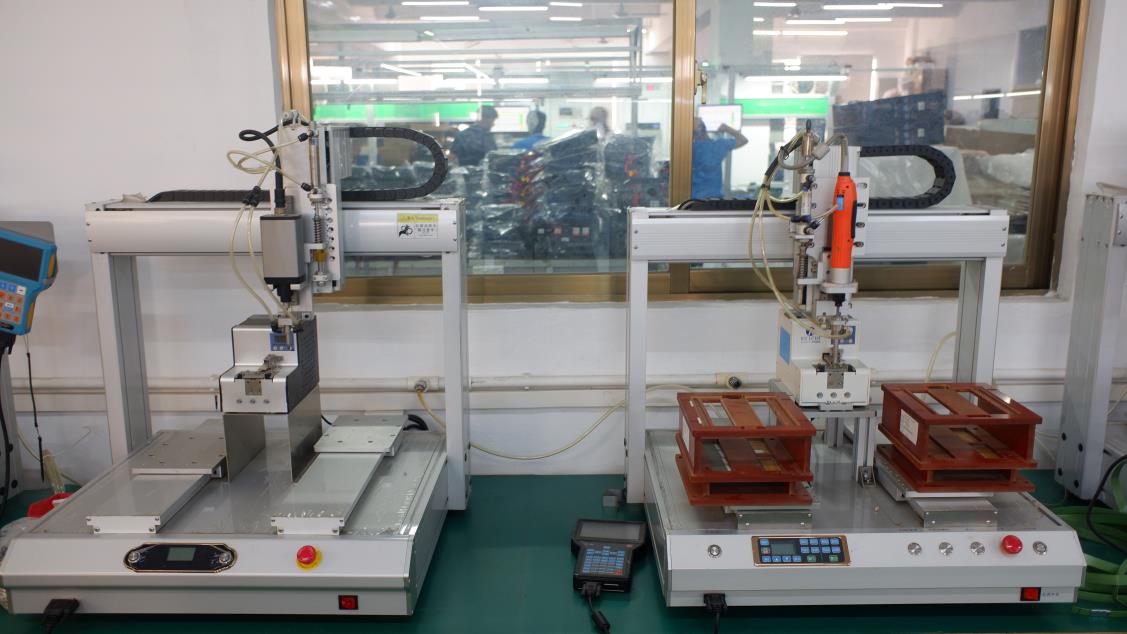
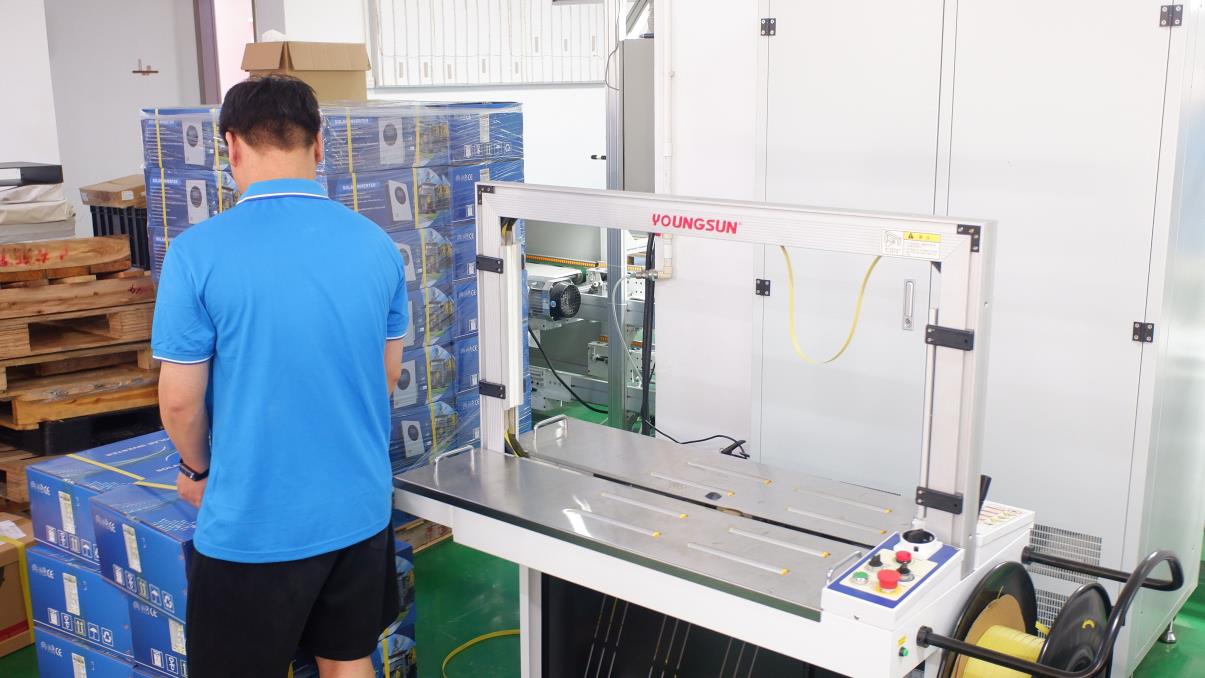
The transition toward decentralized clean grids demands smarter topology. Our R&D initiative focuses on three core pillars designed to optimize system reliability and safety:
Moving from low-voltage (48V) to high-voltage (>400V) DC battery systems reduces conversion losses, increases round-trip efficiency (RTE), and cuts down cable thickness and costs in commercial configurations.
Integrating machine learning algorithms on cloud-edge devices allows predictive diagnostic analysis on battery cells, flagging thermal runaways and cell imbalances up to 24 hours before they manifest.
Adopting Silicon Carbide (SiC) and Gallium Nitride (GaN) components in our off-grid pump controllers and string hybrid inverters delivers 99%+ conversion efficiency and compact thermal dissipation profiles.
Exporting solar hardware requires compliance with international standards. Shenzhen Yde Power Co., Ltd. ensures all exported products meet local regulatory, grid safety, and transportation requirements.
Systems comply with CE, IEC 62619, UL 1973, and UN38.3 standards, assuring grid connection approval and safety during shipment.
We provide Class 9 DG hazardous cargo handling, sea freight container coordination, customs documentation, and customs clearance support.
Localized technical documentation, remote installation troubleshooting support, and localized partner maintenance hubs minimize field downtime.
Our ISO 9001 facility uses strict statistical process control (SPC) to ensure consistent quality output for every production run.
Expert answers to key technical questions from procurement officers, engineering leads, and distribution partners.
By configuring battery systems in series to reach voltages of 300V to 600V DC instead of 48V, system losses are reduced during conversion. Higher DC link voltages reduce current requirements, allowing thinner cables, generating less heat, and improving inverter efficiency.
MPPT (Maximum Power Point Tracking) algorithms dynamically adjust the VFD inverter input frequency to match the solar array's maximum output power curve. This is crucial for agricultural irrigation pumps and remote water supply systems, maximizing motor uptime during cloudy periods.
All our lithium cell assemblies undergo extensive cycle testing, impact testing, and environmental simulation according to UN38.3 and UL standards. We ship batteries with certified Class 9 DG packaging, adhering to international maritime (IMDG) and air (IATA) shipping regulations.
Yes, our commercial high-power and hybrid series support parallel CAN-bus communications, enabling up to 10 or more inverters to operate as a single system. This allows scaling for high-power industrial loads.
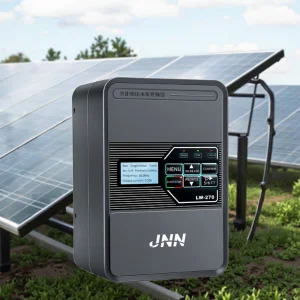
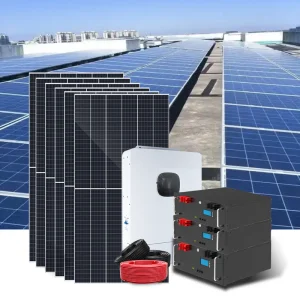
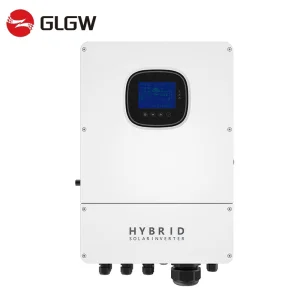
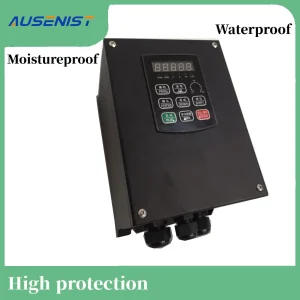
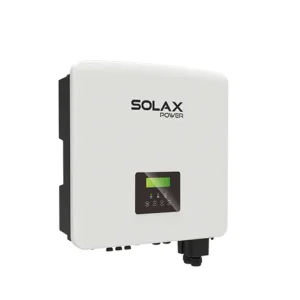
Explore our utility-grade pump drives, hybrid three-phase inverters, and wind-solar integrated energy storage solutions.
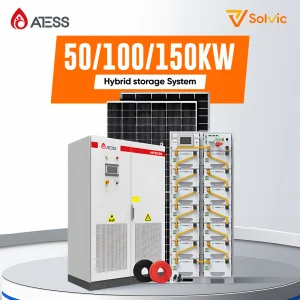
 Yde Power