Decoding the 2024-2030 Roadmap for Renewable Energy Integration
In the era of rapid decarbonization, Energy Storage Integration (ESI) has emerged as the critical backbone for the global energy transition. As the world shifts from centralized fossil fuel-based grids to decentralized, intermittent renewable sources like solar and wind, the demand for sophisticated "China Wholesale Energy Storage" solutions has skyrocketed. The fundamental challenge is no longer just generating power, but balancing it. Modern Energy Storage Systems (ESS) provide the necessary flexibility to mitigate the "Duck Curve" effect, ensuring grid stability through peak shaving, load shifting, and frequency regulation.
For industrial and commercial (C&I) sectors, ESI represents more than just sustainability—it is a strategic hedge against rising energy costs and grid instability. From the European Union's Net-Zero Industry Act to the USA's Inflation Reduction Act (IRA), the regulatory environment is aggressively favoring integrated battery storage solutions that offer high "Information Gain" via smart BMS (Battery Management Systems) and AI-driven energy forecasting.
Supply Chain Dominance and Technical Maturity
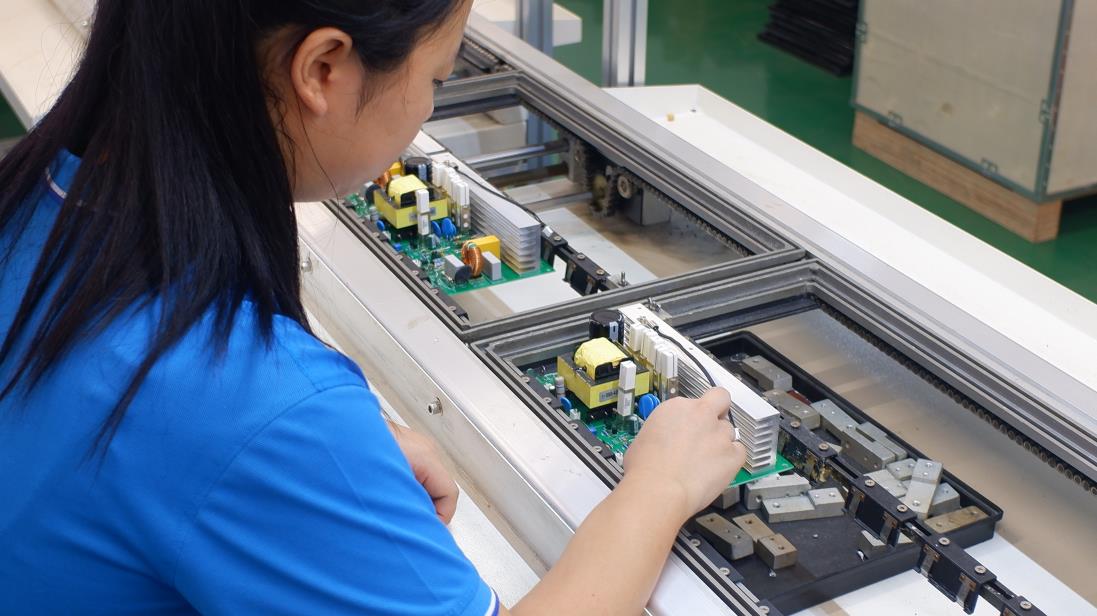
Chinese factories like Shenzhen Yde Power Co., Ltd. benefit from a complete upstream and downstream ecosystem. From lithium carbonate refining to BMS PCB assembly and final system integration, everything happens within a 200km radius.
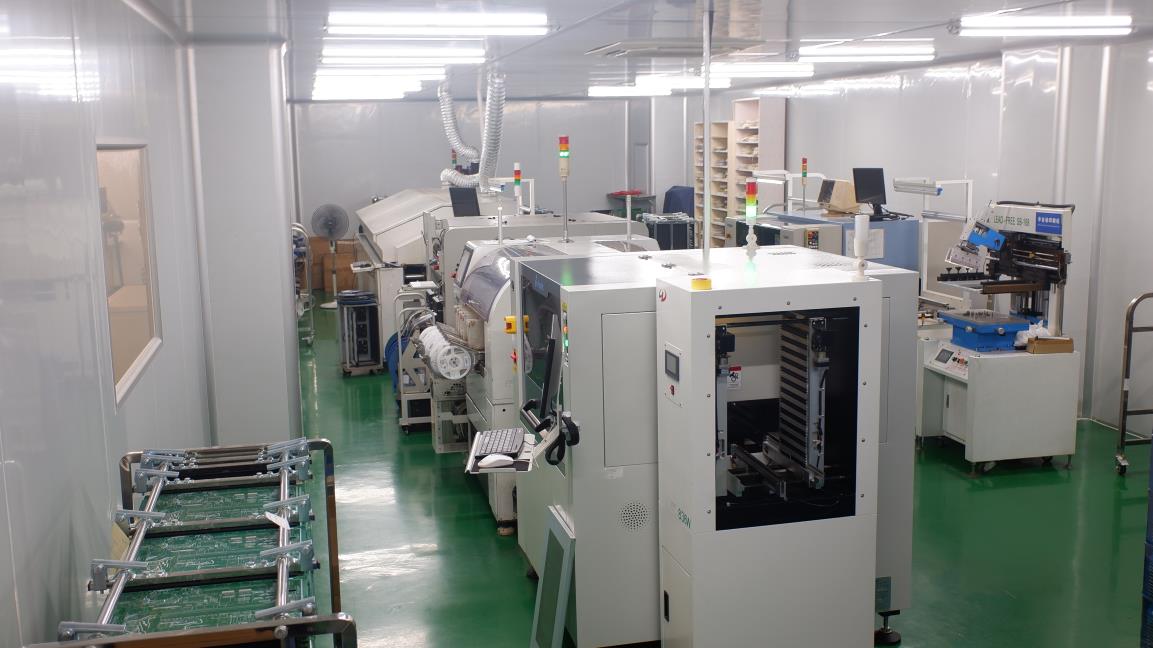
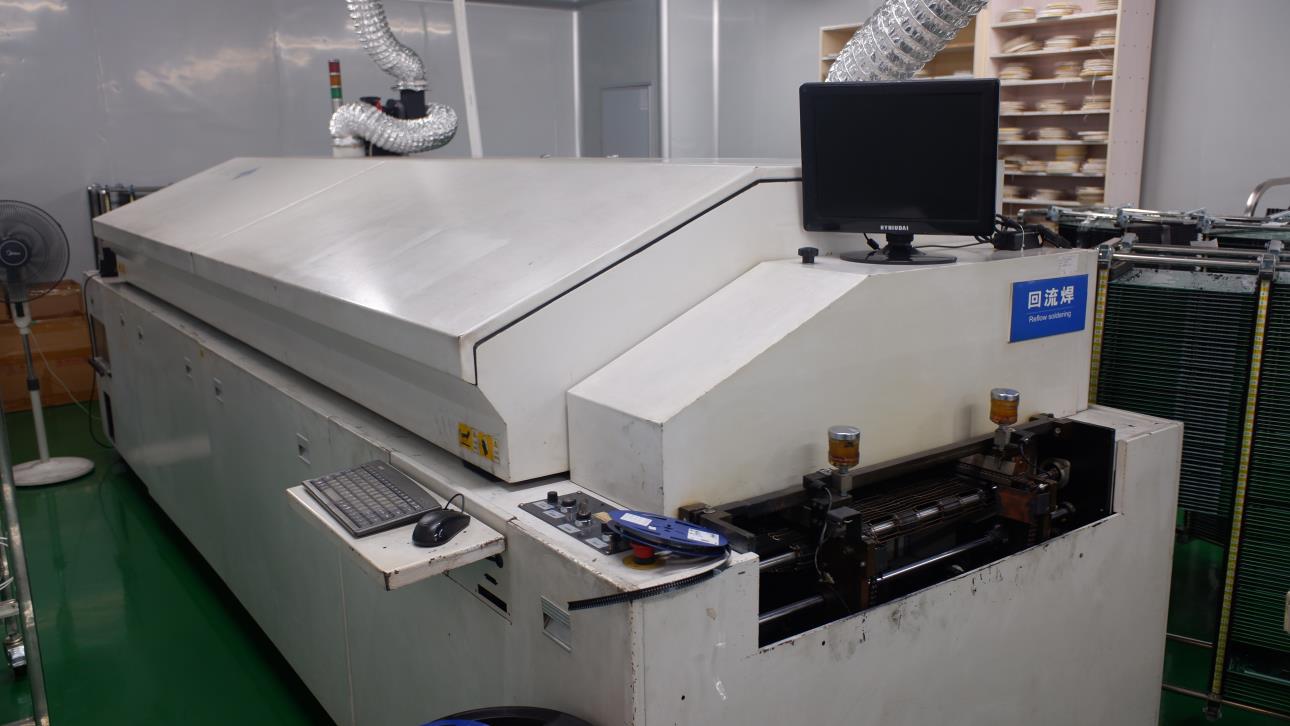
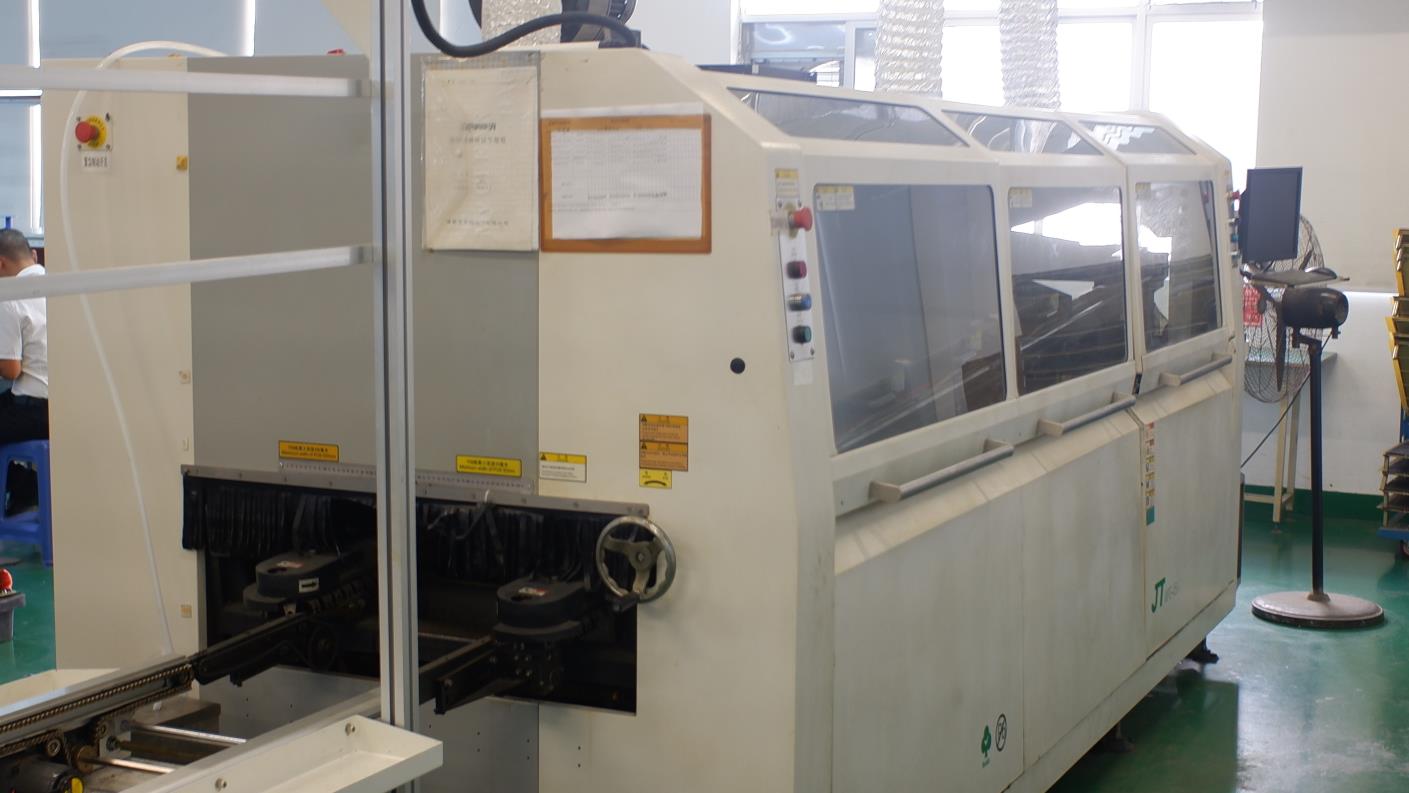
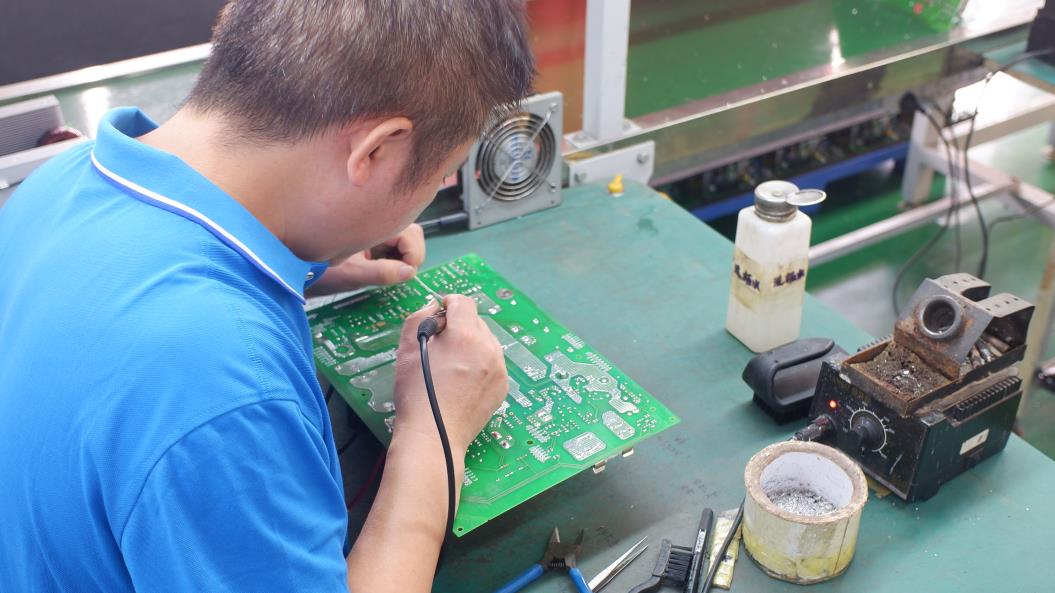
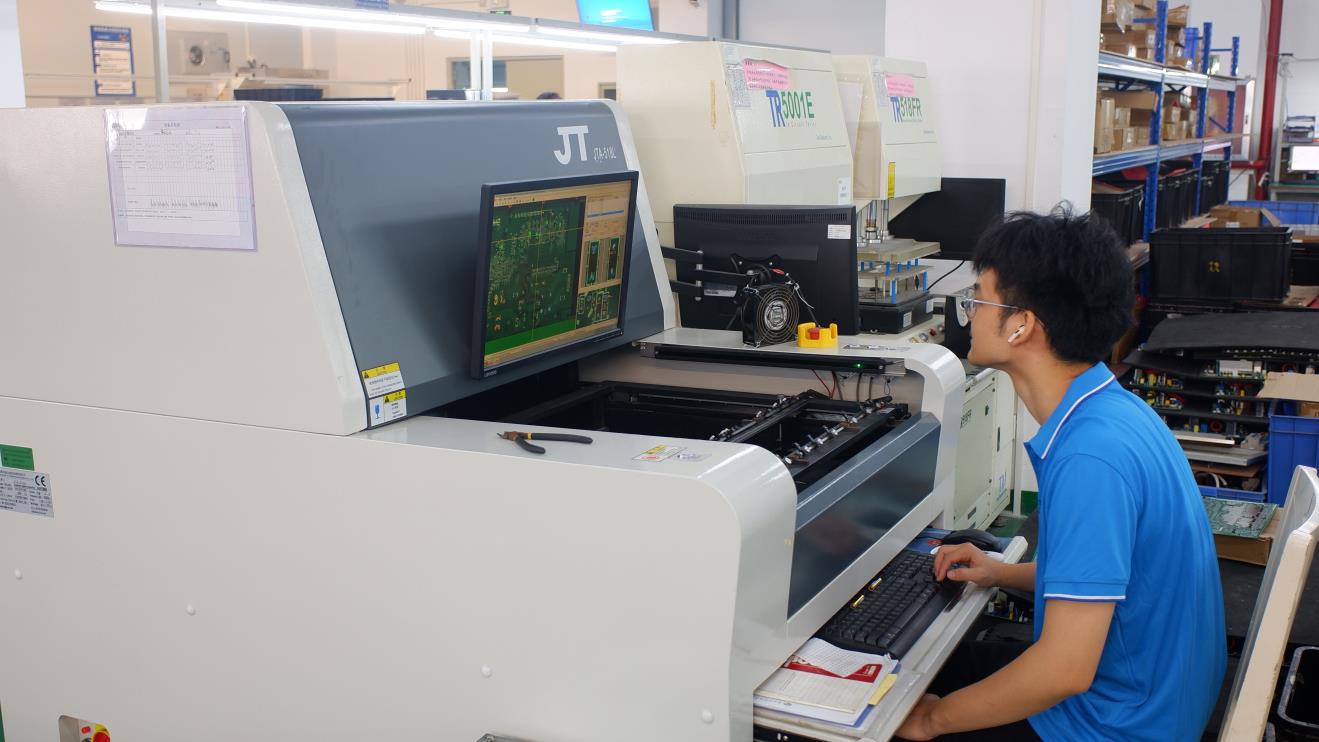
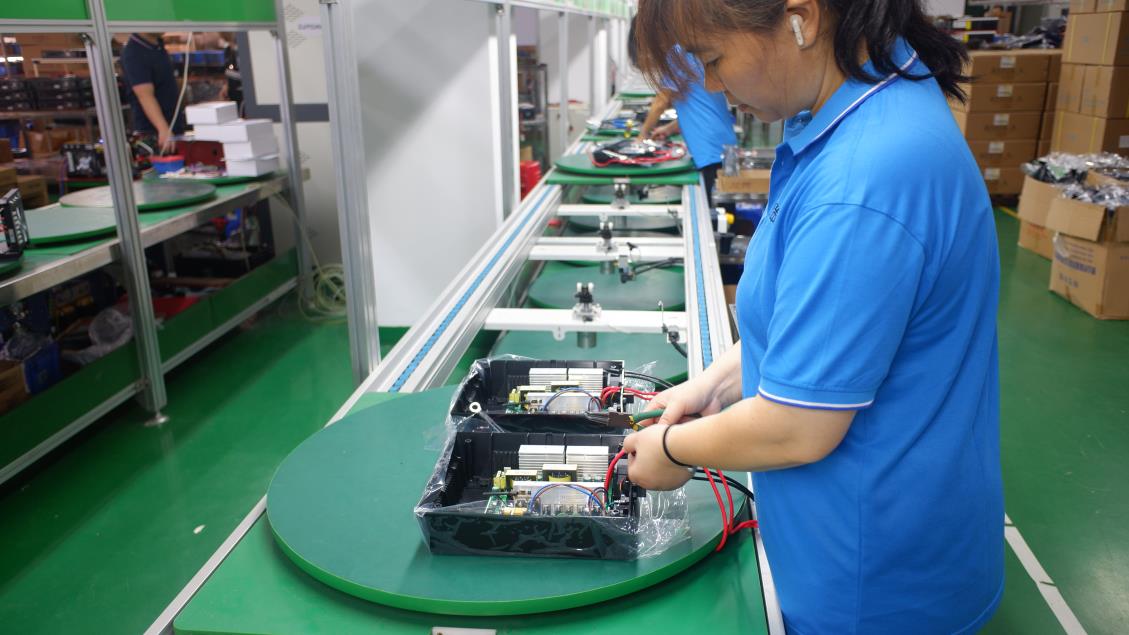
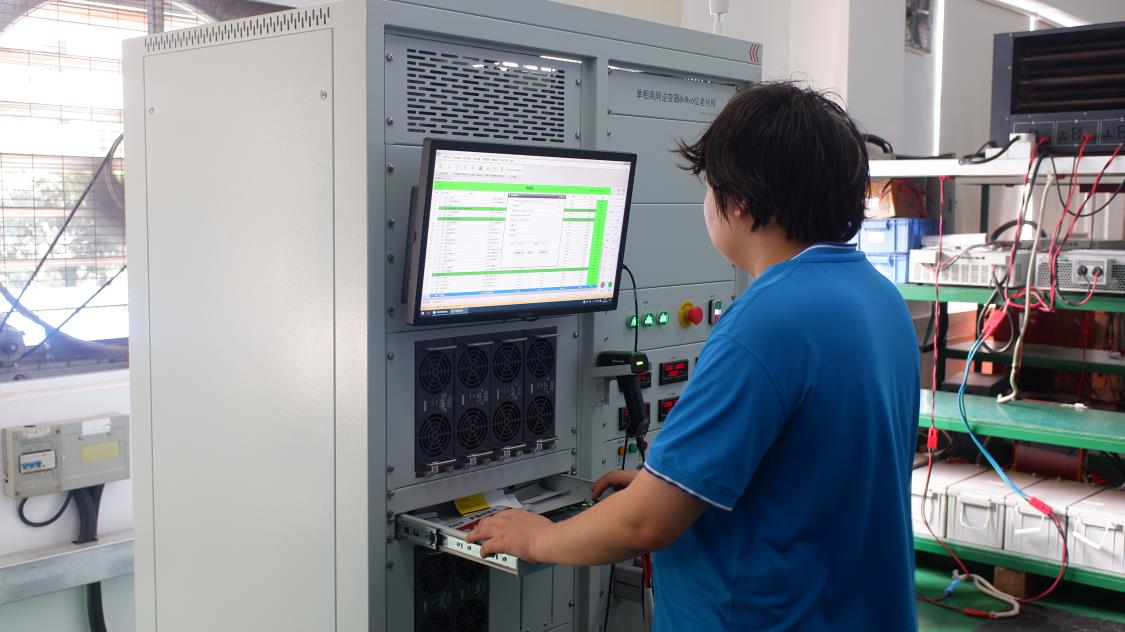
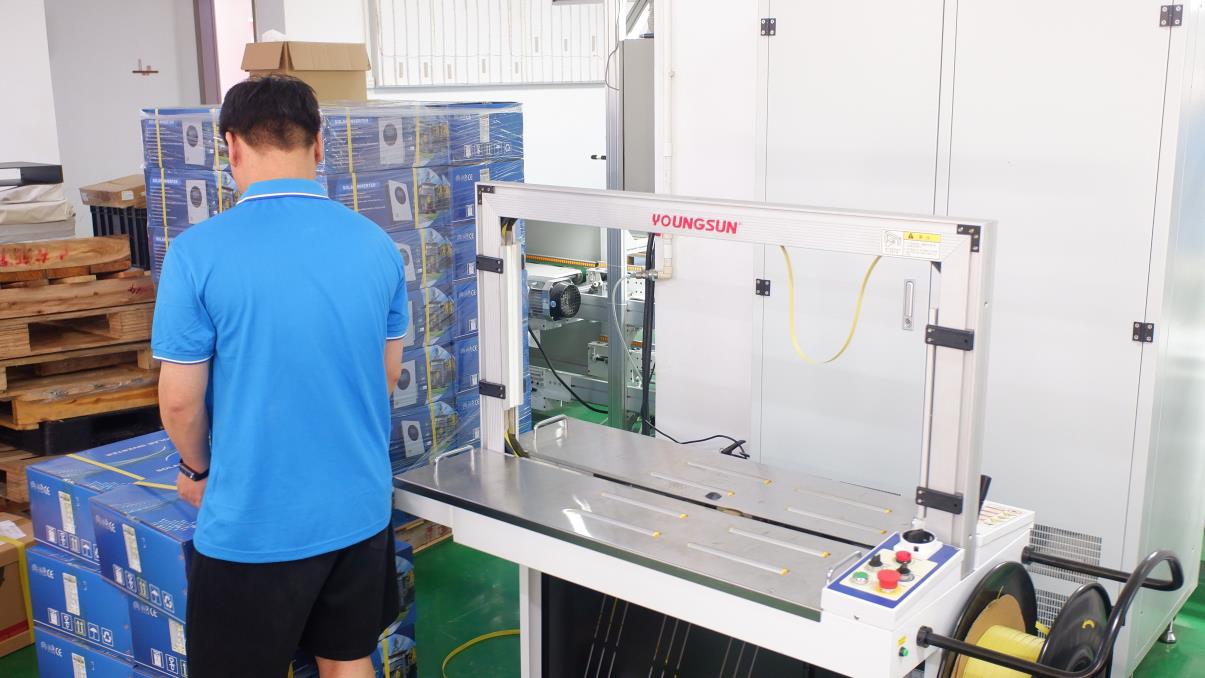
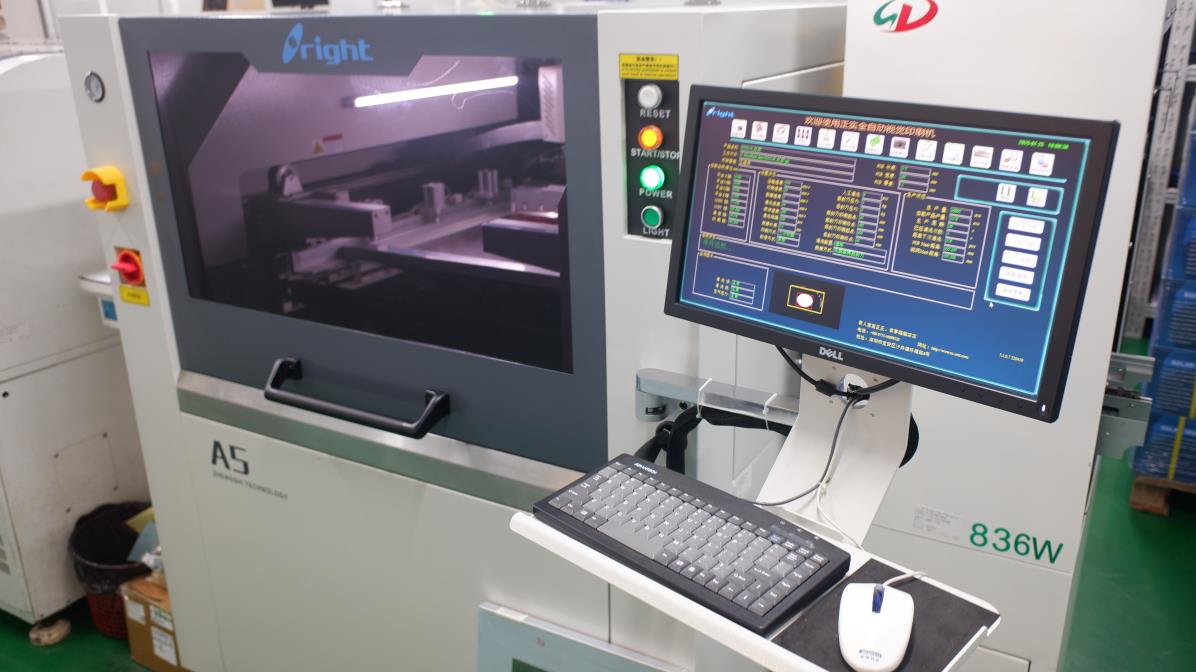
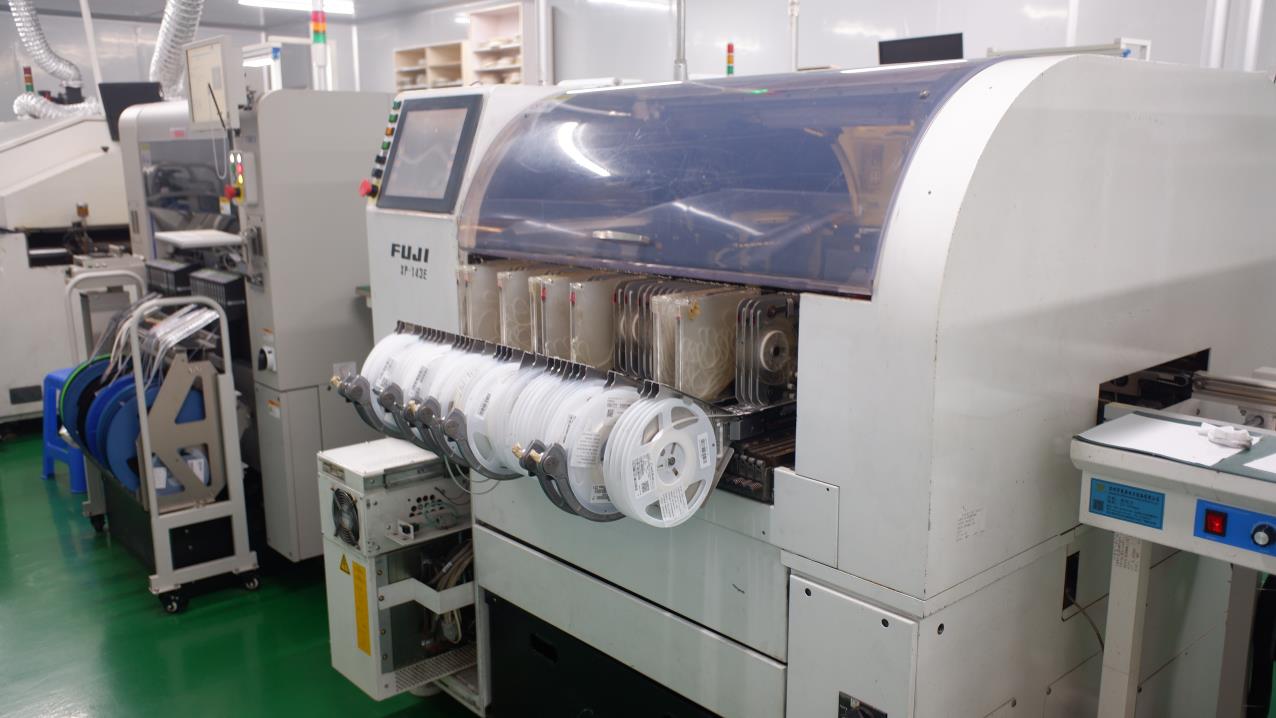
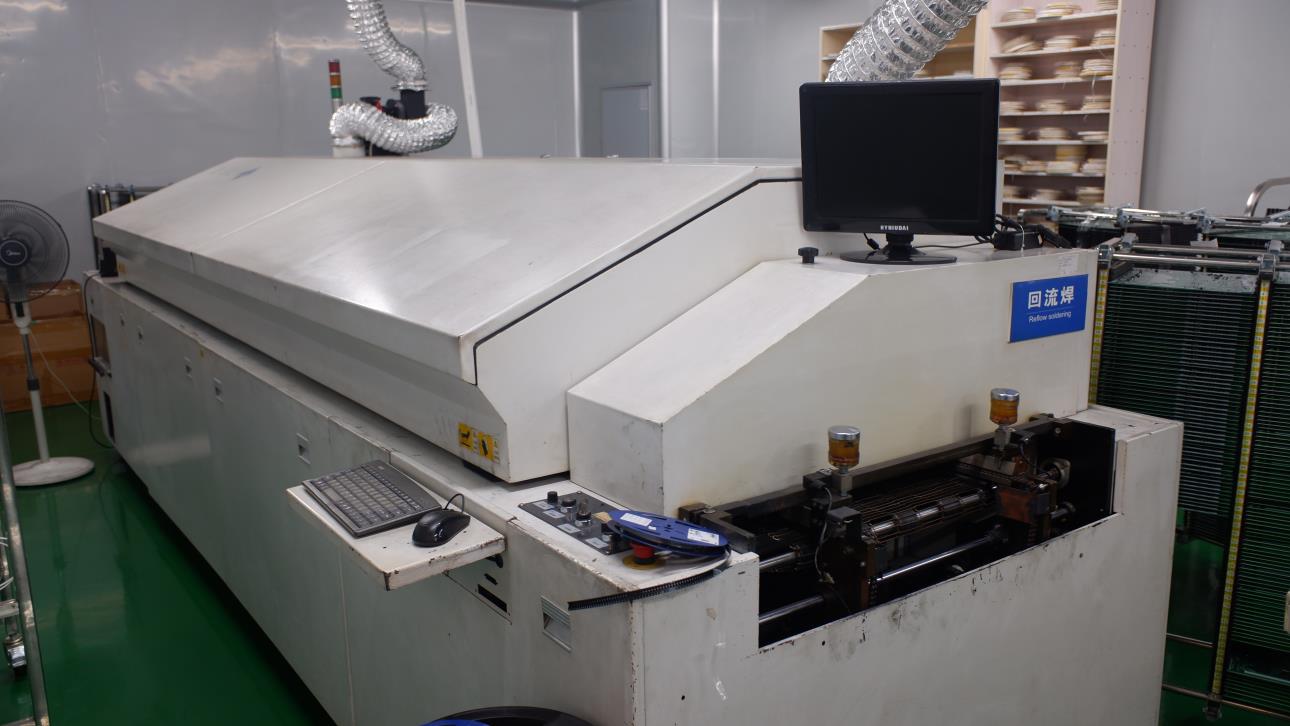
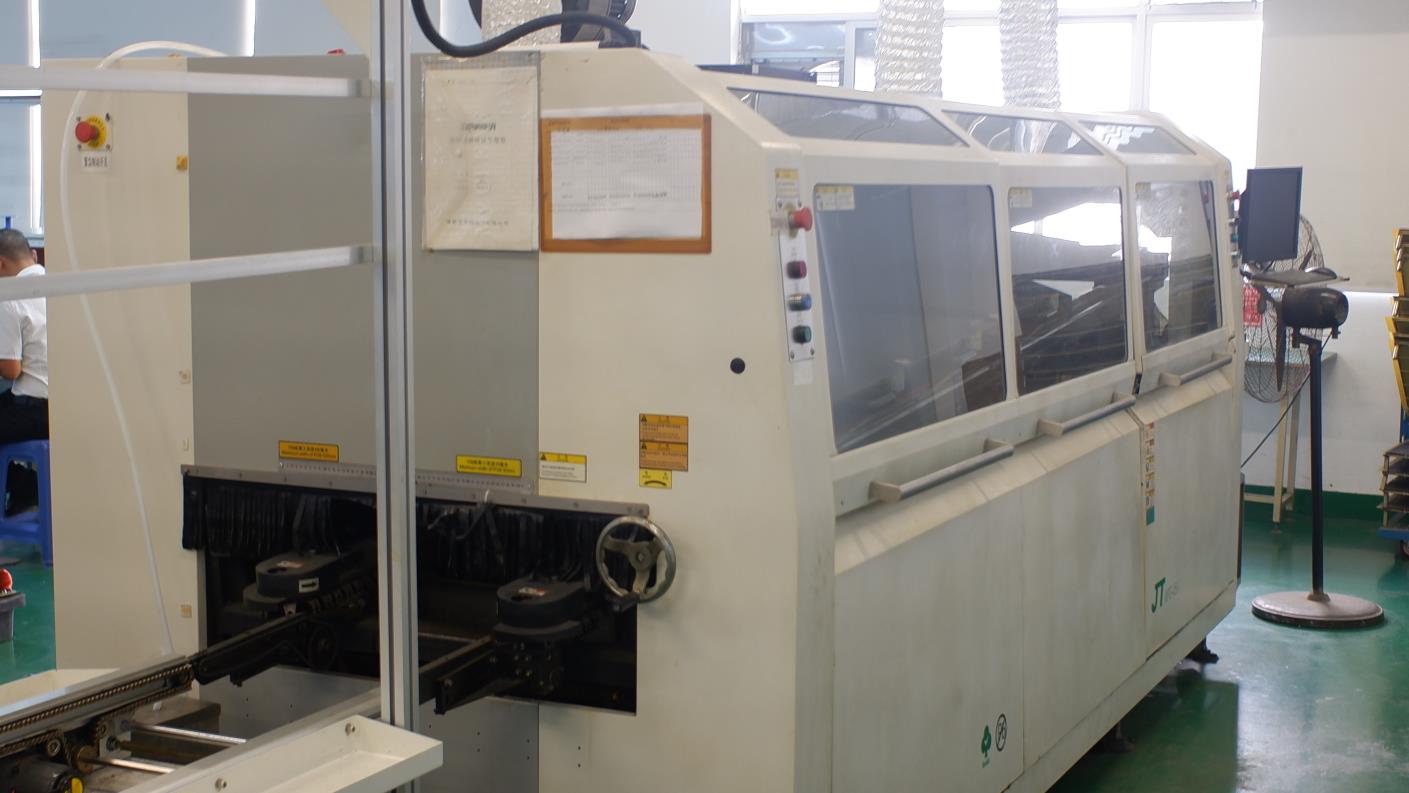
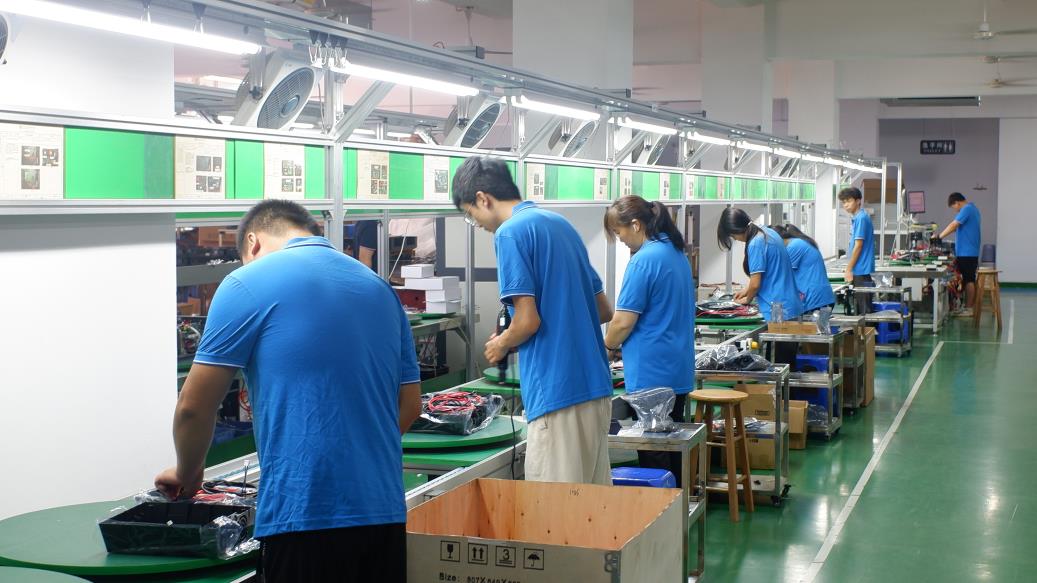
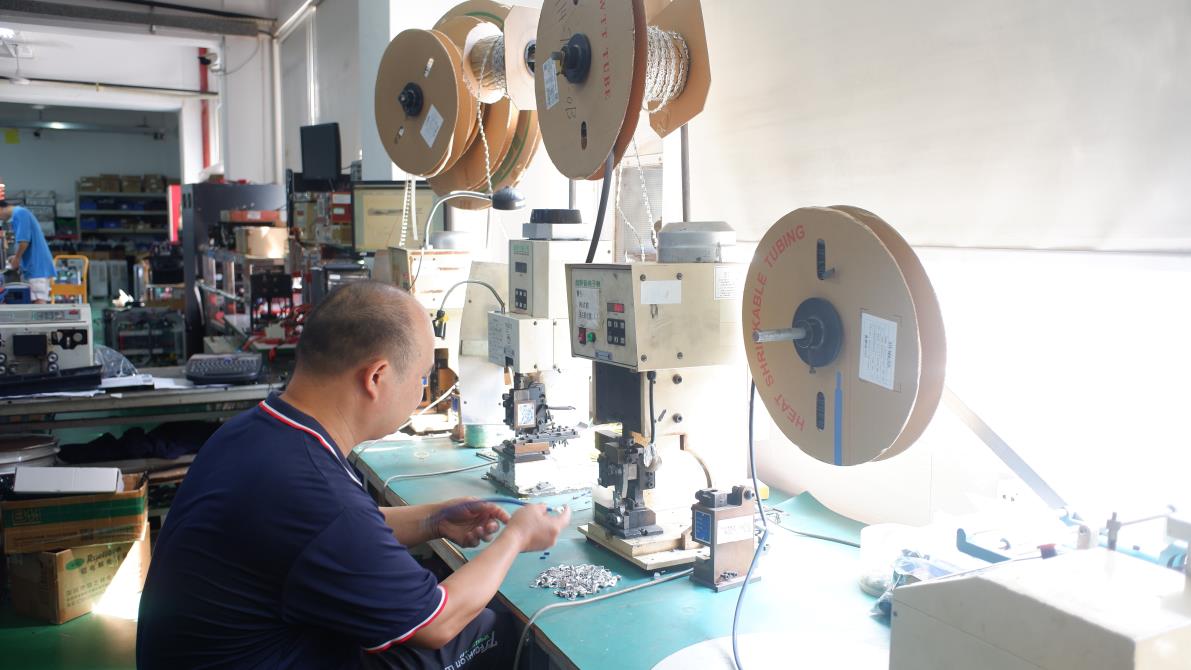
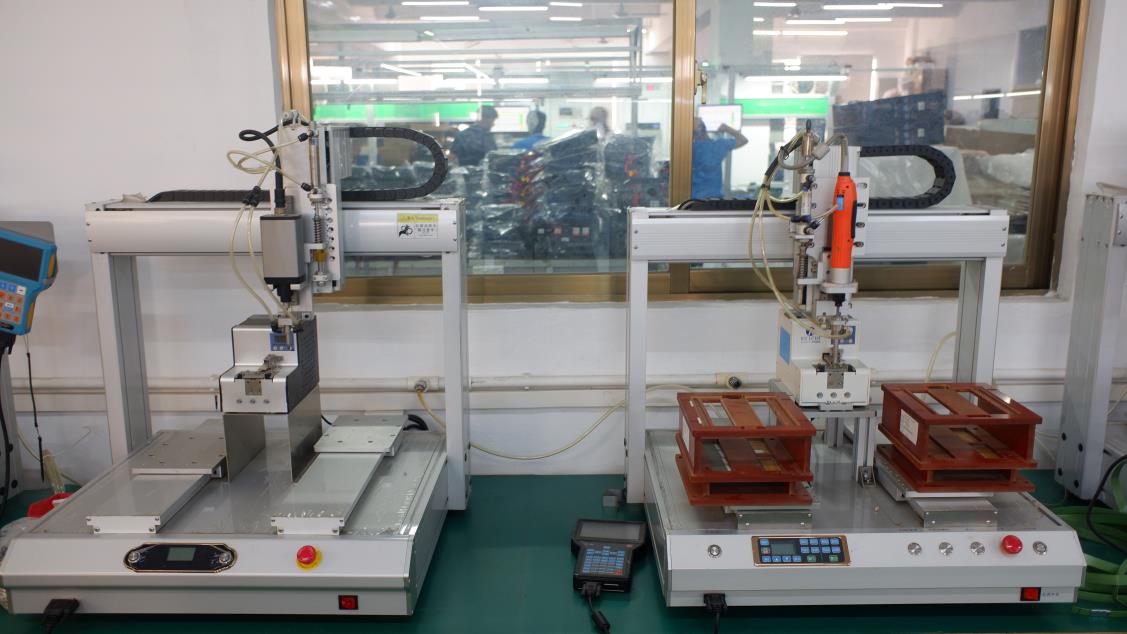
Through advanced automation (SMT, Reflow Welding, and Robotic Assembly), Chinese manufacturers achieve economies of scale that reduce the Levelized Cost of Storage (LCOS) by 30-40% compared to Western counterparts.
The "Shenzhen Speed" allows for rapid R&D cycles. Custom energy storage cabinets for specific industrial needs can move from design to mass production in weeks, not months.
Professional Manufacturer specializing in Residential, Commercial, and Industrial ESS
Shenzhen Yde Power Co., Ltd. is a professional manufacturer specializing in residential, commercial, and industrial energy storage systems (ESS). Headquartered in Shenzhen, China, the company integrates research and development, production, sales, and service to deliver comprehensive clean energy solutions to global markets.
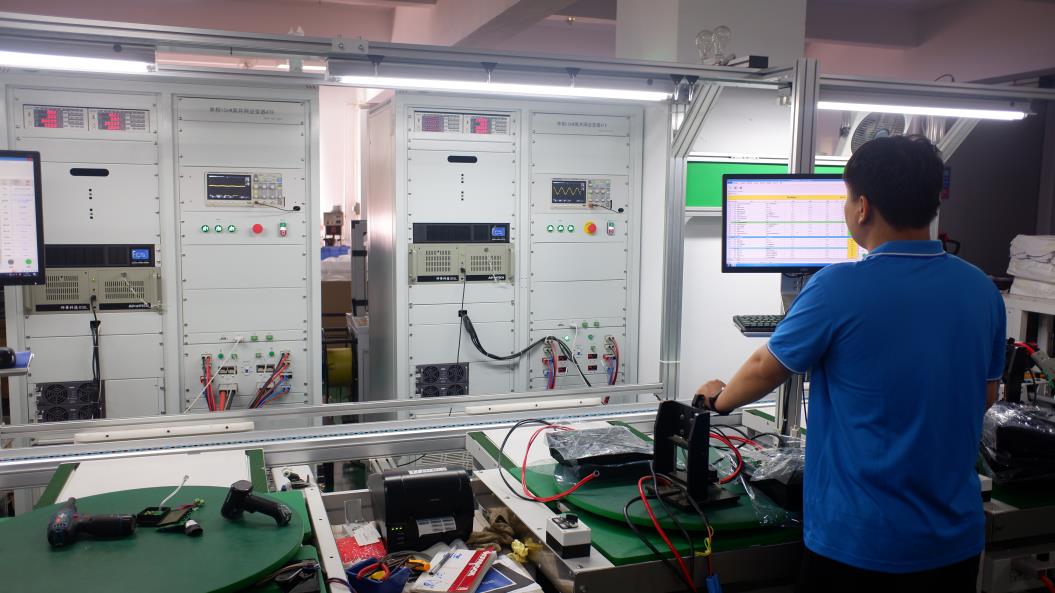
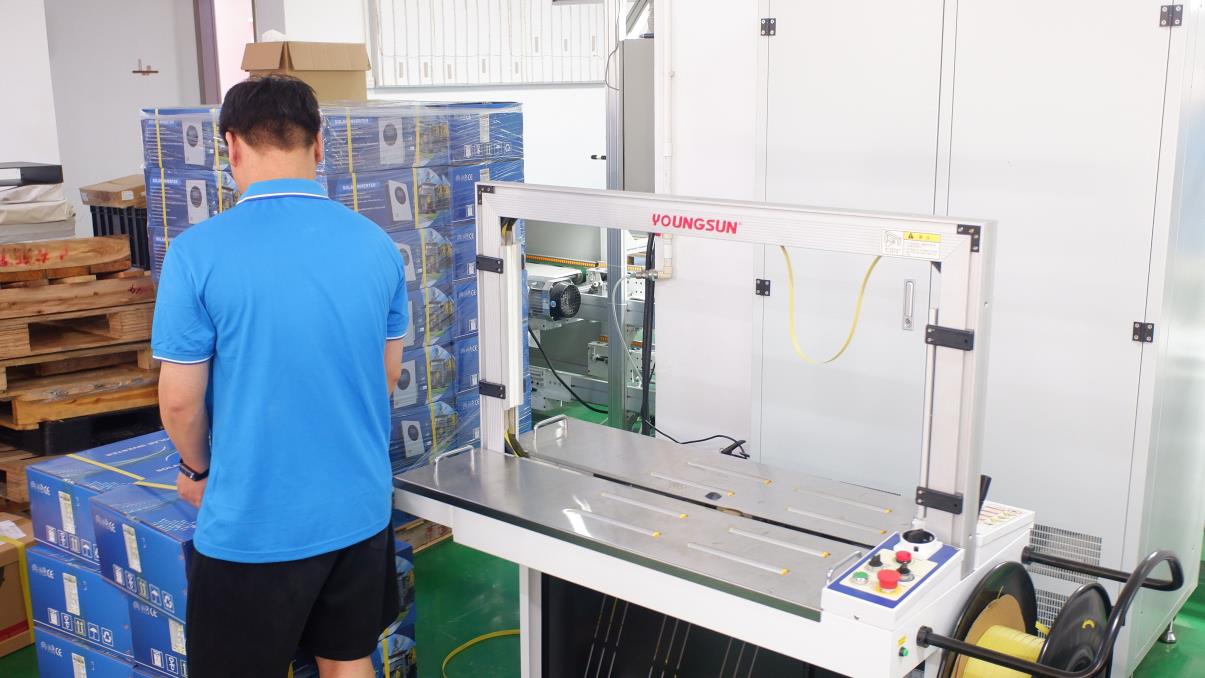
In addition to its headquarters in Shenzhen, Yde Power operates a modern ISO9001-certified manufacturing facility in Jiangxi Province, equipped with advanced automated production lines and stringent quality control systems. The company also maintains a dedicated R&D center in Shenzhen, focusing on continuous innovation in battery management systems (BMS), system integration, and intelligent energy optimization technologies.
Shenzhen Yde Power Co., Ltd. is committed to the development of efficient, safe, and environmentally friendly energy storage solutions. Its product portfolio includes residential battery storage systems, commercial and industrial energy storage cabinets, and scalable utility-grade ESS solutions designed to support grid stability, renewable energy integration, and peak shaving applications.
With the expansion of its Jiangxi manufacturing base, the company has significantly enhanced its production capacity, supply chain efficiency, and product diversity. This enables Yde Power to respond quickly to global customer demands while maintaining high standards of reliability and performance.
Tailored Solutions for Every Energy Demand
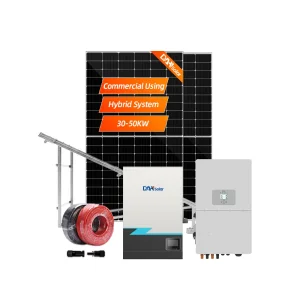
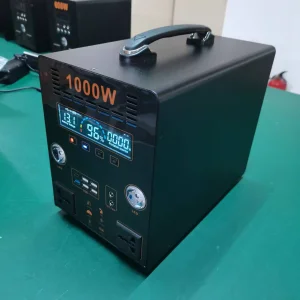
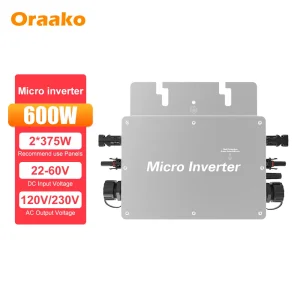
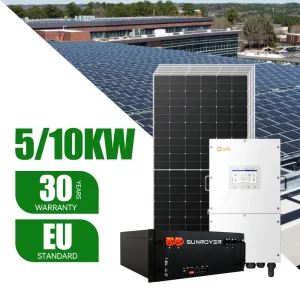
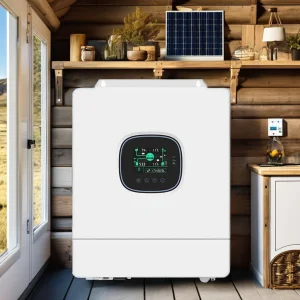
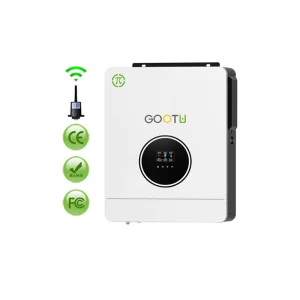
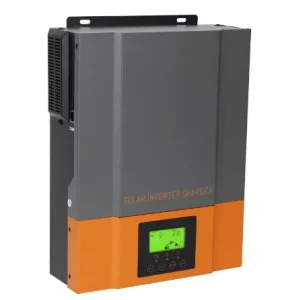
Homeowners in high-tariff regions like Germany and Australia use All-in-One LiFePO4 systems to achieve 80%+ energy self-sufficiency. 5KW-10KW hybrid systems allow for seamless backup during grid outages.
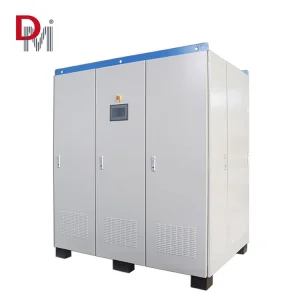
Factories and data centers utilize large-scale energy storage cabinets to discharge during peak price hours, significantly reducing "Demand Charges" on their utility bills.
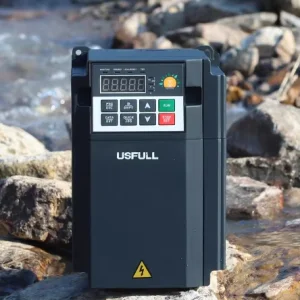
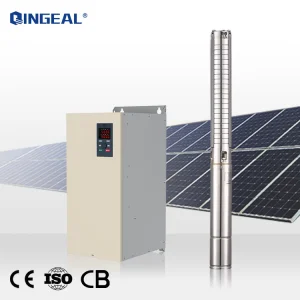
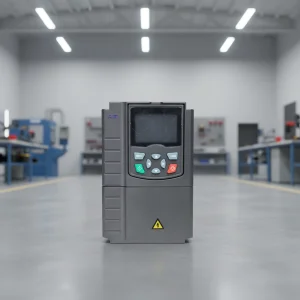
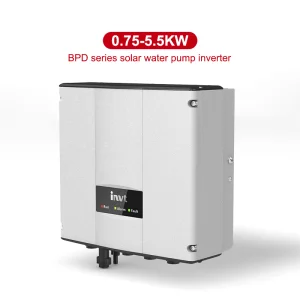
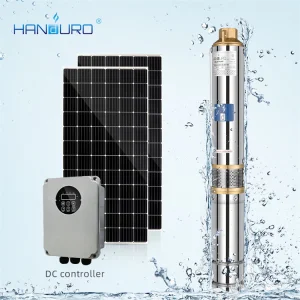
In regions like Southeast Asia and Africa, DC to AC solar pump inverters enable off-grid irrigation, transforming agriculture with sustainable, zero-fuel-cost water management.
What EPCs and Wholesalers Must Consider
Ensure products meet CE (EN62109), UN38.3 (Logistics), and UL1973 (for North America). Without these, insurance and grid connection are impossible.
LiFePO4 (Lithium Iron Phosphate) is the industry standard for stationary storage due to its thermal stability and 10+ year lifespan compared to NMC.
A "10-Year Warranty" is the benchmark. Verify the manufacturer has a clear RMA process and localized technical support capability.
Addressing Common Inquiries in Energy Storage Integration
 Yde Power