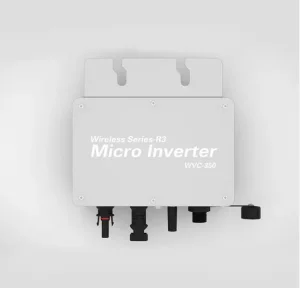
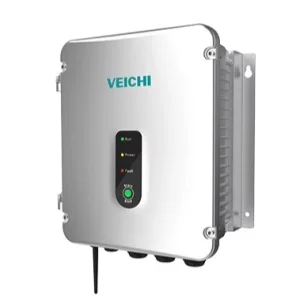
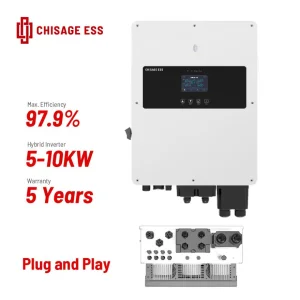
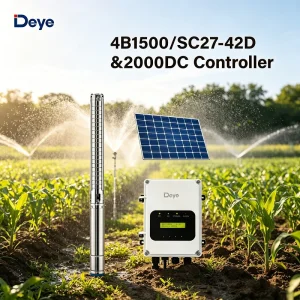
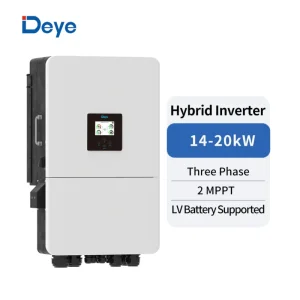
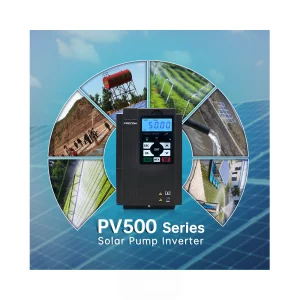
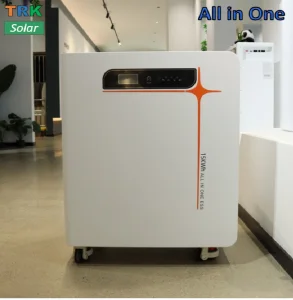
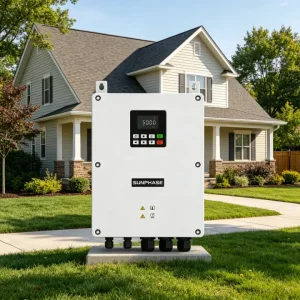
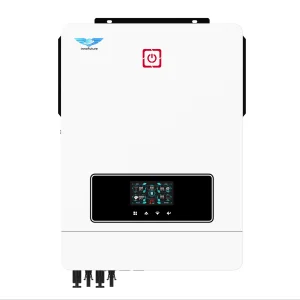
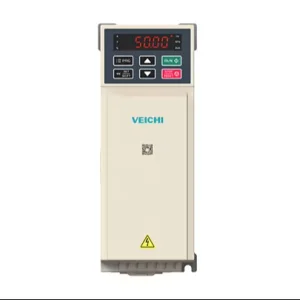
Below is our initial curated selection of high-performance DC to AC conversion topologies, designed to satisfy the rigorous requirements of modern solar water pumping, high-voltage battery storage, commercial microgrids, and residential energy storage systems (ESS). These products represent state-of-the-art developments in grid compliance, efficiency optimization, and thermal endurance.
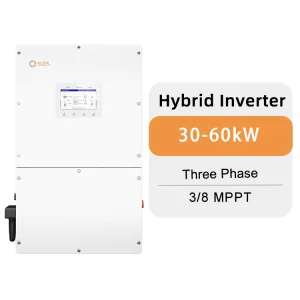
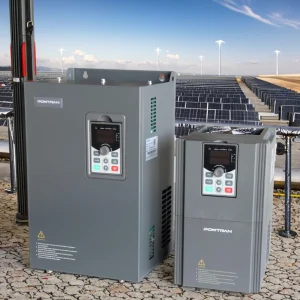
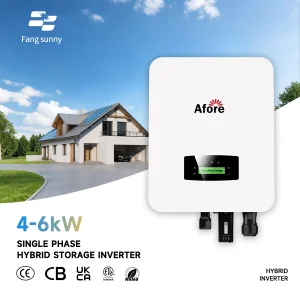
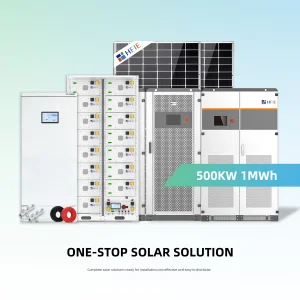
The global power electronics landscape is undergoing an unprecedented technological evolution. The conversion of direct current (DC) generated by photovoltaic arrays, energy storage units, and industrial battery banks into high-quality alternating current (AC) is no longer a matter of simple switching topologies. Today's commercial and industrial landscapes demand high conversion efficiency, grid-interactive capabilities, dynamic thermal management, and flawless reliability under extreme environments.
Historically, the industry relied heavily on silicon (Si) insulated-gate bipolar transistors (IGBTs). However, as search intent and technical demands shift toward higher power density and reduced footprint, Tier-1 factories are rapidly adopting wide-bandgap (WBG) semiconductors, such as Silicon Carbide (SiC) and Gallium Nitride (GaN). These advanced substrates allow for switching frequencies that are orders of magnitude higher than conventional silicon. The result is a dramatic decrease in the size of passive components—specifically inductors and capacitors—leading to lighter, highly compact converters with conversion efficiencies consistently exceeding 98.5%.
Furthermore, modern power grids are shifting from passive distribution networks to active, bidirectional grids. This transition requires DC to AC converters to act as smart nodes. Advanced software stacks integrating Artificial Intelligence (AI) and Machine Learning (ML) are now deployed within the converter's Microcontroller Units (MCUs) to perform real-time Maximum Power Point Tracking (MPPT), predictive thermal maintenance, and dynamic grid-forming actions. These features allow converters to actively stabilize grid voltage and frequency, ensuring smooth transition states during peak demand periods or sudden drops in supply.
Shenzhen Yde Power Co., Ltd. is a professional manufacturer specializing in residential, commercial, and industrial energy storage systems (ESS). Headquartered in Shenzhen, China, the company integrates research and development, production, sales, and service to deliver comprehensive clean energy solutions to global markets.
In addition to its headquarters in Shenzhen, Yde Power operates a modern ISO9001-certified manufacturing facility in Jiangxi Province, equipped with advanced automated production lines and stringent quality control systems. The company also maintains a dedicated R&D center in Shenzhen, focusing on continuous innovation in battery management systems (BMS), system integration, and intelligent energy optimization technologies.
Shenzhen Yde Power Co., Ltd. is committed to the development of efficient, safe, and environmentally friendly energy storage solutions. Its product portfolio includes residential battery storage systems, commercial and industrial energy storage cabinets, and scalable utility-grade ESS solutions designed to support grid stability, renewable energy integration, and peak shaving applications.
With the expansion of its Jiangxi manufacturing base, the company has significantly enhanced its production capacity, supply chain efficiency, and product diversity. This enables Yde Power to respond quickly to global customer demands while maintaining high standards of reliability and performance. Driven by innovation and sustainability, Shenzhen Yde Power Co., Ltd. continuously invests in new technologies, intelligent manufacturing processes, and international quality certifications. The company aims to become a trusted global partner in the energy storage industry, contributing to a cleaner and more sustainable energy future.
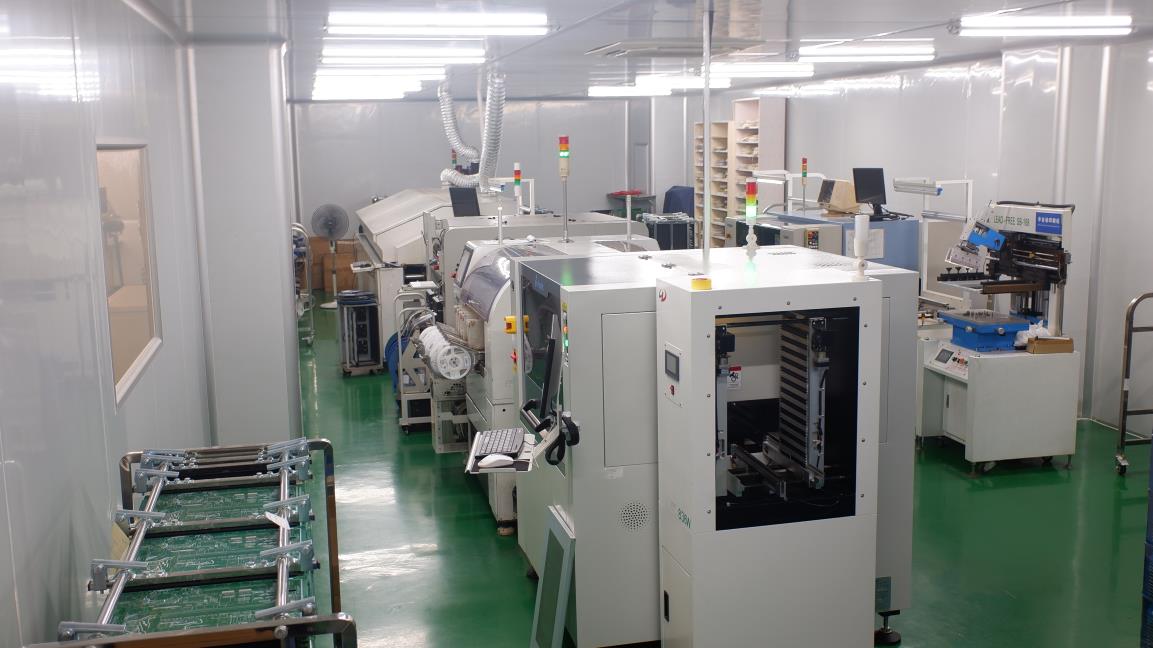
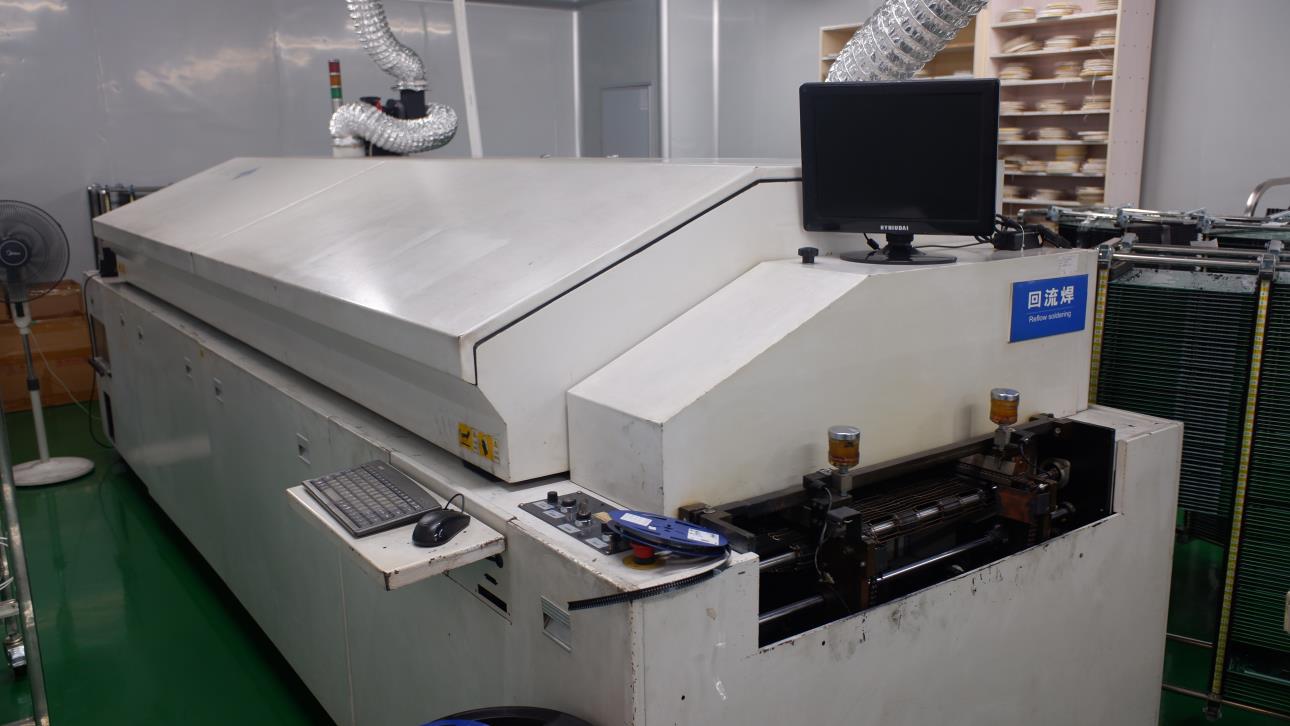
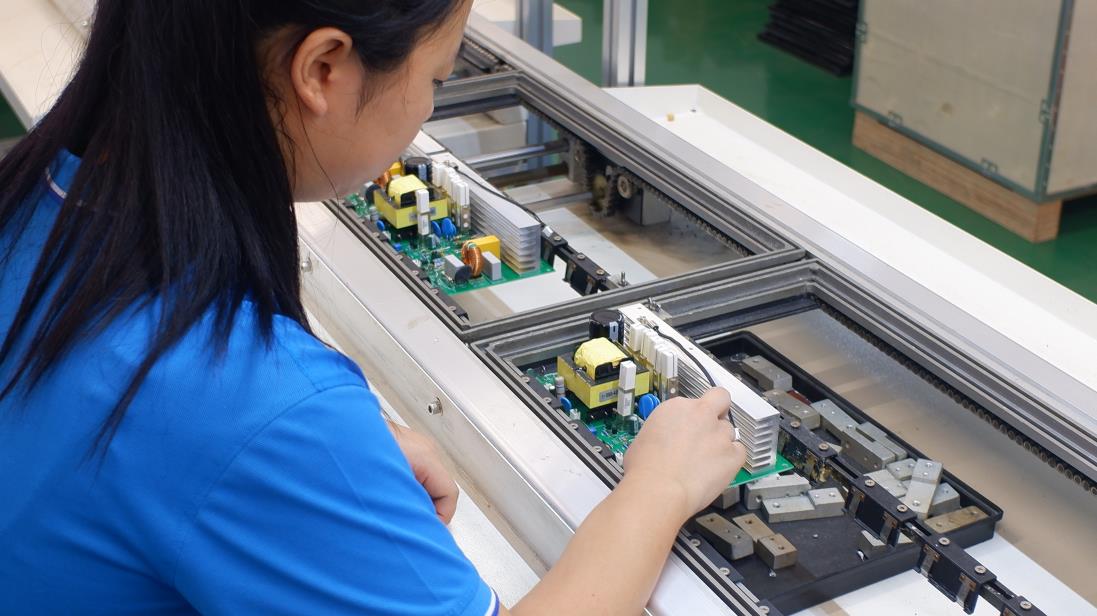
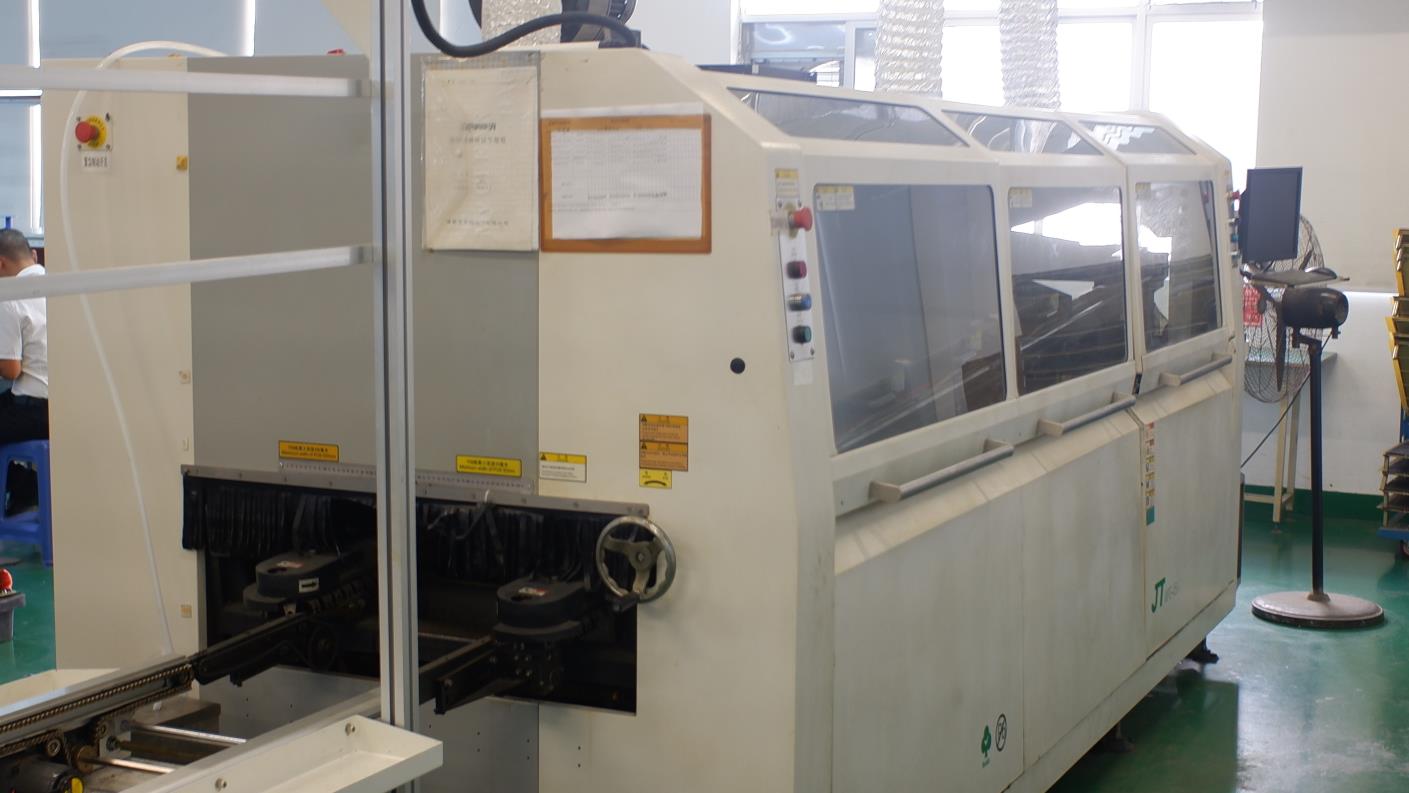
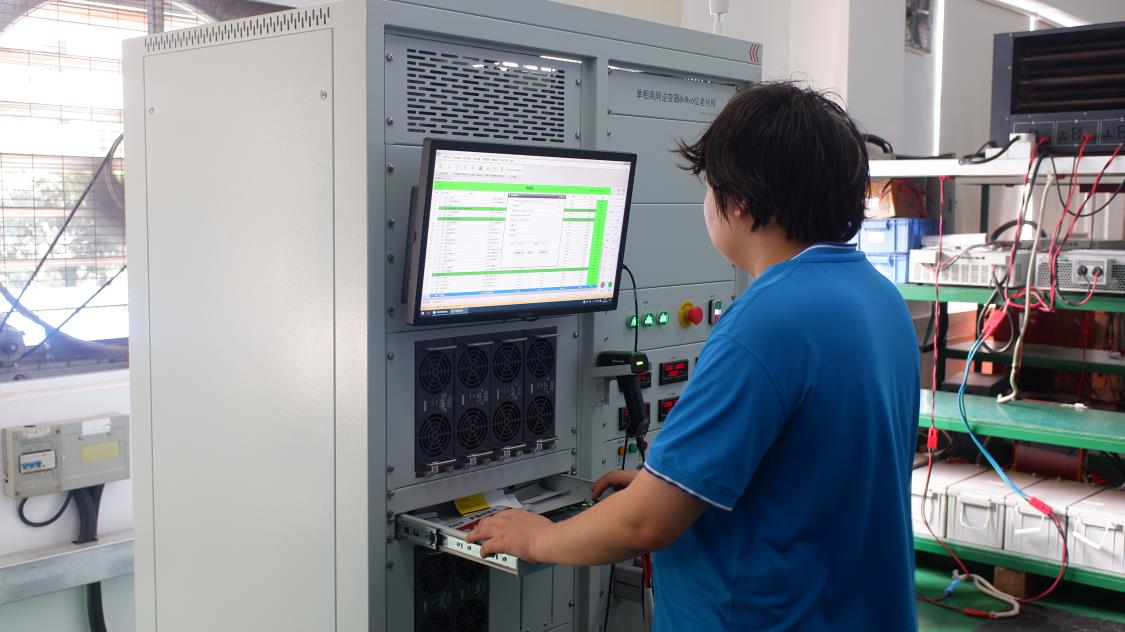
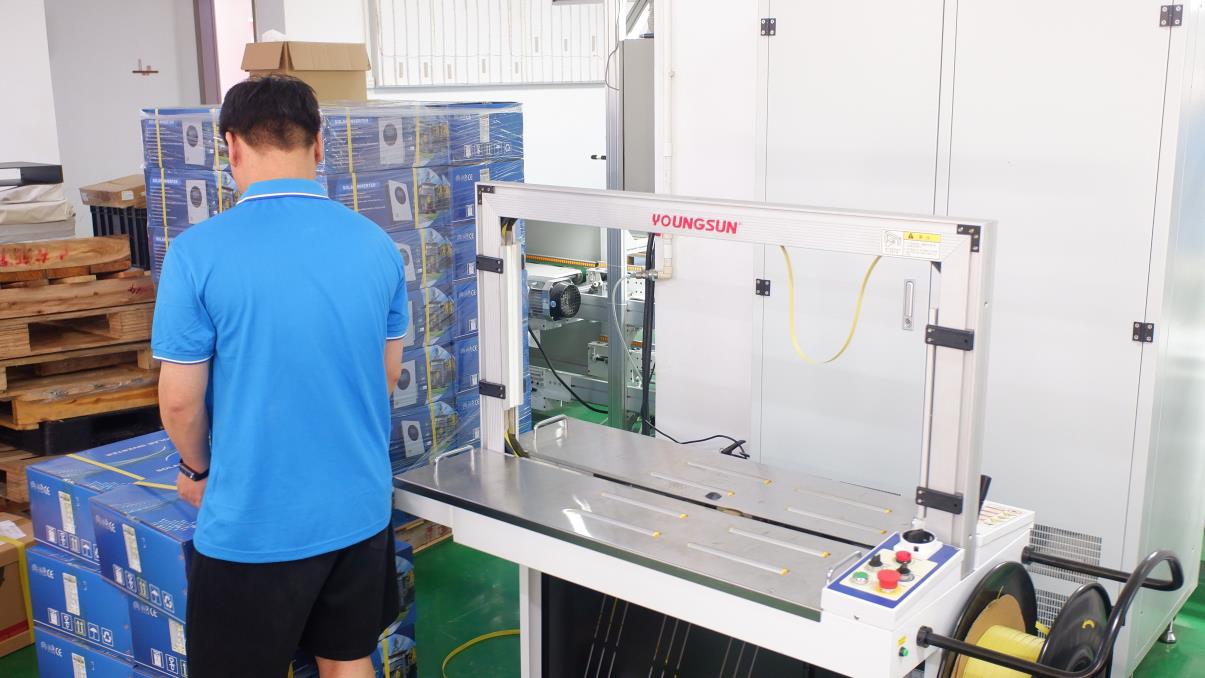
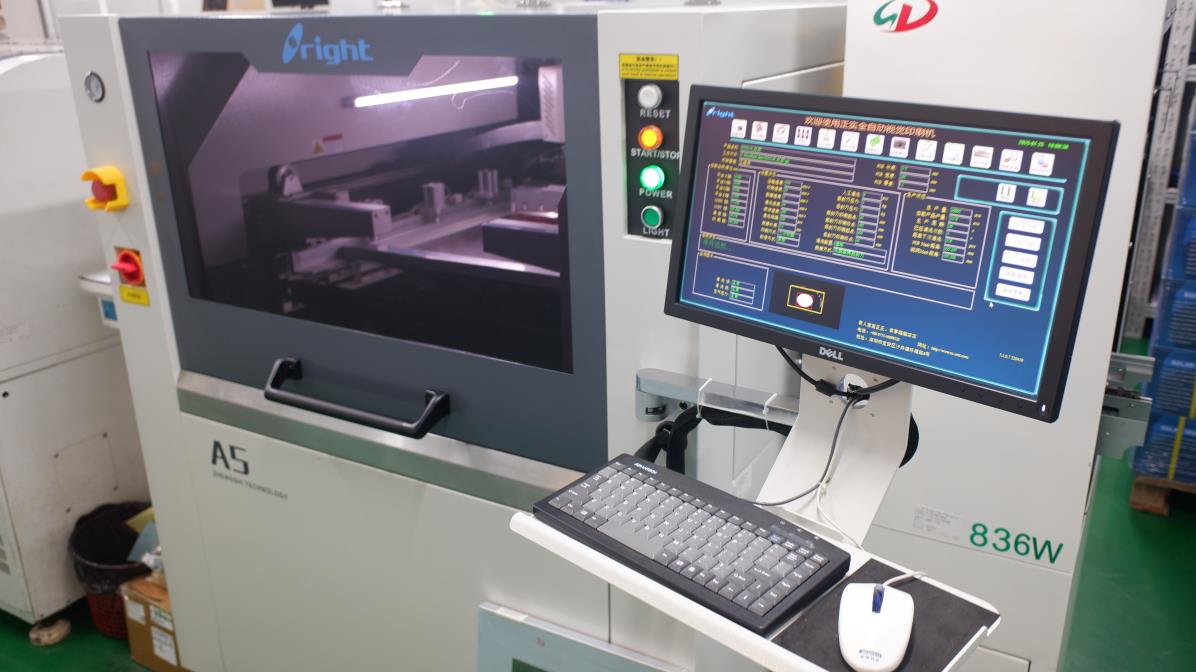
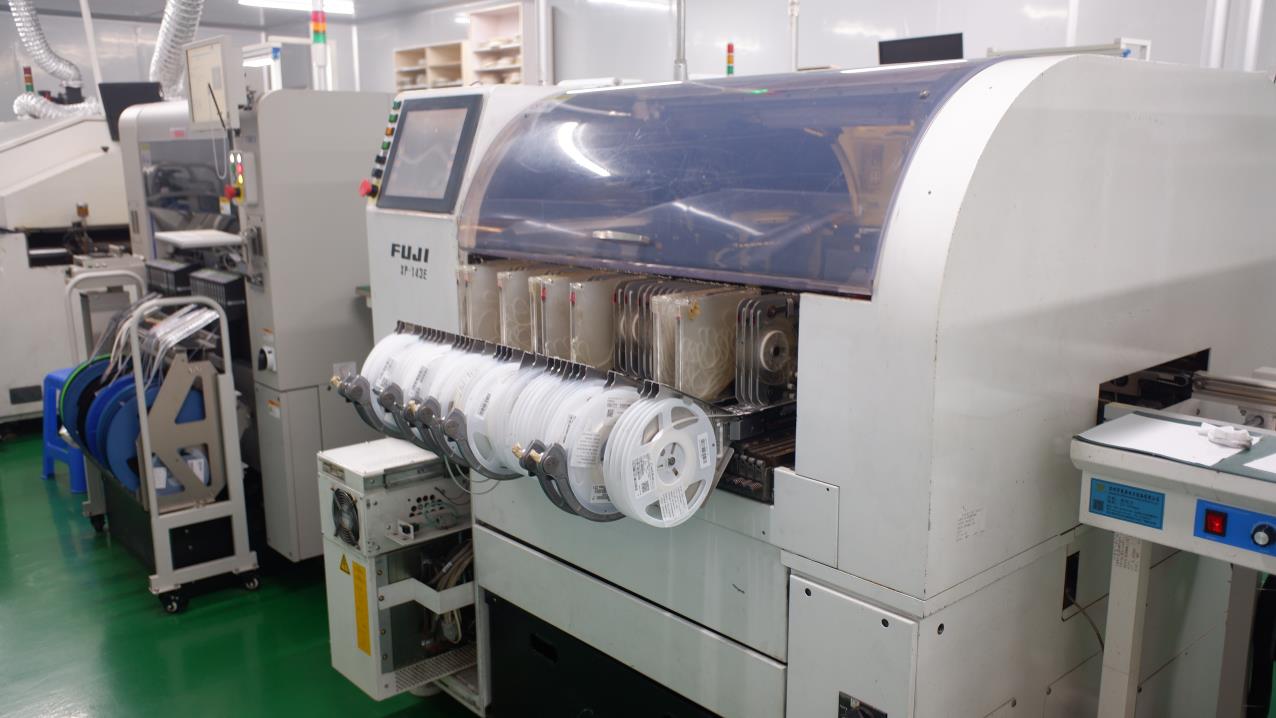
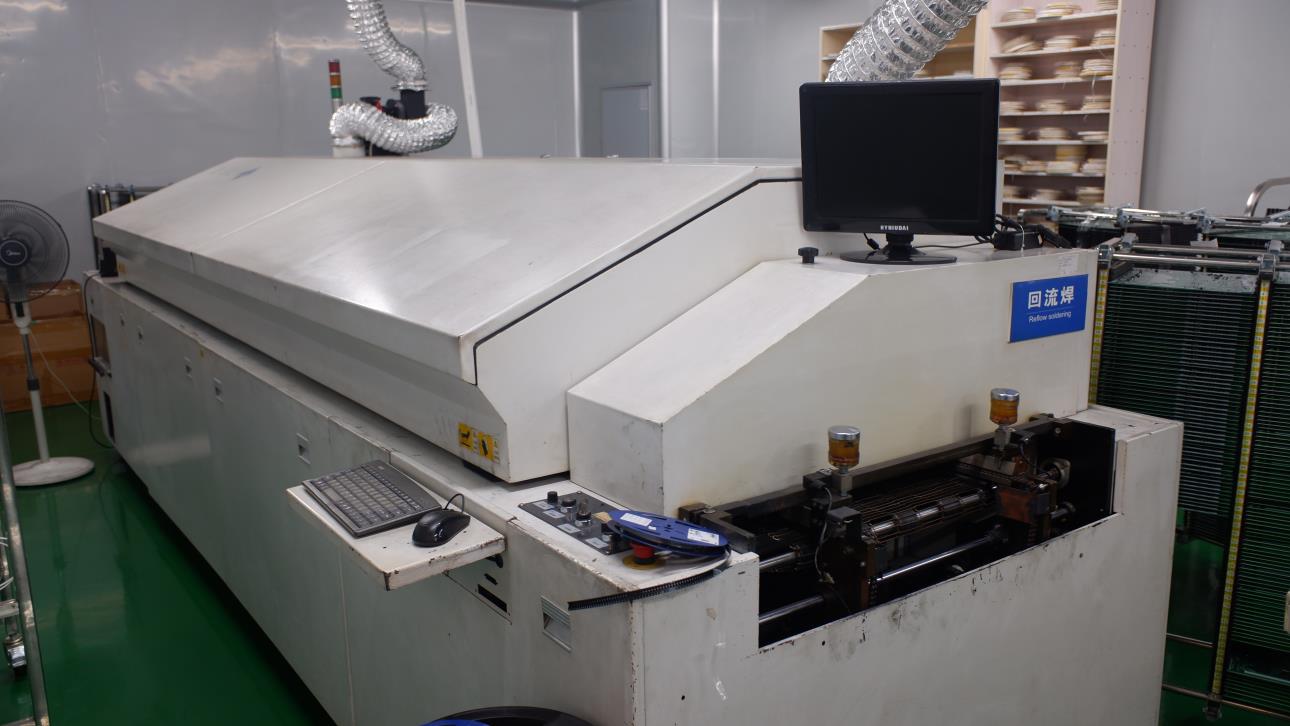
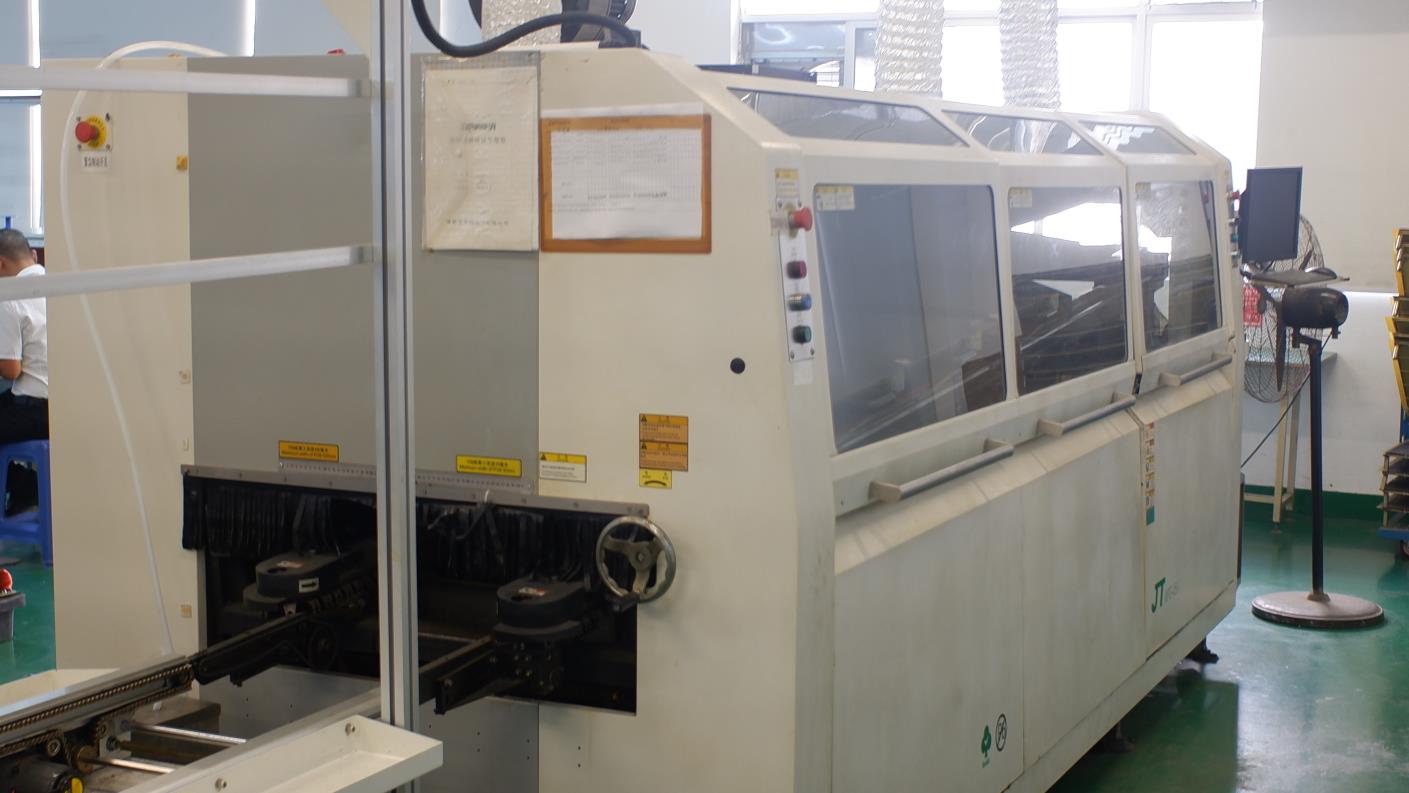
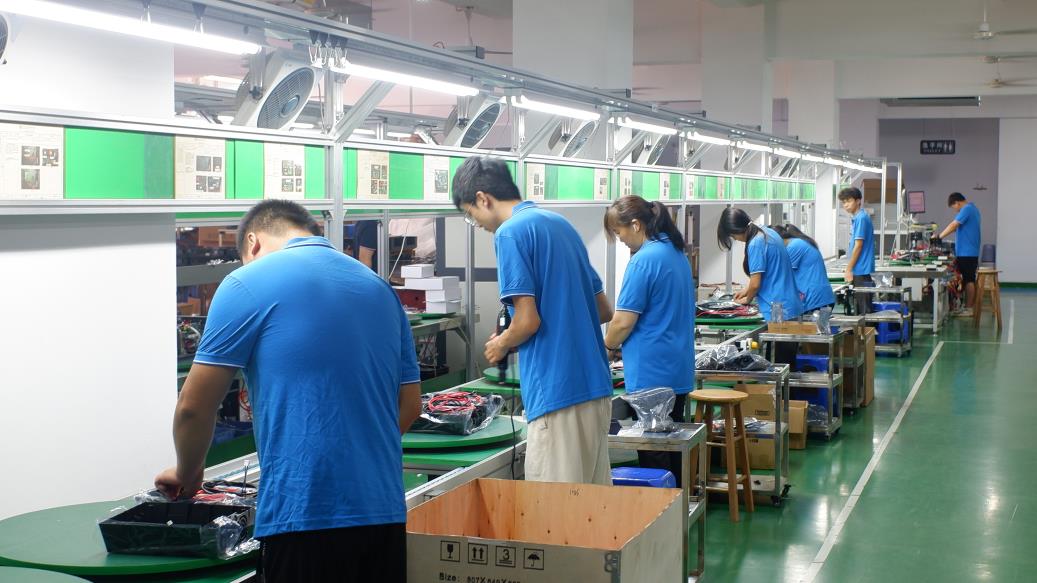
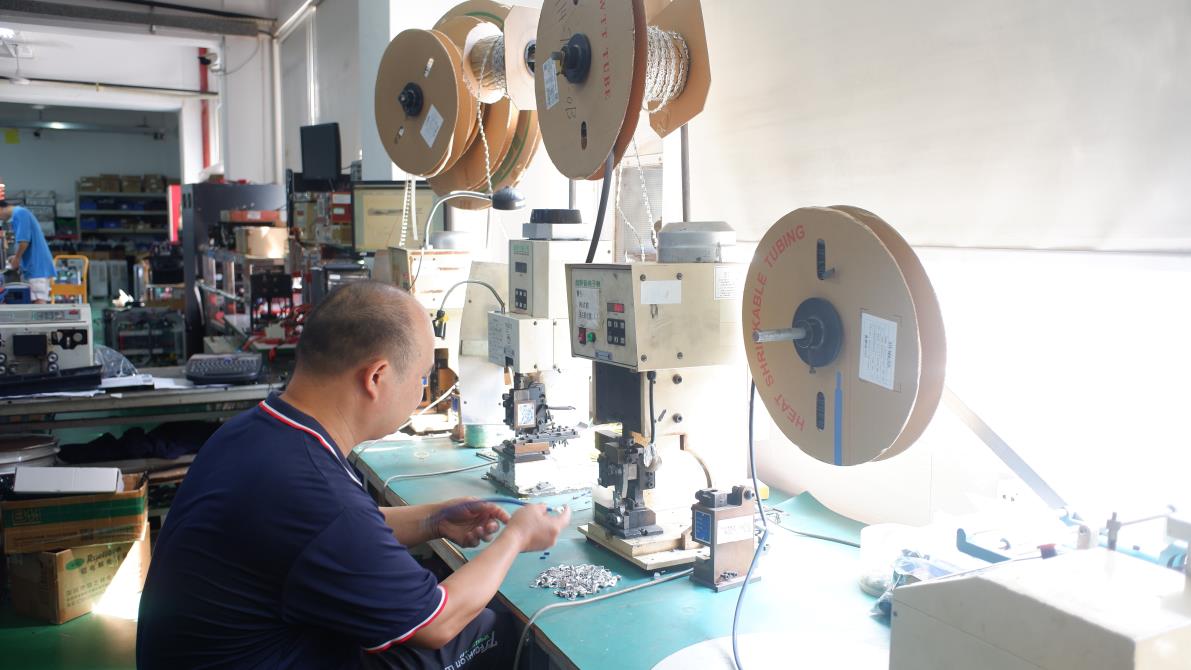
In the high-power electronics industry, reliability is quantified by Mean Time Between Failures (MTBF). True authority is established not by marketing claims, but by rigorous quality validation across every production phase. Shenzhen Yde Power's vertical integration—from Surface Mount Technology (SMT) and wave soldering to long-duration chamber thermal stress testing—demonstrates the manufacturing transparency needed to protect utility-scale capital investments.
An inside look at our state-of-the-art production workflow. Every stage, from initial solder paste application to final loaded aging testing, is carefully monitored under ISO 9001:2015 protocols.
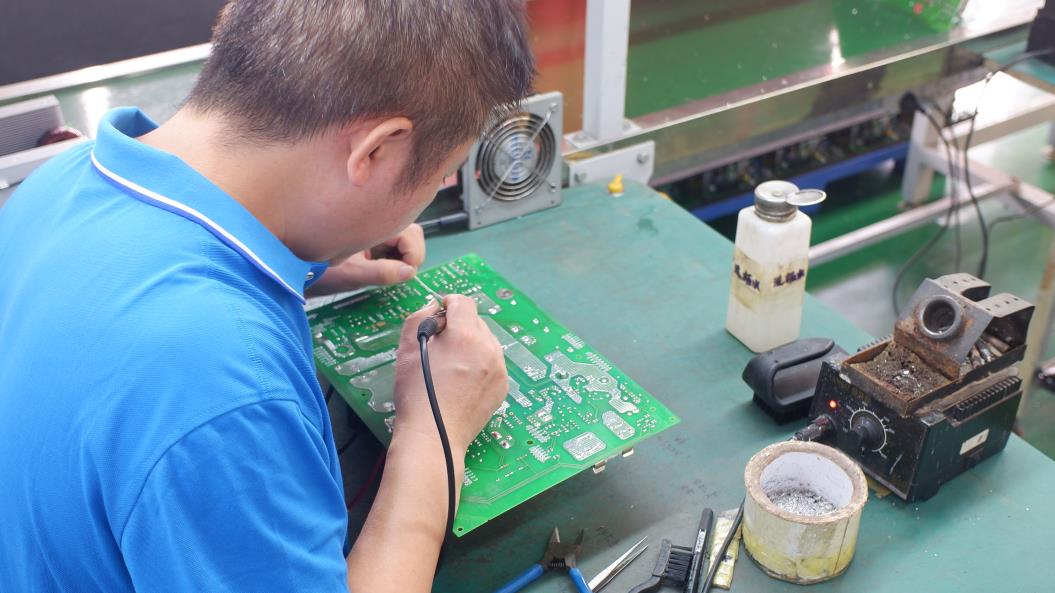
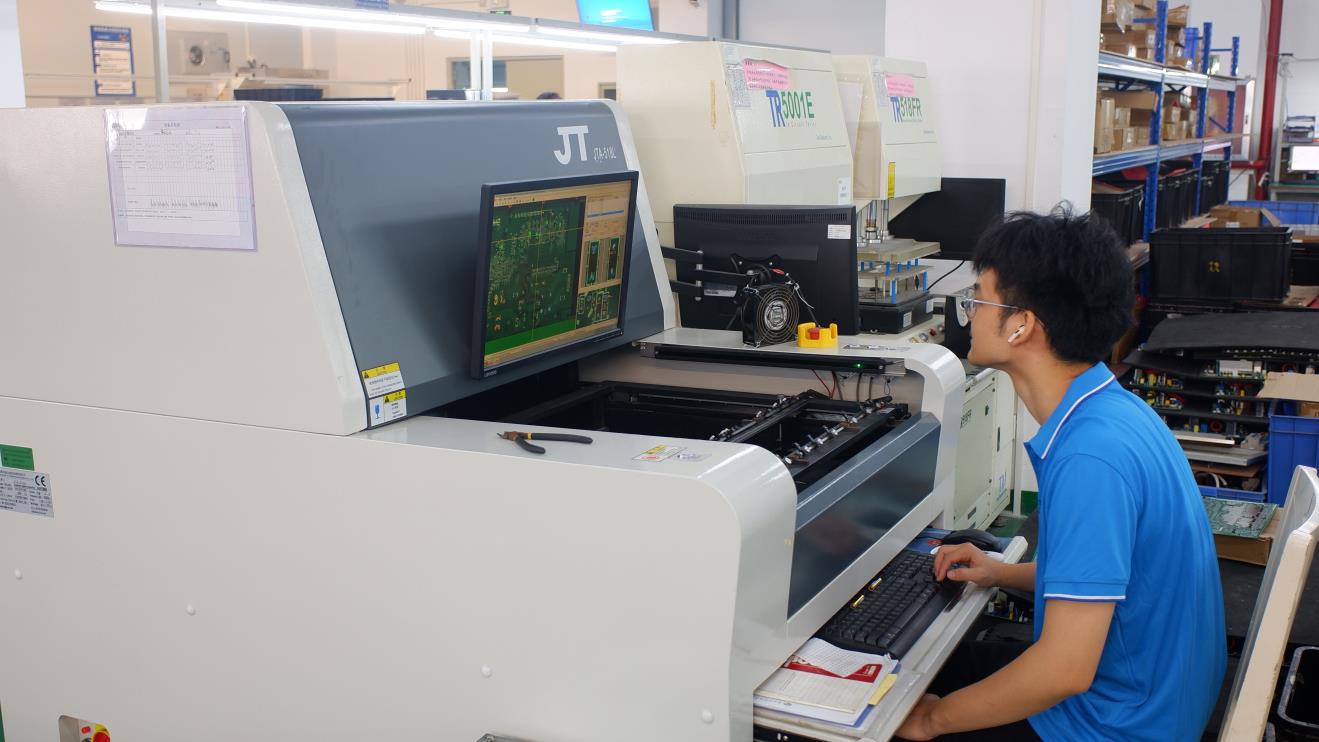
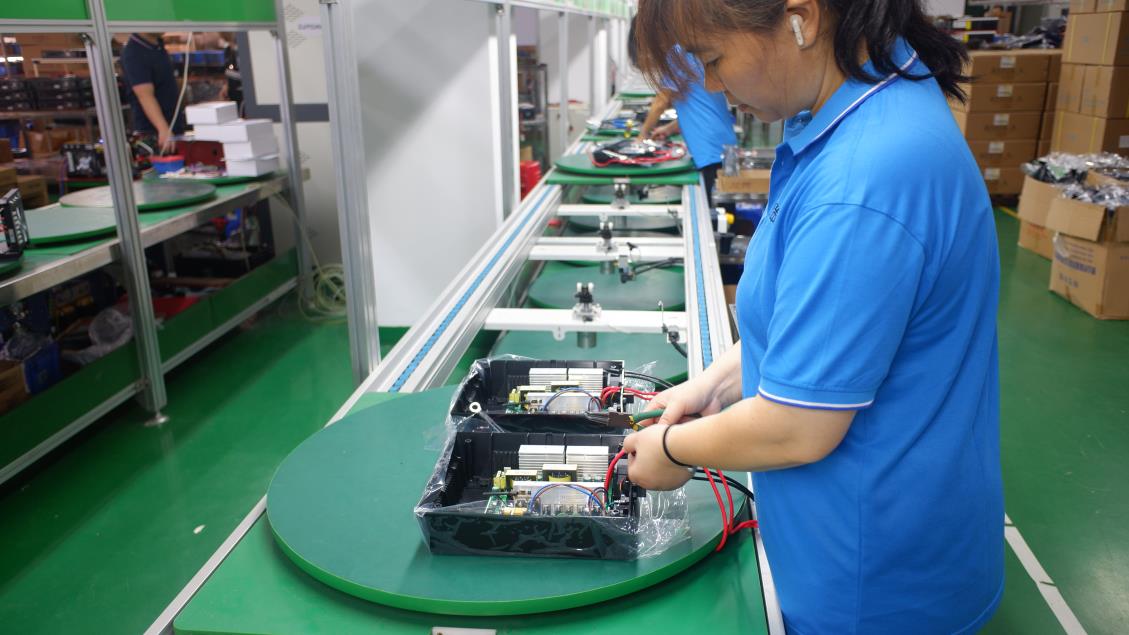
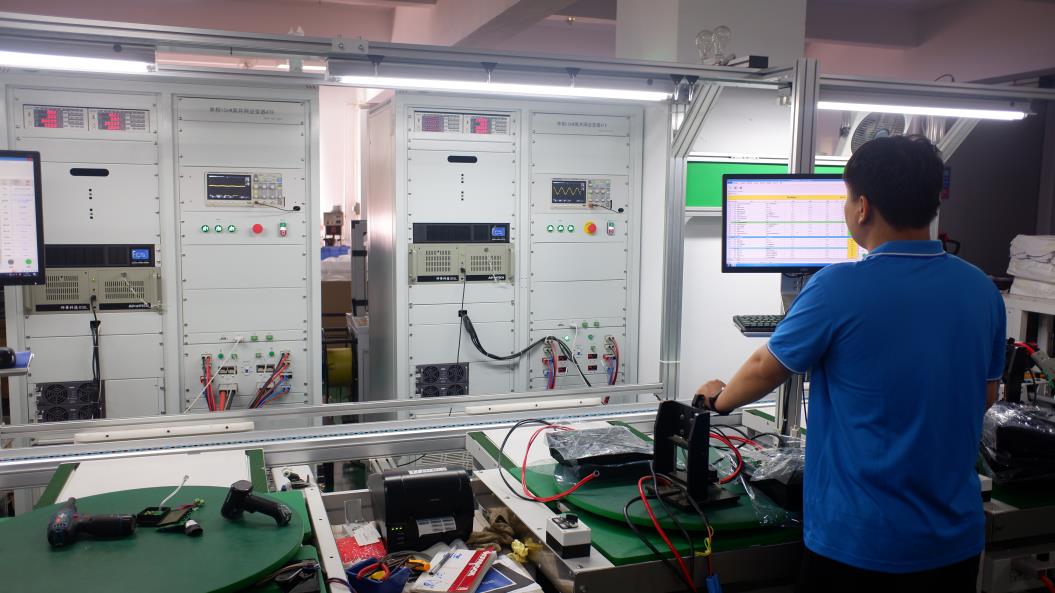
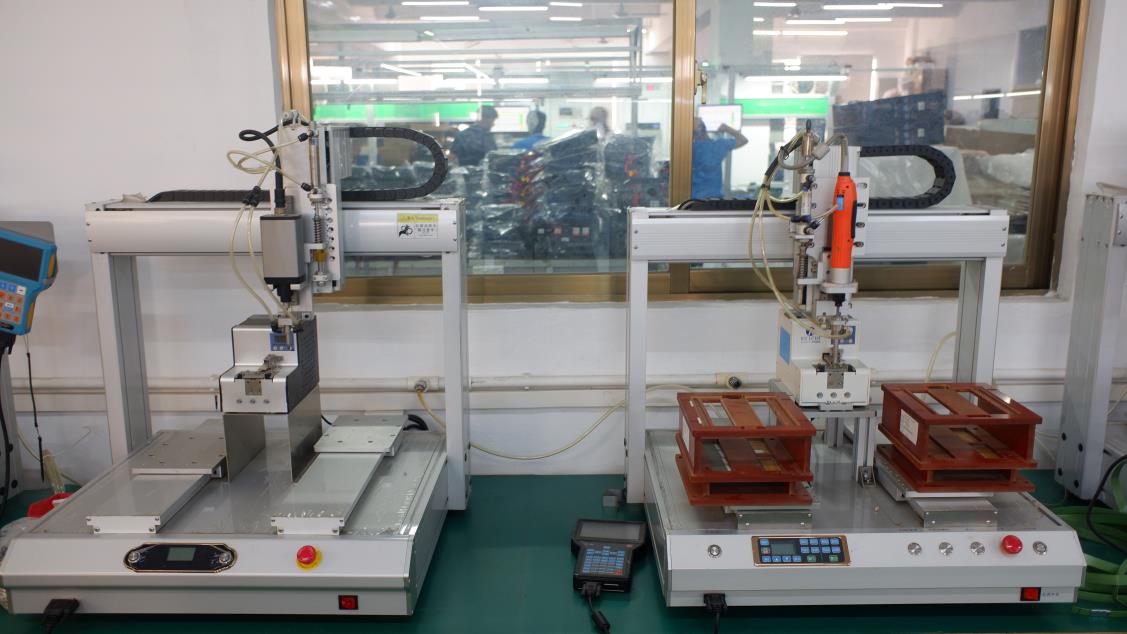
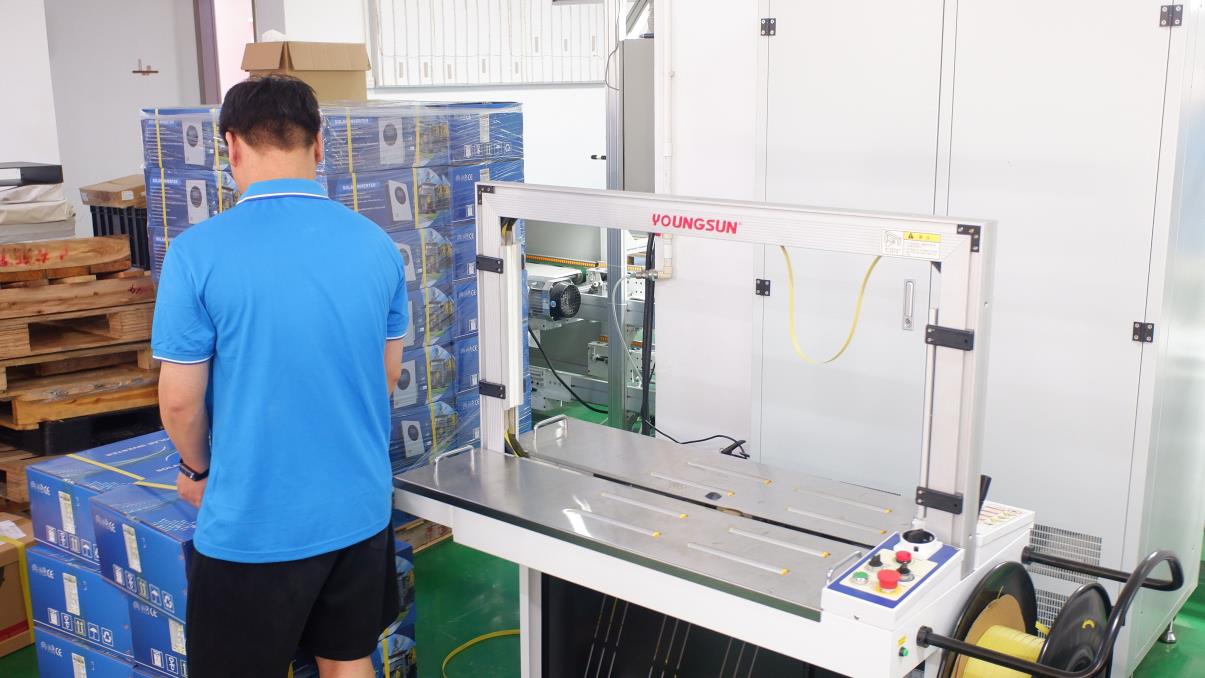
When sourcing industrial-grade DC to AC converters, global procurement officers and system integrators must look past basic cost-per-watt metrics. To minimize lifetime operational expenditure (OPEX) and ensure system longevity, the procurement process must evaluate four critical layers of factory capability:
Tier-1 manufacturers must implement components tracing (MES systems) tracking every component from supplier to final board assembly. This enables rapid troubleshooting in the field and minimizes product recall risks.
R&D processes must include Highly Accelerated Life Testing (HALT), thermal imaging under extreme load profiles, and Electromagnetic Compatibility (EMC) testing to secure global grid compliance.
Dual-sourcing strategies for critical components, especially gate drivers and MCUs, prevent manufacturing bottlenecks and ensure on-time delivery despite global shipping volatility.
In addition, the integration of advanced power electronics requires clear local support networks. A manufacturer's ability to provide digital twins for SCADA integration, dynamic firmware updates, and local engineering field support makes a significant difference during commissioning phases.
The future of DC to AC converter design is defined by integration and intelligence. We are transitioning from simple standalone converters to fully integrated Energy Storage Systems (ESS) that merge conversion, thermal control, and chemical storage management into a single enclosure. Here are the key technical developments driving the industry forward:
Expert insights on selecting, installing, and maintaining industrial DC to AC power conversion systems.
Grid-tied converters synchronize directly with the utility grid's voltage and frequency, feeding solar power back to the grid. Off-grid systems operate independently, creating a localized voltage grid and requiring battery storage. Hybrid converters combine both functions. They route power based on real-time demands, solar production, and battery charge states, while maintaining the ability to interact with the utility grid.
Silicon Carbide (SiC) and Gallium Nitride (GaN) semiconductors have higher breakdown voltages and faster switching speeds than traditional silicon. This reduces switching energy losses, allowing converters to operate at higher frequencies. As a result, the size of thermal heatsinks and magnetic components is reduced, leading to higher power density and better overall efficiency.
Solar water pumping systems are frequently installed in rural, dusty, or high-humidity environments. An IP65 or IP66 rating ensures the sensitive power electronics are completely protected against dust ingress and high-pressure water jets, preventing premature failures and reducing physical maintenance requirements.
Converters must meet standard international certifications. This includes UL 1741 and IEEE 1547 for North America, CE (EN 62109-1/-2) for Europe, and various local grid codes (such as G99 in the UK or AS4777 in Australia). These standards verify safety features like anti-islanding protection, galvanic isolation, and electromagnetic compatibility (EMC).
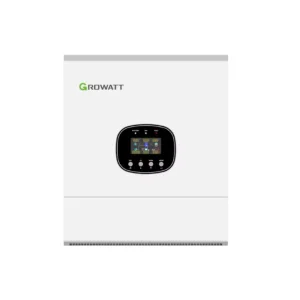
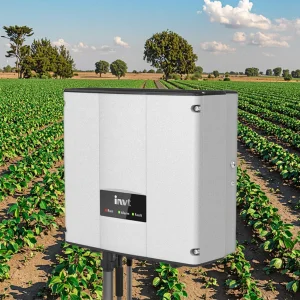
Explore additional high-performance products from our line. These units focus on variable frequency drives (VFD) for deep borehole pumps, scalable hybrid storage, and high-power split-phase off-grid solutions.
 Yde Power