7 Tips to Set Priority on a Smart Solar Hybrid Inverter

Time:2026-10-18 Author:Mason
0%

A smart solar hybrid inverter can quietly decide whether your home uses solar power, battery energy, or the grid. Those decisions affect energy bills, battery lifespan, and backup performance. A small setting can change everything.

This guide explains how to set up priority settings on a smart solar hybrid inverter with practical, safety-focused steps. It covers solar-first operation, battery charging priorities, grid support, backup loads, and time-of-use schedules. The correct sequence depends on your inverter model, battery chemistry, local grid rules, and household demand. Always compare each setting with the manufacturer’s manual and consult a qualified installer before changing protection limits.

Look at the real numbers. A refrigerator, router, and medical device may need backup power during an outage. A water heater or electric vehicle charger could drain the battery quickly. Check the inverter display while appliances start, not only when the house is quiet. Test it carefully.

Experience also shows that “maximum savings” is not always the best priority. A battery held at a very low reserve may reduce grid use, but it can leave little emergency capacity. A higher reserve may cost more during normal operation, yet provide more dependable backup. I have seen settings appear correct while a time schedule prevented the battery from charging overnight. That mistake is easy to miss.

These seven tips focus on clear decisions, measured results, and careful review. Record the original settings, change one option at a time, and monitor battery state of charge, solar production, and grid import. If performance seems unusual, stop and seek professional assistance.
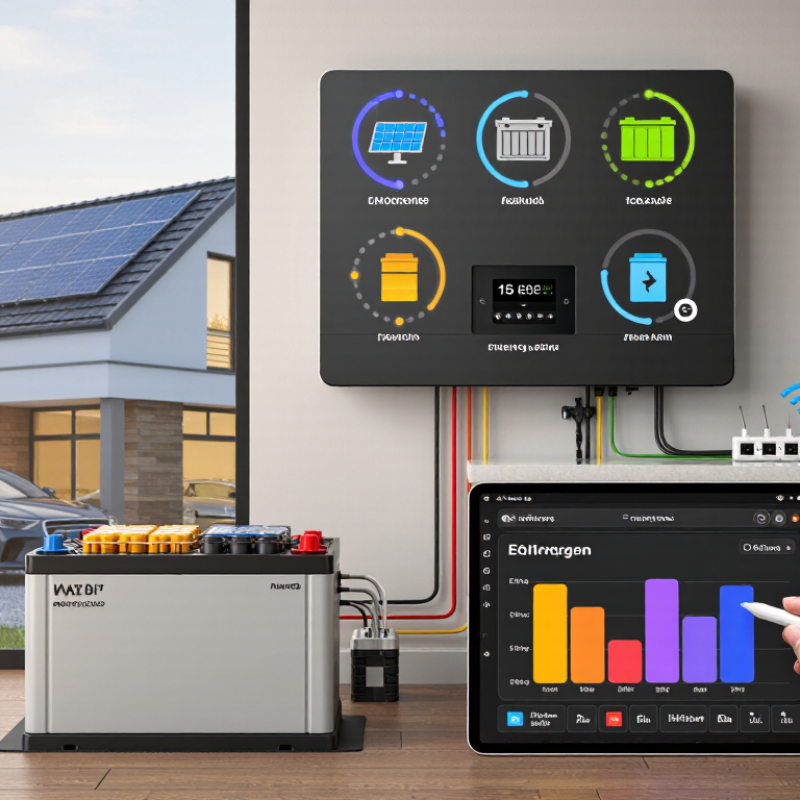
7 Tips to Set Priority on a Smart Solar Hybrid Inverter

Understand Smart Solar Hybrid Inverter Priority Modes

7 Tips to Set Priority on a Smart Solar Hybrid Inverter

Understand Smart Solar Hybrid Inverter Priority Modes

A smart solar hybrid inverter can serve loads, charge batteries, or export surplus power.

Tip one: select Solar-to-Load when sunlight is strong and household demand is steady.

Tip two: use Solar-to-Battery during midday surplus, especially before evening consumption.

Tip three: choose Battery-to-Load during expensive tariff periods, but keep a reserve level.

Tip four: enable Grid-to-Battery only when tariffs are low or severe weather is expected.

Tip five: set Grid-to-Load as an emergency fallback.

Tip six: match discharge limits with battery temperature and manufacturer guidance.

Tip seven: review priority settings after seasonal changes.

Small settings matter. A 20% reserve may protect backup capacity, while a 10% reserve could increase daily self-consumption. The correct choice depends on outages, tariffs, and battery chemistry.

The International Energy Agency’s Renewables 2024 report expects solar power to provide about 80% of global renewable capacity additions through 2030. More solar increases the value of precise energy scheduling.

The IEA PVPS Trends 2024 report also recorded global photovoltaic capacity above 2.2 terawatts at the end of 2023. That scale makes poor priority logic expensive.

Watch the inverter display at 6 p.m.; if the battery empties before cooking begins, the schedule needs adjustment. I still find forecasts imperfect. Clouds, sudden loads, and inaccurate consumption estimates can defeat an elegant plan. Review performance weekly, compare solar production with load data, and change only one priority at a time.

Assess Solar, Battery, Grid, and Load Requirements

7 Tips to Set Priority on a Smart Solar Hybrid Inverter

Solar priority starts with the load, not the inverter screen. Record hourly demand for cooking, cooling, pumps, and overnight appliances. A 5 kW inverter may still struggle when a 3 kW heater starts beside a refrigerator. The International Energy Agency reported that solar PV added about 375 GW globally in 2023, representing roughly three-quarters of new renewable capacity. More solar does not automatically mean better self-consumption. Timing matters.

Compare the solar profile with battery capacity and daily load. A battery should absorb midday surplus, then support evening demand without reaching an unhealthy low state of charge.

The IEA’s Batteries and Secure Energy Transitions report found that global battery storage additions reached about 42 GW in 2023, more than doubling from 2022.

Set a reserve level for outages and cloudy weather. Keep it practical. A 30% reserve may be excessive in one home and inadequate in another.

Grid conditions also shape priority. Review outage history, time-of-use prices, export limits, and local connection rules before selecting solar-battery-grid order.

Solar-first usually reduces imports, while battery-first can protect essential circuits during expensive evening hours.
During commissioning, test cloudy-day charging, sudden motor starts, and a low-battery transition to the grid.

A fixed schedule can look elegant but fail in winter. Recheck the settings after one month of real meter data; assumptions often age badly.

Configure the Preferred Energy Source Sequence

7 Tips to Set Priority on a Smart Solar Hybrid Inverter

Tip 1: Start with your daily load profile. Record morning, afternoon, and evening consumption for several days. Tip 2: Set solar as the preferred source when sunlight is available. This uses fresh energy before drawing from stored power. Tip 3: Keep battery charging limits within the manufacturer’s recommended voltage and current range. A full battery is not always the best battery.

Tip 4: Choose battery power for essential loads during peak-rate periods. Check the battery state of charge before enabling this option. Tip 5: Place the utility grid after solar and battery, unless reliability requires a different sequence. Local grid rules and household needs may change this decision. Tip 6: Add a generator only as a controlled backup source. Test its start-up signal, transfer timing, and maximum load carefully. Small details matter.

Tip 7: Review the settings after unusual weather or seasonal changes. A sequence that worked in summer may waste energy during cloudy weeks. I once prioritized battery use too aggressively and reduced backup capacity before sunset. That mistake showed me why practical testing matters. Change one setting at a time, record the result, and watch inverter logs for several days. If readings seem inconsistent, pause adjustments and consult a qualified installer.

7 Tips to Set Priority on a Smart Solar Hybrid Inverter - Configure the Preferred Energy Source Sequence

Tip Recommended Priority Sequence Configuration Focus Best Use Case Practical Result
1. Define the main objective Solar → Load → Battery → Grid Select self-consumption or solar-first operation as the primary mode. Homes that want to use available solar energy before importing electricity. Solar power supplies active loads first, reducing avoidable grid purchases.
2. Put essential loads first Solar → Essential Loads → Battery → Grid Connect or assign critical circuits to the backup-load output where supported. Refrigerators, lighting, communications equipment, and selected medical devices. Available stored energy is reserved for loads that matter most during outages.
3. Set a battery reserve Solar → Load → Battery above reserve → Grid Configure a minimum state-of-charge reserve according to the battery and inverter instructions. Locations with frequent outages or critical overnight loads. Preserves part of the battery for backup instead of using the full capacity routinely.
4. Schedule charging during low-cost periods Off-peak Grid → Battery; Daytime Solar → Load Enable time-of-use charging only when the utility tariff supports it. Tariffs with lower overnight prices and higher daytime or evening prices. Can shift grid consumption to cheaper hours and reduce peak-period imports.
5. Use grid support carefully Solar → Battery → Grid support Set an import limit and verify local export, interconnection, and operating requirements. Sites with limited service capacity or high short-duration startup loads. Battery assistance can reduce sudden grid demand, subject to system limits.
6. Configure export after local demand Solar → Loads → Battery → Export Choose zero-export or controlled-export operation where required. Installations with export limits, net-metering rules, or no export credit. Prioritizes on-site use and helps avoid unintended reverse power flow.
7. Review seasonal settings Solar → Load → Battery → Grid, adjusted by season Recheck reserve level, charge windows, backup demand, and weather-related expectations. Systems affected by changing daylight hours, temperatures, or seasonal tariffs. Keeps the energy sequence aligned with changing solar production and household demand.

Note: Menu names, operating modes, battery limits, and export controls vary by inverter and local regulations. Confirm all settings against the equipment manual, battery specifications, and applicable utility requirements.

Adjust Battery Charging and Discharging Priorities

7 Tips to Set Priority on a Smart Solar Hybrid Inverter

Set solar-to-load priority during daylight. Then send surplus energy to the battery. This reduces grid purchases while preserving stored power for evening demand. Set a clear charging ceiling, usually within the battery manufacturer’s permitted range. Never select aggressive charging merely to fill the battery faster. It can increase heat and shorten service life. For time-of-use tariffs, schedule grid charging during low-price hours. The International Energy Agency’s Batteries and Secure Energy Transitions report estimates that global energy storage capacity must grow sixfold by 2030. Better priority settings will matter as storage becomes more common.

Choose battery discharge during expensive tariff periods, but keep a backup reserve for outages. A 20% reserve sounds sensible, yet it may waste usable energy in a mild climate. A higher reserve may suit homes with medical equipment or unstable grids. Limit discharge power when several heavy loads start together. Watch kitchen appliances, pumps, and electric heating. Lazard’s 2024 Levelized Cost of Storage report shows that storage economics vary widely by duration and operating conditions. Do not copy another household’s schedule.

Review inverter data each month. Compare state of charge, grid imports, battery temperature, and peak loads. Test backup operation safely with a qualified technician. Seasonal changes require new settings. Winter cloud cover may justify a larger reserve, while summer solar production may support deeper discharge. I have seen settings left untouched for months. That is convenient, but not always smart. Record every adjustment and check whether it actually lowers consumption.

7 Tips to Set Priority on a Smart Solar Hybrid Inverter

Adjust battery charging and discharging priorities by following the daily energy pattern shown below. The chart represents a typical 5 kW residential hybrid system with a 10 kWh lithium battery.

The photovoltaic output rises after sunrise, battery charging is prioritized during midday surplus, and battery discharging supports household loads during evening and overnight periods. Actual values depend on weather, load demand, battery capacity, and inverter configuration.

Seven Priority-Setting Tips

  1. Prioritize household loads when solar production is available.
  2. Charge the battery from surplus solar before exporting energy to the grid.
  3. Set a minimum state of charge to preserve backup capacity.
  4. Schedule battery discharge during evening peak-demand periods.
  5. Limit grid charging to low-cost tariff periods when permitted.
  6. Reduce charging power when the battery approaches its maximum state of charge.
  7. Review seasonal production, weather forecasts, and daily consumption regularly.

Test, Monitor, and Refine the Inverter Settings

A smart solar hybrid inverter rarely performs well with factory settings alone. Your home’s load pattern, battery size, weather, and electricity tariff all matter. I begin by recording daytime solar production and evening consumption for several days. This reveals when the battery fills, empties, or waits unnecessarily.

Test one priority at a time. Set solar charging as the main daytime task, then observe battery voltage, charging current, and household loads. During evening demand, check whether battery discharge starts at the intended level. A sudden microwave load can expose weak settings quickly. Keep a written log. Include time, weather, battery percentage, and grid usage. Small details matter.

Monitor the inverter through its display or approved monitoring system. Compare the readings with a separate energy meter when possible. My first schedule looked efficient, but it discharged the battery too early on cloudy mornings. That mistake taught me to protect a reserve instead of chasing maximum self-consumption. Adjust thresholds gradually, such as changing the reserve by five percent. Wait several days before judging the result. Review error messages, temperature readings, and unusual overnight consumption. If readings conflict, stop experimenting and ask a qualified installer to inspect the system. Settings can drift from real household habits. Refinement is ongoing.

FAQS

Which energy source should power household loads during daylight?

Set solar energy to serve household loads first. Send surplus power to the battery afterward. This can reduce grid purchases.

How should battery charging be limited?

Set the charging ceiling within the battery maker’s permitted range. Avoid aggressive charging. It may create heat and reduce service life.

When is grid charging most useful?

Schedule grid charging during low-price hours under time-based tariffs. Check the schedule against actual electricity prices. Plans can become outdated.

How much battery reserve should remain for outages?

Keep a reserve based on grid reliability and household needs. A higher reserve may protect medical equipment during outages. A 20% reserve is not always ideal.

When should the battery discharge?

Use battery power during expensive tariff periods. Limit discharge when heating, pumps, and kitchen appliances start together. Heavy loads can strain the system.

How often should inverter settings be reviewed?

Review battery level, grid imports, temperature, and peak loads monthly. Seasonal weather may require new settings. Winter clouds often justify more reserve.

What information should be recorded during testing?

Record the time, weather, battery percentage, household loads, and grid usage. Note each adjustment. Small details reveal hidden problems.

How can incorrect settings be identified?

Compare inverter readings with a separate energy meter when possible. Watch for early battery discharge, unusual overnight use, and error messages.

How should settings be changed safely?

Change one priority or threshold at a time. Adjust reserves by about five percent. Wait several days before judging the result.

When should professional help be requested?

Ask a qualified installer when readings conflict or temperatures seem unusual. Backup testing also deserves professional support. Guessing can be expensive.

Conclusion

Setting priorities on a smart solar hybrid inverter begins with understanding how its operating modes manage solar power, batteries, the grid, and household loads. The best configuration depends on your energy goals, daily consumption patterns, battery capacity, and the reliability of the utility supply. When learning how to set up priority settings on a smart solar hybrid inverter, first evaluate when solar energy is available, how much backup power is required, and whether reducing grid usage or preserving battery capacity is the main objective.

Next, configure the preferred energy source sequence, such as using solar power for current loads, directing surplus energy to the battery, and drawing from the grid only when necessary. Set suitable battery charging and discharging limits to protect its usable capacity and maintain dependable backup performance. After saving the settings, test the system under different conditions, monitor energy flows, and make gradual adjustments. Regular review helps keep the inverter efficient as weather, usage habits, and energy needs change.

Mason

Mason

Mason is a seasoned marketing professional with a deep expertise in the company's offerings and a passion for driving brand awareness. With a strong background in digital marketing strategies, he has an innate ability to connect with diverse audiences and effectively communicate product benefits.......