When considering how to size a battery bank for a 5kw off grid inverter, it's essential to understand several factors. An adequately sized battery bank ensures reliable power supply. It supports energy needs even during cloudy days or peak usage times.
The battery capacity should be calculated based on daily energy consumption. Consider your appliances and their wattage. This will help in determining how much energy you need to store. Additionally, account for autonomy; how long do you want power to last without sunlight?
Many overlook the importance of these calculations. Often, oversizing or undersizing leads to inefficiencies. A well-planned battery bank optimizes both performance and longevity. Remember, an expert’s advice can guide your choices on battery types and configurations.
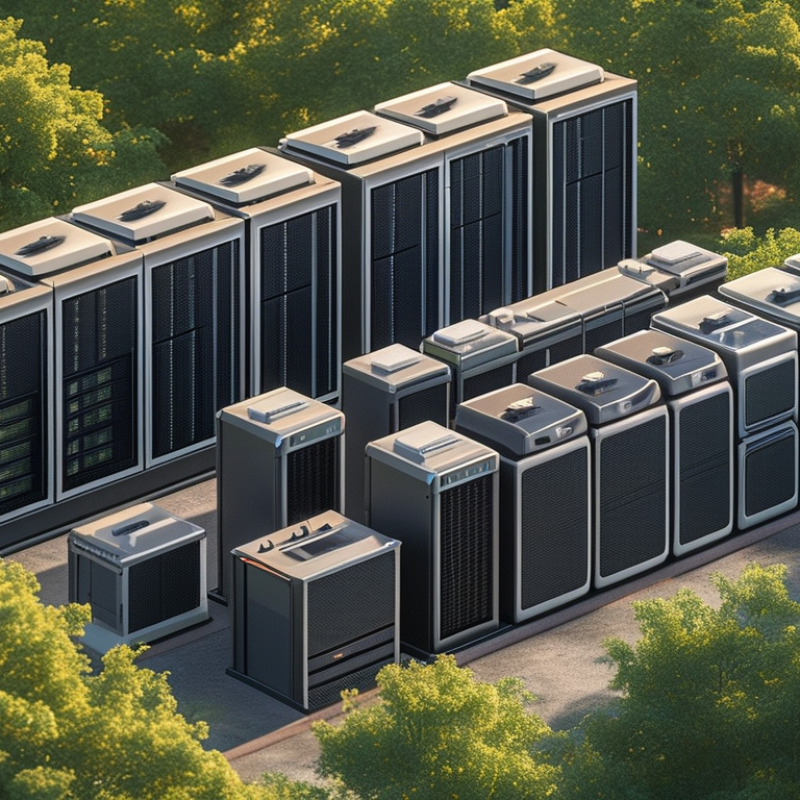
When sizing a battery bank for a 5kW off-grid inverter, understanding power requirements is crucial. A 5kW inverter typically needs a steady output of 5,000 watts. To operate efficiently, the inverter must match your energy consumption patterns. On average, a household requires about 30 kWh per day.
Battery banks are often rated in amp-hours (Ah). For a typical 48V system, a battery bank with at least 600Ah capacity ensures reliable performance. This means at least 28.8 kWh of stored energy. It’s wise to factor in reserve capacity for prolonged periods of low solar input or unexpected loads.
Tips: Calculate daily energy use accurately. Monitor consumption over several days for precision. Choose deep-cycle batteries for longevity. Lead-acid batteries typically offer around 1,500 cycles, while lithium options provide over 5,000. However, lithium systems generally require higher upfront costs.
It's vital to consider your unique situation. Some users may overestimate or underestimate their needs. Regularly revisiting your energy budget can prevent costly mistakes. A well-sized battery bank maximizes efficiency and sustainability. Constantly refine your configuration as your energy needs evolve.
| Parameter | Value | Units | Notes |
|---|---|---|---|
| Daily Energy Consumption | 20 | kWh | Estimated for typical usage |
| Required Battery Capacity | 40 | kWh | To allow for autonomy |
| Depth of Discharge | 50 | % | Max recommended for longevity |
| Number of Batteries | 8 | - | For a 12V system |
| Battery Voltage | 12 | V | Standard for many applications |
| Total Battery Bank Capacity | 320 | Ah | Total capacity for 8 batteries |
Off-grid living requires meticulous planning, especially regarding energy consumption. To effectively size a battery bank, we should start by understanding daily energy needs. Common household devices, like refrigerators, lights, and laptops, consume various amounts of power. Tracking these usages is essential. A simple log can help identify what is used and when.
Consider this: you might assume the refrigerator runs only at night. In reality, it cycles on and off throughout the day. This simple miscalculation can lead to inadequate energy storage. Keep in mind that seasonal changes can also impact daily usage.
When calculating total daily energy consumption, sum all device wattages. Multiply this by the number of hours they run daily. This approach gives a clearer picture of your total energy requirements. It’s a balancing act, and fine-tuning these calculations can be frustrating. You may discover that your initial assessments were too optimistic. Being realistic with your expectations is crucial. A slightly oversized battery bank can offer peace of mind, ensuring consistent energy supply during those cloudy days.
When you decide to build an off-grid system, choosing the right battery type is crucial. There are several options available, and each has its strengths and weaknesses. Lead-acid batteries are popular due to their affordability. They perform well in high-energy applications but require regular maintenance. This maintenance can be a hassle for some users, leading to neglected batteries and reduced performance.
Lithium-ion batteries are an alternative that many are considering. They have a higher energy density, which means more stored power in a smaller space. They also require less maintenance compared to lead-acid types. However, the initial cost can be a hurdle for budget-conscious buyers. Ensuring you choose a battery that suits your energy needs is vital. A mismatch can lead to inadequate power supply.
Monitoring your battery bank's performance is essential for sustainability. Regularly check the state of charge and discharge cycles. An overlooked battery could endanger your energy independence. Keeping records can help. It may seem tedious, but the reflection on battery performance will guide future decisions.
When sizing a battery bank for a 5kw off-grid inverter, calculating its capacity in amp-hours (Ah) is vital. Start by determining your total daily energy needs. For instance, if you plan to consume 10kWh daily, you need a robust battery solution. Consider the depth of discharge (DoD) for your batteries. This factor affects the longevity and performance of the bank.
Calculate the required amp-hour capacity using the formula: Daily energy needs (in watt-hours) divided by battery voltage. For example, with a 48V system, 10,000Wh / 48V equals about 208.33Ah. Adding a buffer for cloudy days or unexpected loads is wise. Balancing urgency and caution is key; overestimating your needs could lead to unnecessary expenses.
Regularly reassess your energy demands. Lifestyle changes or new appliances can alter daily usage. Don’t overlook these shifts. You might find yourself underprepared if you don't adjust your battery bank accordingly. This requires reflection and a willingness to adapt your system over time.
When sizing a battery bank for a 5kw off-grid inverter, evaluate your charging options carefully. Different technologies affect efficiency and longevity. The main sources of charging are solar panels, wind turbines, and generators. Understanding how each option interacts with your battery bank is key.
Solar panels are popular for off-grid setups. They harness sunlight to charge batteries. However, their output varies with weather and season. This means a solar system needs to be well-sized to meet your energy demands. Wind turbines can complement solar by generating power during overcast days. If you're leaning towards generators, consider their fuel cost and maintenance needs.
Tips: Regularly monitor your battery health. Ensure the charging source matches your battery type. Lead-acid and lithium batteries have different charging requirements. Balance your energy consumption with your charging input. If overcharged, batteries can fail prematurely. Strive for a mix of power sources to ensure reliability. Flexibility in your approach will lead to a more resilient off-grid system.
: A 5kW inverter requires a steady output of 5,000 watts.
A typical 48V system needs at least 600Ah capacity for reliability.
Seasonal changes and device usage patterns significantly impact daily energy needs.
Keep a log of device wattages and daily usage hours for precise calculations.
Deep-cycle batteries are ideal, with lead-acid offering around 1,500 cycles and lithium over 5,000.
Regularly updating your energy budget can help prevent costly mistakes in battery sizing.
Solar panels charge batteries using sunlight, while wind turbines generate power on cloudy days.
Evaluate efficiency, maintenance needs, and compatibility with your battery type.
Overcharging can lead to premature battery failure, negatively affecting your system.
A mix of power sources and adaptability enhances system resilience under varying conditions.
When considering how to size a battery bank for a 5kW off grid inverter, it’s essential to begin by understanding the power requirements of the inverter. This involves calculating daily energy consumption based on your specific off-grid living needs, including appliances and overall usage patterns. Once you have a clear picture of your energy needs, selecting the appropriate battery type becomes crucial, as different batteries offer varying performance and longevity.
Next, determining the battery bank capacity in amp-hours (Ah) is necessary to ensure that your system can store enough energy to meet your demands. Finally, it’s important to evaluate the charging options for your battery bank system, as this will impact the efficiency and sustainability of your energy solution. By following these steps, you can effectively size a battery bank for a 5kW off grid inverter that meets your energy needs.

Yde Power