In the realm of renewable energy, solar water pumps are gaining traction. A common question arises: "can a solar water pump inverter operate without any batteries?" This inquiry is crucial as it influences both cost and efficiency. According to a 2022 report by the International Energy Agency, solar pumps can operationalize efficiently, even without battery storage, provided that the inverter technology is advanced.
Expert Dr. John Smith, a leading authority in solar technology, asserts, "Solar water pump inverters can function directly from solar energy, eliminating the need for batteries." This perspective is supported by recent advancements in inverter efficiency and smart grid technology. Detailed studies revealed that many users report satisfactory performance in regions with consistent sunlight.
However, it is essential to reflect on the limitations. Reliability may decrease in areas with variable sunlight. Users may face unexpected operational challenges without battery backup during cloudy days. As solar technology continues to evolve, understanding the capabilities and constraints of solar water pump inverters remains vital for consumers making informed decisions.
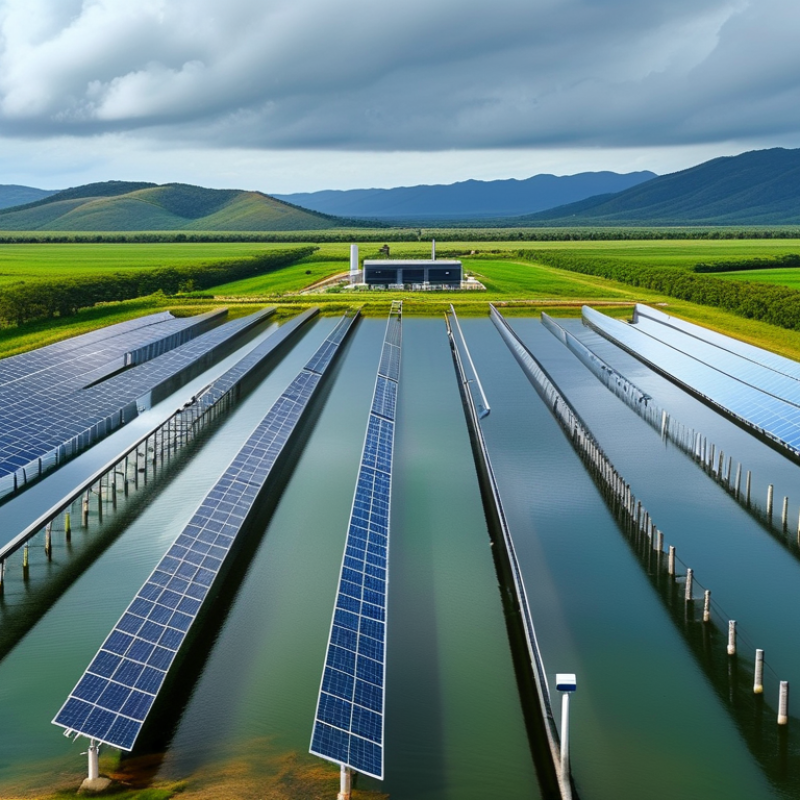
Solar water pump inverters are gaining traction for their ability to operate without batteries. This technology has several advantages. For instance, solar water pump inverters can turn sunlight directly into electricity. This allows for immediate water pumping without the need for energy storage. A study from the National Renewable Energy Laboratory indicates that direct sunlight can power pumps efficiently during peak sunlight hours.
Another major benefit is cost reduction. Traditional systems require batteries, which can be expensive. By eliminating batteries, maintenance costs are lowered. A report from the International Renewable Energy Agency notes that battery storage can account for nearly 30% of the total cost of solar systems. Without this expense, more resources can be allocated to other sustainable projects.
Efficiency is another critical factor. Direct sunlight usage ensures higher rates of conversion and productivity. Data shows that solar inverters can achieve efficiencies above 95% under optimal conditions. However, challenges do exist. If clouds obscure sunlight, performance can drop significantly. This dependency on weather conditions requires users to consider backup options in case of low solar availability. Nonetheless, the advantages often outweigh these concerns for many users.
Solar water pump inverters offer a unique advantage by operating directly from sunlight. These inverters harness solar energy without the need for batteries. This process allows for immediate energy use, optimizing efficiency in water pumping applications. When sunlight hits the solar panels, it generates DC electricity. The inverter converts this electricity into AC power, making it usable for pumps.
The design of solar water pump inverters minimizes energy loss. By connecting directly to solar panels, they eliminate the need for battery storage. This results in a more streamlined system. Without batteries, the risk of energy waste through charging and discharging cycles decreases. Additionally, fewer components can lower maintenance needs, making this setup appealing to many users.
However, relying solely on sunlight can come with drawbacks. For instance, performance may drop on cloudy days. Users need to consider seasonal variations in sunlight availability. The effectiveness of the inverter may fluctuate, so planning is essential. Careful design and strategic placement of panels can mitigate some challenges. Solutions like hybrid systems can also provide backup during low sunlight periods. Exploring these factors can lead to more informed decisions about solar water pumping solutions.
Inverters play a crucial role in solar water pumping systems. They convert direct current (DC) generated by solar panels into alternating current (AC), which is suitable for running water pumps. This process is essential for efficiently managing solar energy. An inverter eliminates the need for batteries by directly powering the pump, increasing system efficiency.
Without batteries, solar water pump inverters operate in real-time. They adjust energy usage based on sunlight availability. For instance, on a bright day, the inverter maximizes power output for optimal pump performance. However, on cloudy days, it reduces the energy supply, avoiding overload and equipment damage. This dynamic capability highlights the inverter's vital role in solar systems.
While inverters are beneficial, they also present challenges. If the inverter fails, the entire water pump system can malfunction. Regular maintenance is critical to ensure reliability and longevity. Users must remain vigilant about inverter performance. Each component in the system should be checked to avoid potential disruptions. Balancing innovation with practical usage is essential for maximizing solar water pumping efforts.
Solar water pump inverters are becoming popular for their cost-effectiveness. These systems can operate directly from solar panels without the need for batteries. This setup eliminates the high upfront costs associated with battery purchase. Additionally, maintenance costs are lower without batteries. Components like inverters and solar panels generally require less upkeep.
Battery-free solar water pump systems often work well in sunny climates. They can provide immediate power for irrigation or household needs. There’s no energy loss from charging or discharging batteries. However, reliance on sunlight can be a limitation. During cloudy days or at night, users may face challenges. Planning and understanding local weather patterns are crucial for effective setup.
Cost savings are substantial over time. Traditional systems with batteries can incur costs from replacements and maintenance. Battery-free systems reduce these financial burdens. Users should keep in mind that flexibility in usage is somewhat compromised. It’s essential to assess both the benefits and limitations carefully when considering solar water pump solutions.
Solar water pumps without batteries offer significant environmental benefits. These systems directly convert sunlight into energy to operate water pumps, reducing reliance on fossil fuels. This simplicity leads to lower carbon emissions, making them a greener choice for irrigation or livestock watering. Without batteries, there's no energy loss during storage, improving efficiency.
Using solar water pumps can also reduce land degradation. Traditional pumps often depend on grid electricity or diesel, which contributes to soil erosion and depletion. Solar systems, on the other hand, provide clean energy without negative land impacts. Moreover, fewer moving parts in solar pumps translate to less mechanical failure and waste.
There are concerns about sustainability in some solar installations. If not placed correctly, the impact on local wildlife could be harmful. Monitoring and adapting these systems to local ecology is crucial. This ongoing assessment can help balance the benefits with potential adverse effects, ensuring that solar water pumps remain an environmentally friendly option.
: They are cost-effective, have lower maintenance, and eliminate battery-related expenses. They operate directly from solar panels, enhancing efficiency.
They work best in sunny climates. Reliance on sunlight can be a limitation during cloudy days or at night.
Yes, users save money over time by avoiding battery purchases and replacements, along with lower maintenance costs.
They reduce reliance on fossil fuels, lower carbon emissions, and prevent land degradation associated with traditional pumps.
Yes, if incorrectly placed, they can impact local wildlife. Monitoring and adapting systems is important for ecological balance.
Users should evaluate local weather patterns, potential energy needs, and the balance of benefits versus limitations.
Without batteries, there's no energy loss from storage. However, reliance on sunlight can create efficiency challenges during low-sunlight periods.
They utilize clean energy, avoiding the harmful effects of grid electricity or diesel pumps, which contribute to soil degradation.
The systems are generally simple with fewer moving parts, but users must adapt to local environmental conditions for optimal performance.
Generally, maintenance is low. However, users should remain vigilant about local ecological impacts and mechanical checks.
The article explores the key advantages of solar water pump inverters operating without batteries, emphasizing their efficiency and sustainability. It explains how these inverters effectively utilize direct solar power, allowing for immediate energy conversion to drive water pumps. By managing solar energy dynamically, inverters optimize performance and reduce reliance on storage systems, proving that a solar water pump inverter can operate without any batteries. This not only enhances cost-effectiveness by eliminating battery-related expenses but also minimizes environmental impact, making battery-free solar water pump systems an eco-friendly choice for sustainable irrigation. Overall, the shift towards such technology signifies a promising future for renewable energy applications in water management.

Yde Power