Why Is My Off Grid Inverter Showing Low Voltage Error?

Time:2026-11-03 Author:Mason
0%

An off-grid inverter can display a low-voltage error when battery voltage falls below its configured limit. The warning may appear when a pump starts, a fridge compressor kicks in, or a long cable run adds voltage drop. But the display alone does not identify the cause. It might reflect a depleted battery, a weak connection, cold conditions, an incorrect battery setting, or a battery-management-system limit.

The wider shift toward solar makes dependable storage increasingly important. The IEA’s Renewables 2024 report says renewables supplied about 30% of global electricity in 2023, though that figure does not measure off-grid inverter faults. It provides useful context, not a diagnosis. For the specific search “why is my off grid hybrid inverter showing low voltage error,” the key is to compare voltage at the battery terminals with the inverter’s reading while a load is running. A brief dip can matter. So can a loose lug.

This guide explains how to check battery state, wiring, load demand, temperature, and inverter settings in a sensible order. It also distinguishes a momentary voltage sag from a persistent fault, because they call for different checks. Manufacturer manuals and qualified installers remain important references; alarm thresholds vary by model and battery chemistry. A multimeter reading can help, but measurements near battery terminals deserve care. One honest limitation: without the inverter model and battery type, no single threshold can confirm the cause.
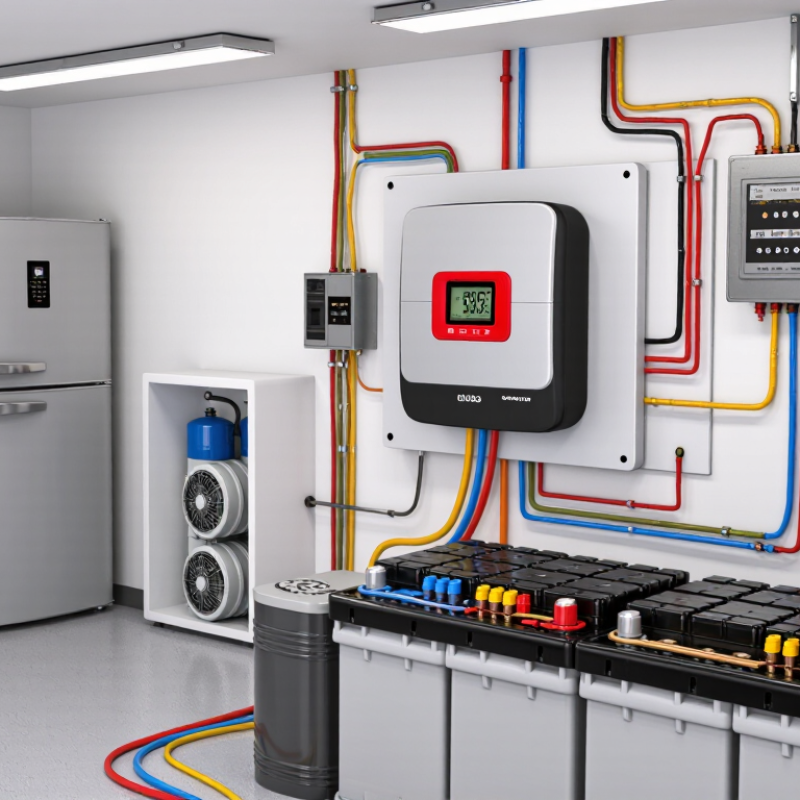
Why Is My Off Grid Inverter Showing Low Voltage Error?

Confirm the Inverter’s DC System Voltage: Common Banks Are 12, 24, or 48 V

A low-voltage warning can appear when an inverter’s battery bank does not match its required DC system voltage. Check the rating plate and manual for the intended input: commonly 12, 24, or 48 volts. Do not guess from the inverter’s size or the number of batteries. A bank wired in series adds voltage; parallel wiring increases capacity, not voltage.

Small mismatch. Big trouble.

Then compare the inverter setting with the bank’s actual configuration. A multimeter reading at the battery terminals can help, but voltage changes with battery chemistry, charge level, temperature, and load. A 48-volt bank may not read exactly 48 volts during normal use. It is easy to rush this check. I would verify the wiring diagram and settings before replacing batteries or changing parameters.

Follow the equipment manual, and avoid letting meter probes touch each other or exposed terminals. If the bank is configured correctly but voltage still falls below the inverter’s cutoff when a load starts, check for loose connections, undersized cables, or a depleted battery.

Measure Battery Voltage Under Load and Compare It With the Inverter’s Cutoff

Why Is My Off Grid Inverter Showing Low Voltage Error?

Measure Battery Voltage Under Load and Compare It With the Inverter’s Cutoff

A low-voltage alarm often appears when battery voltage dips during use, even if a resting reading looks healthy. Check voltage directly at the battery terminals while the inverter powers a typical load, such as a refrigerator starting or a pump running. Record the reading, the load, and the inverter’s cutoff setting. Compare like with like: a brief startup surge can cause a short dip, while a sustained drop may indicate a weak battery, undersized cables, loose connections, or excessive load. A resting reading alone can mislead.

Look for voltage drop across the cables too. Measure at the battery, then at the inverter input while the same load runs. A meaningful difference points toward cable resistance or a poor connection, not necessarily a failing battery. IEEE Std 1188-2005 uses 80% of rated capacity as a replacement criterion for stationary lead-acid batteries; that is a capacity benchmark, not an inverter voltage cutoff. Still, it shows why age and usable capacity matter. If the battery is older, a normal-looking resting voltage may hide reduced capacity. Repeat the test after tightening and inspecting connections, and check the battery maker’s discharge limits. Don’t guess at cutoff changes. A small detail matters: meter readings can fluctuate, so note when the dip occurs and how long it lasts.

Why Is My Off-Grid Inverter Showing a Low-Voltage Error?

How to check: Measure voltage directly at the battery terminals while the inverter is operating under load, then compare the lowest reading with the inverter’s low-voltage cutoff. This illustrative 12 V battery example shows voltage falling as load increases; the sample cutoff is 10.5 V. Actual readings and cutoff settings vary with battery chemistry, temperature, wiring, and inverter specifications.

Check Low-Voltage Settings: Lead-Acid Discharge Limits Can Be 1.75 V per Cell

A low-voltage alarm does not always mean the inverter is faulty. Check its battery profile and shutdown setting first. For lead-acid batteries, 1.75 volts per cell is a common discharge endpoint, often referenced at the 20-hour rate. That equals 10.5 volts for a six-cell, 12-volt battery. It is not a universal setting: discharge rate, temperature, and battery specifications affect the safe limit. IEEE Std 485-2020, Recommended Practice for Sizing Lead-Acid Batteries for Stationary Applications, treats discharge rate and final voltage as related design inputs. Don’t copy a cutoff value without checking your battery documentation.

Load matters. A kettle or pump can pull voltage down briefly, especially through long or undersized cables. Measure voltage at the battery terminals while the load is running, then compare it with the inverter reading. A noticeable difference can point to cable loss or a poor connection. Check series-cell count, cutoff voltage, and restart voltage, too. Small setting errors happen. So do loose terminals. Avoid lowering the cutoff just to clear the alarm; repeated deep discharge can shorten battery life. I’d also question a reading taken only after the load stops, since voltage may recover and hide the brief sag that triggered the fault.

Inspect DC Cables and Connections; A 3% Voltage-Drop Limit Is a Common Design Target

A low-voltage alarm can appear even when the battery’s resting voltage looks normal. Under inverter load, current exposes resistance in undersized cables, loose lugs, corrosion, or a long cable run. Measure voltage at the battery and inverter DC terminals while a substantial load is running. The difference is the cable-and-connection drop. Be careful: DC systems can deliver dangerous fault current, so isolate equipment before inspecting connections.

A 3% drop is a common design target, not a universal inverter fault limit. NFPA 70 (2023), in its informational notes on feeder and branch-circuit sizing, recommends limiting drop to 3% on a branch circuit and 5% across feeder plus branch circuit for reasonable efficiency. That guidance is not a specific DC-inverter trip rule, but it offers a useful benchmark. At 48 volts, 3% is 1.44 volts; at 12 volts, it is only 0.36 volts. Small losses matter. Check cable gauge and total one-way distance, then use the manufacturer’s current and voltage specifications to assess the run.

Look for dull or greenish copper, softened insulation, loose crimp barrels, and warm terminals after loading. Compare readings at both ends; a sudden drop across one lug points to a local fault. A clamp meter can confirm current, while a multimeter reveals voltage loss under load. Record the readings. Still, one test may miss an intermittent connection, and that is easy to overlook. Have a qualified technician investigate persistent alarms or heat.

Verify Battery Charging and Health: Full, Rested 12 V Lead-Acid Is About 12.6–12.8 V

A low-voltage warning does not always mean the battery is empty. For a 12 V lead-acid battery, a fully charged, rested reading is typically about 12.6–12.8 V. “Rested” matters: charging or running a load can temporarily change the reading. Turn off inverter loads, stop charging, and let the battery sit for several hours before checking its posts with a multimeter. Small details matter.

If the rested voltage is well below that range, check whether the charger is completing its cycle and whether the battery connections are clean and tight. Then compare the voltage at the battery with the voltage at the inverter’s DC input while a load is running. A noticeable drop can point to undersized or damaged cables, loose connections, or a tired battery—not just a charging problem. I’ve seen a battery look acceptable at rest, then sag sharply when a pump starts. That clue is easy to miss. Battery age, temperature, and type also affect readings, so treat the numbers as guidance, not a diagnosis. Avoid placing tools across battery terminals; a short circuit can cause burns or damage.

FAQS

Why does my inverter show a low-voltage alarm when the battery seems fine?

Resting voltage can look normal, then sag when a refrigerator starts or a pump runs. Measure at the battery terminals under load. A resting reading can mislead.

How should I compare battery voltage with inverter voltage?

Run a typical load and record readings at the battery and inverter input at the same time. A noticeable difference may point to cable loss or a poor connection. Timing matters.

Can a brief startup surge trigger the alarm?

Yes. A short dip during motor startup may trigger the cutoff. A sustained drop may suggest reduced battery capacity, excessive load, or cable resistance. Note how long the dip lasts.

What cutoff is suitable for a 12-volt lead-acid battery?

10.5 volts equals 1.75 volts per cell in a six-cell battery. This can be an endpoint at a specified discharge rate, not a universal setting. Check battery specifications, temperature, and load rate.

Should I lower the cutoff to stop alarms?

Avoid changing it just to clear a warning. Repeated deep discharge can shorten battery life. Check the cutoff and restart settings against the battery documentation. I might be overlooking a setup detail; verify the profile.

How much cable voltage drop is acceptable?

About 3% is a common design target, not a universal inverter trip limit. That equals 0.36 volts at 12 volts, or 1.44 volts at 48 volts. Small losses matter.

What physical signs should I check on DC cables?

Look for greenish copper, loose lugs, softened insulation, or warm terminals after a load test. Isolate equipment before inspection because fault current can be dangerous. Don't rush.

When might an older battery need closer testing?

Age can reduce usable capacity even when resting voltage looks healthy. Repeat a load test after checking connections, and compare results with the battery’s rated capacity. One test can miss an intermittent fault. Log another reading.

Conclusion

If you’re asking, “why is my off grid hybrid inverter showing low voltage error,” start by confirming that the inverter and battery bank are designed for the same DC system voltage, commonly 12, 24, or 48 volts. Measure battery voltage while the inverter is operating, since a reading taken without a load may not reveal a voltage drop under demand. Compare the loaded reading with the inverter’s low-voltage cutoff and check that the cutoff settings suit your battery type. For lead-acid batteries, a discharge limit around 1.75 volts per cell is a useful reference, but follow the battery specifications.

Next, inspect DC cables and connections for loose terminals, corrosion, damage, or undersized wiring. Excessive resistance can cause voltage to fall before it reaches the inverter; keeping voltage drop near or below 3% is a common design target. Also verify that the batteries are charging fully and are in good condition. A rested, fully charged 12-volt lead-acid battery typically reads about 12.6–12.8 volts.

Mason

Mason

Mason is a seasoned marketing professional with a deep expertise in the company's offerings and a passion for driving brand awareness. With a strong background in digital marketing strategies, he has an innate ability to connect with diverse audiences and effectively communicate product benefits.......