The increasing popularity of hybrid inverters has raised questions about their performance and reliability. Many users experience disruptions, notably the issue of "why does my hybrid inverter keep switching back to grid power?" According to a recent report by the International Energy Agency (IEA), the efficiency of hybrid systems can directly impact energy savings and consumer satisfaction.
Expert Mark H. Jensen, a leading authority in renewable energy systems, points out, "Inconsistent switching to grid power often indicates an underlying issue with system configuration or battery health." This insight highlights the need for regular maintenance and optimization for hybrid inverter systems.
Understanding the reasons behind these power switches is crucial for users seeking autonomy from grid reliance. High-quality hybrid inverters should minimize such occurrences. However, factors like load demands, battery capacity, and inverter settings play a significant role in operational stability. Attention to these factors is essential for enhancing the user experience and ensuring energy independence.
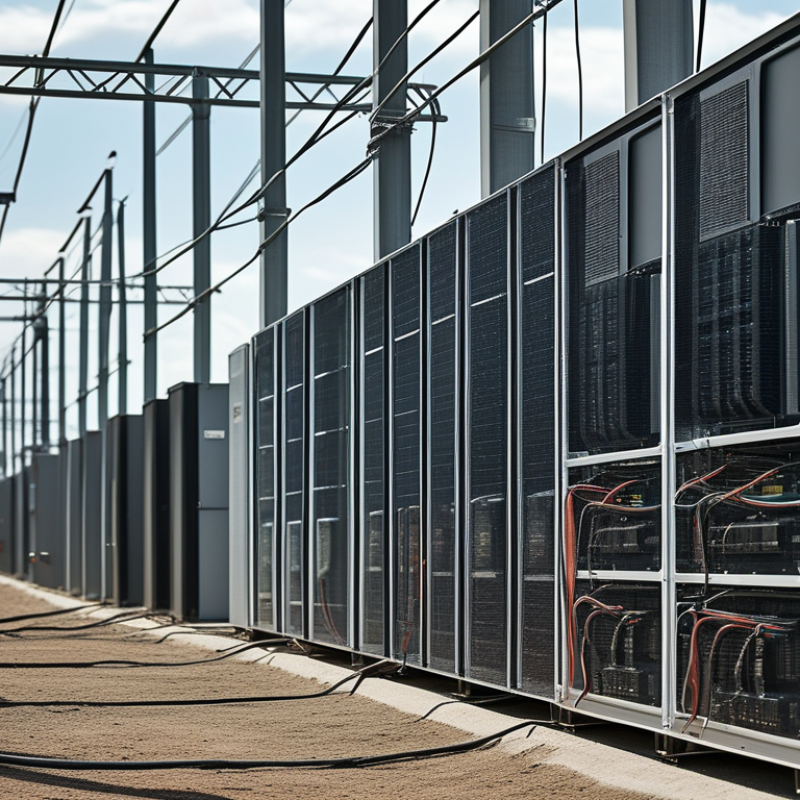
Hybrid inverters play a crucial role in the renewable energy ecosystem. They allow users to harness solar power while maintaining a connection to the grid. This functionality can sometimes lead to unexpected switching to grid power. Understanding this phenomenon involves examining the inverter's operational modes.
When solar energy production is low, hybrid inverters often switch to the grid. This can happen during cloudy days or at night when solar panels generate little or no energy. Users may feel frustrated when they witness this shift. These inverters are designed to ensure a consistent power supply. This reliability is essential for households that depend on electricity for daily activities.
Another factor affecting performance is battery charge levels. If the battery is depleted, hybrid inverters will default to grid power. This may leave some users questioning their system's efficiency. Regularly monitoring battery health and energy consumption can provide insights into optimizing usage. Engaging in practices like energy conservation can help mitigate reliance on the grid and enhance overall system efficiency.
Hybrid inverters serve as a bridge between solar power and the grid. However, they can switch to grid power for several reasons. One common issue is insufficient solar production. When the sun isn't shining, your solar panels may not generate enough electricity. This could happen on cloudy days or during early mornings and late evenings.
Another reason involves battery capacity. If your hybrid inverter's batteries are not fully charged, it will prioritize grid power. Battery health is crucial. Aging batteries may not hold a charge effectively. This might lead to more frequent switching to grid power than you'd expect. Regular maintenance and monitoring battery performance can provide insights into issues.
Lastly, a fault in the inverter or wiring could be the culprit. Inverters may malfunction or become misconfigured. Corroded wires or loose connections can disrupt power flow. Such problems require immediate attention to prevent further complications. Understanding these factors can help you address issues with your hybrid inverter more effectively.
In a hybrid inverter system, solar generation plays a critical role. When your solar panels produce electricity, the inverter uses this energy first. However, if solar output is low, the inverter shifts to grid power. This switch can frustrate users wanting maximum solar utilization.
Cloudy days or early mornings can drastically impact generation. For example, thin clouds may reduce solar output by up to 70%. Your inverter detects this drop and responds by re-engaging grid power. The inverter prioritizes stability. It ensures that your home has a continuous power supply. This behavior is a built-in feature, not a fault.
Monitoring local weather patterns can help you understand these shifts better. If solar generation consistently falls short, consider optimizing your system. Check panel alignment or clean them regularly. Small adjustments can improve energy capture. This effort often leads to a better understanding of how solar energy interacts with your hybrid inverter.
| Factor | Description | Impact on Inverter | Frequency of Occurrence (%) |
|---|---|---|---|
| Low Solar Generation | Insufficient solar power production due to weather conditions. | Inverter switches to grid power to meet load demand. | 40% |
| High Load Demand | Increased energy consumption during peak usage times. | Inverter relies on grid to supplement power. | 30% |
| Inverter Setting | Configuration settings in the inverter. | Can dictate when to switch to grid power. | 20% |
| Grid Instability | Fluctuations or outages in the grid supply. | Inverter switches to ensure reliable power supply. | 10% |
Hybrid inverters often switch to grid power unexpectedly. This can be frustrating for users relying on solar energy. Understanding why this happens is crucial for effective troubleshooting.
Check the battery level. If it's low, the inverter might switch to grid power automatically. It's a safety feature to prevent full battery depletion. Monitor your battery health regularly. Old or damaged batteries may struggle to hold a charge, causing frequent switches.
Another common issue is improper settings. Ensure your inverter is configured correctly. Review the operating modes and adjust them according to your energy needs. If multiple appliances are running and demand exceeds solar production, your inverter may default to grid power.
Consider environmental factors too. Cloud cover can significantly reduce solar energy production. This means your inverter might rely on grid power during cloudy periods. Always keep an eye on the weather and plan your energy usage accordingly.
Understanding the reasons behind your hybrid inverter switching to grid power is essential. One common cause is the inadequate solar energy production. Cloudy weather or shading can significantly impact the system's efficiency. If your panels are not generating enough energy, the inverter will rely more on the grid.
Another aspect to consider is battery health. Over time, batteries may degrade due to regular cycles of charging and discharging. If the battery is unable to hold a charge, the inverter will tend to pull from the grid. Routine checks and proper maintenance can help extend battery life, so don’t overlook this crucial element.
Monitoring your hybrid system's performance is vital. Use tools that track energy usage and production. Keeping an eye on these metrics allows for timely adjustments. If grid switching becomes frequent, it might indicate a need for system upgrades or even a reevaluation of your energy needs. Embracing these practices can foster a more reliable and efficient energy system.
: A hybrid inverter manages solar power and grid electricity, ensuring a steady power supply for homes.
Inverters switch to grid power when solar energy is low. This often occurs during cloudy days or at night.
Depleted batteries cause the inverter to default to grid power, which may lead to user concerns about efficiency.
Cloudy days can reduce solar output significantly. Weather patterns impact how much energy your panels produce.
Regularly monitor battery health, clean panels, and check their alignment. These adjustments can enhance energy capture.
Check battery levels and inverter settings. Old batteries and improper configurations can lead to unnecessary switching.
Yes, they switch to grid power to prevent battery depletion, ensuring continuous power while maintaining battery health.
If appliances draw more power than the solar system produces, the inverter may switch to grid power for stability.
Energy conservation practices can reduce reliance on the grid and help optimize hybrid inverter system performance.
Yes, minor changes to panel alignment and regular cleaning can significantly improve energy capture and efficiency.
Hybrid inverters play a crucial role in managing energy from both solar sources and the grid, but users often wonder, "why does my hybrid inverter keep switching back to grid power?" Several factors can contribute to this behavior. Common reasons include insufficient solar generation due to weather conditions, system configuration settings, or battery charge levels that fall below optimal thresholds.
To address these issues, it’s essential to understand how solar generation impacts inverter performance and to implement troubleshooting tips. Regular maintenance and monitoring of system performance can enhance efficiency and reduce the frequency of switching to grid power. By ensuring your hybrid system operates effectively, you can maximize the benefits of solar energy while minimizing reliance on the grid.

Yde Power