As the push for renewable energy grows, many ask, "can a hybrid inverter work without a battery backup system?" This query gains traction among homeowners and industry experts alike. Daniel Green, a renowned energy consultant, states, “Hybrid inverters can operate without batteries, but the efficiency drops significantly.” His perspective underlines an important consideration.
In a grid-connected system, hybrid inverters can function independently of battery storage. They convert solar power directly for consumption or grid feeding. However, without battery backup, energy storage is not viable during outages. This limitation raises concerns about reliability. Some homeowners might reflect on their local grid's stability. It’s crucial to evaluate how often outages occur in your area.
Additionally, the financial implications are significant. A home with a hybrid inverter may save on energy bills, yet without battery support, the potential savings can fall short during peak times. While hybrid inverters offer flexibility, the absence of a battery system may render a home vulnerable to unexpected energy demands. Understanding these nuances is essential for anyone considering such a system.
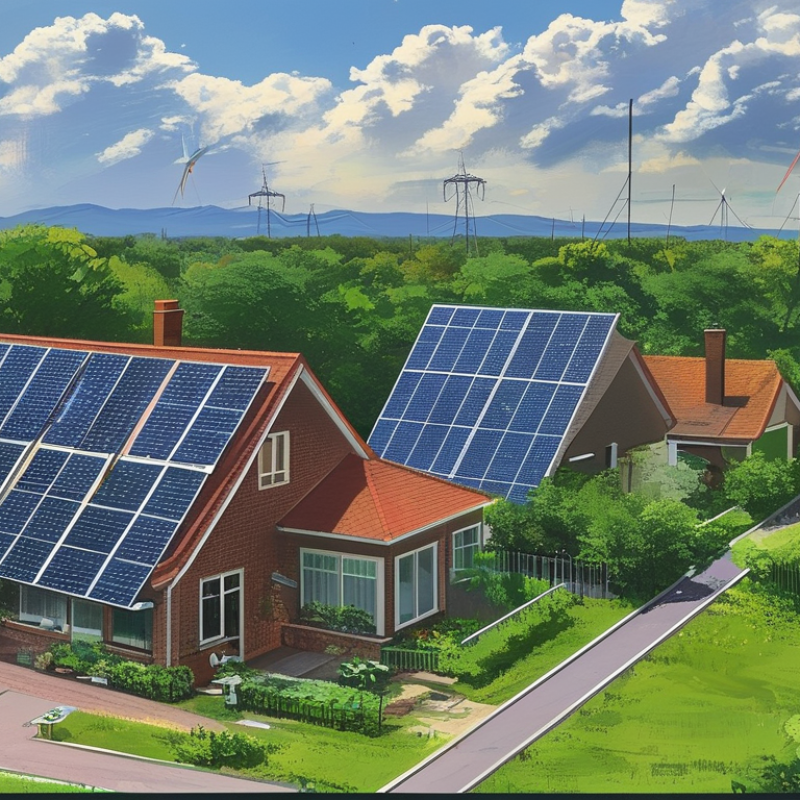
Understanding Hybrid Inverters and Their Functionality
Hybrid inverters play a crucial role in modern energy systems. They can efficiently manage energy from solar panels, power grids, and batteries. According to a report by the International Energy Agency (IEA), the growth of hybrid inverter installations has seen a significant rise, with global shipments increasing by nearly 25% in the last year. This trend highlights their increasing importance in energy management.
One common question arises regarding their functionality without battery backup. While hybrid inverters are designed to work seamlessly with batteries, they can provide power through solar energy and grid connection alone. However, this may limit their effectiveness. Users may experience issues during outages if they lack battery support. Research from Solar Power World indicates that homes equipped with hybrid systems are more energy resilient, especially in regions with unstable power sources.
The complexity of hybrid systems may lead to operational challenges. Users must understand the balance between solar generation, grid withdrawal, and storage usage. Without proper planning, these systems may not deliver optimal performance. Furthermore, maintaining efficiency can be difficult without expert knowledge. Thus, while hybrid inverters offer flexibility, maximizing their potential often requires insight and thorough understanding of energy dynamics.
The Role of Battery Backup in Hybrid Inverter Systems
Hybrid inverters are versatile devices, combining solar energy generation with grid support. However, their functionality can be significantly limited without battery backup. A study by the National Renewable Energy Laboratory (NREL) indicates that over 70% of solar energy systems benefit from the integration of battery storage. This integration allows for energy independence and enhances the efficiency of hybrid systems, especially during power outages.
Battery backup plays a critical role in hybrid inverter systems. It stores excess energy generated by solar panels, providing a reliable power source during nighttime or cloudy days. According to research by the Energy Storage Association, systems with battery backup can increase solar energy usage by up to 90%. This not only maximizes energy consumption but also reduces reliance on the grid, which can lead to significant cost savings over time.
**Tips**: Consider your energy needs before installing a hybrid inverter. Assessing your consumption patterns can determine the right battery storage capacity. Regularly check the health and state of your batteries; well-maintained batteries ensure optimal performance. Realize that integrating battery backup might require additional upfront investment but can yield substantial long-term benefits.
Operational Capabilities of Hybrid Inverters Without Batteries
Hybrid inverters are designed to work efficiently with or without battery backup. They can harness solar power and supply it directly to your appliances. This capability is vital for those who want to reduce energy bills and increase sustainability. However, operating without batteries limits some functionalities.
When using a hybrid inverter without batteries, performance may depend heavily on sunlight availability. If it’s cloudy or dark, you might face power shortages. This unpredictability can disrupt your daily routines or essential tasks. Thus, it's essential to monitor weather forecasts and energy needs regularly.
Tips: To make the most of your hybrid inverter without a battery, consider using energy-efficient appliances. This choice can significantly reduce the load on your system. Additionally, investing in a smart energy management system allows you to optimize your usage patterns. Being flexible about when you use certain devices can help improve the reliability of your energy supply without a backup.
Benefits and Limitations of Using Hybrid Inverters Without Battery Backup
Hybrid inverters are versatile devices that blend solar energy and traditional grid power. Many wonder if they can operate without battery backup. The answer is yes, but this comes with both benefits and limitations. Without battery storage, these inverters rely solely on real-time energy generation. This setup allows for immediate usage of solar power when available, reducing dependency on the grid.
One significant advantage of using a hybrid inverter without batteries is cost savings. Eliminating the need for batteries can lower the initial installation costs. However, this approach has its drawbacks. If there is no sunlight, users are left without solar energy. This can lead to increased reliance on the grid during cloudy days or at night. Moreover, without battery backup, energy storage capabilities are lost. Thus, managing power during peak demand becomes challenging.
Consider the long-term implications. Many homeowners may save money initially, but potential grid reliance could mean fluctuating costs. In areas with high electricity prices, this can quickly add up. Therefore, understanding the trade-offs is essential when opting for a hybrid inverter without battery backup. Users should analyze their energy needs and local climate carefully.
Can a Hybrid Inverter Function Without Battery Backup - Benefits and Limitations of Using Hybrid Inverters Without Battery Backup
| Aspect |
Benefits |
Limitations |
| Power Supply |
Can draw power directly from the grid. |
Depends on grid stability; affected by outages. |
| Cost Efficiency |
Lower initial costs without batteries. |
Potential long-term energy costs without savings from batteries. |
| Installation Complexity |
Simpler installation process. |
Less flexibility in energy storage management. |
| Usage Scenarios |
Suitable for areas with reliable grid power. |
Not ideal for regions with frequent outages. |
| Environmental Impact |
Reduced carbon footprint when using renewable sources. |
Higher emissions if relying on fossil fuel grid power. |
Practical Tips for Using Hybrid Inverters Without Batteries
Hybrid inverters are versatile devices that can operate without battery backup, but maximizing their potential requires careful consideration. When using a hybrid inverter without batteries, focus on optimizing your solar energy input. Rely more on daytime energy generation. If your energy demand is high during the night, consider the limitations of using mains power instead. A hybrid inverter can push excess solar power back to the grid. This may offer some savings, but it doesn’t guarantee full coverage of your energy needs.
Monitoring your energy usage becomes essential. Real-time tracking can help identify peak consumption times. This data can guide you on when to use energy-intensive appliances. Another strategy involves managing your solar panel output effectively. Adjusting system settings may help maximize energy capture. If the inverter isn't tuned correctly, you may miss out on potential solar gains. Regular maintenance checks are also important. Faulty connections can lead to reduced efficiency, leaving you in the dark when needed most.
While operating without batteries is feasible, it leaves you dependent on grid availability. Alternatively, adding small battery systems could provide greater reliability, even if they serve only as a backup. Just remember, without batteries, you risk reliance on external power that may fluctuate. It's crucial to weigh these aspects carefully for a sustainable energy solution.
Conclusion
Hybrid inverters are versatile devices that integrate both solar energy and grid power, enabling efficient energy management. Although their primary function can be significantly enhanced by a battery backup system, it’s worth exploring the question, "can a hybrid inverter work without a battery backup system." Without batteries, these inverters can still operate effectively, primarily using solar energy during the day and relying on grid power when solar generation is insufficient.
However, running a hybrid inverter without battery backup presents both benefits and limitations. On the one hand, it reduces initial costs and the complexity of the system. On the other, it limits the ability to store excess energy and use it during outages or at night. Understanding the operational capabilities of hybrid inverters and following practical tips can help users maximize system efficiency even in the absence of battery support.

 Yde Power