China Top 10 Solar Inverters How to Clear Fault Codes?

Time:2026-10-08 Author:Amelia
0%

China’s top ten solar inverters serve millions of homes, yet every brand reports problems differently. Huawei, Sungrow, Growatt, GoodWe, Solis, INVT, Sineng, KSTAR, Deye, and Sofar may display unfamiliar alarms. A red warning symbol can indicate a minor grid issue or a serious insulation fault. The screen alone does not tell the whole story.

This guide explains how to clear fault codes on a residential solar energy inverter without treating a reset as a complete repair. Solar educator Sean White offers a useful reminder: “A fault code is a message, not a diagnosis.” That principle matters beside a humming inverter, warm cables, and changing sunlight. Record the exact code first. Photograph the display. Check the user manual for that model, firmware version, and alarm description. Never guess from another brand’s instructions.

Some codes disappear after stable grid voltage returns. Others require a controlled restart, communication check, or technician inspection. DC voltage can remain dangerous after shutdown. Therefore, homeowners should not open the inverter or remove covers without proper training. A clean display is not proof of a safe system.

The process also needs honest reflection. Manufacturers sometimes use similar words for different failures. Online advice can be outdated, incomplete, or simply wrong. This article compares practical clearing methods across ten leading Chinese inverter brands. It focuses on safe verification, accurate records, and knowing when the fault must remain active until qualified service arrives.
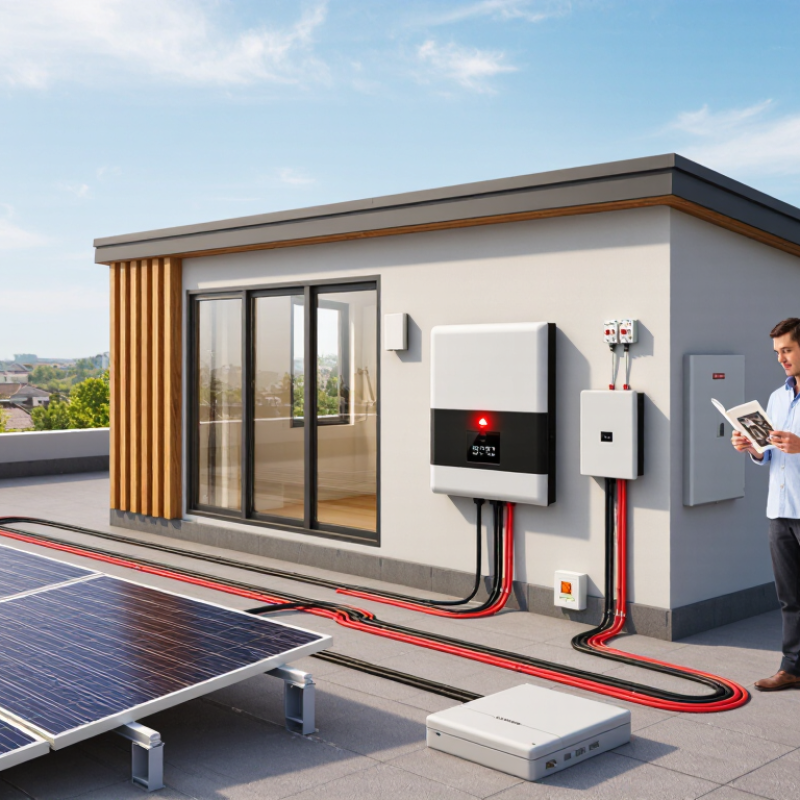
China Top 10 Solar Inverters How to Clear Fault Codes?

China’s Top 10 Solar Inverters: Models, Brands, and Fault Code Basics

China’s top ten solar inverter manufacturers cover several practical model families. These include residential string units, commercial three-phase systems, utility-scale central inverters, and battery-ready hybrid models. Their product labels differ, but fault logic often follows similar patterns. A red alarm may indicate grid voltage, insulation resistance, overheating, communication loss, or internal hardware trouble.

The IEA PVPS Trends report recorded about 456 GW of new photovoltaic capacity worldwide in 2023. This rapid expansion increases demand for dependable inverter monitoring and service skills. Wood Mackenzie reported that the leading inverter suppliers controlled more than 80% of global shipments in recent rankings.

Market size matters, but field conditions matter more. Dust, loose terminals, unstable grids, and poor ventilation can trigger repeated alarms.

Start with the exact model manual and event timestamp. Check whether the code is active or historical. For grid faults, measure voltage and frequency with certified equipment.

For insulation alarms, inspect cables, connectors, and moisture before resetting anything. Never replace a fuse blindly.

Some codes disappear after a restart, but that does not prove the problem is solved. I have seen installers reset units repeatedly while ignoring a hot connector. That was a costly lesson. Reports provide useful market evidence, yet each site still needs careful diagnosis, documented measurements, and qualified service personnel.

How to Identify and Interpret Solar Inverter Fault Codes

Solar inverter fault codes are alerts, not complete diagnoses. A code such as “grid fault” may indicate voltage, frequency, wiring, or utility problems. Read the exact code, its timestamp, and the inverter’s event history. The same code appearing at noon differs from one appearing during heavy rain.

Record useful details before resetting the system. Check the display, indicator lights, ambient temperature, and recent weather. Compare the measured DC voltage with the inverter’s operating range. Only trained personnel should test live circuits. Never remove covers or touch terminals without proper isolation and verification.

Interpret each code with the installation manual and local electrical requirements. Look for related warnings, not one message alone. For example, an insulation alarm may involve damaged cables, moisture, connectors, or a grounding issue. A temperature warning needs airflow and fan inspection, rather than an immediate component replacement. Restarting can clear a temporary fault, but it can also hide a recurring problem. That is a common mistake.

Keep a written record of every code and corrective action. Include the time, weather, power output, and whether the fault returned. If the code remains unclear, contact a qualified solar technician with these records. Clear evidence speeds diagnosis and reduces unnecessary replacement. A fault code is only one clue. It is not the whole story.

China Top 10 Solar Inverters: How to Clear Fault Codes? — How to Identify and Interpret Solar Inverter Fault Codes

No. Typical Fault Code or Label* Fault Category What It Usually Means Common Causes Recommended Checks Clear or Reset Method Risk Level
1 F01 / Grid Overvoltage AC Grid Fault The utility voltage measured by the inverter is above its permitted operating range. High local grid voltage, loose neutral connection, wiring voltage rise, or an incorrect grid standard setting. Compare the inverter reading with a calibrated multimeter; inspect AC terminals and check the permitted voltage range in the manual. Allow the grid to return to normal. The inverter usually reconnects automatically after its programmed waiting period. Medium
2 F02 / Grid Undervoltage AC Grid Fault The measured utility voltage is below the inverter's allowable range. Utility outage, overloaded feeder, poor cable connection, damaged breaker, or excessive cable voltage drop. Check AC voltage at the inverter and distribution panel; inspect breakers, terminals, cable size, and neutral continuity. Restore a stable grid supply and wait for automatic reconnection; do not repeatedly switch the unit on and off. Medium
3 F03 / Grid Overfrequency AC Frequency Fault The utility frequency is higher than the configured protection limit. Abnormal utility conditions, isolated-grid operation, incorrect country or grid-code selection, or measurement problems. Verify frequency with a suitable meter and confirm that the correct regional grid profile is selected. The fault normally clears when frequency returns within limits and the reconnection timer expires. Medium
4 F04 / Grid Underfrequency AC Frequency Fault The utility frequency is below the inverter's permitted operating range. Grid instability, generator operation outside specification, an incorrect grid profile, or a frequency-sensing issue. Measure the AC frequency, check the selected grid standard, and contact the utility if the condition persists. Wait for a stable frequency and the automatic reconnection delay; never change protection limits without authorization. Medium
5 F05 / Low Insulation Resistance DC Safety Fault The resistance between the PV array and protective earth is too low. Moisture in connectors, damaged cable insulation, crushed wires, poor module insulation, or incorrect earthing. A qualified technician should isolate strings and perform insulation-resistance testing with an approved instrument. Do not force a reset. Repair the insulation fault, remove moisture, and restart only after testing confirms safe resistance. High
6 F06 / Residual Current Detected Leakage Protection The inverter has detected unexpected residual or leakage current to earth. Wet connectors, damaged PV cables, faulty modules, incorrect wiring, or a genuine internal inverter fault. Check for water ingress and cable damage; have a qualified person test PV strings and protective devices. After the cause is corrected, follow the approved shutdown and restart sequence; do not bypass protection. High
7 F07 / PV DC Overvoltage PV Input Fault The PV string voltage exceeds the inverter's maximum DC input voltage. Too many modules connected in series, low-temperature voltage increase, or incorrect string design. Check open-circuit voltage against the inverter limit and recalculate the cold-weather string voltage before reconnecting. Disconnect the affected PV input only according to the service procedure; correct the string configuration before restart. High
8 F08 / Inverter Overtemperature Thermal Protection The internal temperature has exceeded the safe operating threshold, causing power reduction or shutdown. Blocked ventilation, direct sunlight, high ambient temperature, dust buildup, or excessive continuous loading. Check clearance around the enclosure, clean external vents when safe, and verify that cooling fans operate normally. Allow the inverter to cool. It generally resumes automatically when the temperature returns to the normal range. Medium
9 F09 / Cooling Fan or Internal Hardware Fault Inverter Hardware A fan, sensor, relay, power stage, or other internal component is not operating correctly. Fan obstruction, worn fan bearings, failed sensor, relay wear, surge damage, or component failure. Record the event history and inspect only external conditions; internal testing should be performed by authorized service personnel. Perform one controlled restart after the system is safely isolated. If the fault returns, arrange professional service. High
10 F10 / Communication Lost Monitoring or Control The inverter is not communicating with a data logger, meter, battery, monitoring platform, or other control device. Loose cable, incorrect communication address, network outage, incompatible protocol, damaged connector, or loss of auxiliary power. Check communication cables, termination, network status, device address, signal quality, and auxiliary power supply. Restore the connection or correct settings, then restart the communication device if required; generation may continue during a monitoring-only fault. Low to Medium
*Important note: Fault-code numbers and wording are not standardized across all solar inverters. The labels above represent common fault categories and example identifiers for reference. Always confirm the exact code, operating limits, shutdown sequence, and reset procedure in the inverter's official service manual.
General clearing sequence: Record the fault and event time, identify whether the problem is on the AC side, DC side, thermal system, or communication system, correct the underlying cause, and follow the specified shutdown and restart procedure. Do not open the inverter enclosure or disconnect energized PV connectors unless you are a qualified electrical professional.

Step-by-Step Safety Checks Before Clearing an Inverter Fault

China Top 10 Solar Inverters: How to Clear Fault Codes?

Step-by-Step Safety Checks Before Clearing an Inverter Fault

A fault code is evidence, not an invitation to press Reset. The IEA PVPS Trends in Photovoltaic Applications 2024 report recorded about 456 GW of new solar capacity in 2023. That scale makes disciplined fault handling essential. One careless reset can hide insulation damage, overheating, or a failed protection device.

Stop the system and keep non-qualified people away. Read the code, note the time, weather, load, and recent maintenance. Turn off the approved AC and DC isolation points according to the site procedure. Apply lockout controls where required. Wait for the inverter’s stated discharge period. Then, a qualified technician should verify zero voltage with a correctly rated meter. Never trust the screen alone.

Look for burnt smells, cracked cable glands, loose terminals, water entry, dust buildup, and unusual fan noise. Do not open energized equipment. NREL’s PV System Operations and Maintenance Best Practices stresses documented procedures, competent workers, and repeatable inspections for reliable solar assets. Clear the code only after the suspected cause is corrected. Restart under observation, then confirm stable voltage, current, temperature, and communications. Record the result.

A reset is not a repair. I have seen teams treat recurring codes as software glitches, when loose connections were the real problem. That shortcut deserves criticism. If the code returns, isolate the inverter and escalate for professional testing instead of repeating resets.

How to Clear Common Fault Codes on Chinese Solar Inverters

Fault codes on Chinese solar inverters often look alarming, but many identify temporary conditions. Record the exact code, time, weather, and inverter temperature before resetting anything. This small log supports reliable diagnosis. IRENA’s Renewable Capacity Statistics 2024 reported about 1,419 GW of global solar capacity at the end of 2023. With more systems operating, disciplined fault handling matters.

For grid overvoltage or undervoltage codes, check the AC voltage with a calibrated meter and review local utility limits. Do not repeatedly reset the inverter. For DC overvoltage, compare the measured string voltage with the inverter’s maximum input rating. Inspect connectors for heat, moisture, or loose crimping. Insulation resistance faults need a qualified technician, because damaged cables may remain dangerous after shutdown. Cooling faults usually require clearing blocked vents and checking fan operation. Let the unit cool naturally.

After correcting the cause, isolate AC and DC supplies according to the installation manual, wait for the specified discharge period, then restart. Never open an energized enclosure. The IEA PVPS Trends 2024 report shows solar deployment expanding rapidly, but field procedures are not always equally mature. I have seen technicians clear a code too quickly, only to recreate it hours later. That shortcut deserves reconsideration. Record the result, firmware version, and recurrence pattern, then contact authorized technical support when the code returns.

When to Contact a Certified Technician for Persistent Faults

A solar inverter fault code is a warning, not a diagnosis. It may indicate overheating, insulation resistance problems, grid instability, or a failed sensor. Check the display, installation area, and user manual before touching anything. Record the code, time, weather, system output, and recent electrical changes. Small details matter.

Do not guess. If the same code returns after one approved reset, contact a certified solar technician. Persistent faults may involve live circuits, damaged cables, incorrect voltage, or internal components. These risks are not suitable for trial and error. A technician can isolate the system safely, test voltage and insulation, and compare readings with manufacturer specifications.

Contact qualified help immediately if you smell burning, hear repeated arcing sounds, see melted connectors, or notice water near electrical equipment. Stop operating the system if the inverter becomes unusually hot or repeatedly shuts down. Keep the fault history available. Clear photos can help, but never remove covers or bypass protective devices. In practical inspections, technicians often find that a “minor” warning was linked to loose wiring or poor ventilation. That assumption can be wrong. Weather, aging components, and recent electrical work may also create similar codes. A careful inspection is slower, but it prevents a small fault from becoming an expensive failure.

FAQS

What does a solar inverter fault code mean?

It is a warning, not a complete diagnosis. “Grid fault” may involve voltage, frequency, wiring, or utility conditions. One code can have several causes.

Which details should I record before resetting the inverter?

Write down the exact code, time, weather, power output, and indicator-light status. Note the ambient temperature and recent electrical changes. Small details matter.

Why does weather affect fault-code interpretation?

Heavy rain can cause moisture-related insulation warnings. Hot sunshine may trigger temperature alerts around noon. The same code may mean something different during dry weather.

Is restarting the inverter a safe way to fix a fault?

An approved reset may clear a temporary problem. It may also hide a recurring fault. If the code returns, stop guessing and arrange a professional inspection.

When should I contact a qualified solar technician?

Contact one when the same code returns after one approved reset. Persistent faults may involve live circuits, damaged cables, incorrect voltage, or internal components.

What warning signs require immediate professional attention?

Stop using the system if you smell burning, hear repeated arcing, or see melted connectors. Water near electrical equipment is also urgent. Do not touch it.

Can I remove the inverter cover to inspect the problem?

No. Live circuits can remain dangerous, even when the display is off. Only trained personnel should test voltage, insulation, or terminals after proper isolation.

How can I help a technician diagnose the fault faster?

Keep a written fault history with times, weather, output, and corrective actions. Provide clear photos without removing covers. This evidence can prevent unnecessary part replacement.

Conclusion

China’s top solar inverters offer a wide range of residential and commercial solutions, but their fault-code systems can vary by model and control interface. Understanding the meaning of warning, protection, and shutdown codes is the first step toward safe troubleshooting. This guide explains how to identify fault messages, review operating conditions, and distinguish temporary issues from problems requiring professional support.

Before attempting how to clear fault codes on a residential solar energy inverter, users should follow essential safety checks, including confirming grid status, inspecting visible cables, checking ventilation, and reviewing the system manual. Common faults may sometimes be cleared by correcting the underlying condition and restarting the inverter according to approved procedures. However, repeated alarms, insulation warnings, overheating, unusual sounds, or internal errors should never be ignored. If a fault returns after a safe reset, contact a certified technician to inspect the system and complete repairs without risking electric shock, equipment damage, or unsafe operation.

Amelia

Amelia

Amelia is a seasoned marketing professional with a wealth of expertise in our company’s core offerings. With an unwavering passion for driving growth and innovation, she plays a pivotal role in shaping our marketing strategies and enhancing brand visibility. A key aspect of her responsibilities......